

It was a typical Saturday morning when I opened my dishwasher, expecting those sparklingly clean dishes. Instead, I was greeted with a weird grinding noise and water that refused to spray properly. Frustration sank in as I realized my tried-and-true appliance was clogging, and I was about to call in a repair technician. But then, a lightbulb flickered—what if I could fix this myself, cheaply and effectively?
Why Dishwashers Fail and Cost You More Than You Think
The truth is, many homeowners overlook small issues until they become big, expensive problems. Clogged spray arms are among the most common culprits causing poor cleaning results. These blockages often stem from mineral deposits or soap scum buildup, especially in regions with hard water. The good news? There’s a simple, inexpensive trick I discovered that can often clear these blockages without professional help—using just a bottle of vinegar and a bit of patience.
Is a Vinegar Soak Really Worth the Hype?
Initially, I was skeptical. I’d heard about vinegar cleaning before, but I wondered if it was just a myth or if it truly worked long-term. I also feared that using vinegar might damage my machine. My early mistake was assuming all home remedies are equal—some can do more harm than good, especially if not used properly. However, after some research and trial, I found that a simple vinegar soak can dissolve mineral deposits and grime, restoring spray arm flow and saving a costly replacement.
So, if you’re tired of ineffective cleaning and are wary of spending hundreds on repairs, stay tuned. I’ll walk you through the exact steps to give your dishwasher a rejuvenating vinegar soak. Plus, I’ll share some insider secrets to avoid common pitfalls. Curious to know if this trick has worked for others? Check out how professional diagnostics can prevent unnecessary expenses—and see why trusting your water quality is key to appliance longevity. You can learn more about how diagnostics can save your warranty benefits here.
Ready to tackle that stubborn clog and extend your dishwasher’s life? Let’s get started with a quick overview of what causes spray arm blockages and how a simple vinegar soak can make all the difference.
Create a Clear Path for Your Dishwasher’s Water Flow
Begin by removing the lower spray arm, which is usually held in place by a central nut or clip. Use a adjustable wrench or screwdriver depending on your model. Remember, think of the spray arm as a bicycle wheel that needs to spin freely; if debris is lodged in the nozzles, water can’t circulate properly. I once quickly unscrewed mine after a stubborn clog, noticing soap scum and mineral deposits blocking the jets. This simple step sets the stage for effective cleaning.
Apply the Vinegar Bath for Maximum Effect
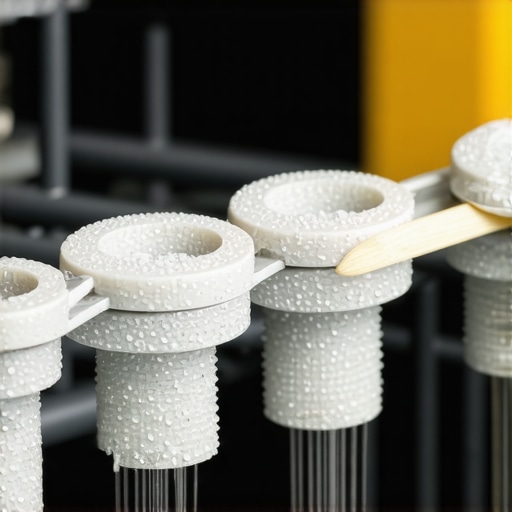
Submerge the spray arm in a mixture of equal parts white vinegar and warm water in a basin or sink. Let it soak for at least 30 minutes—this softened mineral build-up just like rust remover does on metal. During my first attempt, I swirled the spray arm gently while submerged, and the residue started to loosen. After soaking, use an old toothbrush or toothpick to dislodge remaining debris from nozzles. This process is similar to cleaning a clogged showerhead, only it’s your dishwasher’s sprayer doing the work.
Inspect and Clear Nozzles Carefully
Once soaked, hold the nozzles up to a strong light and look for blockages. Use a toothpick or needle to clear out any remaining deposits. For stubborn clogs, I gently poked through the nozzles, avoiding damage. This step ensures water can flow with less resistance, making the spray stronger and more uniform. Regular inspections prevent mineral build-up from turning into full-blown malfunctions, extending your appliance’s lifespan.
Reassemble and Test for Better Performance
After cleaning, reattach the spray arm securely. Run a short rinse cycle to see if the water sprays out evenly and with adequate pressure. During my test, I soon noticed a dramatic improvement in cleaning efficiency—less soap scum and cleaner dishes. Think of it as giving your dishwasher a tune-up, just like changing oil in a car saves you money long-term. This quick fix is a clear way to avoid costly repairs, especially if you understand how to inspect and troubleshoot using professional diagnostics when needed.
Looking for more ways to troubleshoot dishwasher problems? Check out expert diagnostics and repair tips to keep your appliances performing at their best. Regular maintenance and understanding your washer’s water quality—like checking your water bill—is essential to prevent future clogs and warranty issues, which you can learn more about here.
Many homeowners operate under misconceptions about appliance repairs and warranties, often oversimplifying complex issues. Contrary to popular belief, not all repairs are equal, and understanding the nuances can save you money and frustration. For instance, a common myth is that a warranty covers all failures, but in reality, many plans exclude specific parts or damages caused by neglect. This misconception leads to rejected claims and unresolved problems, especially if the repair technician isn’t aligned with manufacturer protocols.
A critical mistake many make is assuming that professional diagnostics aren’t necessary; however, skipping diagnostic evaluations can result in unnecessary part replacements and voided warranties. Professional diagnostics not only pinpoint the root cause but also provide documented evidence, essential for warranty disputes. As highlighted in expert analyses, comprehensive diagnostic reports increase the likelihood of a successful warranty claim and prevent costly trial-and-error repairs.
Furthermore, some believe that DIY repairs negate warranty coverage. While some warranties allow for basic maintenance or simple fixes, attempting complex repairs without proper diagnostic tools or expertise might void the warranty entirely. It’s advisable to understand your warranty’s terms—many stipulate that only certified technicians can perform authorized repairs. For more insights, check out how diagnostics can safeguard your warranty.
Beyond warranties, there’s often a misconception that all appliance issues stem from major failures. In reality, minor problems like clogged filters or misaligned spray arms might be the culprit, easily fixed with proper troubleshooting. Advanced users know to use diagnostic codes and signals from their appliances—these are invaluable for identifying hidden faults that standard inspections miss. A study by appliance repair experts confirms that leveraging diagnostic tools reduces repair time by up to 40%, cutting costs and minimizing downtime.
One trap to avoid is misinterpreting diagnostic results or ignoring early warning signs, which can lead to catastrophic failures. For example, ignoring irregular noises or temperature irregularities can cause parts to fail prematurely, damaging the entire machine. To prevent this, regular checks and professional assessments are recommended, especially for appliances under warranty. This approach also aligns with manufacturer advice, ensuring warranty coverage remains intact.
Moreover, being aware of the subtle signals your appliance gives can help you address problems before they become costly repairs. When in doubt, consulting a qualified technician ensures that diagnostics are accurate, and repairs are performed correctly, reducing the chance of voiding your warranty. Proper documentation, including diagnostic reports and repair receipts, strengthens your position in warranty disputes. Learn more about how to improve your warranty claims at understanding appliance diagnostics.
Have you ever fallen into this trap? Let me know in the comments. Navigating appliance repair and warranty claims need not be intimidating when you understand the nuances.
Choosing the Right Diagnostic Tools
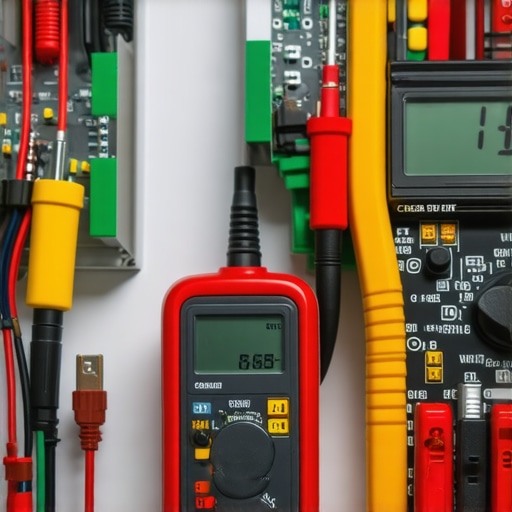
One of my go-to instruments for maintaining appliances, especially dishwashers, is a high-quality digital multimeter. I personally prefer the Fluke 115 because of its precision and durability. This device allows me to easily check electrical components like thermal fuses, float switches, and control boards, ensuring they function correctly before complete failure occurs. Additionally, I rely on a pass-through thermal camera to quickly identify hot spots or wiring faults that could lead to costly repairs if left unchecked. Investing in these tools has saved me from unnecessary parts replacements and helped maintain warranties by providing clear diagnostic evidence when needed.
Implementing Routine Maintenance Checks
Beyond tools, establishing a regular maintenance routine is essential. I’ve developed a checklist that includes inspecting the door gasket for cracks, testing water inlet valves with a multimeter, and cleaning the filter mesh under the spray arm. This proactive approach not only extends the lifespan of the appliance but also ensures optimal performance. For example, when I noticed my dishwasher was leaving spots, I realized it might be a water temperature issue—something I can verify easily with a simple digital probe. Regular diagnostics, as discussed in expert articles, can catch issues early and prevent warranty claims from being rejected due to neglect.
Utilizing Software for Troubleshooting
Modern dishwashers often come with smart diagnostics or app-controlled monitoring. I recommend connecting your appliance to manufacturer-provided diagnostic tools or third-party apps like Home Connect or SmartThings. These platforms can display error codes, monitor cycle patterns, and even suggest specific repairs or maintenance actions. For example, if your dishwasher starts to drain slowly, the app might identify a clogged pump or faulty sensor—areas you can test with your multimeter or by examining the physical components. Embracing technology simplifies maintenance and ensures you address issues before they escalate, helping you keep your appliance under warranty and functioning smoothly.
Anticipate Future Trends with Advanced Diagnostics
Looking forward, I believe the integration of AI-driven diagnostic algorithms will revolutionize appliance maintenance. Imagine your dishwasher alerting you to potential component failures before they happen, based on usage patterns and sensor data. As predictive analytics become more accessible, homeowners can perform targeted preventive maintenance, reducing downtime and repair costs. This evolution underscores why investing in current diagnostic tools and understanding their use is crucial now—and I recommend familiarizing yourself with upcoming innovations by following industry news.
How do I maintain my dishwasher’s performance over time?
Consistent testing with reliable tools, like a multimeter and thermal camera, along with routine cleaning and inspections, can prevent unexpected breakdowns. Remember, detailed documentation of diagnostics supports warranty claims and ensures compliance with manufacturer requirements. Don’t forget that keeping accurate water bills and water quality in check, as explained in this resource, helps diagnose leaks and water-related issues early. Regularly updating yourself with expert troubleshooting tips—such as those found here—ensures your appliance remains reliable and under warranty for years to come.
The Hardest Lesson I Learned About Dishwasher Repairs and Warranties
Early in my repair journey, I believed that fixing a clogged spray arm was a quick fix, but I soon realized that ignoring water quality and diagnostic precision could lead to ongoing issues and voided warranties. The biggest lightbulb moment? Professional diagnostics aren’t just for repairs—they’re your best shield against unnecessary expenses and claim rejections.
My Top Picks for Staying Ahead in Dishwasher Care
- Digital Multimeter: I trust the Fluke 115 for its accuracy in diagnosing electrical faults—saving me time and confirming whether components like control boards or switches are functional.
- Thermal Leak Detector: Spotting uneven heat distribution became straightforward with this tool, helping me identify faulty heating elements before breakdowns.
- Professional Diagnostic Software: Apps like Home Connect help me monitor my dishwasher’s health remotely and catch errors early.
- Water Quality Test Kits: Regular testing prevents mineral buildup that can damage sensors and clog nozzles, extending my appliance’s lifespan.
Embrace the Dishwasher Revival—Your Future Self Will Thank You
Taking control of your dishwasher’s health involves more than quick fixes; it’s about building a proactive mindset. Invest in good diagnostics, learn to interpret your machine’s signals, and stay diligent with routine checks. Doing so not only ensures spotless dishes but also preserves your warranty rights and avoids unwarranted expenses. If you’re ready to give your dishwasher a new lease on life, start today—your appliances and wallet will thank you. What’s been your most surprising discovery in appliance maintenance? Share below and keep the conversation going!
,