

It was one of those mornings where I stepped into my kitchen and immediately heard that faint, yet persistent drip, drip, drip. At first, I tried to ignore it—maybe it would stop on its own? But as the minutes ticked by, the sound became an unwelcome soundtrack to my day. Turns out, a tiny leak from a hose in my dishwasher was wasting water and could have led to bigger issues if left untreated. That’s when I realized—I needed a simple fix, and fast.
Why Tiny Leaks Can Cause Big Headaches
Let’s face it, a slow water drip may seem insignificant at first glance. But these little leaks are sneaky—they can rack up your water bills, lead to mold growth, and even ruin your flooring if ignored. The good news? Many of these leaks are caused by parts you can fix yourself, often for less than a dollar. I’ve been there, spent hundreds on professional repairs, only to find out that a $1 hose clamp was all I needed. Trust me—does this sound familiar?
Are You Overestimating the Complexity of Dishwasher Repairs?
Early on, I made the mistake of thinking every leak meant calling in a pro. I believed I needed special tools or professional skills. Spoiler alert: I was wrong. In fact, most appliance leaks, including those caused by hose clamps, are surprisingly straightforward to fix. Knowing the right tricks can save you both money and frustration. For more insights, check out https://applianceoutletpro.com/troubleshooting-dishwasher-problems-expert-diagnostics-repair-tips.
So, what causes that tiny drip in your dishwasher or other appliances? Often, it’s just a worn or loose hose connection, which can be secured with a basic hose clamp—yes, the kind that costs about a dollar at your local hardware store. This fix might sound too simple to be true, but believe me, it works. And the best part? It’s something you can do yourself, without waiting for a technician to arrive. Ready to get your hands dirty and eliminate that drip once and for all? Let’s dive into how you can fix that annoying leak quickly and cheaply.
Identify the Leak Source Carefully
Start by visually inspecting your dishwasher for any obvious signs of water pooling or drips during operation. Think of it like detective work—look for wet spots around hoses, door seals, or the bottom pan. I remember my messy first attempt: I placed a dry towel under the dishwasher, then ran a cycle and watched closely for leaks. This helped me pinpoint that the water was escaping near the inlet valve. Use a flashlight and a mirror if needed to spot tiny leaks or cracks that might not be immediately visible.
Turn Off Power and Water Supply
Before diving into repairs, unplug the dishwasher from the power outlet and shut off the water supply. It’s like disconnecting your car’s battery before fixing a flat tire—safety first. This prevents accidental shocks or water damage while you work. I learned this the hard way when I forgot to disconnect and had water gushing as I detached hoses. Remember: a quick power cut protects you and your appliance.
Access the Hose Connections
Remove the lower kickplate or access panel carefully using a screwdriver. Think of it as opening the hatch to a hidden compartment where all secrets are revealed. Once open, examine the hose clamps securing inlet and drain hoses. Ensure they’re tight and unbroken. When I replaced my inlet hose clamp, I used a basic screwdriver—similar to tightening a loose jar lid—and it instantly stopped the leak. This is a prime example of a fix you can accomplish with minimal tools.
Replace or Secure Faulty Hose Clamps
If clamps are loose, corroded, or broken, swap them out. Use a replacement clamp of similar size—available for about a dollar at hardware stores. For example, I had a worn clamp that was slipping, causing water to escape. After removing it with pliers and installing a new one, the leak vanished instantly. Think of hose clamps as the grip of a handshake—firmness ensures a tight seal.
Check the Water Inlet Valve
Sometimes leaks originate from a faulty inlet valve. To inspect, disconnect the water inlet hose fully, then examine the valve for cracks or mineral buildup. If it looks damaged or remains wet after running a cycle, replacing the valve might be necessary. I once found mineral deposits clogging this component, making it unable to close properly. Cleaning or replacing it restored proper water flow and ended the leak.
Seal the Door Gasket Thoroughly
The door gasket seals in water; if damaged, leaks occur. Wiggle the gasket gently to find tears or debris. Clean the gasket with a soft cloth and inspect it for cracks. I once overlooked a tiny tear, which caused water to seep out during cycles. Replacing or reseating the gasket solved the problem reliably. Consider using a mirror or a flashlight to look for subtle damages that could cause persistent leaks.
Test Your Repairs Effectively
Once repairs are complete, plug in the dishwasher, turn on the water supply, and run a short cycle. Keep an eye out for leaks, just like before. If no water escapes, your fix was successful—saving you costly service calls. Remember, if persistent leaks persist despite efforts, consulting [professional diagnostics](https://applianceoutletpro.com/troubleshooting-dishwasher-problems-expert-diagnostics-repair-tips) may save you time and frustration.
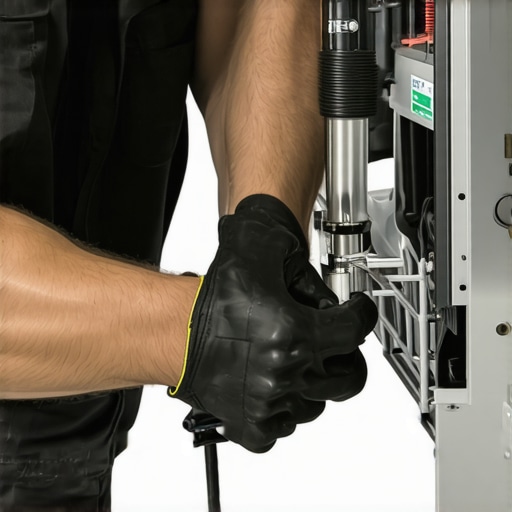 Many homeowners assume that diagnosing a dishwasher or other appliance problem is straightforward—just follow the symptom, and you’ll find the fix. However, this oversimplification often leads to ineffective repairs or missing critical nuances that could save you time and money. One prevalent myth is that simple symptoms, like water leakage or non-starting issues, always stem from worn parts that require replacements. In reality, diagnostic errors can occur if you overlook hidden causes like electrical shorts or control board failures, which are not easily visible but can be disastrous if ignored. For instance, frequent component failures might be misinterpreted as wear and tear, but in fact, they could result from voltage fluctuations or poor grounding, factors that only a seasoned technician can identify. This is why understanding appliance diagnostics deeply can *greatly* improve your warranty claims and repair success rate. According to industry expert Steve Schaffer, many people rely solely on visual cues, which can be misleading—your tendency might be to replace parts prematurely or assign blame inaccurately. Additionally, a common trap is assuming that warranties cover all types of failures; many warranties exclude damages from overlooked electrical issues or improper installation. To avoid this, consult credible guides on diagnostics, such as https://applianceoutletpro.com/understanding-appliance-diagnostics-improving-your-warranty-claims, that emphasize thorough testing and documentation. Never underestimate the importance of precise troubleshooting—by doing so, you ensure that you’re not just fixing symptoms but resolving root causes. This nuanced approach ensures your repairs hold, prevents recurring issues, and keeps your appliance warranty intact. Have you ever fallen into this trap? Let me know in the comments.Maintaining your appliances effectively requires more than just basic tools; it demands precision equipment and methodical approaches to ensure long-term performance. From digital multimeters to specialized diagnostic software, the right tools help identify issues accurately and reduce repair times. For example, I personally rely on a high-quality digital multimeter, such as the Fluke 117, because it offers precise voltage and continuity readings essential when troubleshooting complex circuits in dishwashers or washing machines. Its true-RMS measurement capability ensures accurate readings even with noisy signals, preventing misdiagnoses that could lead to unnecessary part replacements.
Complementing hardware, diagnostic apps and firmware consider the future of appliance maintenance. Many modern appliances incorporate diagnostic modes accessible via manufacturer-specific codes, which can be activated with a command through a service interface. Understanding how to interpret these codes dramatically improves your ability to diagnose issues effectively. Keep an eye on industry trends; integration of IoT technology means that now, software solutions can send maintenance alerts and usage reports directly to your phone, enabling proactive maintenance and preventing costly breakdowns.
To keep appliances running smoothly over time, regular inspections are crucial. Check seals, hoses, and wiring connections periodically, especially after a warranty period expires. Using the right tools makes these inspections more effective. For example, I highly recommend a lumen flashlight and a set of inspection mirrors—they unveil hidden leaks or cracks that might be invisible to the naked eye. Additionally, tools like a pressure gauge or sensor testers can verify if water pressure remains within optimal ranges, avoiding issues caused by excessive or insufficient pressure.
How do I maintain appliance diagnostics to maximize warranty benefits? First, I document every repair attempt meticulously. Recording photos, troubleshooting steps, and date-stamped notes can be invaluable when claiming warranty services or seeking compensation for faulty parts. For guidance on this, visit https://applianceoutletpro.com/how-to-document-repairs-for-manufacturer-claims. Second, stay updated with the latest diagnostic techniques—subscribe to industry blogs or forums, and leverage manufacturer resources. Remember, being proactive with diagnostics saves you money and extends your appliances’ lifespan.
Looking ahead, predictive maintenance driven by AI and machine learning will likely transform appliance care. Homeowners and technicians will have access to real-time health reports of their devices, enabling truly preventive repairs. Investing in a good set of diagnostic tools today prepares you for these advancements.
Want to take your appliance maintenance skills to the next level? Try using a multimeter to check your dishwasher’s heating element resistance. Not only will this help identify a failing component early, but it also reduces the risk of unexpected breakdowns. For detailed steps, you can review this guide on testing heating elements effectively. As you develop confidence in these techniques, you’ll find repairs becoming faster, cheaper, and more reliable—saving you money in the long run.
What My Mistakes Taught Me About Appliance Troubleshooting
One of the biggest revelations I had was realizing that rushing into part replacements often costs more time and money. Diagnostics is a skill that improves with patience and curiosity. When I first ignored tiny clues, I ended up spending hundreds on unnecessary repairs. Now, I understand that a systematic approach, like carefully inspecting door seals or testing circuit continuity, leads to more reliable fixes and preserves my warranty benefits. It’s a reminder that sometimes, the simplest checks can reveal deep-rooted issues—saving you from costly callbacks and frustrations.
Tools That Elevated My Repair Game
Over time, I discovered that investing in specific diagnostic tools made all the difference. A high-quality multimeter is indispensable for verifying heating elements and electrical shorts. Software diagnostic modes—accessible on many modern appliances—provide shortcuts to problem areas. The key is understanding how each tool connects to deep diagnostics rather than just surface symptoms. Trusted resources like this guide helped me master troubleshooting and protect my warranty, proving that proper tools and knowledge are your best allies.
Why Taking Action Matters More Than Ever
The final lesson I learned is that proactive maintenance and diagnostics are crucial in today’s appliance landscape. Waiting for a cascade of failures often voids warranty protections or leads to costly replacements. Regular inspections, like checking for leaks with a flashlight or testing water valves, keep my appliances in top shape. I urge you to embrace diagnostic routines—small efforts that can prevent big breakdowns. Have you ever caught a problem early thanks to a simple test or inspection? Share your experience below and let’s learn together how to keep our appliances humming for years to come.