

It was a morning like any other, until I stepped into my kitchen and nearly slipped on a slick patch of water. My heart sank — I had a flooded floor, and the culprit was right there in plain sight: my dishwasher’s door seal had brittle cracks, allowing water to seep out during the rinse cycle. That moment was a lightbulb moment for me. I realized just how critical that small rubber gasket is in preventing major damage.
If you’ve ever experienced a sudden flood from your appliance, you know how overwhelming it can be. Like many homeowners, I underestimated the importance of a door seal until one day, disaster struck. Since then, I’ve become acutely aware: a worn or brittle seal isn’t just a minor inconvenience. It’s a ticking time bomb for water damage, mold, and costly repairs.
Today, I want to share how I tackled this sneaky issue, and more importantly, how you can prevent it from turning into a catastrophe. Replacing a brittle door seal might seem daunting, but it’s straightforward once you know what to look for and when to act. Trust me, catching this early saves you money, stress, and potential damage.
Spotting the Hidden Risks Before They Flood Your Floor
Imagine this: your dishwasher starts to leak gradually, and you dismiss it as a minor drip. Over days or weeks, that small leak can escalate, seeping into your subfloor and walls. The key is catching these signs early. Keep an eye for visible cracks or brittleness around the door gasket, and listen for unusual noises during cycles. When water exits where it shouldn’t, it’s time to inspect.
Many folks overlook the importance of seals because they’re tucked away—hidden from plain sight. Yet, a deteriorating gasket is often the root cause of flooding. Early detection means you can replace it before it becomes a bigger headache. For example, I learned the hard way that ignoring tiny cracks can lead to significant water damage, which is much more expensive than a simple gasket replacement.
If you’re unsure whether your seal needs replacing, take a closer look or consult a professional. It’s worth noting that modern appliances often have diagnostic modes that can help identify leaks early. Want to know more about how diagnostics can save your warranty? Check out this guide on how appliance diagnostics can save your warranty benefits.
Identify Leak Symptoms and Gather Tools
Start by running a cycle and observing for leaks or water pooling around the door. Use a flashlight to inspect the gasket closely, looking for cracks, brittleness, or deformations. Gather essential tools such as a screwdriver, multimeter, and replacement gasket. Remember, catching signs early prevents extensive water damage, so don’t delay the inspection.
Check the Door Seal’s Condition
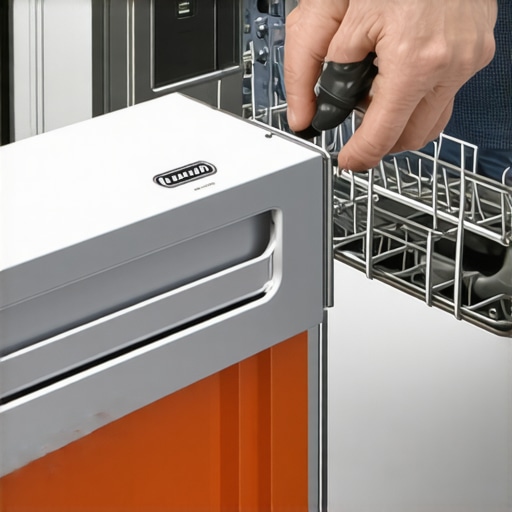
Carefully remove the dishwasher’s lower panel if necessary to access the gasket. Use a multimeter to test the gasket material for continuity if it appears cracked or brittle. A visual inspection often reveals cracks or peeling. Think of the seal as a rubber door to a treasure chest; if it’s compromised, water can sneak out and cause chaos.
Remove the Old Seal Properly
Detach the worn gasket from its groove by gently pulling it free. Be cautious not to damage the mounting surface. Clean the groove thoroughly with a damp cloth, removing any debris or residue that could prevent a proper seal for the new gasket. Remember, a dirty groove hampers sealing effectiveness, much like trying to close a zipper with lint stuck in it.
Select and Prepare the Replacement Gasket
Acquire a compatible gasket designed for your dishwasher model. Lay it flat and inspect for defects. Apply a thin layer of silicone lubricant around the gasket edge to facilitate installation and improve sealing. Think of this as lubricating a hinge—the smoother the movement, the better the seal.
Install the New Seal Carefully
Align the gasket with the groove, starting at one end and pressing it firmly into place, ensuring it seats evenly. Use gloves if necessary to grip tightly. Secure any clips or fasteners per manufacturer instructions. Proper installation is key—imagine tightening a bolt just enough; too loose, and the seal leaks, too tight, and it tears.
Test the Repair and Monitor
Run a test cycle to verify that water no longer leaks. Watch for drips around the door and check underneath for pooling. Take photos during the process; this documentation can be valuable if warranty service is needed later (see why photos matter). Continue to observe for a few cycles to confirm the fix persists.
Prevent Future Seal Failures
Regularly clean the gasket with a soft cloth and mild detergent to remove debris that could cause premature aging. Avoid using vinegar or harsh chemicals, as they can degrade rubber over time. Maintaining the gasket is like tending to a garden—consistent care prolongs its life and keeps it in top condition.
 Many homeowners believe that DIY diagnostics are foolproof and sufficient to uncover appliance issues, but in reality, there’s a lot of nuance that often gets overlooked. One prevalent myth is the assumption that a simple visual inspection can replace professional diagnostics, which isn’t true. Visual checks may reveal obvious problems, but many internal faults—like subtle electrical shorts or control board failures—require specialized tools and expertise to diagnose accurately. Relying solely on visual cues can lead to misdiagnosis and unnecessary part replacements, escalating repair costs.
Another misconception is that appliances either work perfectly or are completely broken—there’s little room for partial faults, which can progressively worsen over time. For instance, a dishwasher might still run but with decreasing efficiency, slowly causing long-term damage. Regular diagnostics help catch these issues early, saving you money and preventing bigger repairs.
Don’t fall into the trap of assuming warranty coverage will automatically cover all diagnostic fees. Manufacturers often have strict guidelines about what constitutes a covered repair. If you’re not careful, you could pay out-of-pocket for diagnostics that you’d expect to be free. It’s advisable to understand your warranty terms and consult professionals who specialize in appliance diagnostics—they often know how to properly document faults, which can be crucial during warranty claims.
And here’s a tip for those considering self-diagnosis: using basic tools like a multimeter is essential, but improper usage can result in incorrect conclusions. For example, testing a control board without disconnecting power or knowing the proper procedures can lead to false positives or accidental damage. Familiarize yourself with proper diagnostic techniques or contact a professional to avoid these pitfalls.
The key is recognizing that appliance diagnostics are complex and often require a layered approach. For more insights on how professional diagnostics can protect your warranty and ensure accurate repairs, check out this detailed guide.
Have you ever fallen into this trap? Let me know in the comments.Maintaining your dishwasher’s peak performance isn’t just about replacing seals or cleaning filters; it also relies heavily on having the right tools and understanding how to use them effectively. One must invest in specific equipment to diagnose issues accurately and ensure long-term functionality. A digital multimeter, for example, is indispensable for testing electrical components like control boards and sensors, providing precise readings that help identify faults without guesswork. Personally, I rely on a high-quality multimeter with auto-ranging capabilities, which simplifies testing and saves time. Regular use of this tool ensures early detection of electrical issues that, if overlooked, could lead to more extensive repairs. Additionally, a borescope camera proves invaluable for inspecting hard-to-reach areas inside the machine, such as the drain hose or spray arms, without disassembly. I suggest choosing a model with LED lighting and a flexible probe for better maneuverability.
Beyond hardware, software tools can play a pivotal role. Many advanced diagnostic apps are designed for smart appliances, enabling remote monitoring and troubleshooting. While these apps are improving, my experience shows they work best in tandem with physical inspections. Connecting diagnostic devices to your appliance and interpreting their outputs can significantly reduce service costs and improve repair accuracy. To deepen your understanding, explore expert guides such as the detailed procedures found in this comprehensive multimeter guide, which covers common pitfalls and best practices.
Looking ahead, I predict that tools integrating AI diagnostics will become mainstream, offering real-time analysis and guidance directly from your device. For now, mastering fundamental equipment like multimeters and borescopes remains the most practical approach.
How do I maintain these diagnostic tools over time? Regular calibration of multimeters ensures measurement accuracy, and careful cleaning and proper storage extend the lifespan of borescopes. Additionally, keeping software firmware up to date allows you to benefit from the latest features and fixes. Investing in quality tools might seem costly initially, but it pays off by preventing unnecessary part replacements and guiding precise repairs that foster appliance longevity.
If you’re eager to enhance your diagnostic skills, try using a borescope to visually inspect the interior of your dishwasher for clogs or damage. This simple step can reveal issues hidden from plain sight, saving you time and money. Remember, consistent maintenance and the right tools are the backbone of reliable dishwasher operation and help you avoid costly repairs down the line.
Lessons That Changed How I Approach Repairs
One of the most eye-opening lessons I learned about appliance diagnostics is that small signs can prevent large disasters. I used to ignore minor cracks in the door seal, believing they weren’t urgent. But that led to a flooded kitchen and costly repairs. Now, I know that early detection of brittle or cracked gaskets is crucial for maintaining appliance longevity and avoiding water damage.
Another insight? DIY diagnostics aren’t always enough. While visual inspections are helpful, understanding when to call in a professional can save money and frustration. Recognizing my limits and trusting expert diagnostics, especially for electrical issues, has transformed my repair approach.
Lastly, I discovered the significance of regular maintenance. Just cleaning the gasket and inspecting it monthly can extend its life and keep leaks at bay. Preventive care is truly worth the investment, saving me time and stress over unexpected floods.
My Go-To Resources for Reliable Diagnostic Success
- High-Quality Multimeter: Investing in a digital multimeter with auto-ranging proved essential for precise electrical testing, helping me identify shorted wires or faulty control boards effectively.
- Using a Borescope: This flexible camera allowed me to peek inside inaccessible areas of my dishwasher, revealing hidden clogs and damage without disassembly. Trust me, it’s worth every penny.
- Expert Guides on Appliance Diagnostics: Resources like this comprehensive multimeter guide deepened my understanding and boosted my confidence in DIY diagnostics.
- Professional Contact: Knowing when and where to seek expert help, like through reliable service providers, ensures complex issues are resolved efficiently. Check out this contact page for trusted professionals nearby.
Embrace the Power of Proactive Repairs
Taking control of your dishwasher diagnostics and seal maintenance isn’t just about fixing leaks—it’s about empowering yourself to protect your home and wallet. Every successful repair builds your confidence, making future issues less intimidating. Remember, the key is regular inspection, investing in the right tools, and knowing when to enlist help. Your dishwasher can serve you reliably for years with just a little extra effort and attention.
What specific DIY diagnostic step has saved you money or stress? Share your experiences below—I’d love to hear your success stories!
}**}#END#}}#END#}}#END#}#END#}#END#}#END#}#END#}#END#}#END#}#END#}#END#}#END#}#END#}#END#}#END#}#END#}#END#}#END#}#END#}#END#}#END#}#END#}#END#}#END#}#END#}#END#}#END#}#END#}#END#}#END#}#END#}#END#}#END#}#END#}#END#}#END#}#END#}#END#}#END#}#END#}#END#}#END#}#END#}#END#}#END#}#END#}#END#}#END#}#END#}#END#}#END#}#END#}#END#}#END#}#END#}#END#}#END#}#END#}#END#}#END#}#END#}#END#}#END#}#END#}#END#}#END#}#END#}#END#}#END#}#END#}#END#}#END#}#END#}#END#}#END#}#END#}#END#}#END#}#END#}#END#}#END#}#END#}#END#}#END#}#END#}#END#}#END#}#END#}#END#}#END#}#END#}#END#}#END#}#END#}#END#}#END#}#END#}#END#}#END#}#END#}#END#}#END#}#END#}#END#}#END#}#END#}#END#}#END#}#END#}#END#}#END#}#END#}#END#}#END#}#END#}#END#}#END#}#END#}#END#}#END#}#END#}#END#}#END#}#END#}#END#}#END#}#END#}#END#}#END#}#END#}#END#}#END#}#END#}#END#}#END#}#END#}#END#}#END#}#END#}#END#}#END#}#END#}#END#}#END#}#END#}#END#}#END#}#END#}#END#}#END#}#END#}#END#}#END#}#END#}#END#}#END#}#END#}#END#}#END#}#END#}#END#}#END#}#END#}#END#}#END#}#END#}#END#}#END#}#END#}#END#}#END#}#END#}#END#}#END#}#END#}#END#}#END#}#END#}#END#}#END#}#END#}#END#}#END#}#END#}#END#}#END#}#END#}#END#}#END#}#END#}#END#}#END#}#END#}#END#}#END#}#END#}#END#}#END#}#END#}#END#}#END#}#END#}#END#}#END#}#END#}#END#}#END#}#END#}#END#}#END#}#END#}#END#}#END#}#END#}#END#}#END#}#END#}#END#}#END#}#END#}#END#}#END#}#END#}#END#}#END#}#END#}#END#}#END#}#END#}#END#}#END#}#END#}#END#}#END#}#END#}#END#}#END#}#END#}#END#}#END#}#END#}#END#}#END#}#END#}#END#}#END#}#END#}#END#}#END#}#END#}#END#}#END#}#END#}#END#}#END#}#END#}#END#}#END#}#END#}#END#}#END#}#END#}#END#}#END#}#END#}#END#}#END#}#END#}#END#}#END#}#END#}#END#}#END#}#END#}#END#}#END#}#END#}#END#}#END#}#END#}#END#}#END#}#END#}#END#}#END#}#END#}#END#}#END#}#END#}#END#}#END#}#END#}#END#}#END#}#END#}#END#}#END#}#END#}#END#}#END#}#END#}#END#}#END#}#END#}#END#}#END#}#END#}#END#}#END#}#END#}#END#}#END#}#END#}#END#}#END#}#END#}#END#}#END#}#END#}#END#}#END#}#END#}#END#}#END#}#END#}#END#}#END#}#END#}#END#}#END#}#END#}#END#}#END#}#END#}#END#}#END#}#END#}#END#}#END#}#END#}#END#}#END#}#END#}#END#}#END#}#END#}#END#}#END#}#END#}#END#}#END#}#END#}#END#}#END#}#END#}#END#}#END#}#END#}#END#}#END#}#END#}#END#}#END#}#END#}#END#}#END#}#END#}#END#}#END#}#END#}#END#}#END#}#END#}#END#}#END#}#END#}#END#}#END#}#END#}#END#}#END#}#END#}#END#}#END#}#END#}#END#}#END#}#END#}#END#}#END#}#END#}#END#}#END#}#END#}#END#}#END#}#END#}#END#}#END#}#END#}#END#}#END#}#END#}#END#}#END#}#END#}#END#}#END#}#END#}#END#}#END#}#END#}#END#}#END#}#END#}#END#}#END#}#END#}#END#}#END#}#END#}#END#}#END#}#END#}#END#}#END#}#END#}#END#}#END#}#END#}#END#}#END#}#END#}#END#}#END#}#END#}#END#}#END#}#END#}#END#}#END#}#END#}#END#}#END#}#END#}#END#}#END#}#END#}#END#}#END#}#END#}#END#}#END#}#END#}#END#}#END#}#END#}#END#}#END#}#END#}#END#}#END#}#END#}#END#}#END#}#END#}#END#}#END#}#END#}#END#}#END#}#END#}#END#}#END#}#END#}#END#}#END#}#END#}#END#}#END#}#END#}#END#}#END#}#END#}#END#}#END#}#END#}#END#}#END#}#END#}#END#}#END#}#END#}#END#}#END#}#END#}#END#}#END#}#END#}#END#}#END#}#END#}#END#}#END#}#END#}#END#}#END#}#END#}#END#}#END#}#END#}#END#}#END#}#END#}#END#}#END#}#END#}#END#}#END#}#END#}#END#}#END#}#END#}#END#}#END#}#END#}#END#}#END#}#END#}#END#}#END#}#END#}#END#}#END#}#END#}#END#}#END#}#END#}#END#}#END#}#END#}#END#}#END#}#END#}#END#}#END#}#END#}#END#}#END#}#END#}#END#}#END#}#END#}#END#}#END#}#END#}#END#}#END#}#END#}#END#}#END#}#END#}#END#}#END#}#END#}#END#}#END#}#END#}#END#}#END#}#END#}#END#}#END#}#END#}#END#}#END#}#END#}#END#}#END#}#END#}#END#}#END#}#END#}#END#}#END#}#END#}#END#}#END#}#END#}#END#}#END#}#END#}#END#}#END#}#END#}#END#}#END#}#END#}#END#}#END#}#END#}#END#}#END#}#END#}#END#}#END#}#END#}#END#}#END#}#END#}#END#}#END#}#END#}#END#}#END#}#END#}#END#}#END#}#END#}#END#}#END#}#END#}#END#}#END#}#END#}#END#}#END#}#END#}#END#}#END#}#END#}#END#}#END#}#END#}#END#}#END#}#END#}#END#}#END#}#END#}#END#}#END#}#END#}#END#}#END#}#END#}#END#}#END#}#END#}#END#}#END#}#END#}#END#}#END#}#END#}#END#}#END#}#END#}#END#}#END#}#END#}#END#}#END#}#END#}#END#}#END#}#END#}#END#}#END#}#END#}#END#}#END#}#END#}#END#}#END#}#END#}#END#}#END#}#END#}#END#}#END#}#END#}#END#}#END#}#END#}#END#}#END#}#END#}#END#}#END#}#END#}#END#}#END#}#END#}#END#}#END#}#END#}#END#}#END#}#END#}#END#}#END#}#END#}#END#}#END#}#END#}#END#}#END#}#END#}#END#}#END#}#END#}#END#}#END#}#END#}#END#}#END#}#END#}#END#}#END#}#END#}#END#}#END#}#END#}#END#}#END#}#END#}#END#}#END#}#END#}#END#}#END#}#END#}#END#}#END#}#END#}#END#}#END#}#END#}#END#}#END#}#END#}#END#}#END#}#END#}#END#}#END#}#END#}#END#}#END#}#END#}#END#}#END#}#END#}#END#}#END#}#END#}#END#}#END#}#END#}#END#}#END#}#END#}#END#}#END#}#END#}#END#}#END#}#END#}#END#}#END#}#END#}#END#}#END#}#END#}#END#}#END#}#END#}#END#}#END#}#END#}#END#}#END#}#END#}#END#}#END#}#END#}#END#}#END#}#END#}#END#}#END#}#END#}#END#}#END#}#END#}#END#}#END#}#END#}#END#}#END#}#END#}#END#}#END#}#END#}#END#}#END#}#END#}#END#}#END#}#END#}#END#}#END#}#END#}#END#}#END#}#END#}#END#}#END#}#END#}#END#}#END#}#END#}#END#}#END#}#END#}#END#}#END#}#END#}#END#}#END#}#END#}#END#}#END#}#END#}#END#}#END#}#END#}#END#}#END#}#END#}#END#}#END#}#END#}#END#}#END#}#END#}#END#}#END#}#END#}#END#}#END#}#END#}#END#}#END#}#END#}#END#}#END#}#END#}#END#}#END#}#END#}#END#}#END#}#END#}#END#}#END#}#END#}#END#}#END#}#END#}#END#}#END#}#END#}#END#}#END#}#END#}#END#}#END#}#END#}#END#}#END#}#END#}#END#}#END#}#END#}#END#}#END#}#END#}#END#}#END#}#END#}#END#}#END#}#END#}#END#}#END#}#END#}#END#}#END#}#END#}#END#}#END#}#END#}#END#}#END#}#END#}#END#}#END#}#END#}#END#}#END#}#END#}#END#}#END#}#END#}#END#}#END#}#END#}#END#}#END#}#END#}#END#}#END#}#END#}#END#}#END#}#END#}#END#}#END#}#END#}#END#}#END#}#END#}#END#}#END#}#END#}#END#}#END#}#END#}#END#}#END#}#END#}#END#}#END#}#END#}#END#}#END#}#END#}#END#}#END#}#END#}#END#}#END#}#END#}#END#}#END#}#END#}#END#}#END#}#END#}#END#}#END#}#END#}#END#}#END#}#END#}#END#}#END#}#END#}#END#}#END#}#END#}#END#}#END#}#END#}#END#}#END#}#END#}#END#}#END#}#END#}#END#}#END#}#END#}#END#}#END#}#END#}#END#}#END#}#END#}#END#}#END#}#END#}#END#}#END#}#END#}#END#}#END#}#END#}#END#}#END#}#END#}#END#}#END#}#END#}#END#}#END#}#END#}#END#}#END#}#END#}#END#}#END#}#END#}#END#}#END#}#END#}#END#}#END#}#END#}#END#}#END#}#END#}#END#}#END#}#END#}#END#}#END#}#END#}#END#}#END#}#END#}#END#}#END#}#END#}#END#}#END#}#END#}#END#}#END#}#END#}#END#}#END#}#END#}#END#}#END#}#END#}#END#}#END#}#END#}#END#}#END#}#END#}#END#}#END#}#END#}#END#}#END#}#END#}#END#}#END#}#END#}#END#}#END#}#END#}#END#}#END#}#END#}#END#}#END#}#END#}#END#}#END#}#END#}#END#}#END#}#END#}#END#}#END#}#END#}#END#}#END#}#END#}#END#}#END#}#END#}#END#}#END#}#END#}#END#}#END#}#END#}#END#}#END#}#END#}#END#}#END#}#END#}#END#}#END#}#END#}#END#}#END#}#END#}#END#}#END#}#END#}#END#}#END#}#END#}#END#}#END#}#END#}#END#}#END#}#END#}#END#}#END#}#END#}#END#}#END#}#END#}#END#}#END#}#END#}#END#}#END#}#END#}#END#}#END#}#END#}#END#}#END#}#END#}#END#}#END#}#END#}#END#}#END#}#END#}#END#}#END#}#END#}#END#}#END#}#END#}#END#}#END#}#END#}#END#}#END#}#END#}#END#}#END#}#END#}#END#}#END#}#END#}#END#}#END#}#END#}#END#}#END#}#END#}#END#}#END#}#END#}#END#}#END#}#END#}#END#}#END#}#END#}#END#}#END#}#END#}#END#}#END#}#END#}#END#}#END#}#END#}#END#}#END#}#END#}#END#}#END#}#END#}#END#}#END#}#END#}#END#}#END#}#END#}#END#}#END#}#END#}#END#}#END#}#END#}#END#}#END#}#END#}#END#}#END#}#END#}#END#}#END#}#END#}#END#}#END#}#END#}#END#}#END#}#END#}#END#}#END#}#END#}#END#}#END#}#END#}#END#}#END#}#END#}#END#}#END#}#END#}#END#}#END#}#END#}#END#}#END#}#END#}#END#}#END#}#END#}#END#}#END#}#END#}#END#}#END#}#END#}#END#}#END#}#END#}#END#}#END#}#END#}#END#}#END#}#END#}#END#}#END#}#END#}#END#}#END#}#END#}#END#}#END#}#END#}#END#}#END#}#END#}#END#}#END#}#END#}#END#}#END#}#END#}#END#}#END#}#END#}#END#}#END#}#END#}#END#}#END#}#END#}#END#}#END#}#END#}#END#}#END#}#END#}#END#}#END#}#END#}#END#}#END#}#END#}#END#}#END#}#END#}#END#}#END#}#END#}#END#}#END#}#END#}#END#}#END#}#END#}#END#}#END#}#END#}#END#}#END#}#END#}#END#}#END#}#END#}#END#}#END#}#END#}#END#}#END#}#END#}#END#}#END#}#END#}#END#}#END#}#END#}#END#}#END#}#END#}#END#}#END#}#END#}#END#}#END#}#END#}#END#}#END#}#END#}#END#}#END#}#END#}#END#}#END#}#END#}#END#}#END#}#END#}#END#}#END#}#END#}#END#}#END#}#END#}#END#}#END#}#END#}#END#}#END#}#END#}#END#}#END#}#END#}#END#}#END#}#END#}#END#}#END#}#END#}#END#}#END#}#END#}#END#}#END#}#END#}#END#}#END#}#END#}#END#}#END#}#END#}#END#}#END#}#END#}