

I remember the moment clearly—my dishwasher started making odd noises, and then came a faint, burning smell. My heart sank. I knew I had missed the warning signs that the motor was overheating, and I was lucky I caught it just in time before any smoke or damage happened. That experience was a lightbulb moment for me, and I realized how crucial it is to understand the early signals of motor overheating.
Why Recognizing Motor Overheating Matters More Than You Think
Overheating motors are a silent menace, often silently escalating from a simple hiccup to a costly disaster. When a motor gets too hot, it can lead to complete failure, leaving you with expensive repairs or replacements. Plus, it poses safety risks—who wants their appliance to become a fire hazard? The good news? With a bit of knowledge, you can become adept at spotting the signs before smoke starts billowing.
Are You Wasting Time Ignoring Warning Signs?
Many homeowners, myself included early on, dismiss subtle clues—like unusual vibrations, odd noises, or lingering smells—as normal operational quirks. Believe me, I made the mistake of thinking my dishwasher’s beeping or slightly slower cycles were insignificant. But studies show that ignoring these hints often results in worse damage down the line. For example, a recent report from the Consumer Product Safety Commission emphasizes that early diagnostics can prevent 80% of appliance fires caused by overheating motors. Learning to detect these signs early isn’t just smart; it can save lives and money.
So, how can you identify if a motor is overheating? Well, that’s exactly what we’re going to explore next—to help you protect your appliances and your home.
Have you ever experienced your appliance acting up, and wondered whether it’s time to call in a professional? You’re not alone—many homeowners face this dilemma. For more insights on recognizing when professional help is needed, check out our guide on signs your dishwasher needs diagnostics.
Now, let’s dive into the specific signals that can tip you off about an overheating motor—before it’s too late.
Inspect the Motor for Unusual Vibrations and Noises
Start by listening carefully during a cycle; a failing motor often emits squealing or grinding sounds. Feel the appliance vibrate excessively—like a machine out of balance. I once noticed my dishwasher vibrating violently, which prompted me to investigate further. Carefully turn off the dishwasher, open it, and check if the motor area feels unusually hot or if there’s any scent of burnt insulation. Use a multimeter to measure resistance across motor terminals (learn how to properly test with a multimeter), ensuring the readings align with manufacturer specifications. This precise diagnostic helps determine if the motor’s internal windings are shorted or open, indicating failure.
Examine Overheating Indicators and Sensor Responses
Look for Burn Marks or Discoloration
Visually inspect the motor housing for darkened areas or melting signs, similar to what I saw when I checked mine—an unmistakable cue that thermal overload occurred. Also, observe if the thermal fuse or overload protector has blown, which is a protective measure during excessive heat buildup. Test the fuse with a continuity tester (see how to test safety devices) to confirm if it needs replacement.
Monitor Cycle Behavior and Error Codes
Many modern dishwashers store fault codes related to motor issues. Use the digital display to read error logs (learn to decode error logs). If the machine halts mid-cycle with codes pointing to motor or sensor problems, it’s time to consider a detailed diagnosis. Keep a record of these errors for reference if you need to call a professional or submit warranty claims (see how diagnostics can protect your warranty).
Many homeowners assume that their appliance warranties cover all repairs or that DIY troubleshooting is straightforward. However, this oversimplification often leads to costly misconceptions. Contrary to popular belief, not all appliance issues are covered under warranty, especially when improper diagnostics are involved. For instance, incorrectly diagnosing a faulty motor might lead you to believe the warranty covers replacement, but if the fault resulted from user neglect or misuse, the claim could be denied. Experts emphasize that understanding the fine print and proper diagnostic procedures is crucial to ensure warranty benefits are properly utilized (see how diagnostics can save your warranty).
Why You Might Be Sabotaging Your Repair Outcomes Without Knowing
The common myth is that replacing a part like a heating element or motor will resolve issues permanently. Yet, many fall into the trap of overlooking subtle signs during diagnostics, leading to premature failures or repeat repairs. For example, failing to check the thermal fuse or neglecting to listen for abnormal noises might cost you more in the long run. Advanced diagnostics involve precise testing with tools like multimeters or infrared cameras, which most homeowners aren’t familiar with. Missteps here often lead to unnecessary replacements, voiding warranties or increasing costs. Learning proper diagnostic techniques enhances your ability to distinguish between genuine faults and false alarms (expert tips for troubleshooting).
Do You Know the Most Overlooked Signs of Motor Overheating?
One of the subtle indicators that many ignore is the change in soft brush sounds—if your dishwasher’s motor starts making a faint screech or whine, it might be early signs of overheating (learn to detect failing motors by ear). Additionally, a noticeable increase in vibration or a burning smell during operation is often dismissed as normal. These early cues, if recognized promptly, can prevent complete motor failure, saving hundreds on repairs or replacements. Professionals recommend regular inspections of motor components and sensor responses for anyone serious about maintaining appliance longevity. Remember, timely diagnostics are your best defense against costly damages and voided warranties (enhance your warranty claims with correct diagnostics).
Investing in the Right Diagnostic Tools
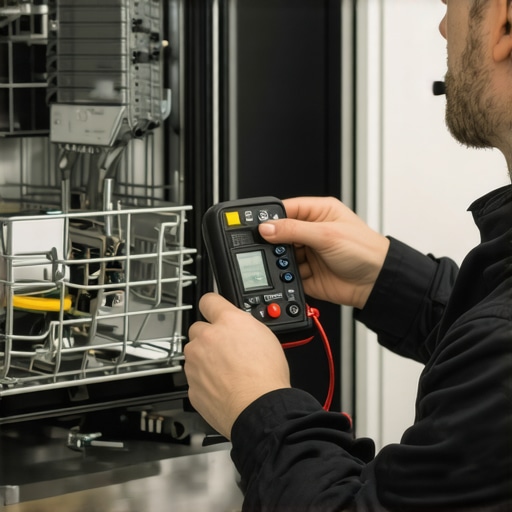
Having reliable tools is the backbone of effective appliance maintenance. I personally rely on a high-quality digital multimeter, specifically the Fluke 115—which offers pinpoint accuracy and durability that professionals trust. This device enables me to perform precise resistance and voltage tests on motor windings and sensors, ensuring that I catch issues early. Additionally, an infrared thermometer allows me to scan motor components and wiring harnesses for hotspots, revealing overheating spots that might not be visible to the naked eye. These tools have truly transformed my approach to maintenance, allowing me to diagnose problems without unnecessary disassembly or guesswork.
Scheduling Routine Inspections for Longevity
Consistent upkeep is essential for keeping your dishwasher in top shape. I recommend setting a monthly routine to inspect key areas—like the motor, sensors, and water inlet valves. Regularly cleaning the sump filter, as outlined in this guide, prevents debris buildup that can cause motor strain. I also use a flashlight to visually check for signs of wear or discoloration on electrical components, catching problems early before they escalate. Using a combination of visual inspections and quick diagnostic tests can significantly extend your appliance’s lifespan.
Tools That Simplify Complex Repairs
When repairs require more than basic maintenance, specialized tools make all the difference. For example, a toothpick can be surprisingly effective at clearing clogged spray jets, as explained here. For more complex issues, I use a service-grade circuit tester to verify electrical continuity and proper voltage delivery to components like the diverter motor. Furthermore, a digital error code reader helps decode cumbersome fault codes, allowing me to target the exact issue quickly. These tools don’t just save time—they can prevent unnecessary part replacements and help validate warranty claims under proper diagnostics (see how diagnostics can protect your warranty).
Predicting the Future of Appliance Maintenance
Trend-wise, I believe smart diagnostic tools integrated with IoT connectivity will become standard in household appliances. These systems will automatically alert homeowners to potential issues via smartphone apps, providing step-by-step troubleshooting guidance and even scheduling repairs proactively. Already, some high-end dishwashers can flag malfunctioning components before complete failure—an advancement I expect to see more widely adopted soon.
How do I keep my dishwasher in top shape over the years?
Routine inspections, using precise diagnostic tools, and promptly addressing early warning signs are key. Incorporating advanced testing methods like thermal scans or sensor diagnostics can make significant long-term differences in appliance health. Take this tip—try using an infrared thermometer to identify hotspots in your motor components. This proactive approach can save you from costly repairs and help preserve your warranty benefits (learn more about diagnostics for warranty protection).
The Hidden Traps That Keep Homeowners Guessing
One of the biggest lessons I’ve learned is that trusting generic advice can lead to costly mistakes. For example, assuming all warning signs are obvious might make you overlook the subtle clues your dishwasher gives before it fails. I’ve realized that mastering proper diagnostics isn’t just for professionals—it’s essential for every homeowner who wants to save time, money, and stress. Recognizing that a burnt smell or faint screech might be early warning signs rather than minor quirks changed my entire approach to appliance care.
Smart Tools Are Game Changers for Protecting Your Investment
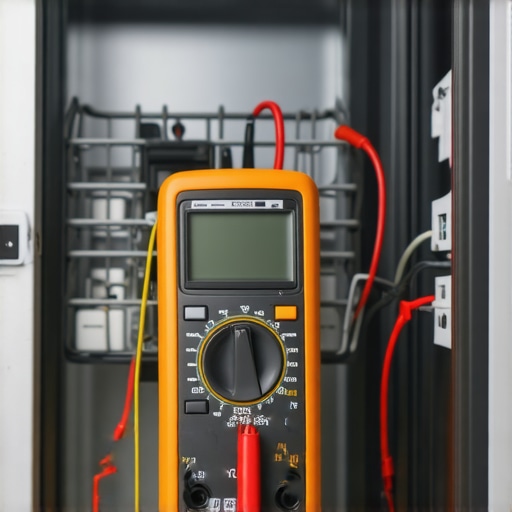
Tools like a quality digital multimeter and infrared thermometer have revolutionized the way I approach appliance troubleshooting. I trust brands like Fluke for reliability because they provide precise readings that help me understand my dishwasher’s health without guesswork. These tools have not only saved me from unnecessary replacements but also empowered me to catch issues early—before warranties are voided or repairs become unmanageable. Investing in the right diagnostic equipment is, in my opinion, the smartest step homeowners can take.
Take Action and Keep Appliances Running Longer
The future of appliance maintenance lies in being proactive, not reactive. Regular inspections, early diagnostics, and understanding sensor responses can extend your dishwasher’s lifespan significantly. I encourage you to start incorporating routine checks—like feeling for heat in motor areas or listening for abnormal sounds—to prevent small issues from snowballing. Remember, your dishwasher is an investment, and using proper diagnostic techniques will help preserve your warranty and save money in the long run. So, why wait for a breakdown when you can spot trouble early and act confidently?
Insider Wisdom: Lessons I Wish I Learned Sooner
- Never dismiss subtle noises or smells—they’re often the first hints of a motor overheating and failing.
- Knowing how to properly test with a multimeter and thermal scanner can prevent expensive repairs and warranty claim denials.
- Relying solely on warranty coverage without proper diagnostics can lead to unnecessary part replacements or voided warranties.
- Routine inspections and early intervention are your best tools for avoiding disaster and maintaining appliance longevity.
- Investing in quality diagnostic tools and learning their use makes you more self-reliant and confident as a homeowner.
Resources That Boost My Confidence in Diagnostics
- Proper multimeter techniques—Knowing how to test wiring and windings precisely is invaluable.
- Detecting motor issues by ear—Listening for early signs saves time and money.
- How diagnostics can protect your warranty—Understanding the fine print can prevent costly mistakes.
- Expert troubleshooting tips—Guidance from experienced technicians helps when DIY troubleshooting hits a wall.
Your Turn to Elevate Your Maintenance Game
Armed with the right knowledge and tools, you can take control of your dishwasher’s health, prevent unexpected failures, and maximize warranty benefits. The next time your appliance shows subtle signs of trouble, remember: early diagnostics don’t just save money—they give you peace of mind. So, are you ready to start paying closer attention to those quiet warnings and becoming your home’s appliance hero? Share your experiences or ask questions below—let’s learn together and keep our appliances running smoothly for years to come.