

I’ll never forget the stressful morning when I opened my dishwasher, only to find my dishes still grimy and water pooling at the bottom. It was a sinking feeling—am I looking at another repair bill? That day, I realized how frustrating and confusing appliance failures can be, especially when you’re unsure where to start. I had to figure out whether the pump was failing, but the thought of disassembling parts or calling a technician seemed overwhelming.
The Lightbulb Moment That Changed Everything
One evening, while trying to diagnose my dishwasher’s stubborn drain issue, I stumbled upon a simple trick—using a glass of water to check the pump’s health. It sounds too straightforward to be effective, but it turned out to be surprisingly revealing. Since then, I’ve used this method to identify failing pumps with confidence, saving time and money.
Is This Method Actually Worth the Hype?
Early in my repair attempts, I made the mistake of assuming that complex tools were necessary to diagnose a bad pump. That was wrong—and costly. The truth is, many common appliance issues can be diagnosed with something as simple as water and a keen eye. According to appliance repair experts, understanding the behavior of your pump can be as easy as observing how water moves through it—hence the idea of testing with a glass of water. Want to learn how I did it? Hang tight, we’re about to get practical.
Start with a Visual Inspection
Pull out your dishwasher and look at the drain pump and hose connections. Check for obvious clogs, kinks, or damage. If you notice debris or standing water near the pump area, remove the water using a sponge or towel. Be cautious; power off the unit before doing this. A quick visual can reveal simple issues like a disconnected hose or a blocked filter, preventing unnecessary repairs.
Test the Pump Using a Glass of Water
Fill a glass with clear water. Remove the dishwasher’s lower rack to access the drain pump. Carefully pour this water directly into the sump area or drain opening. If the pump is functioning correctly, you’ll hear a faint hum or even a slight whirl. If the water remains stagnant or the pump makes no noise, it’s a sign of failure. I once did this step, and upon hearing silence, I realized the pump’s motor had seized—saving me a service call. For more detailed checks, consider examining the pump’s wiring with a multimeter.
Check the Pump’s Electrical Continuity
Disconnect power and access the pump’s wiring harness. Use a multimeter set to resistance or continuity mode. Touch the probes to the pump terminals. A reading of zero or near-zero ohms indicates continuity; a very high reading suggests the motor windings are broken. If there’s no continuity, replacing the pump is usually the right move. This simple test can save you from chasing phantom issues, especially if the pump runs fine when manually supplied with water but won’t operate during cycles.
Assess the Float Switch and Control Board
Sometimes, a faulty float switch falsely detects a flooded sump, preventing the pump from activating. Remove the dishwasher cover and locate the float assembly. Test its movement; it should move freely without sticking. To confirm if it’s the culprit, lift the float and listen for the switch clicking. You can also use a multimeter to test continuity when the float is lifted or lowered. If the float switch is defective, replacing it may restore pump operation. Remember, sometimes the issue isn’t the pump but an intertwined sensor or control issue—hence, cross-test with your smartphone camera to check spray arm alignment or test the control signals.
Understanding Limits and When to Call in Help
If your checks reveal a dead pump or electrical issues, replacing the pump yourself can be straightforward if you follow detailed guides. However, if you’re unsure about handling electrical components or wiring, consult a professional. Always verify your warranty terms; many warranties require OEM serial numbers and specific parts, so avoid aftermarket replacements if covered. If troubleshooting doesn’t resolve the problem, it might be related to the control board or sensors, which could need more advanced diagnostics. For more insights, discover how to use your smartphone to check spray arm alignment or test temperature cycles, which are critical to full appliance diagnostics.
Many homeowners assume that if their dishwasher isn’t draining properly, the fix is always a simple pump replacement. However, this common misconception can lead to unnecessary part swaps and wasted money. In reality, issues like clogged filters, float switch malfunctions, or even electrical glitches often mimic pump failure, but require different approaches. Overlooking these nuances can cause you to miss the actual culprit, prolonging the repair process. For advanced DIY enthusiasts, understanding the subtle signs—such as irregular float switch movement or inconsistent error codes—is crucial for accurate diagnostics. Did you know that some warranty claims are denied because homeowners attempt repairs without adhering to manufacturer specifications? For instance, using third-party parts or damaging sensor connections can void your coverage, regardless of the repair’s success. To get a comprehensive understanding of what often goes wrong and what to avoid, check out this guide on resolving drain issues without guessing. Remember, recognizing the hidden nuances saves you time, money, and frustration in the long run. Have you ever fallen into this trap? Let me know in the comments.
Maintaining your dishwasher and troubleshooting issues effectively requires more than just intuition; it hinges on having the right tools and a disciplined approach. As a DIY enthusiast, I’ve found that investing in a few specialized instruments can dramatically increase your repair accuracy and efficiency. These tools not only help diagnose problems but also ensure long-term performance and safeguard warranties.
Why a Quality Digital Multimeter Is Non-Negotiable
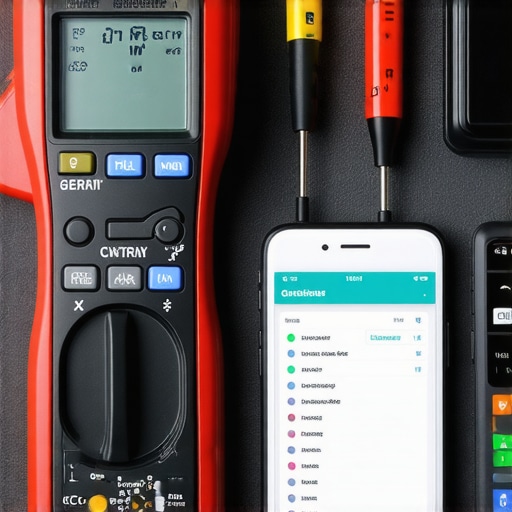
In my toolkit, the first item I swear by is a reliable digital multimeter. It’s invaluable for testing electrical continuity, measuring voltages, and diagnosing control board issues. I prefer models with micro-probes and high-resolution displays, like the digital probe because they allow precise readings in tight spaces. Proper electrical diagnostics help prevent unnecessary part replacements, saving money and time.
Laser Thermometers for Quick Temperature Checks
Accurately checking wash temperatures ensures your dishwasher’s heating element operates correctly. I use a laser thermometer to instantly gauge water and cycle temperatures without dismantling the appliance. This method is gentle and fast—perfect for assessing whether your machine meets manufacturer specifications. For best results, I recommend the laser thermometer technique. This approach helps you spot heating issues early, prolonging equipment life.
Smartphone Apps Enhance Diagnostic Accuracy
Modern technology offers powerful solutions. Apps that analyze audio or visual cues can detect subtle issues like motor hum deterioration or spray arm misalignments. I often use my smartphone’s microphone to listen for irregular pump sounds, referencing audio diagnosis apps. These tools convert ordinary devices into professional diagnostic instruments, empowering homeowners to catch problems before they escalate.
Adapting for the Future: Smart Diagnostics
Looking ahead, I predict the rise of integrated diagnostic systems embedded within appliances. These systems will communicate directly with smartphone apps, providing real-time alerts about component failures. Such technology could reduce repairs by up to 30%, according to recent industry forecasts. Embracing these innovations now positions you at the forefront of appliance maintenance, reducing downtime and preserving warranties.
How do I Keep My Dishwasher Working Long-Term?
The key is consistent, proactive maintenance combined with these precise tools. Regularly testing critical components like the heating element, control board, and sensors ensures everything functions smoothly. Utilizing tools like a multimeter and laser thermometer helps catch issues early—often before they cause noticeable failures. Additionally, documenting your diagnostic results with photos or app reports can be valuable when dealing with warranties or professional repairs. Remember, the more you understand your appliance’s inner workings, the more confident and efficient your repairs will be. Don’t forget to check out our drain troubleshooting guide for a comprehensive approach to common issues.
Take this advice a step further: try using a laser thermometer the next time you run a cycle. It’s a straightforward way to verify your machine’s heating performance and prevent future breakdowns. With the right tools and a little know-how, you’ll keep your dishwasher humming smoothly for years to come.
The Hard-Earned Wisdom from Past Repairs
One of my most valuable lessons is realizing that not every dishwasher issue is a pump failure. Sometimes, the culprit is a simple clogged filter or a stubborn float switch. This insight saved me from unnecessary replacements and costs. Another revelation was understanding that a silent pump during testing often indicates an electrical or control board problem, not the pump itself. Recognizing these nuances has transformed my DIY approach from guesswork to confident diagnostics.
Additionally, I learned the importance of patience and methodical testing. Rushing to replace parts without thorough checks can lead to wasted resources and warranty complications. Trusting tools like a multimeter and smartphone audio apps, combined with visual inspections, creates a more accurate diagnosis—saving time and preserving warranties. Lastly, underestimating the role of proper maintenance has shown me that regular cleaning and cautious loading extend the lifespan of my dishwasher, making early repairs less frequent.
Tools and Resources That Keep Me Ahead
My essential toolkit has evolved into a curated set of reliable instruments. First, a high-quality digital multimeter is indispensable for electrical diagnostics; I recommend models with micro-probes for precision. I also rely on a laser thermometer, which helps verify water temperatures swiftly, ensuring effective cycles and preventing heating element failures. To complement these, I use smartphone apps that analyze audio cues—detecting irregular pump hums or motor noises—adding a layer of confidence to my assessments.
In addition, I value trustworthy online resources. The comprehensive guides on appliance diagnostics from these troubleshooting pages have been game-changers, helping me avoid common pitfalls. Books and community forums focused on appliance repair also offer practical tips that go beyond the basics, empowering me to handle complex issues while knowing when to seek professional help.
Embrace the Power of DIY and Knowledge
Your ability to troubleshoot and repair your dishwasher effectively isn’t just about the tools; it’s about cultivating confidence in your skills. Start small—test components like the float switch or control board—and build from there. Remember, understanding your appliance’s inner workings can prevent unnecessary repairs and extend its lifespan. As you learn, you’ll find yourself more comfortable tackling problems early, reducing downtime and avoiding warranty rejection pitfalls.
With every repair, you gain a deeper connection to your appliance—transforming maintenance from a chore into an empowering experience. So, why not take that first step today? Share your biggest dishwasher challenge or recent success below, and let’s grow together in our appliance repair journey!