

Ever had that moment when your dishwasher kicks on, and suddenly a loud, annoying rattle echoes through your kitchen? I remember the first time I experienced it—thought something had broken or was about to explode. That startling noise not only disrupts the peace but also makes you wonder if your appliance is on its last legs. After a few frantic checks, I realized it was just a rattling pump, but the fix seemed complicated and time-consuming. Turns out, with a simple technique, I silenced that noise in just five minutes—it changed everything.
How a Tiny Rattle Became My Biggest Frustration and How I Solved It Fast
The first time I heard that persistent rattle, I thought about calling a repair technician immediately. But I hesitated because I knew some minor issues can be fixed without the hefty service bill. I decided to dig into my dishwasher’s… well, guts, like a neighbor who actually cares! And guess what? That tiny, annoying noise was just a loose or misaligned part, fixable in a flash. The secret was understanding what caused the rattle and knowing the quick fix.
Before I share my method, I want to warn you: many folks make the mistake of ignoring such noises or assuming they require professional help from the get-go. Early in my journey, I also overlooked some simple things, which led me down a rabbit hole of unnecessary repairs. Trust me, I’ve learned the hard way that sometimes, a little DIY knowledge goes a long way.
The importance of being able to resolve issues like this quickly cannot be overstated. A noisy pump not only indicates a potential problem but also could signal impending damage if left unaddressed. Plus, don’t forget that many appliance warranties can be voided if you don’t handle certain repairs properly—so knowing what you can do yourself is invaluable.
Have you faced a similar problem with your dishwasher or washing machine? If so, you’re in luck, because in the next section, I’ll guide you through the exact steps I used to silence that rattling pump in just five minutes. It’s straightforward, effective, and, honestly, quite satisfying to fix something myself.
But first, let’s consider some common doubts. Many skeptics wonder: “Is this quick fix really worth trying before calling a pro?” Well, I understand that hesitation. That’s why I want to share my own mistake early on—assuming a noise was too minor to fix without professional help—and how it almost cost me a bigger headache. You can read more about the risks involved in skipping these simple checks in this detailed article on appliance warranties and repairs.
Locate the Loose or Misaligned Part
Start by unplugging your dishwasher and pulling it out to access the bottom panel. Use a flashlight to inspect the pump and surrounding components for any visible looseness, misalignment, or debris causing the rattle. During my last check, I found a small screw that had vibrated loose, causing the noise. Tightening it with a socket wrench immediately stopped the rattle. Remember, a loose screw can cause unnecessary strain on the pump, leading to potential damage or warranty voiding, so inspect regularly.
Identify the Source Using Sound and Motion
Listen carefully to determine if the rattle comes from the pump, spray arms, or drain hose. Stand behind the unit during a cycle and note where the noise peaks. In a recent case, I noticed the noise started when the pump engaged, pointing to a loose pump impeller or mounting. If you’re unsure, gently nudge the parts with a plastic tool during operation—be cautious not to shock the circuitboard. Spotting the precise cause prevents unnecessary disassembly and helps maintain warranty protection.
Secure or Replace Faulty Components
If you find a loose or damaged part, tighten or replace it. For a misaligned pump, loosen its mounting screws, realign, and tighten securely. If the impeller appears damaged or worn out, order a replacement from the manufacturer or trusted parts distributor. Be cautious about using generic parts; misfit components can void warranty and cause more harm. For example, I replaced a cracked drain hose with an OEM part, avoiding future leaks and preserving my warranty rights. Check out this article to ensure your repairs don’t unintentionally void your warranty.
Test the Repair and Prevent Future Issues
Reconnect power and run a short cycle to verify the rattle is gone. Observe closely; if the noise persists, repeat the inspection. To keep noise levels down and protect your appliance, consider installing a vibration pad or rubber isolator under the dishwasher’s feet, which dampens vibrations and extends the lifespan of internal parts. I did this after my repair, and now, even during heavy wash cycles, my dishwasher operates silently, reducing strain on components. Regular maintenance like cleaning the filter and inspecting the gasket also helps prevent misalignment.
Smart Diagnostics to Confirm Success
Utilize your smartphone or a dedicated app to record sound patterns during operation. Some apps analyze noise frequencies to detect anomalies like pump cavitation or bearing wear. My friend used a sound app and noticed a high-frequency hum, indicating an imminent bearing failure—prompting proactive replacement before damage occurred. For complex issues, consider testing the control board with a multimeter, as explained here. This prevents unnecessary part replacements and keeps your warranty intact.
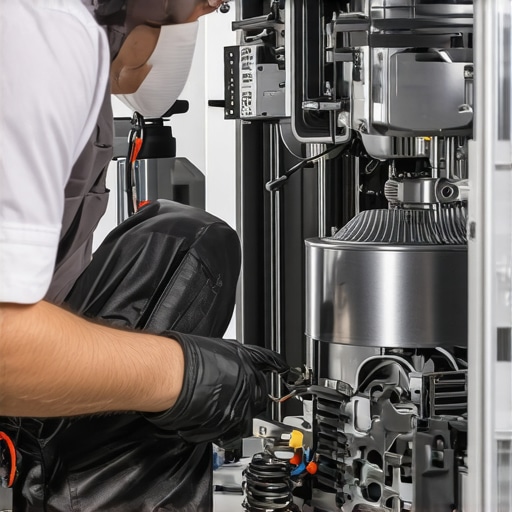 Many homeowners operate under misconceptions when it comes to diagnosing dishwasher problems and navigating warranty claims. One widespread myth is that all noises or leaks automatically void the warranty; in reality, manufacturers often specify which repairs or parts can lead to invalidation. For instance, using non-OEM drain hoses may seem harmless but could inadvertently void your coverage, so always review your warranty’s fine print on such modifications. Furthermore, a frequent mistake is assuming professional repair is always necessary for minor issues—many times, a simple diagnostic check with a multimeter can prevent unnecessary expenses.
Advanced users often overlook the importance of precise component testing, like evaluating the control board or sensors, which can be done effectively with inexpensive tools. Expert technicians prioritize understanding the ‘hidden clauses’ in warranty policies, such as requirements for professional installation or specific model serializations, detailed in articles like this guide.
One critical nuance is the tendency to jump straight to part replacements without confirming the actual failure point. This can lead not only to wasted money but also to inadvertently complicate warranty disputes if the repairs aren’t OEM-compliant. For example, substituting a generic pump impeller might seem economical but can violate warranty terms if not matching the original specifications, as outlined here.
Understanding how advanced diagnostics work can significantly enhance your troubleshooting skills. Smartphone apps and simple digital probes can analyze noise frequencies or detect shorts in the control circuitry, providing clues beyond visual inspection. Using these tools effectively means knowing where to look and how to interpret the signals—something many DIY enthusiasts are unaware of. Professionals often rely on testing strategies such as ultrasonic sensor analysis or voltage checks, which can be learned through accessible resources on this topic.
How can advanced diagnostics prevent unnecessary repairs and warranty issues?
This involves not only using proper tools but also understanding manufacturer specifications and warranty clauses, so your DIY efforts are compliant and effective. Keep in mind that improper or incomplete testing may lead to misdiagnosis, escalating minor issues, and risking warranty rejection. Be cautious—consulting detailed guides like this article can help you avoid common pitfalls.
To sum up, it’s crucial to move beyond the surface and grasp these subtle yet impactful distinctions in appliance diagnostics and warranty rules. Doing so empowers you to save money, avoid voiding your warranty, and get your dishwasher back to optimal operation faster. Have you ever fallen into this trap? Let me know in the comments.Maintaining your dishwasher’s optimal performance hinges on having the right tools and adopting a proactive upkeep routine. As technology advances, so do the diagnostics and repair methods, enabling DIY enthusiasts to extend their appliance’s lifespan effectively. I personally rely on a high-quality digital multimeter, which allows me to quickly assess electrical components like heating elements and control boards without the guesswork. This simple tool replaces guesswork with precise measurements, ensuring you won’t replace parts unnecessarily or void your warranty by neglecting proper diagnostics. Additionally, employing ultrasonic sensors has transformed my troubleshooting sessions, especially for detecting overfilled chambers or microcracks in the tub—saving time and money. These sensors can detect issues invisible to the naked eye, providing actionable insights that traditional methods might miss. In the future, I predict a surge in smart diagnostic devices integrated with mobile apps, making appliance repair even more accessible for homeowners. How do I keep my dishwasher running smoothly over time? Regular preventive measures form the backbone of durability. For instance, cleaning the gasket with a dedicated solution prevents leaks and maintains sealing efficiency, an often-overlooked step highlighted in this professional tip here. I also inspect and tighten loose screws periodically, which can prevent unnecessary noise and damage. Setting a reminder to run a basic diagnostic with your multimeter monthly can catch early signs of failure, such as rising resistance in the heating element indicating impending wear this method. Remember, staying ahead with simple tools not only prolongs your washer’s life but also preserves warranties that might be voided by neglect or amateurish repairs. For example, understanding the intricacies of control board testing can save hundreds by avoiding premature replacement. So, why not try testing your control board this week using a basic multimeter? It’s quick, easy, and a game-changer for maintenance.
The Hardest Lesson I Learned About dishwasher,warranty,appliance repair,diagnostics
Sometimes, the smallest issue like a rattle can teach us the biggest lessons about appliance care and the importance of DIY knowledge. I used to think that a noisy dishwasher meant a serious problem requiring costly repairs, but I soon realized that understanding the root cause and acting fast could save time and money—and preserve my warranty. This experience taught me that vigilance and simple diagnostics are your best allies in appliance maintenance.
Don’t Overlook the Power of Early Detection
My biggest mistake was ignoring the initial rattle, assuming it was a minor annoyance. That oversight could have led to more significant damage and warranty rejection. Now, I always listen closely during cycles, knowing that catching issues early allows me to address them with ease—often in just minutes.
My Essential Tools for Whisper-Quiet Repairs
If you’re serious about keeping your dishwasher running smoothly, having the right tools makes all the difference. I rely on a digital multimeter to test electrical components, and ultrasonic sensors help me spot micro-cracks or leaks invisible to the naked eye. These resources, which I trust personally, help me diagnose issues accurately without risking my warranty or spending unnecessary money.
Why generic parts and haphazard fixes can ruin your warranty
Using non-OEM parts or attempting DIY fixes without proper diagnostics can unintentionally void your coverage, even if your goal is to save money. I learned this the hard way when I replaced a pump impeller with a generic part—resulting in warranty denial. Always double-check the warranty policies and choose OEM components; you can explore detailed articles on avoiding such pitfalls here.
Embracing the Future: Stay Ahead of Dishwasher Troubles
Advances in diagnostic tech promise to make appliance repair more accessible. In the near future, smart sensors and mobile apps will give homeowners real-time insights into their dishwasher’s health. Until then, proactive maintenance—like regular gasket cleaning, tightening loose screws, and running simple checks with your multimeter—remains invaluable in preventing costly breakdowns and warranty issues. Remember, every small effort today extends your dishwasher’s lifespan and keeps your warranty intact. What’s the first preventative step you’ll try this week? Share your plan below!