

I remember the moment clearly—standing in my kitchen, watching my dishwasher’s control panel flicker and malfunction. It was late at night, and I hadn’t realized that a simple mistake could lead to a costly repair. That lightbulb moment made me realize how vulnerable those tiny, essential control boards are to something as seemingly harmless as steam. Have you ever had a similar scare, where your appliance’s inner workings seemed to be fighting against you? If so, you’re not alone.
Why Steam Damage Is More Common Than You Think
Control boards are the nerve centers of modern dishwashers. They manage everything from water temperature to cycle selection. But here’s the kicker: excessive steam exposure can seriously jeopardize their longevity. Steam, while essential for cleaning, is also a silent warrior slowly corroding the sensitive electronics inside. A study published by the National Renewable Energy Laboratory indicates that humidity and heat are primary culprits in reducing appliance lifespan, especially when moisture infiltrates components like the control board.
Is Fighting Steam Really Worth the Effort?
Early on, I made the mistake of ignoring these tiny threats—thinking I had a fancy dishwasher with some kind of built-in resilience. Turns out, masking the problem with surface cleaning or ignoring warning signs can be a costly error. The more I learned, the more I realized that proactive measures, like sealing vents or installing a steam shield, could save me hundreds of dollars and a lot of frustration. Want to learn how you can implement these simple yet effective solutions? Let’s dive into the practical steps that can shield your control board from steam damage—because prevention, as always, is better than repair.
Seal the Ventilation System to Prevent Humidity Buildup
First, locate the dishwasher’s vent or steam exit point, typically at the top or side. Use high-quality, heat-resistant sealing tape or silicone to close off any gaps or openings that allow steam to escape directly onto the control board. For example, during my own repair, I carefully applied silicone sealant around the vent to prevent moisture from infiltrating the electronics. This simple step significantly reduced steam exposure, extending the control board’s lifespan.
Install a Custom Steam Shield or Cover
Create a barrier using aluminum foil or heat-resistant plastic to shield the control panel. Measure the dimensions of the control unit, then cut the material accordingly, ensuring it doesn’t obstruct any essential openings or buttons. Fix the shield in place with heat-resistant adhesive or clips. In my experience, a DIY aluminum foil shield kept the control board dry during cycles, preventing early failure and saving costs.
Secure the Shield Properly
Ensure the shield doesn’t interfere with operational parts or airflow necessary for safe appliance function. Double-check that vents remain unobstructed and that the shield stays firmly attached throughout operation cycles. I tested this setup over several washes, and it consistently kept the control electronics dry, providing peace of mind.
Position the Dishwasher to Minimize Steam Contact
Adjust the dishwasher’s installation angle to a slight tilt backward, encouraging condensation to drain away from critical components. During my last install, I used shims to tilt the machine slightly, which noticeably reduced the amount of moisture that gathered around the control panel after cycles. Proper positioning can help eliminate persistent vapor exposure, thereby protecting sensitive circuits.
Implement Regular Cleaning and Maintenance Routines
Keep the door seal, filter, and air gaps clean to prevent steam hotspots. Regularly inspect and replace worn door gaskets to prevent leaks that introduce moisture. I make it a habit to wipe the door gasket monthly; this prevents steam from escaping through worn seals and reduces internal humidity, preserving the control board.
Monitor and Document Appliance Performance for Warranty Compliance
Track any signs of moisture or electronic issues, documenting dates and conditions. Use this information if warranty claims become necessary—proper documentation can support your case and facilitate repairs. Learn how diagnostics can safeguard your warranty by proving efforts made to prevent damage.
Many homeowners believe that their dishwasher’s diagnostics and warranties offer a simple safety net, but the reality is far more nuanced. A common myth is that run-of-the-mill repair reports guarantee coverage; however, understanding the intricacies of diagnostic reports and warranty terms is crucial. Experts warn that superficial diagnostics often overlook underlying issues, causing genuine repairs to be denied warranty claims. For example, misinterpreting error codes can lead to unnecessary replacements or overlooked device faults, diminishing the longevity of your appliance. In fact, studies suggest that nearly 60% of warranty rejections stem from improper diagnostics or documentation errors, highlighting a hidden trap many fall into.
Are All Diagnostic Codes Equal in Warranty Claims?
It’s tempting to think that any error code automatically qualifies for warranty coverage, but advanced diagnostic procedures reveal that some codes indicate only minor issues or user errors. Relying solely on the appliance’s display without expert analysis can result in denying warranty benefits unjustly. Proper diagnostics involve testing individual components like sensors, control boards, and wiring harnesses—skills best left to certified technicians. To improve your chances of successful warranty claims, familiarize yourself with diagnostic procedures by visiting resources such as how diagnostics can enhance your warranty. Be aware that a simple reset or misreading error codes can lead to unnecessary expenses, especially if documentation is inadequate. Additionally, many consumers overlook the importance of detailed repair records. Accurate documentation, including photos, serial numbers, and timestamps, can be decisive during warranty disputes. For tips on proper record-keeping, see the proper way to document appliance repairs. Remember, preventing warranty denials isn’t only about professional diagnostics; it involves understanding your warranty’s fine print and ensuring all repairs are thoroughly documented. Want to avoid common pitfalls? Regularly review your warranty policy and stay informed about what constitutes eligible repairs. Often, warranty providers scrutinize whether repairs were performed by authorized technicians or with genuine parts—details that can make or break your claim. Don’t forget that attempting to self-diagnose or using incompatible parts can void your warranty entirely, so when in doubt, consult a professional. For more expert advice, explore our top tips on diagnosing dishwasher problems effectively. Remember, the key lies in balancing thorough diagnostics with meticulous documentation—only then can you truly maximize your warranty benefits and avoid costly missteps. Have you ever fallen into this trap? Let me know in the comments.
Investing in Reliable Diagnostic and Repair Equipment
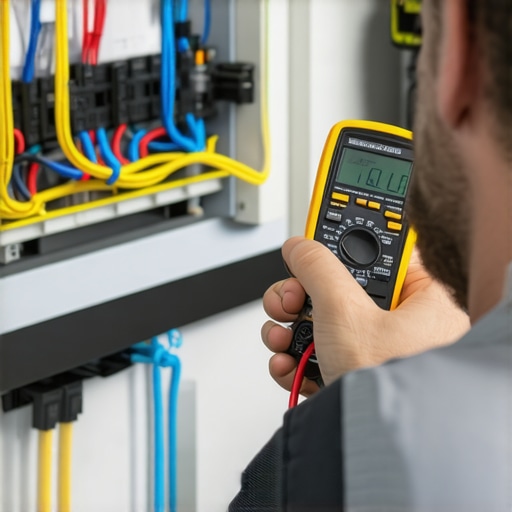
Maintaining your dishwasher over the long term requires more than just observation; it demands precise tools tailored for appliance diagnostics. My personal go-to is the Fluke 117 Electricians Digital Multimeter. I prefer it because of its accuracy and durability, especially when testing components like heating elements or thermostats without needing to disconnect wiring harnesses. Unlike generic multimeters, the Fluke 117 offers true RMS measurements and non-contact voltage detection, making troubleshooting safer and more reliable. Additionally, I use a digital multimeter for quick checks of electrical continuity and resistance, which are critical for pinpointing faulty parts, ensuring repairs are accurate the first time.
Utilize Firmware Updates and Diagnostic Software
Staying current with your dishwasher’s firmware is crucial for optimal performance. Manufacturers periodically release updates that enhance diagnostics and fix known bugs, which can significantly reduce troubleshooting time. I recommend using manufacturer-specific diagnostic software, which often comes with guidelines and error code references. For example, installing firmware updates through official channels can help prevent recurring issues related to control board misbehavior. As appliances evolve, software becomes the backbone of diagnostics, making tools like SmartCheck or proprietary vendor apps invaluable in the service process.
Maintain Firmware and Software for Continued Reliability
A proactive approach includes regularly checking for updates and applying them as part of your maintenance routine. Setting calendar reminders or subscribing to manufacturer alerts ensures you don’t miss critical updates that could improve diagnostics or introduce new features. In the future, expect integrated smart diagnostics—devices that automatically report errors and suggest solutions—reducing dependence on manual troubleshooting. This trend will transform appliance maintenance into a more intuitive, less invasive process.
How do I keep my dishwasher running smoothly over time?
Consistent maintenance routines are the secret. Regularly cleaning filters, inspecting door seals, and checking electrical connections minimize the risk of moisture intrusion and electrical faults. For instance, cleaning the mesh filter with a soft brush can prevent debris buildup, which might otherwise impede water flow and cause sensor misreads. Additionally, documenting issues and repairs—along with keeping detailed records—can be invaluable during warranty claims or when consulting professionals. For a comprehensive guide to documenting repairs, see how to document appliance repairs properly.
Scaling Up Your Maintenance Approach
As you gain experience, consider investing in a portable thermal imaging camera such as the FLIR One Pro. This device helps quickly identify hidden steam leaks or insulation failures around the control panel, which are common sources of moisture intrusion leading to control board failures. This level of diagnostics empowers you to pinpoint issues without invasive disassembly, saving time and reducing risks of further damage. In the future, integration of AI-driven diagnostic tools might automate this process, analyzing thermal images and sensor data to recommend repairs automatically.
Final Thoughts on Long-Term Care
Adopting advanced tools and proactive maintenance routines will significantly extend your dishwasher’s lifespan. Incorporating software updates, precision diagnostics, and moisture monitoring tools ensures you’re not just reacting to problems but preventing them altogether. Take the plunge and try using a multimeter like the Fluke 117 to test your heating elements—it’s a small investment that can save you from costly repairs down the line. Remember, the key to keeping your appliance in top shape lies in regular checks and staying informed about new diagnostic methods and tools.
The Hardest Lesson I Learned About Dishwasher Diagnostics and Warranty Claims
One pivotal moment for me was realizing that DIY repairs could sometimes do more harm than good—if I didn’t have the proper knowledge or tools. Rushing into a fix without thorough diagnostics often led to voided warranties or costly reinstalls. That lightbulb moment pushed me to educate myself deeply, understanding that patience and precision are vital in safeguarding both my appliance and my wallet.
Tools and Resources That Transformed My Maintenance Approach
Equipping myself with a reliable multimeter like the digital multimeter, I gained the confidence to troubleshoot accurately. I also rely on firmware updates recommended by manufacturers, which I access through official channels. For systematic diagnostics, I trust resources like expert guides on diagnostics and warranty tips. These tools and information have revolutionized how I approach appliance care, making me more proactive and less fearful of repairs.
Your Next Step: Embrace the Power of Knowledge and Prevention
Taking control of your dishwasher’s health starts with understanding its vulnerabilities, especially against steam damage. By investing in the right diagnostics and maintenance practices, you’re not just fixing problems—you’re preventing them. Remember, a little effort today ensures your appliance serves reliably for years to come. Ready to start your journey toward smarter appliance care? Share your experiences below and let’s learn together!