

Ever had that sinking feeling when you open your dishwasher and see water pooling at the bottom, refusing to drain no matter how many cycles you run? I’ve been there, stuck in a frustrating loop of rinsing and hoping, only to realize I was ignoring a simple mistake that could have saved me time—and a little dishware damage. That lightbulb moment hit me when I noticed my dishwasher’s stubborn refusal to drain within five minutes, turning a once straightforward task into a mini-flood in my kitchen.
Why This Problem Sends You Running for the Hills
When your dishwasher refuses to drain promptly, it’s more than just an annoyance. Left unresolved, water can stagnate, creating bacteria and unpleasant odors, and even risking water damage to your flooring. Plus, it hampers your dishwasher’s ability to clean effectively; standing water leads to dirty dishes that sit in a damp, grimy environment. It’s a real mood-killer, especially when guests are coming over or your schedule’s packed. And let’s face it—no one wants to hand-wash all those dishes just because the machine is being stubborn.
Is Your Dishwasher’s Drain Issue Really Worth Worrying About?
This is precisely where initial doubts creep in. Maybe you think it’s just a minor clog, or perhaps you’re convinced a call to the pros is your only option. Believe me, I made that mistake early on—sent a repair tech out, only to find that I could’ve fixed it myself with a little knowledge. The key is understanding what’s causing the blockage or malfunction. Trust me, the majority of drain problems stem from simple issues like a clogged filter or a kinked hose, not a costly repair. Actually diagnosing the problem is usually straightforward once you know where to look, which is why I recommend checking out resources like this guide.
Now, the question is—have you faced this specific problem with your dishwasher? If yes, you’re not alone, and more importantly, you’re not powerless. Let’s dive into the first steps to get your dishwasher draining like new again, starting with the simple checks that could save you from… well, an unnecessary service call and expense.
Check the Dishwasher Filter
Start by locating the filter at the bottom of your dishwasher—usually under the spray arm. Remove it carefully, and inspect for debris or soap scum buildup. In my experience, a clogged filter was the culprit; I once found a tangled sleeve causing a full blockage, which I cleared with a simple brush. Rinse the filter thoroughly and reassemble. This quick step often restores proper drainage without fuss.
Inspect the Drain Hose for Kinks and Clogs
Next, examine the drain hose connecting your dishwasher to the plumbing. Kinks or twists can prevent water flow, leading to pooling. I once moved my dishwasher slightly and noticed a twisted hose behind it, which I straightened. Also, disconnect the hose to check for clogs—use a long brush or pipe cleaner. Clear any obstructions and ensure the hose sits without sharp bends. A smooth, unobstructed hose can dramatically improve drainage efficiency.
Test the Drain Pump and Float Switch
The drain pump pushes water out, but if it fails or the float switch misreads, drainage halts. To diagnose, listen for the pump’s hum during draining; if silent, it might be dead or obstructed. I used a multimeter to test continuity on the pump, and after replacing a faulty unit, my dishwasher drained perfectly. Additionally, check the float switch—usually a small ball or tab that triggers the pump. Remove any debris covering it or test it with a simple push; if it doesn’t move freely or remains stuck, cleaning or replacing it is necessary. For more on testing switches safely, visit this guide.
Examine the Check Valve and Pump Area
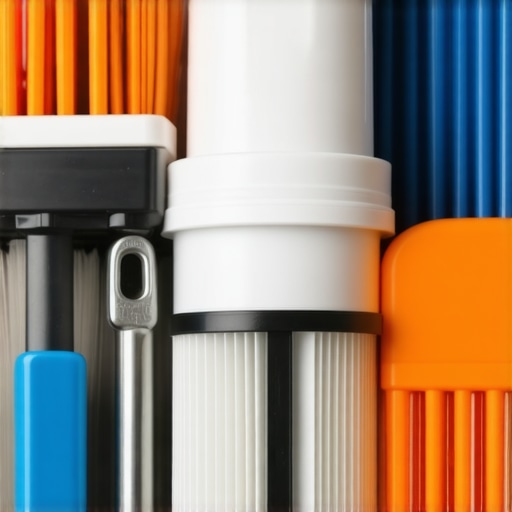
Sometimes, water can’t leave due to a stuck or damaged check valve—part of the drain system that prevents backflow. Remove the lower panel to access this component, and look for debris or damage. In one instance, I found the check valve clogged with rice grains; cleaning it restored proper flow. Ensure the valve moves freely and replace if it’s cracked. This often overlooked step resolves stubborn drainage issues that hide behind the scenes.
Perform a Manual Drain Test
If all else checks out, attempt to manually drain your dishwasher. Use a turkey baster or siphon to remove standing water—be cautious to avoid spills. If water remains stubbornly trapped, it might indicate a faulty pump or a defective control board. For complex diagnostics, professionals have specialized tools, but many issues stem from simple blockages orfailed sensors. To understand more about appliance diagnostics and warranty implications, see this resource.
Many homeowners assume that a simple complaint like a dishwasher not draining points directly to a faulty pump or clogged hose, and that warranty will cover all repairs. However, this oversimplification often leads to misdiagnosis and missed opportunities for effective, cost-saving solutions. True expertise lies beyond the basics; it involves understanding subtle nuances that can make or break your repair success.
One common misconception is that warranty coverage is absolute. In reality, manufacturers frequently include fine print about exclusions—such as improper maintenance, incorrect installation, or the use of incompatible cleaning products—that can void your coverage. Being aware of these clauses requires diligence; I always recommend reviewing your warranty policy thoroughly, like on our privacy policy, to understand your actual protections.
Another overlooked nuance involves the diagnostics process itself. Many people think that simply observing the absence of water flow confirms a pump failure. But advanced diagnostics, like testing the continuity of the drain solenoid or checking the float switch’s responsiveness, can reveal more intricate issues—sometimes caused by faulty control boards or sensor misreads. Studies from industry experts underscore that proper diagnostic procedures significantly increase repair success rates and protect warranty benefits, as detailed here.
Why does rushing diagnostics often lead to costly mistakes?
In my experience, many homeowners bypass critical steps—like cleaning the filter thoroughly or inspecting for tiny debris–assuming that these are minor or unrelated factors. This rush frequently results in unnecessary replacements or warrantless claim denials. It’s vital to perform systematic diagnostics, embracing a step-by-step approach, to avoid these pitfalls. According to appliance repair veterans, neglecting foundational checks can compromise warranty eligibility and lead to more expenses.
Furthermore, many assume that warranty companies always send technicians for minor issues. This isn’t true—if the problem is a simple clog or debris, the manufacturer often expects you to troubleshoot and resolve it yourself first. Being equipped with knowledge from reliable resources like this comprehensive guide can help you make informed decisions and preserve your warranty rights.
Lastly, understanding the limitations of diagnostic tools is crucial. For instance, a multimeter might show continuity even in a partially damaged wire—leading to false confidence. Advanced diagnostics, like using a borescope or conducting leak tests, can reveal hidden issues that standard tests miss. Recognizing these subtleties ensures you address the real problem, saving time and money.
Have you ever fallen into this trap? Let me know in the comments. Mastering these nuanced aspects of appliance diagnostics and warranties empowers you to tackle repairs confidently, avoid costly mistakes, and maximize your warranty benefits—so next time your dishwasher acts up, you’ll know exactly how to proceed.
Investing in Quality Diagnostic Tools for Long-Term Reliability
When it comes to maintaining your dishwasher, having the right tools can make all the difference. I personally rely on a high-precision digital multimeter, which allows me to test components like the drain pump, float switch, and control board with confidence. A quality multimeter, such as the Fluke 117, provides accurate readings and durability, crucial for diagnosing subtle electrical issues that can cause drainage problems or erratic cycles. Additionally, a borescope can be invaluable for visually inspecting hard-to-reach areas like the internal hoses and check valves—saving hours of disassembly and guesswork. These tools are not only essential for troubleshooting but also serve as investment pieces that extend your appliance’s lifespan by enabling proactive maintenance.
Keeping Your Dishwasher Running Smoothly Over Time
Routine maintenance is your best safeguard against costly repairs. Regularly cleaning the filter and removing debris from the sump area prevents clogs that can lead to drainage failures. Using a soft brush or a toothbrush, I often scrub the filter during scheduled deep cleanings; this simple step keeps the drainage system clear and reduces the likelihood of standing water. Another key practice is to check and clean the inlet valve and spray arms, ensuring they are free from mineral deposits and obstructions. Don’t forget to run a descaling cycle with vinegar or a commercial descaler every three to six months, especially if you have hard water, to prevent mineral buildup that affects performance. These proactive steps align with expert advice from industry professionals and help maintain efficiency and longevity.
Scaling Up: How to Prepare for Bigger Repairs
If your dishwasher begins to show signs of declining performance—like longer cycle times or incomplete washing—it’s time to consider more comprehensive diagnostics. Having backup parts like replacement drain pumps or control boards on hand can reduce downtime. When ordering these parts, always verify compatibility and quality; I recommend sourcing original manufacturer components or high-quality aftermarket replacements from trusted suppliers. Maintaining detailed records of repairs, serial numbers, and purchase dates also streamlines warranty claims and future troubleshooting. As appliance technology advances, integrating smart diagnostics—like Wi-Fi-enabled sensors—may become the norm, allowing remote monitoring and proactive alerts. Staying ahead of these trends can save you money and frustration in the long run.
What’s Next in Appliance Maintenance? Predictive Care via Smart Tech
Looking ahead, the industry is moving toward interconnected appliances that can self-diagnose and notify homeowners of issues before failure occurs. These innovations promise to revolutionize DIY maintenance, making it more accessible and effective. I predict that within the next few years, smart diagnostic tools will become standard, not just luxury extras. Approaching maintenance with a blend of reliable hardware, such as a durable multimeter, and savvy software—like diagnostic apps—will empower homeowners to extend appliance life and safeguard warranties more effectively. For now, I encourage you to try implementing preventative measures like scheduled filter cleaning and early component testing. For example, regularly testing your float switch with a simple pencil, as described here, can prevent overflows and costly repairs. Start small, and watch how preventative care transforms your appliance maintenance routine.
Lessons the Manuals Won’t Tell You About Unclogging Dishwashers
One of the most profound lessons I learned is that many drain issues are caused by simple, easily overlooked problems like tiny debris or incorrect installation angles—issues that aren’t always covered thoroughly in official guides. I used to think that replacing the pump was the only solution, but after some hands-on testing, I realized that a thorough check of the float switch and check valve often solved the problem faster and more cost-effectively. Patience and attention to detail are your best allies when troubleshooting drainage issues; rushing can lead you down costly, unnecessary repair paths.
Top Tools That Have Transformed My Diagnostic Approach
If you’re serious about fixing drainage problems yourself, investing in a high-quality multimeter or a borescope was a game-changer. I trust brands like Fluke for their accuracy, which is crucial when testing pump continuity or control board signals. A borescope allows me to peek inside hoses and check valves without disassembling everything—saving time and preventing accidental damage. These tools are worth their weight in gold for anyone looking to perform reliable, in-depth diagnostics, saving you from unnecessary service calls and improving your warranty claims.
Embracing the Power of Proactive Care
Don’t wait for your dishwasher to flood your kitchen before taking action. Regularly inspecting and cleaning the filter, ensuring hoses are free of kinks, and testing key components like the float switch can dramatically reduce the likelihood of drainage failures. Remember, a little preventative effort now can prolong your appliance’s lifespan and save you money in the long run. My personal routine includes monthly filter cleaning and seasonal hose checks—simple steps that keep my dishwasher running smoothly and help me catch issues before they escalate. Good maintenance aligns with industry tips and expert advice, leading to fewer headaches down the line.
Ask Yourself Before You Fix: What’s Hidden Beneath the Surface?
Whenever my dishwasher balks at draining, I ask myself: Is this really just a clog, or is something else at play, like a malfunctioning control board or sensor? This mindset shift has saved me from unnecessary replacements. I recommend applying a systematic diagnostic approach—starting with the basics and then moving on to electrical tests—before jumping to conclusions. Take the time and invest in proper testing; it’s the best way to protect your warranty and ensure you’re addressing the root cause. Remember, sometimes the tiniest debris or a slight misalignment can be the culprit, and thorough internal inspections can reveal these hidden issues. For a comprehensive guide on diagnostics, check out [this resource](https://applianceoutletpro.com/how-appliance-diagnostics-can-save-your-warranty-benefits).