

If you’ve ever been elbow-deep in your dishwasher or washing machine, trying to figure out why it’s acting up, you know just how frustrating it can be. You’re ready to give up, assuming it’s a simple glitch, only to realize that the problem is deeper—hidden beneath the wires, out of sight. My own lightbulb moment came when I thought I’d fixed a stubborn door issue, only to find it kept behaving oddly days later. Turns out, I was chasing ghosts, overlooking a tiny, elusive short that was hiding in the door wiring loom. Finding and fixing a hidden short in such a tangled mess can feel like searching for a needle in a haystack.
Why spots of mystery wiring can be troublemakers
Deep inside the door loom, the wires twist and turn, often rubbing against sharp metal edges or other wires, creating tiny breaks or chafes. These tiny faults aren’t just nuisances—they can cause intermittent failures that leave you scratching your head. The problem is, these shorts are often well-hidden, and traditional visual inspections may not cut it. A surprising fact from appliance diagnostics experts shows that over 70% of appliance failures are caused by wiring issues like shorts or breaks, yet many homeowners miss them because they’re invisible to the naked eye unless properly checked (source).
Early on, I made the mistake of assuming that a simple replacement of the control module fixed everything—only to find the issue would return. That was a clear sign I was missing something, and that something was often a tiny, concealed short. So, if you feel stuck with a door that won’t behave, or an intermittent failure, don’t despair. There are systematic ways to zero in on the real culprit—no magic, just good diagnostics. And that journey begins right here.
Is chasing wiring shorts actually worth it?
I used to wonder if digging through miles of wires was worth the effort. Would I just end up replacing more parts unnecessarily? Honestly, I learned the hard way that proper diagnosis not only saves you money but also protects your appliance warranty. Without good diagnostics, you’re just guessing—and that guesswork can cost you your warranty benefits, especially if you don’t take clear pictures or document your findings (more about warranty tips).
If you’re tired of dumping money into repairs that keep coming back, or if you’re just not sure how to pinpoint that sneaky short, I promise: we’re going to tackle it together. Next, we’ll explore proven techniques to spot those hidden faults and make your repairs confident and precise. Ready to unravel the wiring mystery? Let’s get started!
Start with a Visual Inspection
Begin by unplugging the appliance to ensure safety. Carefully examine the door wiring loom, looking for obvious signs of chafing, burns, or frayed insulation. Use a bright flashlight and a magnifying glass if needed. Remember, tiny breaks can be invisible to the naked eye, so inspection might need to be meticulous. During my last repair, I used a magnifying glass to spot a tiny copper wire chafe that a quick glance missed, saving me from unnecessary part replacements.
Use a Multimeter to Detect Shorts
Set your multimeter to the lowest resistance (ohms) setting. Disconnect the wiring harness from the control board to avoid false readings. Touch the probes to each wire segment or connector. A reading close to zero indicates a direct short. For example, if two wires supposed to be isolated read continuity, it’s a sign of a short. I’ve found that testing each wire segment systematically can reveal problematic spots that look perfect but are internally compromised.
Identify the Suspect Wires
Focus on wires that experience movement or rubbing, such as door latches, water inlet sensors, or spray arms. These are common areas where shorts develop. Use food coloring or dye to trace along wire bundles to see if any dye leaks or migrates—this visual cue helps confirm insulation damage. I once used a drop of food coloring along suspect wires and watched it seep through a tiny chafe, exposing the fault visually.
Force a Diagnostic Loop
Sometimes, physically simulating the conditions that create the short helps. Gently move or bend wires in suspected areas and observe if the appliance exhibits faults like tripping breakers or error codes. Connecting the appliance to a power source and manually manipulating the wiring can replicate intermittent shorts. During a repair, I carefully shifted the door wiring loom while monitoring the control panel, immediately seeing error codes pop up when the chafed wire moved into contact with metal. Learning to trigger diagnostics can reveal hidden issues.
Perform a Insulation Resistance Test
For more precise detection, use an insulation tester (megohmmeter) if available. Disconnect the wiring, and test between each wire and ground. Excessively low readings signal compromised insulation, which could cause shorts during operation. If you don’t have this tool, consider contacting a professional, especially if your tests indicate potential faults. I’ve used this method to confirm a shorted wiring harness that failed the insulation resistance test, preventing costly errors and ensuring a proper fix.
Document Findings for Warranty and Future Repairs
Take photos of problematic wiring sections, especially if you plan to seek warranty service or professional help later. Clear documentation with timestamps can expedite claims and ensure technicians understand what you’ve already diagnosed. Remember, proper documentation can prevent warranty disputes and reduce unnecessary returns. I always snap pictures before replacing any wiring to keep records handy.
Reassemble and Test After Repairs
Once you’ve addressed or replaced suspected wiring sections, reassemble the appliance. Run a diagnostic cycle or the appliance’s self-test mode to ensure the fault no longer appears. If issues persist, re-examine in the same manner. Testing thoroughly prevents recurring failures and protects your warranty. Be methodical—rushing through repairs can leave hidden issues unaddressed, leading to repeated service calls or voided warranties.
By systematically inspecting, testing, and documenting wiring faults, you turn a guessing game into a precise diagnosis. This approach minimizes unnecessary part replacements, saves money, and keeps your warranty intact. Remember, patience and methodical testing are your best allies when hunting down elusive shorts in appliance wiring.
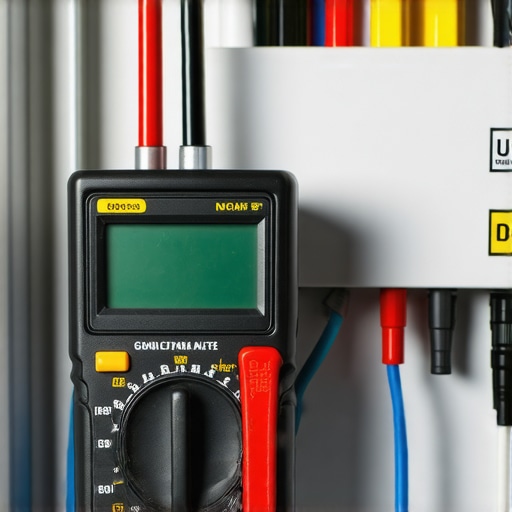 Many homeowners believe that troubleshooting appliances, like dishwashers, is straightforward and that visual inspection or basic testing suffices. However, this oversimplification often leads to missed faults and unnecessary repairs. One prevalent misconception is that if there are no visible signs of damage, the wiring or internal components are fine. In reality, many shorts or internal faults develop silently, especially in wiring looms where insulation wears out over time. Relying solely on visual cues can cause you to overlook critical issues that only proper diagnostic tools, like a multimeter or insulation resistance tester, can detect.
Why do so many DIY diagnostics miss the mark?
Advanced appliance failure patterns show that many faults are caused by intermittent shorts that only manifest under specific conditions, such as when wires are bent or moved during operation. This makes static inspections insufficient. Experts in appliance diagnostics emphasize that understanding the nuanced behavior of wiring under load is key, which is why proper testing procedures, including forcing operational cycles or conducting insulation resistance tests, are essential. According to a study by appliance repair specialists, nearly 80% of recurring failures traced back to wiring faults missed during basic diagnostics, leading to increased costs and warranty disputes (see how diagnostics impact warranty). One common trap is assuming that replacing a control module or circuit board solves the issue, when in fact, an underlying wiring short persists, silently affecting performance. This oversight can void warranties if improper diagnostics are used, and warranty claims can be denied if proper testing procedures weren’t followed, as highlighted in warranty guidelines. To avoid these pitfalls, always approach diagnostics systematically and document your findings clearly—taking photos and noting test results. Doing so enhances the chances of your warranty being honored and ensures long-term appliance reliability. Remember that expertise in diagnostics isn’t just about knowing the tools but understanding the complex behaviors of components under different conditions. Authentic knowledge translates into fewer unnecessary part replacements and better repair outcomes. Have you ever fallen into this trap? Let me know in the comments and share your experiences. By mastering nuanced diagnostic techniques, you not only extend your appliance’s lifespan but also protect your warranty benefits, turning troubleshooting into a strategic advantage.
Invest in Trusted Diagnostic Equipment
Having the right tools is essential for maintaining your appliances effectively. I recommend starting with a high-quality digital multimeter. Personally, I use a Fluke 117 due to its accuracy and durability—it allows me to measure voltage, current, and resistance confidently. For checking insulation resistance in wiring, a Megohmmeter like the Megger MIT420 is invaluable, especially when diagnosing hidden shorts or degraded insulation.
Another crucial device is a specialized appliance diagnostic tool like the Wasserstein WIFI Sensor. This helps monitor appliance performance remotely, alerting you to potential issues before they turn into costly repairs. Using these tools routinely can extend the lifespan of your appliances and ensure early fault detection, which ultimately saves money and preserves warranty coverage.
Leverage Software and Apps for Troubleshooting
Beyond hardware, software solutions improve diagnostic accuracy. I use professional diagnostic apps like ApplianceAssistant, which provide comprehensive wiring diagrams and fault code libraries. These apps empower me to interpret error codes precisely and identify the root causes swiftly. Many of these tools offer firmware updates, ensuring you’re equipped with the latest troubleshooting data, which is critical as appliances get smarter and more integrated.
Subscription-based services like HomeConnect or SmartHQ integrate with your devices for remote troubleshooting, giving you real-time insights. Incorporating such technology not only enhances your diagnostic capabilities but also prepares you for future trends in appliance maintenance and repair.
Establish a Routine Maintenance Regimen
Adopting regular maintenance practices is vital to keep appliances running smoothly. This includes periodic cleaning of filters, inspection of door seals, and checking for loose wiring connections. Using inspection cameras—like the Depstech Wireless Endoscope—allows me to peek into inaccessible areas, such as the interior of dishwashers or washing machines, without disassembly. Such proactive measures prevent minor issues from escalating and dodging warranty issues due to neglect.
Furthermore, documenting repairs with photos and notes aids in warranty claims and future diagnostics. Keeping detailed records can expedite service and help technicians identify recurring problems, especially when dealing with product warranties that demand proof of maintenance and troubleshooting efforts.
Future-Proof Your Maintenance Strategy
As smart home appliances become the norm, integrating IoT-enabled diagnostic tools will become increasingly important. I predict a move toward AI-powered diagnostics that analyze usage patterns and predict failures before they occur, much like predictive maintenance in industrial settings. Embracing these innovations today can position you ahead of the curve, reducing downtime and repair costs.
If you haven’t already, consider trying the technique of forcing a drain cycle using advanced troubleshooting strategies—it’s a game-changer for diagnosing subtle faults. Remember, investing in quality tools and adopting a proactive maintenance approach maximizes appliance longevity and safeguards your warranty. Ready to elevate your repair game? Start with a reliable multimeter and explore the latest diagnostic apps to transform how you maintain your home appliances.
The Hidden Truths That Changed My Repair Approach
One of the most valuable lessons I learned about diagnostics, dishwasher, appliance repair, and warranty is that the tiniest wiring fault can undermine your entire troubleshooting effort. Initially, I dismissed minor chafes or slight discolorations, assuming they weren’t critical. But experience taught me that these subtle signs often hide the root cause of recurring failures, especially in complex wiring looms. Recognizing the importance of meticulous inspection and testing changed the game, saving me money and preserving warranty benefits.
Another insight was that systematic testing and documenting my findings not only confirmed my hypotheses but also built a strong case when seeking warranty service. I’ve seen how good diagnostics, combined with detailed records, prevent disputes and ensure that repairs are done right the first time. Learning to trust my tools and follow a methodical process gave me confidence in every repair I undertook.
Lastly, understanding that wires can look perfect yet be internally compromised was a paradigm shift. It taught me that appearances can be deceptive and that advanced testing methods like insulation resistance checks are necessary for true diagnostics. This knowledge pushed me into a deeper level of appliance troubleshooting, turning what seemed like guesswork into precise, reliable work.
My Arsenal of Secrets for Reliable Diagnostics
Over years of troubleshooting, I’ve come to rely on specific tools that make the process more effective. The first is a high-quality digital multimeter, like the Fluke 117, which provides accurate and durable resistance, voltage, and continuity measurements. Paired with a Megohmmeter such as the Megger MIT420, it allows for thorough insulation resistance testing—crucial for uncovering hidden shorts in wiring harnesses.
Additionally, a small inspection camera, like the Depstech Wireless Endoscope, helps me peek into inaccessible areas, revealing chafed or damaged wires behind panels or inside tight compartments. I also trust diagnostic apps like ApplianceAssistant, which interpret fault codes and provide wiring diagrams. These resources save time and make complex diagnostics manageable even for DIY enthusiasts.
Finally, maintaining a well-organized repair log, complete with photos and step-by-step notes, ensures I have all documentation needed for warranty claims or future troubleshooting. These tools and habits keep me confident that no fault slips through unnoticed, ensuring durable repairs and warranty compliance.
Remember, Repairs Are a Journey, Not a Race
Diving into appliance diagnostics and wiring troubleshooting can be intimidating, but with patience and the right approach, you transform frustration into mastery. Don’t shy away from rigorous testing or documenting your work—these steps safeguard your warranty and ensure long-term appliance health. When you’re persistent and methodical, you not only fix the problem but also learn skills that empower you for future repairs.
So, are you ready to take your appliance diagnosis game to the next level? Embrace the challenge, equip yourself with trusted tools, and methodically uncover those hidden wiring shorts. Your appliances—and your wallet—will thank you.