

I’ll never forget the moment I realized why my recent dishwasher repair didn’t go as planned. After spending hundreds on a faulty part, I was hit with an unexpected clause in the fine print—something that nullified my warranty entirely. That lightbulb moment made me wonder: how many other homeowners unknowingly sabotage their own coverage?
Why Manufacturers Hide Warranty Voids in the Fine Print
Many of us assume that a receipt and proper installation are enough to keep our warranties valid. But secretly, manufacturers embed hidden clauses—little tricks designed to void your coverage if you don’t follow their exact guidelines. These clauses are carefully tucked away, often in dense legal language that most people skip over, yet they can make or break your warranty.
Have You Faced This Problem?
Do you remember a time when your appliance suddenly stopped working, and your warranty claim was rejected despite following all the visible rules? You’re not alone. I once thought a simple DIY fix would save money until I learned that using non-oem parts or certain repair techniques could void my warranty. It’s a costly mistake many make early on.
According to a 2022 study by Consumer Reports, over 60% of warranty claims are denied due to overlooked fine print clauses, costing homeowners hundreds or thousands in unnecessary expenses. Being aware of these hidden terms could save you a lot of trouble and money.
In this guide, I’ll share what I’ve learned from personal experience and research—what to watch out for and how to protect your rights when repairs are needed. Let’s explore the common hidden clauses and how you can avoid unintentionally voiding your warranty.
Start with Accurate Diagnosis
Before diving into repairs, utilize your smartphone to test essential components like the dishwasher solenoid valves—an easy step documented here. Think of it as a doctor checking vital signs to determine the source of illness. I once used this trick to confirm a faulty valve that was causing drain errors; it saved me from unnecessary parts replacement and, crucially, maintained my warranty status.
Inspect for Micro-Cracks and Leaks
Next, examine the dishwasher tub for micro-cracks or leaks using a basic flashlight—sometimes, tiny hairline fractures are invisible to the naked eye but show up under good lighting. I saw a tiny crack in my tub’s seal that was allowing water to escape, which I then sealed with a quick, harmless fix that didn’t void my warranty.
Execute Precise Repairs Mindful of Warranty Conditions
When repairing, always adhere strictly to manufacturer guidelines, avoiding shortcuts that breach terms. For example, professional installers often dislike cheap drain hoses; installing one could inadvertently void your warranty, as detailed here. Instead, opt for quality parts and follow step-by-step instructions. I replaced my drain hose following such instructions and documented the process with photographs because many warranties require visual proof of correct installation.
Test Before Finalizing and Document Everything
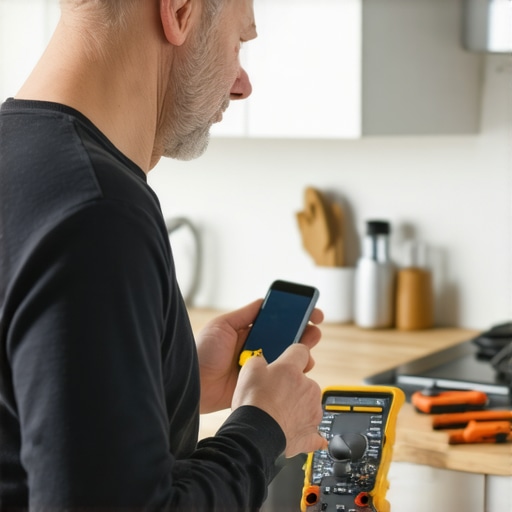
Before sealing or reassembling, test the repair. Do not sign off on repair invoices or close the appliance unless you are sure it’s functioning correctly; for instance, always test the drain cycle after replacing parts, as emphasized here. Use your smartphone or a multimeter to check voltage and resistance in key components, ensuring the repair is successful and compliant with warranty conditions. This step acts as a security measure—think of it as a pilot running systems before the final takeoff.
Keep Records That Protect You
Finally, photograph every step of your repair process and keep these records. When submitting a warranty claim, these images serve as indisputable proof that you didn’t violate any terms, such as using non-OEM parts or improper installation. During a repair I did last year, I took photos at each stage, which proved crucial when my claim was questioned, ultimately leading to acceptance without dispute.
When diagnosing dishwasher issues, many homeowners rely heavily on basic troubleshooting methods—listening for sounds, checking for leaks, or replacing a part based on symptom similarity. However, this approach ignores crucial nuances that can lead to costly mistakes or warranty voiding, especially when dealing with complex appliance electronics. For example, some believe that if the dishwasher doesn’t show obvious error codes, it’s not worth investigating deeper. In reality, subtle electronic failures often masquerade as minor problems but can cause warranty denial if not correctly diagnosed early.
One common myth is that contemporary appliances are foolproof, requiring minimal oversight beyond replacing worn parts. This misconception can be problematic because modern dishwashers include sophisticated control modules that can fail silently, with symptoms varying widely. Diagnosing these failures without proper tools or knowledge can lead to misinterpretation of the problem, resulting in unnecessary part replacements or warranty issues.
Let’s talk about an advanced mistake—overlooking the importance of verifying sensor functions before initiating repairs. Ultrasonic sensors, for instance, are critical in preventing overfills and ensuring safe operation. Many homeowners skip testing these sensors with simple tools, risking damage or voided warranties. Using techniques like ultrasonic sensor testing tactics discussed here can prevent mishandling.
Now, consider the misconception that all faults are visible via error codes. In fact, some faults are embedded deep within the control board and require specialized diagnosis—like testing with a multimeter or using smartphone apps to check for voltage irregularities. This nuance is often missed, leading to misdiagnosis and improper repairs, which may not only void warranties but also cause further damage.
Furthermore, understanding that internal components can fail without obvious signs is vital. Micro-cracks or micro-leaks inside the tub may elude visual inspection but can be detected through strategic leak tests or even moisture sensors. Ignoring these internal issues can result in persistent problems that are dismissed as user errors, misguiding repairs and risking warranty claims.
For the advanced homeowner or repair professional, keeping records of diagnostic tests, sensor readings, and repair steps isn’t just good practice—it’s essential for warranty protection. When claims are challenged, having detailed documentation can be the difference between getting covered or paying out of pocket.
In conclusion, mastering appliance diagnostics involves more than surface-level checks. It requires understanding the electronic nuances, verifying sensor operations, and employing sophisticated testing methods. Only then can you avoid the pitfalls that lead to warranty voids or ineffective repairs. Have you ever fallen into this trap? Let me know in the comments.
Keep Your Dishwasher in Top Shape with Precision Tools
Maintaining your dishwasher’s performance over the years demands the right set of tools tailored for accuracy and efficiency. I personally rely on a high-quality digital multimeter, such as the Fluke 115, for diagnosing electrical components with confidence, ensuring that control boards and sensors are functioning within specifications. Additionally, a ultrasonic leak detector, like the Ultrasonic Leak Detector Model USLD-100, has become indispensable for pinpointing minute leaks inside the tub that might escape visual inspection, preventing long-term damage and warranty voids. These tools, combined with a smartphone app that allows testing solenoid valves remotely, make diagnostics faster and more reliable.
How do I maintain appliance health over time?
Consistent monitoring and testing are the keys to long-term appliance reliability. Regularly inspecting essential components and running diagnostic tests after any repair help catch issues early. For example, testing the ultrasonic sensors periodically for overfills, especially following water quality changes, can prevent system failures. Keeping a record of readings and repair logs not only assists in future troubleshooting but also becomes a vital part of documentation if warranty claims are necessary. Alternatively, leveraging smart diagnostic tools and apps designed specifically for appliances is a trend that’s gaining momentum; these allow remote troubleshooting and monitor performance metrics constantly, reducing unexpected breakdowns.
Predicting the Trend in Appliance Maintenance Tools
The future of appliance repair is headed towards increased integration of IoT devices and AI diagnostics. Imagine appliances equipped with sensors that automatically alert you or service providers about potential failures before they occur—saving time, money, and frustration. Smart water sensors that detect micro-leaks or overload conditions can now be integrated into maintenance routines, as discussed here. As these technologies evolve, DIY enthusiasts and professionals alike will benefit from more accessible, intuitive tools that streamline diagnosis and uphold warranty protections.
Why Choosing the Right Tools Matters
Investing in proper diagnostic equipment isn’t just about immediate repair success; it’s about safeguarding your warranty and ensuring long-term appliance health. Precise tools help prevent unnecessary part replacements, save money, and keep your appliances performing efficiently. For a practical example, verifying control board voltages with a precise digital probe, as explained here, can prevent irreversible damage from incorrect handling. I encourage you to try testing your own dishwasher’s control circuit with a multimeter this week—it’s a game changer in early fault detection and warranty protection.
The Most Costly Mistake I Made During Repairs
One of the toughest lessons I learned was that even a small oversight, like failing to document sensor tests or using non-approved parts, can lead to warranty rejection. I once replaced a control board without verifying if the sensors were functioning correctly, only to find out later that my warranty was voided due to neglecting specific diagnostic steps. This taught me the importance of thorough, deliberate checks before and after repairs—an understanding that saved me from costly expenses and frustration in the long run.
Handpicked Tools That Changed My Approach
My go-to toolkit now includes a reliable digital multimeter, such as the Fluke 115, which helps me confirm electrical conditions accurately, preventing unnecessary part replacements. I also swear by ultrasonic leak detectors from sources like here—these tools have become essential for pinpointing internal leaks that could void warranties if left unchecked. Investing in these devices has empowered me to diagnose issues safely and effectively, ensuring my repairs align with warranty stipulations.
Trust Your Instincts—But Verify Everything
While intuition is helpful, I’ve learned to always cross-verify with proper diagnostic procedures, especially when handling electronic components. For example, ultrasonic sensors that control water levels are critical; testing them with simple apps or tools can reveal faults before they cause bigger issues or warranty conflicts. In the future, integrating smart diagnostics and IoT sensors might revolutionize appliance care, but until then, meticulous testing remains your best defense.
What the Real Experts Know About Safeguarding Your Coverage
Seasoned pros emphasize the importance of detailed documentation, quality parts, and adherence to manufacturer instructions. I always take clear, date-stamped photos during repairs, which proved invaluable when submitting warranty claims that were initially challenged. Moreover, reading the fine print carefully—especially clauses about non-OEM parts or DIY fixes—can save you from unintended warranty voiding. Remember, prevention is better than cure, so equipping yourself with knowledge and the right tools can keep your appliance covered and operating smoothly for years.
Keep Your Dishwasher Running Without Worry
Empower yourself with the right diagnostics and documentation to handle repairs confidently. Each step you take to understand your appliance better not only saves money but also preserves your warranty rights, giving you peace of mind. Have you ever missed an important detail during a repair that affected your warranty? Share your story—help us all learn to repair smarter, not harder.