

Have you ever stood in front of your dishwasher, frustrated, hearing that relentless error beeping, and thinking, “Is my appliance really broken?” I remember the first time it happened to me. I was about to call in a repair service, wallet already clenched tight, when a lightbulb flickered over my head. What if this wasn’t a major breakdown? What if it was something simpler, something just slightly misaligned? Since then, I’ve tackled this issue multiple times, and I want to share what I learned — because this mistake cost me way less than I initially feared.
Spotting the Common Drain Hose Error
When your dishwasher throws a drainage error, it’s tempting to suspect the pump is dead. I used to think that too — until I learned that sometimes, this error is a red herring. The culprit often isn’t the pump at all, but a sneaky little problem with the drain hose. This hose, which drains the water from your dishwasher, can develop subtle clogs or kinks that prevent proper drainage, mimicking the symptoms of a broken pump. The tricky part? It’s easy to overlook, especially if you don’t know where to look or what to check.
Early on, I made the mistake of assuming a pump replacement was my only solution. That led to unnecessary expenses, frustration, and wasted time. It was only after some research and trial-and-error that I realized what I was missing. Did you know that even a slight bend or a tiny clog in the drain hose can make your dishwasher think the pump has failed? According to appliance repair experts, such issues are among the most common culprits behind drainage errors, saving homeowners hundreds if diagnosed early.
Why This Matters Today
In an era where smart appliances are becoming more prevalent, understanding the root causes of errors like these is crucial. Misdiagnosing can lead to costly repairs or void your warranty. Fortunately, diagnosing this problem is straightforward once you know what to look for, and it often doesn’t require specialized tools or professional help. Fixing a drain hose issue can restore your dishwasher’s performance and extend its lifespan — saving you money and stress in the long run.
So, if you’ve been battling the dishwasher drainage error and feeling at your wit’s end, you’re not alone. Many have faced this puzzling problem and come out victorious — including myself. Are you ready to identify whether your drain hose is the real culprit? Keep reading, because the next steps will give you practical, easy-to-follow methods to troubleshoot and resolve this common issue, ensuring your dishwasher runs smoothly again.
And if you’ve already faced this problem, I’d love to hear your story. Did you discover a simple fix, or did it turn into a costly repair? Share your experience below. For more insights into common dishwasher errors and how to troubleshoot them, check out this helpful guide on why your repair bill can sometimes be surprisingly low.
Inspecting and Clearing the Drain Hose
Start by unplugging your dishwasher to ensure safety. Remove the access panel at the bottom front or back, depending on your model. Carefully detach the drain hose connected to the pump. Use a flashlight to look for kinks, bends, or clogs that could block water flow. I once found a small toy piece lodged inside mine, which caused a partial blockage. Implement a simple cleaning routine: flush the hose with warm water or use a long toothbrush or pipe cleaner to clear debris. Be gentle to avoid damaging the hose material, similar to clearing a narrow straw. Reattach the hose securely and run a short cycle to test drainage.
Detecting Hidden Clogs with Your Smartphone
If you suspect internal clogs but can’t see through the hose, leverage your phone’s camera. Place it at the hose’s outlet to check for obstructions that may be invisible to the naked eye. I used this method, and it revealed a build-up of grease and soap scum deep inside. This step saves time and prevents unnecessary part replacements, aligning with DIY diagnostics tips found here. Be cautious about the camera’s angle to get a clear view without disturbing connectors.
Testing the Drain Pump’s Functionality
After ensuring the hose is clear, confirm the pump is working correctly. A faulty pump can mimic hose issues, so testing it is crucial. Use a multimeter to check for continuity—a process detailed in this guide. Disconnect the pump from the wiring, attach the multimeter probes to its terminals, and listen or watch for a reading that suggests it’s functional. If the pump tests negative for continuity, it’s likely dead. I once replaced a pump based solely on a visual failure, but testing saved me from a costly mistake. Remember, some pumps may also exhibit noise or sluggish operation, which are signs to consider a replacement.
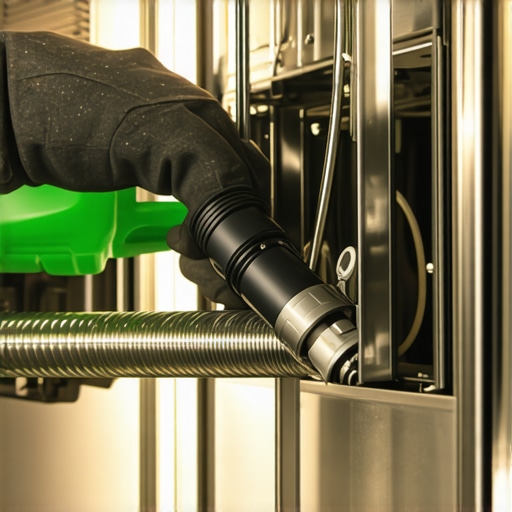
Visualize a common drain hose connected to a dishwasher with a multimeter testing the pump terminals. This image underscores the importance of proper diagnostics to avoid unnecessary repairs.
Assessing the Check Valves and Connection Points
Examine the check valve, typically located at the hose’s outlet or inlet, for signs of wear, debris, or malfunction. Gunk buildup or a stuck valve can cause drainage failure. Remove it carefully and clean with warm water; replace if damaged. Remember, consistent drainage depends on these small but vital parts working perfectly, much like the tiny valves in water systems. Inspect all connections for tightness, as loose fittings can lead to slow drainage or leaks, undermining the repair effort.
Reassemble and Run a Diagnostic Cycle
Once all parts are cleaned, checked, and reconnected, close the access panels and run a test cycle. Observe the drainage process closely, listening for unusual sounds or leaks. Confirm the water empties completely; if issues persist, revisit the hoses and pump diagnostics. Keeping detailed notes of each step can help identify patterns over time or when consulting professional repair services. Remember, proper testing and diagnostics are your best tools to avoid replacing parts unnecessarily, which could affect your warranty, as detailed here.
Many homeowners operate under misconceptions about appliance repairs, warranties, and diagnostics that can lead to costly missteps. One common myth is believing that all service calls are necessary for minor issues, but in reality, understanding diagnostic nuances can often save time and money. For example, superficial troubleshooting might overlook critical hidden faults, such as subtle sensor failures or circuit board glitches, which require advanced testing methods like voltage or resistance checks—skills emphasized in expert guides like testing with a multimeter. A frequent mistake is assuming that warranty coverage is automatic, whereas many warranties have fine print exams that disqualify claims if proper documentation or procedural steps aren’t followed meticulously. This is why detailed photos and precise repair records are vital, as discussed here. Moreover, the complexity of modern appliances with smart features introduces advanced diagnostic traps, such as misinterpreting software errors for hardware faults, which can be clarified with specialized diagnostic tools and knowledge of the appliance’s firmware. To navigate these subtleties, focusing on in-depth diagnostics rather than guesswork can significantly bolster your repair success rate. For instance, understanding how to properly test control boards and sensors can prevent unnecessary replacements, aligning with expert advice available here. This nuanced approach not only optimizes repair outcomes but also safeguards your warranty rights, avoiding pitfalls that amateurs often encounter. Remember, even experienced DIYers can fall prey to overlooked details—so always ask yourself if you’re missing a subtle diagnostic step that could save you from a costly mistake. Have you ever fallen into this trap? Let me know in the comments.
Essential Tools for DIY Appliance Work
When it comes to maintaining your dishwasher over time, having the right equipment is crucial. I personally rely on a high-quality digital multimeter because it allows me to quickly check components like the control board and sensors without guessing. For example, using a basic multimeter is straightforward, yet incredibly effective for diagnosing electrical faults, and I prefer one with auto-ranging capabilities for faster readings. Additionally, I keep a set of long, flexible pipe cleaners and a small flashlight handy to inspect hoses and connection points during routine checks. For visual diagnostics, I sometimes use a phone camera to peer into tight spaces, which is especially handy for spotting hidden clogs or corrosion. These tools empower me to troubleshoot efficiently, avoiding unnecessary replacement parts and extending the lifespan of my appliances.
Software and Apps that Simplify Diagnostics
Modern dishwashers often come with diagnostic modes accessible via the control panel, but I find mobile apps invaluable for deeper insights. There are specialized diagnostic tools that connect your smartphone to your appliance’s Wi-Fi module, providing real-time data on error codes and system status. For instance, some apps can record and analyze performance over time, helping predict potential failures before they happen. This proactive approach ensures minor issues don’t escalate into costly repairs and helps you stay ahead of warranty pitfalls. As we move further into the future, I predict an increasing integration of AI-driven diagnostics that can interpret sensor data for you, like AI, making maintenance almost effortless. Implementing such tools can dramatically improve your appliance’s reliability and your confidence in handling repairs.
How do I maintain my dishwasher over time?
Regular maintenance goes beyond repairing when things go wrong. My routine includes inspecting and cleaning filters, checking spray arms for clogs, and testing electrical components every few months. I also schedule seasonal checks of hoses and connection points for wear or leaks. Using a multimeter periodically to verify control board and sensor integrity is a simple yet effective practice, as recommended here. It’s like visiting the doctor for your car—better to catch potential issues early before they cause a breakdown. Remember, keeping a detailed log of diagnostics and repairs not only helps with troubleshooting but also strengthens your position when dealing with warranty claims, which often hinge on proper documentation. Going forward, I see a trend toward smarter, more self-aware appliances that alert you when maintenance is needed, reducing downtime and repair costs. Embracing these innovations now will ensure your dishwasher remains reliable for years to come.
Finally, don’t hesitate to try advanced diagnostic tips I’ve shared, like using your smartphone camera to identify concealed clogs or testing control boards with a digital probe. These techniques save time and money, and help uphold warranty eligibility by demonstrating diligent maintenance practices. Remember, proactive repair and maintenance are your best allies in prolonging your appliance’s life and avoiding costly service visits.
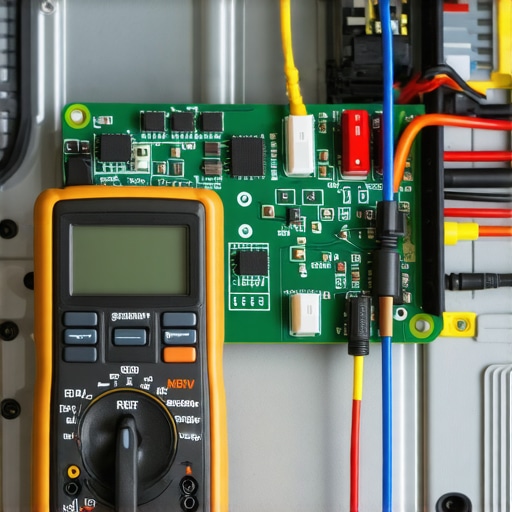
Close-up of a multimeter testing a dishwasher control board, illustrating accurate diagnostics to prevent unnecessary replacements.
What I Wish I Knew Before My First Repair
One of the biggest lessons I learned was that not every drainage error means a broken pump; sometimes, a simple kink or clog in the drain hose is the culprit. This realization saved me hundreds and made me more confident in diagnosing issues myself.
I also discovered that the tiniest debris—like a small piece of plastic—can cause major drainage problems. Regularly inspecting and cleaning the drain hose prevents unexpected breakdowns and extends my dishwasher’s lifespan.
Using my smartphone camera as a diagnostic tool was eye-opening. Being able to peek inside hoses and connections without disassembly helped me pinpoint issues quickly, which is a game-changer for DIY repairs.
Investing in a quality multimeter changed how I troubleshoot electrical components. Testing continuity myself ensures I replace only what’s necessary, saving time and money while preserving my warranty.
Lastly, I learned that understanding how to properly document repairs and take clear photos can make all the difference when dealing with warranty claims, ensuring I get the coverage I deserve without disputes.