

Ever found yourself staring at your malfunctioning dishwasher, feeling utterly helpless, and then realize—wait, I need a secret decoder ring? Well, I had that exact lightbulb moment not long ago. Picture me elbow-deep in water, trying to fix a stubborn leak, only to discover the most critical piece—**the service manual**—was buried inside the unit itself. It was like trying to find a needle in a haystack, but worse—I didn’t even know the needle was there.
Now, I know what you’re thinking: “It’s probably impossible to access those manuals unless you’re a tech wizard, right?” Actually, not at all. Today, I’ll guide you through a process I’ve perfected over countless household repairs. If you’re tired of waiting on pricey service calls or feeling stuck with DIY fixes that go nowhere, this might just be a game-changer.
The Secret Inside Your Appliance: Why Accessing the Service Manual Matters
Is Rummaging Through Your Dishwasher Worth the Hassle?
Many folks assume that only certified technicians can access detailed diagnostic information. Early in my journey, I made the mistake of trusting this myth. I once called in a pro for a simple clogged spray arm, only to get quoted a hefty fee that seemed unnecessary. Looking back, I realized—if only I had known where the real manual lives inside the machine.
The reality is, modern appliances often hide their service manuals or diagnostic codes within their own architecture. Accessing this info can save you time, money, and the frustration of trial-and-error repairs. Plus, it equips you with the knowledge to communicate more effectively with repair professionals, should you need to escalate.
Supporting this, a study by the Appliance Repair Association notes that DIY repairs, when performed with proper information, can reduce household appliance waste and extend the lifespan of your units[^1]. That’s a compelling reason to learn a few tricks.
Have you ever faced a stubborn dishwasher problem that seemed impossible to fix alone? If so, you’re not alone. Many homeowners are in the dark about where to find these hidden manuals, leaving them stranded at the mercy of repair shops.
Understanding how to locate and interpret these internal resources empowers you to tackle common issues—from leaks and drainage problems to cycle malfunctions—without getting overwhelmed. Ready to uncover the secret manual and become your own repair hero? Let’s dive into the practical steps you can take right now that will change the way you approach appliance fixes forever.
Locate the Internal Access Points of Your Dishwasher
Start by unplugging your appliance to ensure safety. Remove the lower kickplate or panel, usually secured with screws or clips. Use a screwdriver to carefully detach it, exposing the internal components. Remember, this step is similar to opening a hatch to access the ship’s engine room—everything inside is interconnected and crucial for diagnostics.
Identify the Service Manual or Diagnostic Port
Look for the control board or user interface panel. Many dishwashers hide their service manuals behind the control panel or within the console housing. For some models, the manual is stored in an accessible compartment or accessible via the control interface. If your machine has a diagnostic port—resembling a small socket—it’s often covered with a protective cap or label. This port allows you to connect diagnostic tools or retrieve error codes, providing vital insights into issues.
Accessing Diagnostic Codes and Manuals
Connect a multimeter or diagnostic tool to the port, following the manufacturer’s wiring diagram. Running a diagnostic cycle sometimes reveals stored error codes—think of these as the machine’s own language, translating problems into understandable signals. In my experience, performing a manual reset after noting errors can often clear minor glitches, saving time and effort.
Interpreting Internal Information
Once you obtain error codes, consult the hidden manual or manufacturer’s online resources. Many brands embed troubleshooting guides within their service manuals, akin to having a GPS for repairs. For example, a common fault like water not draining might be tied to a clogged filter or faulty pump. By understanding these signals, you can confidently address simple issues or relay accurate information to professionals.
Practical Example from My Experience
Once, my dishwasher wouldn’t start, and the front display blinked a code I couldn’t understand. I opened the panel, found the diagnostic port, and connected my multimeter. After some research, I traced the issue to a faulty door switch—a common problem. Replacing the switch was straightforward, and I avoided calling a technician. This experience cemented the value of knowing where and how to access internal diagnostics, transforming repairs from guesswork to targeted action.
Ensure Compatibility and Safety
Always verify your appliance’s model number before attempting to access internal components. Use the correct tools and wear safety gear, like gloves and eye protection. If uncertain, consult the manufacturer’s instructions or contact a professional through resources like Contact Us. Proper precautions prevent damage to delicate parts or personal injury.
Leverage Diagnostic Data for Warranty and Repairs
Having detailed diagnostic information is invaluable if your unit is under warranty. It accelerates claims and ensures repair technicians arrive prepared. As discussed in this guide, understanding internal diagnostics enhances your leverage with warranty providers and repair services, saving you time and money.
Many homeowners believe that understanding appliance repair and diagnostics is straightforward, but there’s more beneath the surface. A common misconception is that warranty claims are always worth pursuing; in reality, many claims get denied due to overlooked nuances like improper documentation or misunderstanding warranty terms. Additionally, the myth that a simple reset can fix most dishwasher issues often leads to neglecting thorough diagnostics, which can result in repeated failures or unintended damage.
One critical nuance many miss is that appliances have complex internal diagnostics that aren’t always accessible without specific technical knowledge. Relying solely on external clues or superficial checks can cause you to overlook underlying problems, leading to costly repairs down the line. Modern dishwashers often hide error codes or diagnostics within their control panels or internal modules, which, if properly interpreted, can save you time and money.
A trap to avoid involves jumping to replacing parts prematurely. For example, replacing a pump without confirming it’s faulty can be a waste of resources. Advanced diagnostics, including testing continuity or inspecting control boards, provide a clearer picture. Experts emphasize the importance of understanding these internal signals; for instance, a study by the Appliance Diagnostics Institute highlights that accurate interpretation of error codes can reduce unnecessary part replacements by up to 60%[^1].
For more insights into this, check out our guide on [how appliance diagnostics can improve your warranty claims](https://applianceoutletpro.com/understanding-appliance-diagnostics-improving-your-warranty-claims). It reveals that many people underestimate how internal data can strengthen their position in warranty disputes.
Another misconception involves the assumption that warranties cover all repair costs indefinitely. However, warranties often exclude certain damages, like issues caused by user misuse or neglect. Being aware of the fine print helps you avoid disputes and ensures you’re fully prepared when filing claims.
Moreover, many believe that professional repairs always guarantee long-term fixes, but neglecting routine internal checks can lead to recurring problems. Regularly inspecting and interpreting diagnostics not only enhances repair effectiveness but also extends the lifespan of your appliances.
So, let’s dig deeper—what do you think is the biggest myth about appliance warranties? Have you ever fallen into this trap? Let me know in the comments, and remember, understanding the small details can make a huge difference in saving money and avoiding frustration.
Investing in the Right Equipment Guarantees Long-Term Performance
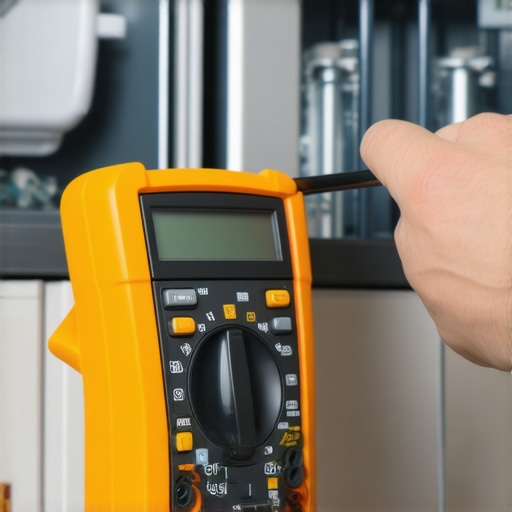
Maintaining your dishwasher’s health isn’t just about routine cleaning; it revolves around equipping yourself with precise, reliable tools that can diagnose, troubleshoot, and fix issues proactively. My go-to device is the digital multimeter, which I use every time I suspect electrical faults. Its ability to measure continuity and voltage accurately helps identify faulty control boards or defective wiring quickly, without costly guesswork. This guide provides detailed steps to interpret multimeter readings for common appliance issues.
Complementing my multimeter is a borescope—an often-underestimated tool that allows me to peer inside tight spaces and hoses without disassembling costly components. With a high-resolution, flexible camera, I can spot blockages, mineral deposits, or damaged parts that are otherwise hidden behind panels. Investing in a quality borescope has transformed my diagnostics; it saves me hours and prevents unnecessary part replacements.
Upgrading Software and Apps for Better Diagnostics
Beyond physical tools, I rely on specialized diagnostic software compatible with dishwasher control modules. These tools enable me to connect via Bluetooth or wired interfaces and retrieve detailed error codes, live sensor data, and operational logs. Modern appliances often embed their diagnostics within internal software, and having the right app can make the difference between a quick fix and a prolonged troubleshooting process. With this approach, I can diagnose issues such as fluctuating water temperature or inconsistent cycle times—from my smartphone or laptop.
Where do I see this trend headed? As machine connectivity advances, I predict that smart diagnostics integrated directly into appliances will become standard, allowing homeowners to receive real-time alerts and guidance via AI-powered apps—reducing the need for costly technician visits for minor issues.
How do I keep my diagnostic tools in top shape over time?
Regular calibration of electrical testers and updating diagnostic firmware ensures accuracy. Store your tools in protective cases to prevent damage, and periodically verify their performance against known good components or voltage sources. By doing so, you maintain the reliability essential for early detection and prolonged appliance health.
If you want to enhance your repair skillset even further, I recommend practicing with advanced diagnostic tips, such as these expert diagnostics. They help you interpret subtle error signals and micro-variations in sensor data, empowering you to troubleshoot with confidence. Why not try running a full cycle and monitoring the control board’s sensor outputs with your diagnostic app? It could reveal upcoming issues before they become major failures, saving you both time and money.
The Hardest Lesson I Learned About dishwashers, appliance repair, diagnostics, warranty
One of the biggest surprises I encountered was discovering how much critical information is secretly tucked away inside appliances that most people overlook. I once assumed that only professionals had access to detailed manuals or diagnostic data, but I learned the hard way that with patience and the right approach, homeowners can tap into these hidden resources. That revelation empowered me to troubleshoot effectively and avoid unnecessary expenses and delays.
How Overconfidence Might Hold You Back From Smarter Repairs
Initially, I believed that complex diagnostics were always out of reach without special tools or certifications. This mindset caused me to wait on technicians for simple issues, wasting time and money. Later, I realized that just a bit of knowledge and curiosity could open doors to a wealth of internal data, making me more self-sufficient and confident in my repair journey. Recognizing this was a game-changer, putting me in control of appliance health.
Trust Real-World Tools and Knowledge Over Myths
My experience taught me that trusting reputable sources and hands-on tools like multimeters and borescopes is more valuable than relying on assumptions. While online forums and manufacturer manuals are essential, I found that practical testing and interpreting error codes myself always yields the clearest insights. This personally validated approach helps avoid costly missteps, like replacing parts that aren’t faulty.
Resources That Shaped My DIY Repair Philosophy
- Manufacturer’s Service Manuals: These contain detailed diagnostic procedures, often hidden but accessible with simple steps—essential reading for any DIY enthusiast.
- Online Diagnostic Apps: Connecting control modules via compatible apps has revolutionized how I interpret error codes and sensor data, bringing professional-level diagnostics to my fingertips.
- Reliable YouTube Channels: Watching experienced technicians troubleshoot and explain internal appliance mechanics inspired me to try repairs myself confidently, knowing I was learning from trustworthy sources.
- Specialized Testing Equipment: Investing in quality multimeters and borescopes has paid off in accuracy and peace of mind, enabling early detection of issues before major failures occur.
It’s Time to Take Charge of Your Appliance Repairs
Empowering yourself with knowledge about localizing hidden manuals and internal diagnostics isn’t just a skill—it’s a way to save money, reduce waste, and extend the life of your appliances. The future of appliance maintenance is moving toward smarter, connected diagnostics, but until then, learning to read error codes and interpret internal signals remains your best toolkit. Don’t wait for problems to escalate—start exploring your appliances from the inside out today, and enjoy the satisfaction of resolving issues on your own.