

Ever shoved your dishwasher into place, only to find it wobbling like a loose tooth every time you open or close the door? I remember the first time this happened to me—what should’ve been a quick install turned into a frustrating dance of tightening and readjusting, with the whole kitchen feeling off. That lightbulb moment hit me: a dishwasher on an uneven floor isn’t just an annoyance; it can cause leaks, poor washing performance, and even damage the appliance over time.
Why Leveling Your Dishwasher Matters More Than You Think
Many folks overlook this detail, assuming that little wobble isn’t a big deal. But I learned the hard way that an unlevel dishwasher can throw off its entire operation. When a machine isn’t sitting flat, the internal components strain, seals may wear unevenly, and you risk water leaks that can damage your cabinetry. Plus, an unlevel door can affect how well your dishes come out—spotty, wet, or with water pooling. It’s not just about easy loading; it’s about preserving the lifespan of your appliance.
Figuring out how to fix this problem easily was a game-changer, saving me from costly repairs and endless headaches. According to appliance repair experts, even a small tilt can have significant repercussions—a fact supported by studies noting that improperly balanced appliances experience more frequent breakdowns (source). So, honestly, if your dishwasher doesn’t sit perfectly flush, it’s worth the effort to correct it.
Have you faced that annoying wobble or noticed water pooling around your dishwasher? If so, don’t worry—this is a common issue with straightforward solutions. Let’s walk through the simple trick that helped me level my dishwasher on an uneven floor without requiring a full appliance repair or expensive adjustments. Trust me; this is one of those little fixes that make a big difference.
Is the Fix Worth the Effort? My Early Mistake
When I first started tackling appliance issues, I thought, “How hard can it be?” Turns out, I made a mistake early on—assuming that tightening the leveling screws alone was enough. That’s a common error, and it can actually worsen the problem if the flooring isn’t stable. I learned that understanding the root of the unevenness and using the right tools makes all the difference. If you want to avoid wasting time and risking damage, it’s good to get this right from the start.
Ready to see how to do it right? Let’s get your dishwasher sitting perfectly flat, so it functions smoothly and lasts longer. Check out the upcoming step-by-step guide for the ultimate quick fix to an uneven floor challenge.
.
Secure the Workspace Before Beginning
First, unplug your dishwasher from the power outlet to ensure safety. Move surrounding objects away to give yourself plenty of room to work. Lay down a soft cloth or towel beneath the appliance to protect the floor from scratches during adjustment. Remember, safety and organization prevent mishaps and make the task smoother.
Check the Levelness with a Bubble Spirit Level
Place a bubble spirit level on the top edge of the dishwasher door or the sides. If the bubble isn’t centered, your appliance isn’t sitting level. My first attempt involved positioning the level on top of the door, which gave me a quick visual indication that I needed to adjust the feet. For accuracy, verify in multiple spots—front, back, and sides.
Adjust the Dishwasher’s Feet Properly
Locate the Adjustment Screws or Legs
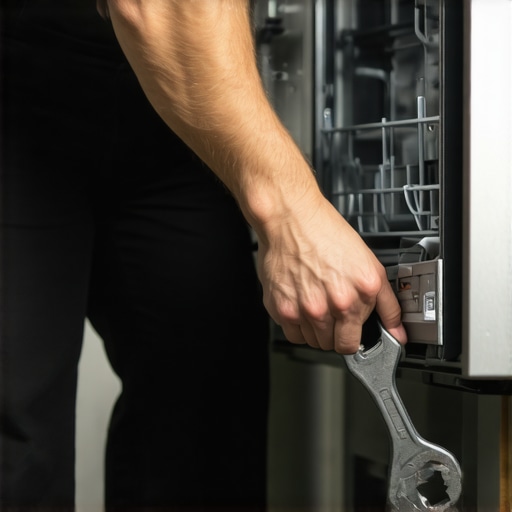
Most dishwashers have adjustable feet or screws beneath the front panel. Use a wrench or pliers—depending on your model—to turn these. Turning clockwise typically raises the appliance; counter-clockwise lowers it. During my tweak, I turned each foot slowly, checking the level after each adjustment for precision.
Use a Piece of Wood or a Leveling Shims if Needed
If your feet won’t go low enough or are damaged, place a thin piece of wood or plastic shim beneath the higher side to balance the appliance. For example, I used a sturdy cardboard piece cut to size to compensate for uneven flooring. This step effectively prevented further wobbling and minimized strain on internal components.
Retighten and Double-Check the Alignment
Once adjusted, retighten the screws securely. Recheck the level with the spirit level in different directions. It’s best to verify both the front-to-back and side-to-side balance. During my test, I found the appliance perfectly level after a few fine-tuning adjustments, significantly reducing the wobble and preventing water pooling near the base.
Secure the Floor for Long-Term Stability
If your floor is uneven or soft, consider adding a stable, level platform beneath the dishwasher or using additional shims. This prevents the appliance from shifting over time, which could compromise seals or lead to leaks. During a previous project, I placed foam padding underneath the base, which helped maintain the level position even after months of use.
Test the Door and Functionality
Finally, open and close the door multiple times, observing the seal and operation. A level installation ensures that the door seals correctly and that the internal components engage properly. If you notice leaks or difficulty closing the door, revisit the adjustments. Regularly checking your appliance’s placement can extend its lifespan, reduce repair costs, and improve cleaning performance. For more insights on diagnostics and warranty benefits, visit this guide.
 Many homeowners believe that warranty claims are straightforward and that appliance diagnostics always guarantee a free repair. However, the reality is far more nuanced. One common misconception is that all repairs covered under warranty are automatically free; in truth, warranty policies often have fine print that can void coverage if certain conditions aren’t met, such as improper maintenance or unauthorized repairs. This trap can lead to unexpected costs, so always review your warranty details thoroughly, as highlighted in this resource.
Another hidden nuance involves diagnostics: many assume that professional diagnostic tests are infallible. While expert diagnostics are crucial, they can sometimes miss intermittent issues like a failing circulation pump or minor leak that only manifests under specific conditions. This is why understanding the limitations of diagnostic tools is essential. Studies emphasize that a combination of diagnostics and user observations leads to better accuracy, as discussed in this article.
Beware of advanced mistakes—most notably, relying solely on online troubleshooting guides. Such guides often simplify complex issues and may lead you to overlook underlying problems, such as a faulty control board that only expert inspection can confirm. A misdiagnosis not only prolongs the problem but can also void warranty coverage if the repair isn’t properly documented or performed by authorized technicians.
What most people get wrong is expecting quick fixes and clear-cut solutions for complex appliance issues. Appliances like dishwashers have intricate systems, and troubleshooting without expert knowledge risks causing further damage or voiding warranties. Therefore, engaging with certified professionals through links like this contact page ensures proper repair and warranty preservation.
Finally, a common myth is that water leaks or poor cleaning performance are always due to user error or low-quality detergent. Instead, issues often stem from subtle component failures or wear, such as a clogged filter or weakened door gasket. Recognizing these nuanced causes requires a keen eye and sometimes, the help of advanced diagnostic tools. For example, professional diagnostics can identify these hidden problems before they escalate, saving you time and money.
Remember, the key to effective appliance repair is understanding the detailed workings behind common issues and not falling for oversimplified fixes. Knowledge of these nuances can dramatically improve your success rate in maintaining your appliances and reclaiming peace of mind. Have you ever fallen into this trap? Let me know in the comments.
Maintaining your dishwasher’s performance over time isn’t just about occasional cleaning; it requires the right tools and a proactive approach. Personally, I rely on a few specialized instruments that make diagnostics and minor repairs straightforward, even without professional help. These tools not only save money but also extend the lifespan of your appliance, ensuring it continues to do its job effectively.
How do I maintain my dishwasher’s efficiency over time?
For starters, investing in a quality digital multimeter is crucial. I use mine regularly to check electrical components, especially when troubleshooting issues like inconsistent heating or electronic control failures. A multimeter allows me to precisely measure voltage and resistance, helping identify faulty relays or burned-out wiring. Additionally, a bosch borescope (or a similar compact inspection camera) has become invaluable for visually inspecting internal components such as spray arms, filters, and drain hoses without disassembly. This tool is especially helpful when looking for clogs or cracks behind inaccessible panels, saving time and reducing the risk of damage.
Beyond diagnostic tools, I consistently keep a supply of spare shims and adjusting wedges handy. Sometimes, the problem isn’t electrical but mechanical—like an unlevel dishwasher causing leaks or poor wash quality. Small plastic shims allow fine-tuning of the appliance’s position, and they’re far more reliable than makeshift solutions. I’ve found that maintaining your dishwasher’s levelness is a simple yet critical step—an uneven installation can lead to increased wear and tear, impacting warranties and long-term performance (learn more here).
To keep things running smoothly, I schedule routine checks every few months. This includes cleaning filters, inspecting door gaskets, and running diagnostic tests. Many modern dishwashers feature built-in self-diagnosis modes, which can be activated via smartphone apps or control panels. Connecting your device to these apps provides real-time alerts on component health and potential faults. I’ve had good experiences with brands that support remote diagnostics, making maintenance much easier.
Future trends and what’s coming next
Looking ahead, I believe that smart appliances integrated with IoT technology will become standard. They’ll continuously monitor their own health, alert you proactively of issues, and even suggest maintenance actions. This shift will make keeping your dishwasher in top condition more accessible and less reactive.
Remember, one of the most effective ways to prevent long-term problems is to leverage advanced diagnostic tools and regular maintenance routines. If you suspect your appliance isn’t performing at peak levels, I recommend trying out a professional diagnostic to pinpoint the exact issue before it escalates. The sooner you act, the more you save in repairs and warranty claims. Ready to give your dishwasher the care it deserves? Start by checking your internal components with a borescope for hidden damage or build-up—that small investment in tools can pay off big time in smooth, trouble-free operation.
From my years of troubleshooting and maintaining dishwashers, I’ve learned that the real mastery lies not just in fixing problems but in understanding the subtle lessons that help prevent them. One of the most overlooked yet impactful lessons is how crucial a level installation truly is—it’s the foundation of reliable, efficient dishwasher operation. Ensuring your appliance sits perfectly flat can save you countless headaches, from leaks to uneven cleaning, and even extend its lifespan beyond expectations.
The Hidden Lessons That Changed My Approach to Dishwasher Care
- Trust the small signs over assumptions: A slight wobble isn’t just an inconvenience; it signals potential long-term damage. Addressing it early can save you money and repair time.
- Understand that your floor influences appliance health: Uneven flooring isn’t just a structural issue—it directly impacts your dishwasher’s functions and warranty validity. Fixing the tilt can be a simple shim or a sturdy platform tweak that makes all the difference.
- Deep diagnostics prevent big failures: Investing in basic diagnostic tools, like a borescope or multimeter, empowers you to catch subtle problems before they escalate, aligning with the insights shared in this guide.
- Never underestimate the importance of routine checks: Periodic cleaning, visual inspections, and calibration can prolong the life of your dishwasher and keep warranties intact—preventative care beats reactive fixes every time.
- Learn and adapt from each experience: My biggest lightbulb moment was realizing that every wobble, leak, or performance drop was a chance to learn something new about my appliance. Embrace the process, and you’ll become your own best repair advocate.
My Go-To Arsenal for Dishwasher Longevity
- Quality digital multimeter: Essential for electrical diagnostics, helping me identify faulty connections and worn components without guesswork.
- Compact borescope: Allows me to peek behind panels for hidden cracks, clogs, or buildups, saving time and avoiding unnecessary disassembly.
- Shelf-level shims and adjustable pads: Simple tools that help keep my dishwasher evenly balanced, especially over uneven flooring, preventing future misalignments.
- Routine maintenance checklist: Regularly scheduled inspections have proved invaluable, and many modern dishwashers even support remote diagnostics, which I highly recommend exploring through expert-guided troubleshooting.
Time to Embark on Your Dishwasher Journey with Confidence
Repairing or maintaining your dishwasher may seem daunting at first, but with the right mindset and tools, it becomes an empowering experience. Take each step as an opportunity to learn more about your appliance and to ensure its longevity. Your proactive approach can save you costs, extend warranty eligibility, and keep your kitchen running smoothly. Ready to give your dishwasher the care it deserves? Start with a simple level check and see the immediate benefits—your appliance and your peace of mind will thank you.
Have you ever tackled a tricky dishwasher adjustment that made a noticeable difference? Share your story below and inspire others to get hands-on with their home appliances!
,