

I remember the day clearly—the frustration hit me like a tidal wave. I was finishing a late-night dinner when I heard the familiar beeping from my dishwasher. As I checked the app on my phone, an alert blinked: “Filter is dirty.” Wait, what? I just cleaned that filter yesterday! There was no way it was clogged or dirty. Yet, the app insisted otherwise, and my cycle kept stalling. That lightbulb moment made me realize I wasn’t alone in this strange, infuriating tech glitch.
Don’t Let a Fake Dirty Filter Hold You Hostage
If you’ve ever faced the annoyance of your smart appliance giving false warnings—like your dishwasher claiming the filter needs cleaning when it clearly doesn’t—you’re not alone. This is a common issue that can leave even the most experienced homeowners scratching their heads. The good news? This problem isn’t a sign of a major malfunction or a need for a costly repair. Often, it’s a false alarm caused by sensor errors or software glitches, and with a little know-how, you can fix it yourself.
Are You Falling for the Tech Hype? Here’s The Truth
Early in my troubleshooting journey, I made the mistake of just replacing the filter or ignoring the warning—only to realize later that the sensor was the culprit, not the filter itself. According to industry experts, sensor misreads are a common cause of false alerts, especially in modern, connected appliances that rely heavily on software to guide maintenance. So, if your smart app keeps nagging about the filter—yet you’ve just cleaned it—your issue likely lies elsewhere. To get to the bottom of this, I’ll walk you through the exact steps to diagnose and resolve this pesky problem.
Ready to restore your appliance’s trustworthiness? Let’s dive into practical solutions, so frustration doesn’t become part of your daily routine. And if you’re curious about how diagnostics can actually strengthen your warranty claims, check out [understanding appliance diagnostics](https://applianceoutletpro.com/understanding-appliance-diagnostics-improving-your-warranty-claims)—it’s a game-changer.
Check the Sensor’s Status and Reset It
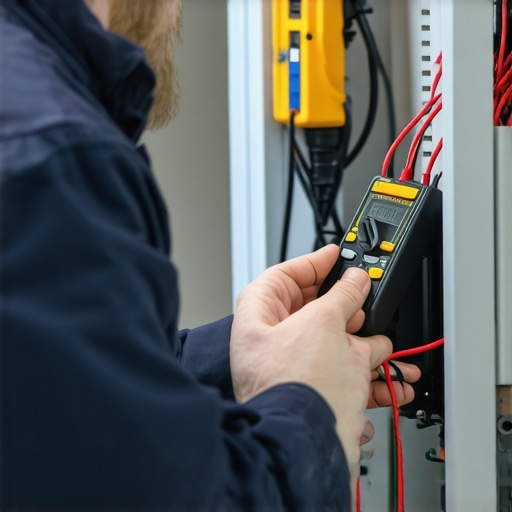
Start by locating the filter sensor inside your dishwasher—it’s usually a small, easily accessible component. Gently clean the sensor with a soft cloth or a gentle brush to remove any dust, grime, or mineral buildup that could cause misreads. Use a multimeter to test its continuity if you’re comfortable with electronics; a reading without continuity or inconsistent results indicates a faulty sensor. Once cleaned or replaced, reset the appliance by unplugging it for 5 minutes or pressing the reset button if available. This simple step often clears false warnings caused by sensor errors.
Perform a Software or Firmware Reset
Many modern dishwashers store error codes and system data in internal memory. Performing a software reset can eliminate glitches. To do this, follow your model’s specific procedure—often, holding down certain buttons or unplugging the unit for a set period. Check your manufacturer’s instructions or troubleshooting guide, or learn more about diagnostics here. If the warning persists after a reset, proceed to more involved diagnostics.
Inspect the Filter and Its Components
Even if you recently cleaned the filter, debris or improper installation might trigger false alarms. Remove the filter assembly and examine all parts carefully. Look for misaligned parts, cracks, or blockages that could interfere with sensor readings. Clean the filter thoroughly with water and a non-abrasive brush. Reinstall it correctly, ensuring it clicks into place. Remember, air gap issues can sometimes cause miscommunication between sensors and the control board.
Test and Replace Faulty Components
If cleaning and resets don’t resolve the warning, consider testing other components involved in filter detection, such as the float switch or wiring harnesses. Use a multimeter or continuity tester to verify proper operation. A common, overlooked cause is a kinked or damaged wiring harness—inspect all wiring for damage or disconnections. If you find a broken wire or malfunctioning switch, replace it following the manufacturer’s guidelines or consult a professional. For detailed testing procedures, see this guide.
Leverage Professional Diagnostics if Problems Persist
If these steps don’t resolve your usability warning, you might need a professional assessment. An extra set of diagnostic tools can pinpoint sensor malfunctions or motherboard issues that are hard to detect with simple tests. Often, experts use specialized equipment to analyze signals and pinpoint faults efficiently, saving you time and future headaches. Remember, recognizing when to call in pros can prevent further damage and costly repairs.
Many homeowners believe they fully understand how appliance diagnostics work, but in reality, common misconceptions can lead to costly mistakes. One pervasive myth is that all error codes point directly to faulty parts, when in fact, diagnostic procedures often involve multiple layers of testing to identify the true cause, as emphasized by industry experts. Rushing to replace components based solely on code readings without thorough testing can worsen the problem or void warranties; for example, replacing a control board without confirming other issues may not solve underlying faults. Additionally, many think that warranties always cover every repair, but complex conditions and exclusions might leave you paying out of pocket, so it’s essential to review your plan carefully—see when to trust a warranty. A common oversight is neglecting the importance of proper diagnostics before attempting repairs; without it, you risk missing nuanced issues like wiring problems or sensor misalignments that cause false alarms. Moreover, advanced homeowners often overlook the value of professional diagnostic tools that can pinpoint faults invisible to the naked eye, preventing unnecessary part replacements. For example, using a multimeter properly to test sensors is crucial—see testing your float switch. Recognizing these hidden nuances can save you money and extend your appliance’s lifespan. Don’t let misconceptions lead you astray—approach diagnostics with a critical eye and leverage expert resources. Have you ever fallen into this trap? Let me know in the comments.
Staying Ahead with the Right Tools for Appliance Repairs
When it comes to keeping your dishwasher and other appliances in peak condition, investing in the right diagnostic tools is crucial. I personally rely on a digital multimeter for testing sensors and wiring connections, ensuring accurate readings that prevent unnecessary replacements. Additionally, a simple pencil test helps verify float switch functionality without complex equipment. For internal inspections, a borescope provides a non-invasive way to identify hidden clogs or damages inside tight spaces, saving both time and money.
Proper diagnostics not only facilitate quick repairs but also play a pivotal role in warranty claims. Understanding the nuances of appliance diagnostics can help you document issues precisely, making it easier to leverage warranty benefits. To maximize these advantages, consider familiarizing yourself with diagnostics best practices. This knowledge empowers you to identify faulty components early, extending the lifespan of your appliances.
Future of DIY Appliance Maintenance
As technology evolves, we’re witnessing an increasing shift toward smart diagnostic tools integrated directly into appliances. These advancements promise faster, more accurate troubleshooting, reducing dependency on guesswork. However, they also underscore the importance of staying current with software updates and calibration protocols. Learning how to interpret error codes and firmware messages will become essential skills for proactive homeowners.
How do I keep my appliances running smoothly over time?
The key is regular maintenance using specialized tools coupled with a thorough understanding of your appliance’s systems. Schedule periodic checks of sensors and seals, and use tools like multimeters to verify electrical integrity. Don’t forget to consult trusted resources—like this guide—to stay informed about the latest diagnostic techniques. By doing so, you’ll catch minor issues before they escalate, ensuring long-term reliability.
Remember, consistent checks with precise tools can significantly reduce repair costs and downtime. For example, testing your float switch regularly with a simple pencil test ensures your dishwasher’s water level sensors stay accurate, preventing overflows or incomplete cycles.
Take action today: pick up a good quality multimeter and familiarize yourself with basic circuit testing. This small investment can make a big difference in the longevity of your appliances and peace of mind. Staying proactive in maintenance not only saves money but also reintegrates you as the ultimate defender of your household systems. Curious about more advanced diagnostics? Exploring professional-grade tools might be your next step in mastering appliance care.
What the Quietest Repair Taught Me About Appliance Confidence
One of the most valuable lessons I learned was that not every sensor failure means a need for replacement—sometimes, a simple cleaning or reset can do wonders, saving time and money. This taught me to trust my diagnostic instincts more than the blinking lights, encouraging a methodical approach to troubleshooting.
How a Single Tool Changed My Troubleshooting Game
Investing in a good digital multimeter was a game-changer. It allowed me to verify sensor continuity and wiring integrity with confidence, making complex issues much clearer. I now recommend everyone consider this simple, affordable device for their DIY repairs, as it gives you tangible proof rather than guesses.
The Power of Community and Knowledge Sharing
Discovering online resources like understanding appliance diagnostics opened a path to deeper understanding. Connecting with forums and blogs transformed my approach from trial-and-error to educated troubleshooting, emphasizing that we’re stronger when sharing knowledge.
Turning Frustration into Prevention
Each false alarm exposed the importance of regular maintenance and proactive diagnostics. Scheduling routine sensor checks and filter cleanings prevents surprises, extending appliance lifespan and ensuring peace of mind. This mindset shift saves money and reduces stress, making appliance care a real asset rather than a chore.
Keep Your Skills Sharp and Your Appliances Happier
Embracing ongoing learning and staying curious empowers you to handle most issues confidently. Whether it’s testing float switches with a simple pencil or understanding error codes, mastering these skills can turn you from a reactive owner into a proactive protector of your household systems. Dive deeper into diagnostics to unlock even more benefits, like better warranty claims—find out more at this guide. Remember, the best repair tool you have is your brain—keep it sharp!
Resources That Elevated My Repair Journey
My essential toolkit includes a reliable digital multimeter for electrical tests, a borescope to peek into tight spaces, and the knowledge gained from trusted sources like professional diagnostic tips. These resources keep me confident and efficient, turning frustrating moments into learning opportunities. Trust in your tools and knowledge, and your appliances will thank you.
Seize Control and Keep Repairs Friendly
Don’t wait for a small glitch to become a costly disaster. Embrace diagnostics, trust your instincts, and keep your appliances running smoothly. Maintenance, after all, is better when approached with curiosity and confidence. Ready to take your DIY skills to the next level? Start today, and you might just discover a new passion for appliance care—and save money along the way.