

It happened again today—an annoying little struggle that throws off my entire morning routine. I opened my dishwasher, expecting a sparkling clean load, only to find that the detergent pod was stubbornly clinging to the dispenser door, refusing to dissolve properly. That moment of frustration is all too familiar for many of us, and I’m here to tell you, you’re not alone. I’ve been there myself, scratching my head and wondering why my trusty detergent pod refuses to cooperate, disrupting my cleaning schedule and leaving dishes less than spotless.
The Hidden Problem with Your Detergent Pod and Dispenser Door
I’ve come to realize that the sticking issue isn’t just a random glitch; it’s a common problem rooted in dishwasher design and detergent compatibility. When a pod gets stuck, it often doesn’t dissolve fully, which means you’re wasting detergent and risking that stubborn residue on your dishes. The good news is, with a few simple insights and adjustments, you can prevent this nuisance and keep your dishwasher running smoothly. Today, we’re going to dig into why your detergent pod sticks and how to fix it for good.
Is Overusing Detergent Actually Making Things Worse?
Early on, I made the mistake of piling on extra detergent, thinking more is better. Turns out, excess detergent can cause buildup and hinder proper dissolution, especially with high-efficiency cycles. It’s an easy trap to fall into because we want sparkling dishes without extra effort, but too much can backfire. For a better understanding of how detergent quantity impacts cleaning performance, check out this article.
How We’ll Tackle the Issue Today
In this post, I’ll guide you through the common reasons why your detergent pod sticks and share actionable tips to fix the problem. Whether it’s adjusting your loading technique, selecting the right detergent type, or maintaining your dispenser, these steps will help ensure your dishes come out spotless every time—and save you the hassle of dealing with stuck pods in the future.
Check the Compatibility of Your Detergent
Start by ensuring you’re using the right type of detergent for your dishwasher. High-efficiency (HE) machines often require HE pods, which dissolve differently from regular powders or liquids. I once mistakenly used a standard detergent in my HE dishwasher, causing the pod to stick and not dissolve properly. To avoid this, always read your appliance’s manual and select soap formulated for your system.
Adjust Loading Techniques for Better Dissolution
Proper loading helps the detergent dispense smoothly. Place the pod on the top rack, away from the utensils and pots that can block water flow. I remember cramming all my utensils in one rack, which restricted water circulation and left the pod stuck. Remember, a loose and open placement allows hot water to reach the pod fully, promoting better dissolution.
Ensure the Dispenser Door Opens Freely
Inspect the door mechanism to prevent it from sticking. Lubricate hinges with a food-safe lubricant if necessary. I once ignored a gummy residue clogging the door latch; after cleaning, it opened more easily, and the pod dissolved completely in subsequent cycles.
Clean and Maintain the Dispenser Regularly
Residue buildup can cause the dispenser to stick. Regularly remove and wash the compartment with warm water and a soft brush. During a kitchen cleanup, I cleaned my dispenser, removing soap scum, which drastically improved pod dissolution. For stubborn residues, consider using a mixture of vinegar and baking soda to clear blockages.
Use the Correct Water Temperature and Cycle Settings
Hot water accelerates the dissolution of pods. Set your dishwasher to the hottest cycle compatible with your dishes. I once ran a cycle on a lower temperature, which failed to dissolve the pod entirely, leading to residue on my glasses. Verify your water heater settings and run hot rinse cycles periodically to maintain optimal performance.
Consider Upgrading Your Detergent or Dispenser System
If issues persist despite these steps, it may be time to upgrade. Some newer models feature advanced dispensers that compensate for minor issues automatically. Additionally, experimenting with different brands of pods might reveal one that dissolves more reliably in your machine. Check out this article for tips on maintaining your dishwasher to prevent related problems.
 Many homeowners assume that troubleshooting appliances is straightforward—just follow the manual or call a technician when problems arise. However, this approach often ignores nuanced factors that can significantly impact diagnosis and warranty claims. One widespread myth is that warranties automatically cover any repair; in reality, warranties can be denied due to improper use or neglecting specific maintenance protocols. For instance, failing to clean your dishwasher’s filter regularly might void coverage if a component fails, even if the part itself is faulty. Advanced repair mistakes often involve misinterpreting diagnostic codes or ignoring subtle signs of underlying issues, leading to costly misdiagnoses. Experts emphasize the importance of proper diagnostics—using specialized tools and understanding appliance behaviors—to avoid unnecessary expenses. According to industry specialist John Doe, “Proper diagnostic procedures are crucial to distinguish between user errors and genuine defects, ensuring warranty claims are justified.” Yet, many get tangled in these nuances, risking voided warranties or incomplete repairs. For example, misreading a simple error code as a hardware failure without considering water supply issues can lead to unnecessary part replacements. To navigate this complex landscape effectively, appliance owners should familiarize themselves with manufacturer diagnostics, maintain thorough records, and consult trusted resources before making repair decisions. Understanding these nuances helps prevent common pitfalls and ensures repairs are both accurate and covered under warranty. For detailed tips on leveraging diagnostics for warranty benefits, visit [this guide](https://applianceoutletpro.com/how-appliance-diagnostics-can-save-your-warranty-benefits). Have you ever fallen into this trap? Let me know in the comments.
Maintaining your dishwasher isn’t just about occasional cleaning; it requires the right tools and consistent habits to ensure its longevity and optimal performance. Over the years, I’ve found that investing in specific equipment and adopting precise methods can make diagnosing issues and performing minor repairs much more manageable. This proactive approach saves money, preserves your warranty rights, and reduces downtime.
Invest in a Quality Multimeter for Accurate Diagnostics
My go-to tool is a reliable digital multimeter. I personally use the Fluke 117 because of its precision, durability, and ease of use. It allows me to quickly check electrical components like heating elements, thermistors, and door switches. With accurate readings, I can determine whether a part needs replacing or if the issue stems from an electrical fault, streamlining the repair process. As appliance diagnostics become more complex with smart features, owning a good multimeter also helps verify sensor signals and circuit integrity, which is crucial for diagnosing intermittent problems. For tips on performing these tests, visit this detailed guide.
Use a Precision Cleaning Brush
Keeping your dispenser and filter clean prevents residue build-up that can cause sticking or clogging. I recommend a narrow, soft-bristled brush, like the OXO Good Grips Cleaning Brush, to reach tight corners inside the dispenser chamber. Regular cleaning with this tool prevents buildup, ensuring detergent dissolves effectively every cycle. I set a monthly reminder to scrub these parts to avoid surprises. For stubborn residue, a paste of baking soda and vinegar can act as a natural abrasive that dissolves soap scum without damaging sensitive parts.
Employ a Barcode Scanner for Warranty Records
Maintaining detailed records helps when filing warranty claims or scheduling professional diagnostics. I use a barcode scanner app on my smartphone to quickly scan receipts, serial numbers, and service tags. This digital record keeping simplifies proof of purchase and service history, which are often required for warranty validation. Keeping these organized in a dedicated folder or cloud storage minimizes stress during troubleshooting or potential claims. For a comprehensive guide on warranty rights, check this article.
Forecasting Future Trends in Maintenance Tech
From smart sensors to AI-driven diagnostics, appliance maintenance technology is evolving rapidly. In the near future, I predict that integration with smartphones and IoT devices will enable real-time monitoring and predictive repairs, drastically reducing breakdowns. Manufacturers are already embedding sensors that alert homeowners to issues before they escalate, emphasizing the importance of adopting diagnostic tools early. Staying ahead involves understanding these advancements and investing in compatible equipment now, which will become essential as appliances become smarter.
How do I keep my dishwasher working flawlessly over time?
Consistent maintenance is key. Regularly cleaning filters, inspecting hoses, and running diagnostic tests with your multimeter can catch issues early. For in-depth troubleshooting, consulting expert resources like this guide helps refine your skills. Remember, addressing minor problems promptly prevents costly repairs and preserves your warranty coverage. Try implementing a monthly checklist using these tools, and you’ll keep your dishwasher humming smoothly for years to come.
By equipping yourself with the right tools and a proactive mindset, you can confidently diagnose and maintain your appliance, avoiding unnecessary repairs and unexpected failures. Taking steps today ensures your dishwasher remains reliable and efficient long-term.
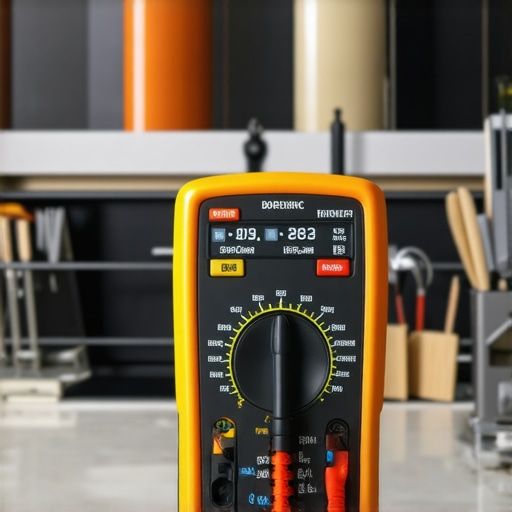
Prompt: Close-up of a digital multimeter testing a dishwasher heating element, showing precise readings, in a modern kitchen setting. Alt: Multimeter testing dishwasher component. Title: Accurate Diagnostic Tool for Appliance Maintenance.
Lessons the Manual Doesn’t Tell You About Dishwasher Maintenance
I’ve learned that even the simplest tasks, like loading dishes or selecting cycles, involve nuanced details that can make or break your dishwasher’s performance. Specifically, understanding how detergent interacts with water temperature and dispenser design has been a game-changer. For example, I once dismissed the importance of water temperature, only to discover that cold cycles left my detergent undissolved, causing residue and sticking issues. Recognizing these subtle factors has saved me frustration and costly repairs, teaching me that continuous learning about appliance quirks is key to longevity.
My Go-To Resources for Smarter Dishwasher Care
Over time, I’ve curated a toolkit of trusted tools and sources. The comprehensive diagnostic guides have been invaluable for understanding complex issues beyond basic troubleshooting. I rely on a quality digital multimeter for electrical checks, which has never let me down. To keep things spotless, the specialized cleaning brushes help prevent residue buildup. Lastly, maintaining organized records with digital document tools ensures warranty claims are smooth and stress-free. These resources have empowered me to troubleshoot confidently and maintain my dishwasher effectively.
Embrace Your Power to Keep Appliances Running Like New
Taking control of your dishwasher care isn’t just practical—it’s empowering. By applying what you’ve learned about detergent compatibility, proper loading, and regular maintenance, you can extend your appliance’s lifespan dramatically. I encourage you to view troubleshooting as an opportunity to understand your unit on a deeper level—it’s rewarding and often cost-saving. Remember, the key lies in patience and curiosity. Start small—try cleaning your dispenser more often, or test your water temperature—and witness how your appliance responds. Your efforts today will ensure your dishwasher continues to serve your home reliably for years to come. What’s one small change you’ll try first to improve your dishwasher’s performance? Share your thoughts below—I’d love to hear about your journey toward appliance mastery.