

Have you ever been in the middle of washing a pile of dishes, only to hear that sudden, dreadful grind that makes your stomach sink? I’ve been there—thinking my dishwasher was on its last legs, panicked about costly repairs or warranty claims. That lightbulb moment hit me when I realized I could use my smartphone as a secret weapon for diagnosing that elusive grinding noise. It’s like having a repair expert in your pocket, ready to analyze sounds and give you a heads-up before things spiral out of control.
Why Recording Sounds Can Save Your Dishwasher and Wallet
Sometimes, the grinding isn’t consistent—it comes and goes, making it a nightmare to pinpoint. But what if I told you that your smartphone, with just a bit of clever recording, can help identify the problem? I found this trick invaluable, especially because small issues like a worn-out circulation pump or debris stuck in the chopper can cause intermittent grinding. Understanding these sounds early might just prevent a costly repair or, even better, extension of your appliance’s life. As experts note, early diagnostics are crucial in avoiding major breakdowns and preserving your warranty benefits. (Learn more about how diagnostics can *really* save you money [[here]](https://applianceoutletpro.com/how-appliance-diagnostics-can-save-your-warranty-benefits)).
Will the Smartphone Trick Actually Fix My Problem?
Here’s the honest truth: recording alone won’t fix your appliance. But it can be a game-changer for understanding what’s happening inside. I once thought I could ignore the grinding since symptoms weren’t consistent. Big mistake. By recording the noise and analyzing it later, I noticed a pattern indicating a failing circulation motor, which a pro confirmed. This saved me from unnecessary replacements and made the repair process smoother. One mistake I made early on? I tried to troubleshoot without listening carefully—don’t make that mistake. The details matter, and this trick helps you capture them visually, audibly, and with confidence.
Now, are you ready to turn your phone into an investigative tool that empowers you? Next up, I’ll walk you through exactly how to record and analyze those intermittent grinding sounds to determine if it’s time to call in the experts or if you can handle it yourself. Let’s get started!
Prepare Your Smartphone for Sound Diagnosis
Start by ensuring your phone’s microphone is unobstructed. Find a quiet space to record your dishwasher’s noise without background interference. Open a voice recording app—most smartphones have one pre-installed—and set it to high-quality audio. I once used my iPhone’s native voice memos to capture a noisy cycle, which proved surprisingly detailed after playback. Remember, clarity is key to proper analysis, so speak or record as close to the source as possible without risking contact with water or debris.
Capture the Grinding Sound Accurately
Initiate a dishwasher cycle that produces the grinding noise. As soon as you hear the issue, tap record and let it run through the problem area. For intermittent sounds, record during multiple cycles or at different points in a cycle to compare. During one session, I filmed the noise at various intervals—first during filling, then during washing—to catch pattern changes. Consistent recordings over time help identify if the issue worsens with certain phases, aiding in pinpointing the culprit.
Analyze the Sound Post-Recording
After recording, play back the clips carefully. Look for characteristics like repetitive grinding, irregular clinking, or fluctuating pitch. Use free audio analysis tools like Audacity if needed. My neighbor’s dishwasher’s faint, high-pitched grinding became clearer when I zoomed in on the waveform, revealing a chopper blade hitting debris. Comparing these sounds with known appliance anomalies—such as a failing circulation pump or bearing issue—can help you decide whether professional diagnostics are necessary. For more insight, see how diagnostics extend your warranty.
Determine Next Steps Based on Sound Analysis
If the grinding pattern resembles a loose part rattling or scraping against metal, the part likely needs inspection or replacement. For instance, a consistent, metal-on-metal grinding might point to a worn-out circulation pump. In contrast, irregular sounds could indicate debris caught in the chopper or a misaligned motor. I once identified a wobbling circulation pump by analyzing sound frequencies, which confirmed a worn bearing—saving me a costly repair. Use your recordings to communicate clearly with repair technicians or to decide if DIY fixes are feasible. For further troubleshooting techniques, see expert diagnostics tips.
Keep Your Warranty in Mind During Diagnostics
Accurate recordings serve as valuable evidence when filing warranty claims. The clearer your audio evidence, the stronger your case for free repairs if the defect falls under warranty coverage. Be cautious—tampering or improper repairs without diagnostic backing can void your warranty, as discussed in trusting your warranty. Recording the issue also helps in avoiding unnecessary technician visits for problems you can diagnose yourself, saving time and money.
Smartphone Sound Recording as Your DIY Diagnostic Tool
Remember, your phone isn’t just for calls—it’s a powerful appliance diagnostic tool. By capturing the sound accurately, analyzing it carefully, and understanding what to listen for, you empower yourself in appliance care. Over time, you’ll recognize patterns and develop a keen ear for when a repair is urgent or a simple fix will suffice. This hands-on approach turns you from a passive owner into an active problem solver, saving both your dishwasher and your wallet.
 Many homeowners operate under myths when it comes to diagnosing dishwasher issues or navigating warranty claims. One widespread misunderstanding is the belief that all repair problems are straightforward and quickly fixed with simple troubleshooting. In reality, advanced nuances—like interpreting sound patterns or understanding the limits of manufacturer warranties—require a deeper level of knowledge. For example, relying solely on your own diagnostics without knowledge of typical failure modes might lead you to overlook critical signs, resulting in unnecessary repairs or even voided warranties. Experts emphasize that **accurate diagnostics** are essential to avoid costly mistakes, but many do not realize the importance of **proper documentation** when submitting warranty claims. Common pitfalls include misidentifying the cause of a failure or attempting DIY repairs that inadvertently void existing warranties, especially if not following recommended procedures. Additionally, some assume that every fault is covered under warranty, whereas manufacturer-specific conditions or improper use might restrict coverage.
What are the pitfalls of self-diagnosing complex dishwasher issues without expert knowledge?
Studies show that improper diagnostics can lead to a higher total repair cost, especially when the underlying problem is misinterpreted or worsened by unqualified fixes. According to appliance specialists, understanding the **hidden nuances of appliance failure patterns** greatly improves your chances of successful warranty claims and avoids common contractual traps. To protect your investment, always consult official resources and consider professional diagnostics for complex problems, like inconsistent grinding or intermittent leaks. For detailed guidance, explore how to effectively leverage diagnostic recordings and ensure your warranty claims are backed by solid evidence. Remember, knowing the subtle signs and systemic failure modes helps you make informed decisions, saving both money and frustration. Have you ever fallen into this trap? Let me know in the comments.
Equip Yourself with the Right Diagnostic Tools
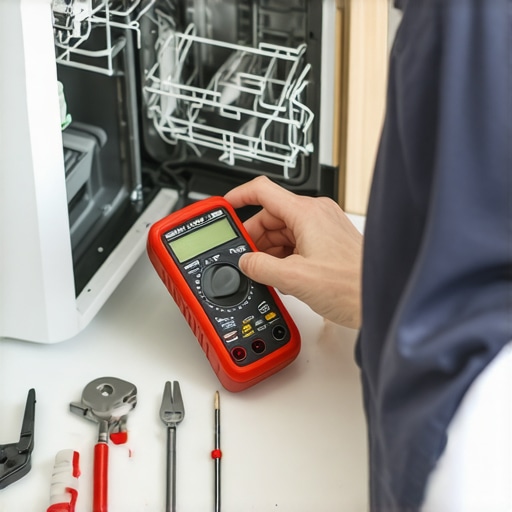
One of my favorite investments in maintaining a dishwasher is a reliable digital multimeter such as the Fluke 115. I trust it because of its accuracy and durability, allowing me to test components like heating elements or thermistors with confidence. For example, when diagnosing a stubborn heating issue, I use it to verify continuity and resistance, ensuring that parts are functioning properly before replacements. Understanding how to utilize a multimeter effectively can save you both time and money, making it an invaluable tool in your repair arsenal.
Keep Records to Track Long-Term Results
Maintaining a detailed log of your diagnostics, repairs, and maintenance routines helps identify recurring issues and predict future problems. I use a simple digital notebook to timestamp dates and describe each fix. This record not only guides me during troubleshooting but also proves invaluable when dealing with warranties, especially if a claim involves recurring faults. Proper documentation can ultimately support your case when seeking warranty service or insurance compensation, as detailed in improving warranty claims through diagnostics.
Tools I Recommend for Ongoing Maintenance
Beyond diagnostics, having easy-to-use cleaning supplies keeps your dishwasher performing at its best. I recommend regularly cleaning filters and spray arms with a toothbrush and a mixture of vinegar and baking soda—an affordable and effective way to prevent buildup. Also, a good quality degreaser like Bar Keepers Friend ensures that grease and soap scum don’t compromise seals and gaskets, extending the appliance’s lifespan. These simple tools and supplies empower you to conduct routine maintenance, reducing costly repairs over time.
How to Maintain Your Dishwasher Over Time
Consistency is key. Schedule monthly checks of filters and running a cleaning cycle with vinegar to remove mineral deposits. Use a digital multimeter periodically to verify that thermostats and heating elements function correctly, especially after long periods of inactivity or mineral buildup. Staying proactive with these measures can dramatically improve your dishwasher’s efficiency and adherence to warranty guidelines, which you can learn more about here. In the future, I predict that smart diagnostic tools embedded in appliances will become standard, giving homeowners real-time feedback and reducing downtime—a trend I enthusiastically support and recommend keeping an eye on.
Don’t wait for problems to escalate. I urge you to invest in a quality multimeter and start tracking your appliance’s performance today. For more advanced troubleshooting methods and tools, visit this resource and turn your smartphone into a comprehensive diagnostic assistant.
< >
>
What the Unexpected Cost of Overconfidence Taught Me
I used to think I could easily fix minor dishwasher issues without any help—until I learned that misreading sound clues can lead to bigger problems. My biggest lesson? Never underestimate the value of detailed diagnostics, especially when it comes to complex appliances like dishwashers. Relying solely on intuition or superficial checks often resulted in unnecessary repairs or voided warranties. The process of recording and analyzing sounds revealed subtle warning signs I would have otherwise missed, saving me time and money in the long run.
Tools and Resources That Changed My Approach
Discovering the right tools was a game-changer. A good digital multimeter like the Fluke 115 helped me confidently diagnose electrical issues. Additionally, trusted resources such as analytical guides on appliance diagnostics and in-depth troubleshooting tips became my go-to references. These tools and sources empowered me to understand my dishwasher better and make informed decisions about repairs and warranty claims.
Embracing a Hands-On Mindset for Peace of Mind
Taking control of diagnostics fostered a sense of confidence I hadn’t known before. By routinely recording sounds during operation and conducting simple tests, I built a personal database of issues and resolutions. This proactive approach not only prevented potential breakdowns but also strengthened my relationship with service technicians, as I could relay detailed findings instead of vague descriptions. If you’re serious about maintaining your appliances, adopting this problem-solving mindset can transform frustration into empowerment.
Are you ready to trust your ears and your tools to detect issues before they escalate? Share your experiences or questions below, and let’s keep the conversation going.