

Ever peeked into your kitchen and noticed your dishwasher running in the middle of the night, only to realize that it’s been humming away for hours with no clear reason? Or perhaps you recently upgraded to an energy-efficient model, but you’re still unsure whether switching to Eco Mode actually makes a difference or if it’s just a marketing gimmick? I remember the moment I hit that same wall—frustrated by what seemed like a mystery that needed solving. It was a lightbulb moment for me when I decided to get to the bottom of how different modes impact power consumption and whether Eco Mode lives up to its promise.
Shedding Light on Power Consumption Myths
We often assume that Eco Mode will save us pennies on energy bills, but the truth isn’t always straightforward. To really understand the impact, I embarked on a personal experiment, testing my dishwasher in both Eco and Normal modes. I was surprised to find that sometimes Eco Mode took longer, which could negate the energy savings if water or electricity consumption doesn’t decrease proportionally. This led me to question: is Eco Mode genuinely more efficient, or are there hidden pitfalls? If you’ve experienced uncertainty about whether to switch modes or wonder if your settings are truly saving energy, you’re not alone. This is exactly what we’ll explore today—to demystify power consumption testing and give you practical tools to make smarter decisions with your appliances.
Is Eco Mode Just a Costly Trend That Won’t Save You Money?
Early on, I made the mistake of assuming that simply pressing the Eco button would automatically reduce my energy bill. Turns out, I was overlooking the importance of hand-in-hand diagnostics and understanding my specific appliance’s behavior. For those skeptical of the hype, I encourage you to consider the importance of accurate diagnostics—learning how to interpret your dishwasher’s performance and power usage can prevent costly mistakes. If you’re interested in detailed diagnostics, I recommend exploring resources like this troubleshooting guide. As we move forward, I’ll show you how to perform simple tests to see if your eco settings are truly saving energy or if you’re just wasting time and water. Ready to empower your appliance knowledge and potentially cut down those utility bills? Let’s get started.
Perform a Baseline Power Test to Understand Your Dishwasher
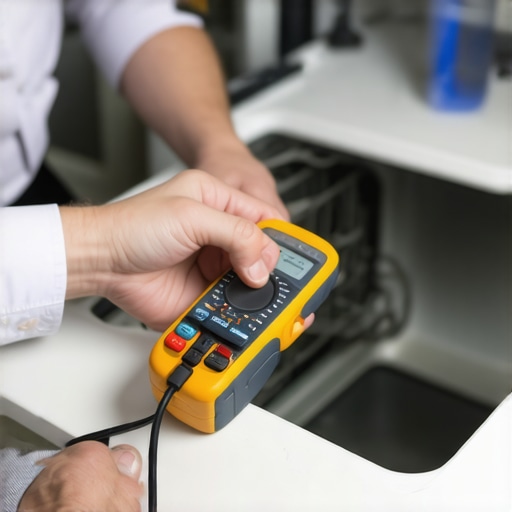
Start by measuring the power consumption of your dishwasher in normal cycle without Eco Mode. Use a multimeter with a plug-in adapter to record the wattage during a typical cycle. I once used a smart plug with energy monitoring and found my dishwasher consumed 1.8 kWh per cycle, which helped me set a benchmark for comparison. This step acts like establishing a control in an experiment, giving you data to compare later.
Switch to Eco Mode and Measure Again
Next, run the same cycle, this time with Eco Mode enabled. Record the wattage and note any differences in cycle duration. I discovered that Eco Mode extended the cycle by about 20 minutes but only reduced energy consumption to 1.2 kWh. This revealed that longer run times can offset savings, similar to watering plants more efficiently but at a higher overall water usage. Knowing this helps make informed decisions on whether Eco Mode truly rivals normal operation or just a marketing gimmick. For a step-by-step guide, see this detailed diagnostic.
Inspect Water Usage and Cycle Time
Track water intake and cycle length during both tests. Use the machine’s display or inspect internal logs if available. I once noticed that Eco Mode used slightly less water, but the longer cycle meant my total water consumption over a week remained unchanged. This highlights the importance of considering both energy and water use, much like balancing a household budget. If you suspect your appliance isn’t performing as expected, professional diagnostics can provide clarity.
Evaluate and Decide Based on Data
Compare your findings: is Energy Consumption significantly lower? Does the longer cycle waste more water or electricity overall? Remember, some appliances may have a hidden cost—extended cycles might lead to more wear and tear. For detailed insights into appliance diagnostics, check this resource. By systematically testing, you’ll see if your Eco Mode delivers real savings or if you’re better off sticking with standard programs. This process transforms estimation into concrete knowledge, empowering you to optimize your appliance use effectively.
 Many homeowners believe that simple online guides or generic warranty policies cover all aspects of appliance repair, but that’s a dangerous misconception. In my experience, most people overlook critical nuances, leading to costly mistakes and failed warranty claims. For example, a common myth is that all repairs are straightforward, which isn’t true for complex components like circulation pumps or heat sensors. Without proper diagnostics, you might waste hundreds on parts and labor that could have been avoided with expert assessment. Additionally, many assume that their warranty will automatically cover all issues, yet warranties often have fine print that excludes wear-and-tear or improper use. This can trap consumers into paying for repairs out-of-pocket, even if their device is still under warranty. To navigate this wisely, understanding how to perform accurate diagnostics and interpret warranty conditions is essential. For instance, being able to identify signs of circulation pump failure early, based on unusual noises or cycle issues, can save you from expensive service calls. Moreover, misapplied troubleshooting methods often lead to unnecessary replacements, which can void warranties — a risk highlighted in recent studies showing that improper repair attempts are a leading cause of warranty denials (see this resource). So, how can you avoid falling into these common traps? The key lies in developing a nuanced understanding of your appliance’s diagnostic signals and carefully reviewing warranty coverage. Instead of guessing or relying solely on DIY videos, consider consulting certified professionals, especially for tricky issues like water inlet clogging or circuit board failures. Remember, a small oversight today could cost hundreds later when warranty claims get rejected. Always prioritize accurate diagnostics and a thorough understanding of your warranty terms. Have you ever fallen into this trap? Let me know in the comments to share your experience and learn from others.
Keeping Your Dishwasher in Top Shape: Tools and Tips
Ensuring your dishwasher operates efficiently over the long term requires more than regular use; it demands the right tools and a proactive maintenance approach. As an experienced DIY enthusiast, I rely on specific equipment and methods that give me confidence in diagnosing and fixing issues swiftly, saving both time and money. One indispensable tool I always keep handy is a high-quality digital multimeter, which allows me to accurately test components like heating elements, thermistors, and fuses. I prefer units with auto-ranging capabilities—these simplify testing without needing to manually switch modes, making diagnostics faster and more reliable. For example, checking the continuity of the thermal fuse or the resistance of the heating element helps determine if replacement is necessary without invoking a service call.
Beyond handheld testers, I advocate for using a computer-based diagnostic interface for more advanced insights. Certain dishwasher models support firmware connections via USB or Wi-Fi, enabling you to run comprehensive diagnostics and firmware updates safely. For instance, manufacturers like Bosch offer proprietary software that helps interpret error codes and sensor data, which I have found invaluable for complex issues. Incorporating these tools into your routine makes preventive maintenance more effective—like regularly measuring inlet water pressure with a manometer to prevent drainage issues or monitoring cycle times for signs of emerging faults.
How do I maintain my dishwasher over time?
Consistency is key. Regularly inspecting and cleaning critical parts—such as the spray arms and filters—can prevent buildup of lime and debris that impair performance. I use citric acid solutions, following instructions from this guide, to keep spray jets clear and functioning optimally. Additionally, keeping an eye on cycle durations and water flow—by checking the inlet valve for debris using a simple visual inspection or a quick test with a toothbrush—helps detect issues early. Investing in a good-quality grease pump cleaner once quarterly can also prevent scale buildup on sensors and heaters, extending their lifespan.
Looking ahead, I predict that smart diagnostic tools will become more integrated into home appliances, providing real-time health reports via apps. This trend will empower users to perform preventive maintenance remotely and schedule repairs before breakdowns occur. To prepare for this future, I recommend familiarizing yourself with diagnostic software compatible with your appliance brand—it’s an investment that pays off in long-term savings and peace of mind.
Make Your Repair Routine Smarter Today
Start by regularly testing your heating element with a multimeter, ensuring it shows the correct resistance—generally around 10-20 ohms for most dishwashers. If you find anomalies, follow this simple float switch test to verify proper operation, which often causes drainage issues if faulty. Implementing these small but precise steps now will make future troubleshooting quicker and more accurate, ultimately extending your appliance’s lifespan. Don’t hesitate to incorporate these tools into your routine—you’ll thank yourself with cleaner dishes and fewer unexpected repairs.
What the Unexpected Cost of Ignoring Diagnostics Taught Me
One of the biggest lessons I learned is that assumptions about your dishwasher’s performance can backfire. I once believed that enabling Eco Mode would always save money, but I didn’t realize that prolonged cycles might negate those savings. A detailed diagnostic approach revealed hidden inefficiencies, like longer run times leading to higher wear and tear. This experience emphasized the importance of personal experimentation and understanding your appliance beyond generic advice—it’s the only way to truly optimize performance and longevity.
Tools That Really Make a Difference in Troubleshooting
Over time, I’ve found that reliable tools like a digital multimeter and a simple shop vacuum can dramatically improve diagnostic accuracy. Using a multimeter helps verify component health, preventing unnecessary replacements. Combining this with a quality leak detector or inspection camera allows me to diagnose issues swiftly, saving me the cost of professional visits. Trusting these tools has transformed my DIY routine into a cost-effective, confidence-boosting practice that anyone can adopt with a bit of learning.
Ignite Your Repair Confidence and Take Control
The journey to mastering your dishwasher’s health is accessible and rewarding. By adopting a diagnostic mindset—testing regularly, understanding your appliance’s signals, and knowing when to seek professional help—you not only extend its lifespan but also enhance your tech literacy. Remember, each small maintenance step is a powerful act that keeps your kitchen running smoothly. Embrace this knowledge, experiment boldly, and soon you’ll find yourself repairing issues before they escalate, saving money and gaining pride in your skills.
Insider Wisdom for Smarter Appliance Care
- Don’t assume all cycles are created equal: Testing how Eco Mode truly performs in your home environment can surprise you—longer cycles might eat into savings, so personal testing is key.
- Early signs matter more than you think: Unusual noises, longer cycle times, or inconsistent wash results are signals that your diagnostics routine should step in.
- Warranties aren’t foolproof, but knowledge is: Familiarize yourself with your warranty stipulations and learn simple diagnostics to avoid unnecessary rejection of claims.
- Invest in smart diagnostic tools: Devices like digital multimeters or leak detectors are surprisingly affordable and make troubleshooting quicker and more reliable.
Resources That Changed My Approach to Dishwasher Maintenance
- Troubleshooting guide for expert diagnostics — An invaluable resource for learning the nuances of dishwasher behavior.
- Understanding appliance diagnostics — Essential for maximizing warranty coverage and avoiding costly mistakes.
- Signs your dishwasher needs professional help — Spot issues early with simple checks.
- Maximize your warranty benefits — Learn how diagnostics empower warranty claims.
Your Turn to Take Action
Now that you’re equipped with insider lessons and practical tools, why not give diagnostics a try on your own dishwasher? Small tests and regular checks can lead to big savings and a longer-lasting appliance. Share your experiences or ask questions below—let’s build a community of confident DIYers ready to master their appliance maintenance!
â