

It was late evening, I was tired, and all I wanted was a quick cycle to finish before bed. But my smart dishwasher? It stubbornly refused to start. Frustration kicked in. My first instinct was to blame the machine — but then I realized something: this issue only happened during peak hours. That lightbulb went off for me. If your dishwasher won’t run when everyone’s using their appliances the most, you’re not alone, and there’s a reason behind it.
How to Tackle Your Dishwasher’s Peak Hour Dilemma
Many homeowners overlook how external factors and smart technology quirks can interfere with appliance performance during busy times. Today, I’m going to walk you through what’s really happening behind the scenes and, more importantly, what you can do about it. Whether it’s a connectivity issue, energy-saving feature, or an overload problem, understanding these details can save you time, money, and unnecessary hassle. Curious if this could be affecting your own dishwasher? Let’s unravel this mystery together.
Is It Really Worth Losing Sleep Over Your Dishwasher?
Early mistakes I made included assuming my dishwasher was faulty and rushing to call a technician without doing any diagnostics myself. Trust me, I learned the hard way that jumping straight to professional repairs isn’t always the best move. Sometimes, the root cause is a simple setting or a network hiccup that can be fixed with a bit of knowledge. Want to avoid the same pitfalls? Check out this guide on understanding appliance diagnostics — it’s a game-changer for DIY troubleshooting and maintaining your warranty benefits.
Pinpoint Your Network Glitches
When my smart dishwasher refused to connect during busy evenings, I suspected a network issue. To diagnose, I started by resetting the Wi-Fi module, which often resolves broadcast problems. I followed this simple step: disconnect the dishwasher from power, press and hold the reset button for 10 seconds, then restore power while holding the button. This re-initiates the connection process here. In my case, this cleared the connectivity hurdle and allowed the app to communicate seamlessly, restoring the machine’s functionality.
Check for Overloads and Obstructions
Next, I examined whether overloads or obstructions were causing the delay. Peak hours mean your dishwasher might be overwhelmed or blocked, akin to traffic congestion during rush hour. I opened the door, removed any debris or hard water build-up, and ensured the spray arms weren’t clogged. Using a flashlight, I inspected the spray holes and cleared any blockages with a toothpick here. After clearing the spray nozzles and confirming the door’s latch is secure, the dishwasher often resumes normal operation, even during high-usage times.
Inspect and Reset Control Settings
Sometimes, the control board gets stuck in a cycle due to a minor glitch, similar to a jammed traffic signal. I pressed and held the power button for 5 seconds to soft reset, then selected a different cycle to see if it would start. If that didn’t work, I manually reset the control board by unplugging the appliance for 5 minutes here. This step clears minor firmware hiccups, especially useful after power outages or update failures, restoring normal functions without a professional.
Test the Water Supply and Drainage
An often-overlooked cause during peak hours is a strained water supply or drainage. I checked the water inlet valve for blockages and ensured the hose wasn’t kinked or clogged with debris here. Simultaneously, I verified that the drain hose was properly elevated to prevent backflow, like a mountain stream ensuring flow only in one direction. Clearing these pathways drastically reduces cycle times and prevents error codes related to water supply issues, especially when multiple appliances draw water simultaneously.
Read Appliance Diagnostics and Warranty Advice
When troubleshooting persistent issues, consulting your appliance’s diagnostic codes can save you hours. Modern dishwashers display error codes that indicate specific problems—consult your manual or diagnostic guides to interpret them correctly. Remember, if the dishwasher is still under warranty, attempting repairs yourself might void coverage, so weigh your options carefully here.
Keep Track and Prevent Future Glitches
To prevent this trouble from recurring, keep a log of errors and maintenance steps. Regularly clean filters, check for firmware updates via manufacturer apps, and avoid overloading during peak hours. For instance, I started scheduling heavy-duty cycles for early morning instead of evening rush, reducing strain. These proactive practices extend your appliance’s lifespan and maintain peak performance, especially when multiple household devices compete for power and water during busy times.
Many homeowners operate under misconceptions surrounding appliance warranties and diagnosis procedures. A common myth is that warranty coverage automatically includes all repair costs, but in reality, many plans exclude certain parts or DIY interventions, especially if non-authorized technicians are involved. This misunderstanding can lead to costly disputes or voided warranties, so always review your warranty terms thoroughly here. Another often overlooked nuance is the false belief that fault codes always point directly to faulty components. In fact, modern dishwashers can generate misleading diagnostics due to minor sensor glitches or software bugs. Relying solely on error codes without expert interpretation risks unnecessary replacements or repairs here. Advanced repair practitioners recognize that many issues stem from small issues like clogged filters or loose wiring, which can be overlooked if one just trusts a code reading. For example, a dishwasher not draining properly could be due to a blocked sump filter rather than a defective drain pump—saving you money and time. The secret lies in understanding the complexity of appliance diagnostics beyond basic error codes, which can prevent unnecessary and expensive parts replacements, prolonging the lifespan of your device. Consider the hidden trap: many believe that if the warranty is active, repairs are straightforward—yet, manufacturers often impose strict conditions, requiring that repairs be performed by authorized technicians, or they may deny coverage if DIY fixes are attempted. This is a crucial detail often missed, as attempting a DIY repair after reading online guides might void your warranty if not done according to specific guidelines. Additionally, some consumers are misled by the assumption that all professional repairs are equally reliable; however, unlicensed repair services might cause further damage or fail to correctly diagnose complex issues, leading to more expenses down the line. To navigate this landscape, always refer to trusted diagnostic resources and ensure repairs are documented properly here. Ultimately, knowing the intricacies of warranty conditions and diagnostic accuracy enables you to make informed decisions—saving money and maintaining the integrity of your appliances. Have you ever fallen into this trap? Let me know in the comments or reach out through contact to share your experiences.
How do I maintain my appliance diagnostics system over time?
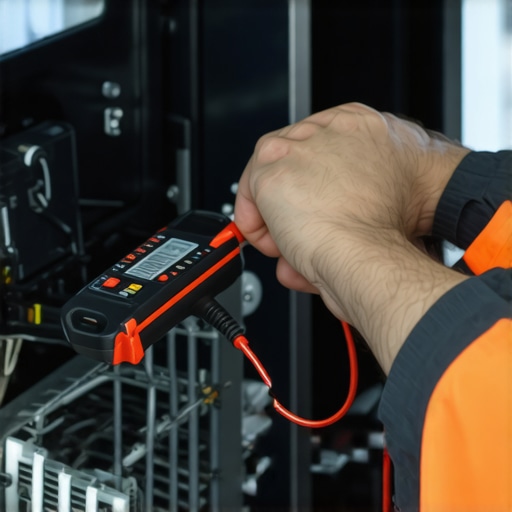
One of the most effective ways to ensure your dishwasher stays in top shape is investing in a high-quality digital multimeter. I personally rely on the Fluke 117 since it offers precise readings of voltage, resistance, and continuity—vital for troubleshooting electrical components like heating elements or control boards. Additionally, a good smartphone with a decibel meter app helps me detect motor wear or wiring issues by monitoring unusual noise levels, especially during cycles. Regularly checking these parameters allows me to catch problems early, preventing costly breakdowns and safeguarding my warranty coverage here. For complex issues, a Ultrasonic Leak Detector is a game-changer, pinpointing small leaks or air gaps that can cause performance drops.
Beyond tools, maintaining a detailed log of repairs, diagnostics, and maintenance tasks helps identify recurring issues. Keeping firmware up-to-date via manufacturer apps ensures that your smart appliances communicate effectively and benefit from the latest bug fixes—this is especially important as technology advances. Over time, these practices contribute to a proactive maintenance routine, extending your appliance’s lifespan and reducing reliance on professional repair services.
What tools do I recommend for long-term appliance care?
For long-term care, I recommend a well-stocked toolkit including a multimeter, a set of small screwdrivers, and cleaning brushes dedicated to spray arms and filter assemblies. A digital multimeter isn’t just for electrical issues; it helps verify the integrity of wiring harnesses and switches during routine inspections. Keeping spare control board components, like relays or sensors, on hand can be invaluable if a troubleshooting session points to a component replacement. Moreover, using specialized cleaning solutions compatible with your dishwasher’s materials prevents mineral buildup and keeps components like the heating coil or pump impellers functioning efficiently. Maintaining your appliance with these reliable tools ensures consistent performance and can help you detect issues before they escalate.
Planning for scalable repairs and upgrades
As smart appliances become more prevalent, planning for future upgrades involves choosing tools that are compatible with evolving diagnostic protocols. For instance, integrating Wi-Fi-enabled inspection cameras allows me to visually monitor interior components without disassembly—saving time and avoiding accidental damage. Purchasing diagnostic software compatible with your appliance brand can help interpret error codes more accurately; many manufacturers offer proprietary apps, but third-party options are expanding in reliability. Looking ahead, I predict that AI-powered diagnostics will play a larger role, enabling predictive maintenance. Embracing these advancements now with suitable tools prepares you for seamless scaling of your appliance care strategies.
To truly maximize your appliance’s longevity, start implementing one advanced troubleshooting tip today: use your multimeter to test the continuity of the door lock switch. This small component often causes cycle failures and is easy to check with a multimeter set to resistance mode. Performing this test regularly can prevent unnecessary replacements and keep your dishwasher operating reliably. Curious about more sophisticated diagnostics? Dive into this resource for detailed guidance and elevate your maintenance game.
Looking back, I realized that many appliance issues, especially with smart appliances like dishwashers, are often linked to external factors beyond the machine itself. The lessons I learned about patience, thorough diagnostics, and understanding your device’s environment transformed the way I approach repairs. Sometimes, the problem isn’t with a faulty component but with network stability or user settings that overlook peak-hour conditions. These insights not only saved me money but also empowered me to troubleshoot confidently, turning frustration into a learning experience.
Why I Prioritized Diagnostics Over Guesswork
- I discovered that seeking quick fixes without proper diagnostics often leads to unnecessary expenses or voided warranties. Taking time to interpret error codes and test components with reliable tools gave me clarity and peace of mind.
- Understanding that firmware updates and network stability play a crucial role in smart appliance performance helped me avoid blaming the hardware prematurely.
- Regularly recording maintenance steps and anomalies turned troubleshooting into an organized process, preventing recurring issues from catching me off guard.
- Knowing when to call a professional based on diagnostic insights rather than assumptions protected my warranty coverage and ensured quality repairs.
- The realization that smart appliances are interconnected systems prompted me to look beyond individual parts, considering how external conditions like power fluctuations or network bandwidth affect operation.
Tools and Resources That Make a Difference
- High-Quality Digital Multimeter: For precise electrical testing, I trust the Fluke 117 for its accuracy and durability, which helps me diagnose control board issues effectively.
- Smartphone Diagnostic Apps: Apps that interpret error codes or monitor network performance streamline the troubleshooting process, especially when multiple devices are in play.
- Cleaning and Maintenance Supplies: Regularly using recommended cleaning solutions and tools to prevent clogs or obstructions keeps my dishwasher performing optimally and avoids unnecessary failures during peak times.
- Reliable Online Guides and Manufacturer Resources: Accessing trusted tutorial sites and manuals ensures I understand the nuances of my model, avoiding costly trial-and-error methods.
Your Next Step to Smarter Maintenance
Armed with these insights and tools, you’re better equipped to tackle dishwasher hiccups during busy hours. Remember, proactive diagnostics and understanding the bigger picture—like network health and proper settings—are key to keeping your appliance running smoothly. The more you learn about your smart dishwasher, the less you’ll fear peak-hour frustrations, turning them into opportunities for maintenance mastery—and saving time and money in the process.
What has been your biggest challenge with troubleshooting your smart dishwasher, especially during peak times? Share your experiences below or reach out for personalized advice!