

Have you ever stood in your kitchen, staring at that blinking error code on your dishwasher, feeling a mix of frustration and helplessness? I sure have. One day, after what felt like the hundredth frustrating failed cycle, I realized something unsettling — that error code wasn’t telling me the full story. It was like the machine was lying, or at least hiding the truth.
How I Learned to Decode My Dishwasher’s Secrets
That moment of realization sparked a journey into appliance diagnostics that changed the way I troubleshoot. You see, many of us trust those blinking lights and error messages, assuming they’re gospel. But in my experience, they can be misleading or outright wrong. This miscommunication can lead to unnecessary repairs, wasted time, and sometimes, just plain confusion.
Today, I want to share the practical steps I’ve learned to accurately interpret those codes and avoid the common pitfalls that trip up most homeowners. Because let’s face it — a misdiagnosed appliance problem can cost a lot, and not just in money but in the frustration of a dishcloth full of dirty dishes.
Ever Felt Betrayed by an Error Code?
Early in my appliance repair adventures, I made the mistake of blindly trusting that error code. I replaced parts that seemed logically related, only to find the problem persisted. It was a costly lesson and a reminder that error codes are more like clues than definitive diagnoses. According to appliance expert sources, misinterpreting these signals can lead to ineffective repairs and voided warranties — so understanding what they really mean is crucial.
If you’ve been down this rabbit hole, you’re not alone. Many homeowners face the same confusion, often because they lack the right diagnostic knowledge or tools. That’s why I’ve committed to breaking down the process, so next time you see that error code, you’ll know exactly how to approach it — whether to troubleshoot yourself or know when to consult a professional. Ready to cut through the noise and get to the truth of your dishwasher’s health? Let’s dive into how to interpret those mysterious codes correctly and ensure you’re making informed decisions. For further insights on when to trust a warranty or how diagnostics can safeguard your repairs, check out this guide.
Start with a Clear Error Code Interpretation
When your dishwasher flashes an error, don’t just glance at the number and assume. Cross-reference it with your model’s manual or trusted online resources. For instance, an error code like E3 often signals a door latch issue, but it could also mean a heating problem. I recall facing a code that I thought indicated a clogged drain, yet it turned out to be a faulty thermistor. Accurate interpretation saves you from unnecessary parts replacement and gets to the root faster.
Identify Actual Symptoms vs. Error Messages
Next, observe the symptoms during operation. Is it not draining, not drying, or not filling? Sometimes, the machine’s error code masks the real problem. Remember, codes are clues, not the diagnosis itself. Once, I thought my leak was due to a door seal because of a leak error, but after inspecting, I found a cracked inlet valve. Matching symptoms with error codes guides precise diagnostics.
Use Diagnostic Tools Effectively
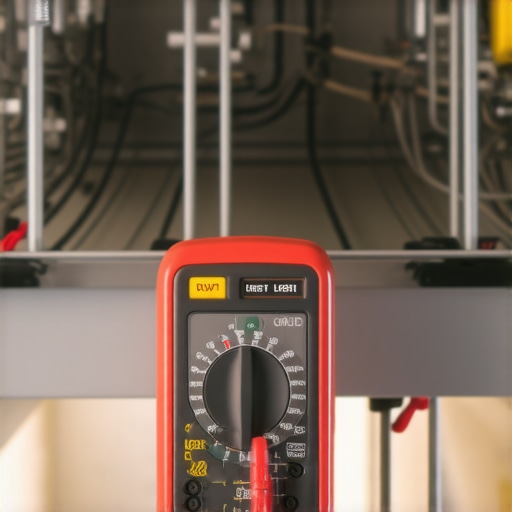
Equip yourself with basic tools: a multimeter, a flashlight, and a smartphone app for noise analysis. Testing components like the heating element, float switch, or circulation pump with a multimeter reveals their condition. I once tested my dishwasher’s thermal fuse using a budget multimeter—finding it open-circuited—and replaced it, resolving my issue instantly. These simple tests prevent guesswork and ensure you’re targeting the right part.
Leverage Official Resources and Troubleshooting Guides
Consult manufacturer troubleshooting guides or reputable repair sites. They often have step-by-step diagnostic procedures matching your error code. For example, [this guide](https://applianceoutletpro.com/troubleshooting-dishwasher-problems-expert-diagnostics-repair-tips) walks you through common issues and tests. Following official steps reduces the risk of misdiagnosis and helps you document issues should you need warranty service.
Document and Record Faults
Keep a detailed record of what you observe: error codes, symptom descriptions, and test results. Using your phone to record the sounds of a failing motor or abnormal noises provides valuable info for a technician later or for your repair log. I learned this when troubleshooting a grinding noise—audio recordings clarified the bad circulation pump bearing, saving diagnostic time.
Test Safely and Know When to Call Professionals
Always disconnect power before testing or inspecting internal components. If you encounter complex issues—like suspected wiring faults or persistent error codes after basic troubleshooting—it’s wise to consult a professional. Remember, some repairs can void warranties if mishandled; check your [warranty guidelines](https://applianceoutletpro.com/when-to-trust-a-warranty-for-dishwasher-repairs) before proceeding.
Identify Indicators for Service
Watch for signs that diagnostics require expert intervention: persistent errors after resetting, electrical burning smells, or sudden appliance failure. The [top signs](https://applianceoutletpro.com/top-signs-your-dishwasher-needs-professional-diagnostics) help determine when DIY ends and professional help begins, preventing further damage or voiding warranties.
 Many homeowners operate under the misconception that appliance warranties cover every repair issue, leading to risky assumptions that can backfire. In reality, warranties often have nuanced exclusions, especially concerning DIY repairs or neglecting proper diagnostics. For instance, a common myth is that replacing a part automatically preserves your warranty, but some manufacturers void coverage if repairs aren’t documented or performed by authorized technicians according to industry experts. This misunderstanding can tempt owners into making repairs themselves without understanding the warranty’s fine print, risking costly denials later on.
Furthermore, many assume that blinking error codes are always accurate diagnostics, but advanced troubleshooting reveals that these signals are often misleading. Relying solely on error codes without comprehensive diagnostics can result in unnecessary replacements, which may not address the root problem and might even void warranties if improper procedures are followed as outlined in expert analyses.
A more insidious misconception is believing that all repairs are straightforward, ignoring the importance of understanding appliance nuances and advanced troubleshooting techniques. For example, failing to recognize subtle signs such as irregular motor noises or water leaks can lead homeowners astray, causing them to overlook complex issues that require professional intervention. This often results in ‘quick fix’ attempts that temporarily mask problems but lead to worse damage raising the risk of costly repairs.
An advanced question homeowners should consider is: how do diagnostic inconsistencies impact warranty claims? The answer lies in the need for detailed records and proper diagnostics to ensure warranty coverage remains intact. Using professional diagnostic tools can reveal hidden faults not apparent through error codes alone, saving money and protecting your warranty a strategy supported by appliance specialists.
By understanding these nuances and avoiding common myths, homeowners can navigate repairs more confidently, ensuring they aren’t caught in costly traps. Always consult detailed guides and professional services when in doubt, and document every step for warranty protection. Have you ever fallen into this trap? Let me know in the comments.
Maintaining your dishwasher over the long haul requires more than just routine loading and unloading. The right tools and a disciplined approach to diagnostics can extend the life of your appliance and prevent costly repairs. As someone who has faced stubborn leaks, sensor misreads, and forgotten maintenance tasks, I can tell you that equipping yourself with specialized equipment makes all the difference.
How do I keep my dishwasher in top shape with effective tools?
First, invest in a high-quality digital multimeter. I prefer models like the Fluke 115 because of their durability and accuracy when testing components like heating elements or wiring. A multimeter allows me to swiftly verify if a part like the thermal fuse or relay is functioning correctly, saving me from unnecessary replacements. Using a smartphone decibel meter app, such as SPL Meter, helps me detect unusual motor noises, indicating wear before a breakdown occurs.
Secondly, having a flexible inspection mirror and a small flashlight is invaluable when inspecting tricky spots like spray arms or door seals. These simple tools give me a clear view without dismantling major components unnecessarily. For example, when diagnosing a persistent leak, I use a mirror to check the gasket area without removing the door entirely.
What about software and advanced diagnostics?
Modern dishwashers often feature diagnostic modes accessible through app integrations or button sequences. Learning how to activate and interpret these diagnostics can pinpoint issues that error codes alone can’t reveal. For instance, connecting my smartphone via Wi-Fi to supported models allows me to run comprehensive tests on sensors and circuits, offering real-time feedback. As industry experts suggest, leveraging official troubleshooting tools reduces the risk of voiding warranties and ensures accurate repairs (see more here).
Third, maintain a detailed repair log using your smartphone’s notes or a dedicated app. Documenting error codes, test results, and repair steps helps track recurring issues and provides valuable data if professional service becomes necessary. I’ve found that visual records, such as photos of worn components or recordings of abnormal sounds, expedite technician visits and ensure accurate diagnostics.
Looking ahead, integrating IoT-enabled diagnostics and predictive maintenance sensors will revolutionize appliance longevity. Imagine your dishwasher notifying you proactively when parts are nearing failure—saving energy, water, and repair costs. Staying updated with software tools and diagnostic techniques equips you to troubleshoot confidently, saving money in the process. I encourage you to try testing your thermal fuse with a multimeter this week, as it’s one of the simplest yet most revealing checks you can do yourself.
What No One Tells You About DIY Repairs and Warranties
One of the most eye-opening lessons I’ve learned is that trusting error codes blindly can lead you astray. Manufacturers’ warranties often have fine print that surprises many homeowners—voiding coverage if repairs aren’t documented properly or performed with approved tools. This revelation pushed me to become more strategic, understanding that DIY fixes require precision and awareness of warranty policies to avoid costly pitfalls.
Additionally, I discovered that not all diagnostic signals are reliable indicators of the root problem. Sometimes, a misleading error code masks underlying issues that require an experienced eye. Rushing into parts replacement based on an error message alone often results in unnecessary expenses. Instead, adopting a layered diagnostic approach—pairing symptoms with deep research—has been transformative in managing appliance health and warranty integrity.
Another lesson was recognizing the limitations of basic troubleshooting. Advanced issues may not resolve with simple resets or cleaning, which meant investing in proper diagnostic tools became essential. Devices like a quality multimeter or apps for noise and vibration analysis have saved me countless trips to the repair shop. Knowing when to escalate from DIY to professional intervention protects your warranty and ensures lasting fixes.
I also learned that keeping detailed records—photos, videos, test results—can streamline warranty claims and repairs, especially when technicians need a clear picture of recurring issues. This documentation can be the key to preserving your coverage and avoiding disputes with manufacturers, emphasizing that patience and thoroughness often pay off in appliance maintenance.
Finally, understanding the nuanced difference between minor glitches and serious faults is vital. Persistent faults after troubleshooting, unusual smells, or electrical concerns signal that professional diagnostics are necessary. Recognizing these signs prevents worsening damage and helps you leverage warranty coverage effectively, rather than risking voiding it through hasty repairs.
My Essential Tools to Stay Ahead With Dishwasher Troubleshooting
A reliable digital multimeter, like the Fluke 115, is my top recommendation—trustworthy and precise for testing heating elements and wiring continuity. An infrared thermometer helps check for uneven heating, revealing hot spots or malfunctioning sensors early. Apps such as a decibel meter assist in gauging motor noise levels, alerting me to silent failures before they escalate.
Access to manufacturer troubleshooting guides and online forums has been invaluable—platforms that guide you step-by-step through error codes and component tests. Resources like the detailed guides at this troubleshooting hub ensure I don’t miss critical diagnostics. Combining these tools and resources creates a robust safeguard against unnecessary repairs and warranty issues.
Moreover, maintaining a repair journal—documenting error codes, test outcomes, and repairs—serves as a personal reference that can simplify future troubleshooting and warranty claims. Visual records, like photos or voice recordings of abnormal noises, provide concrete evidence that can save you time and money later. This proactive approach builds confidence and minimizes guesswork during appliance maintenance.
Looking toward the future, embracing smart diagnostics—where available—can revolutionize how we troubleshoot. Connecting appliances to Wi-Fi networks allows remote diagnostics, reducing inconvenience and providing detailed error reports directly to manufacturers or technicians. Staying updated with these innovations ensures your dishwasher remains a reliable partner for years to come, and that you’re prepared for the unexpected.