

It was late at night when I finally lost it—my dishwasher started its relentless whistling during the rinse cycle, and I couldn’t ignore it anymore. That high-pitched noise was not only loud but also downright maddening, disrupting my peace and making me wonder if I’d accidentally switched to a jet engine instead of a household appliance. Like many homeowners, I initially brushed it off, thinking it was just a minor glitch. But the noise persisted, growing more irritating with each cycle, prompting me to ask, “Is this normal? Or am I about to face a costly repair?”
Why a Silent Dishwasher Matters More Than Ever
A noisy dishwasher can be more than just an annoyance; it might signal underlying issues that, if ignored, could lead to bigger problems, costly repairs, or even voided warranties. It’s the kind of problem that slips under the radar until it refuses to stop, forcing you into inconvenient and frustrating troubleshooting. Personally, I learned that silent operation isn’t just about comfort—it’s a sign of properly functioning components, and there are simple fixes that can restore peace in your kitchen.
If you’ve faced this whistling dilemma, you’re not alone. The good news is, with some patience and basic diagnostic know-how, you can tame that noise and restore tranquility. Today, we’ll explore how to identify the root cause of that annoying whistle and what practical steps you can take to silence your dishwasher’s rinse cycle once and for all.
Is Repairing a Whistling Dishwasher Worth the Hassle?
Early in my troubleshooting journey, I made the mistake of ignoring small noises, thinking they were minor glitches. That was a costly oversight because neglecting such symptoms can lead to worse issues—like damaged pumps or seals that could require expensive replacements. I’ve come to realize that tackling these problems early not only saves money but also protects your appliance’s longevity. If you’re skeptical about whether a simple fix is effective, know that many homeowners have successfully addressed these noises with straightforward diagnostics and DIY repairs. For more insights, check out [this guide on understanding appliance diagnostics](https://applianceoutletpro.com/understanding-appliance-diagnostics-improving-your-warranty-claims). Now, let’s dive into the specific causes behind that seemingly innocuous whistling sound and how you can resolve it—often without calling a technician.
Isolate the Source of the Whistling Sound
Start by listening carefully during the rinse cycle to locate exactly where the noise originates—whether it’s from the spray arm, pump, or water inlet. I once faced a similar issue where the whistle was coming from the water inlet valve. To confirm, I opened the dishwasher door mid-cycle and had a friend run a cycle while I listened closely. Once confirmed, I moved to the next step.
Inspect and Clean the Water Inlet Valve
Use a flashlight to examine the inlet valve for debris, mineral buildup, or damage. If buildup is evident, disconnect the water supply and remove the inlet valve. Clean the filter mesh with vinegar or a soft brush, ensuring no debris blocks water flow. Reassemble and test the cycle. This simple cleaning often reduces or eliminates the whistle.
Check for Loose or Damaged Hoses
Loose or kinked hoses can cause whistling due to trapped air or pressure changes. Locate the inlet and drain hoses at the back, and ensure they’re securely attached and unobstructed. Tighten any loose clamps and replace damaged hoses. When I found a kink in my drain hose, straightening it resolved the excess pressure, which stopped the whistling.
Adjust Water Pressure and Flow
High water pressure can cause a whistling noise. Use a pressure gauge on your kitchen sink or laundry faucet to check pressure; it should be between 40-80 psi. If too high, install a pressure-reducing valve, or contact your water provider. Lowering the pressure reduces stress on internal components, decreasing noise. Remember, high water pressure can also affect your dishwasher’s warranty—review https://applianceoutletpro.com/how-appliance-diagnostics-can-save-your-warranty-benefits for related tips.
Test and Replace Faulty Components
If cleaning and adjustments don’t work, consider replacing the water inlet valve or the spray arm. Use a multimeter to test electrical continuity if you suspect electrical issues. For instance, I replaced a malfunctioning inlet valve that was causing a high-pitched whine, restoring silence and efficiency. Always disconnect power before inspecting electrical parts, and consult your appliance’s manual or a professional for complex repairs.
Document Your Repairs to Protect Your Warranty
Keep detailed records of each step, parts replaced, and dates. Photos are invaluable if you need to file a warranty claim later. Proper documentation can be the difference between a successful claim or rejection, especially if your warranty covers internal components. Learn more about how diagnostics support your warranty here: https://applianceoutletpro.com/how-appliance-diagnostics-can-save-your-warranty-benefits.
When to Seek Professional Help
If the noise persists despite these steps, it’s time to consult an expert. Persistent whistling may indicate deeper problems like a failing pump or control board, which require specialized tools and knowledge. For advanced diagnostics, consider https://applianceoutletpro.com/troubleshooting-dishwasher-problems-expert-diagnostics-repair-tips, or contact a certified technician through https://applianceoutletpro.com/contact-us. Remember, attempting repairs beyond your skill level can void your warranty or cause further damage.
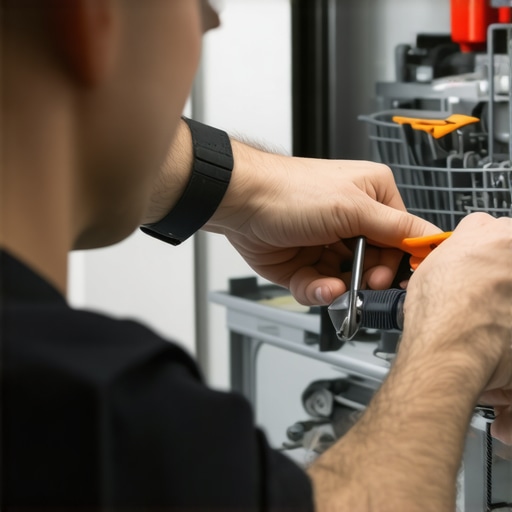 Many homeowners operate under misconceptions about appliance repair that can lead to costly mistakes and missed warranty protections. One widespread myth is that all diagnostic procedures are straightforward and can be reliably performed without expert knowledge. In reality, advanced diagnostics often require specialized tools and an understanding of intricate appliance systems, as noted by industry experts who emphasize the importance of proper troubleshooting techniques for effective repairs. Believing that you can simply follow basic online guides without deep system knowledge can result in misdiagnosis and unintended damage. For instance, replacing parts without confirming the root cause might void your warranty, especially if diagnostics are not documented thoroughly, as highlighted by https://applianceoutletpro.com/how-appliance-diagnostics-can-save-your-warranty-benefits.
Another misconception is that warranties cover all repair costs, leading many to delay professional help. Warranties often exclude wear-and-tear components or damage caused by incorrect DIY repairs, which can be a costly trap. Reviewing the warranty terms carefully (see https://applianceoutletpro.com/when-to-trust-a-warranty-for-dishwasher-repairs) is essential before attempting repairs yourself or hiring a technician.
Advanced repair mistakes often stem from neglecting nuances like water pressure variations or electrical fault indicators that are not immediately obvious. For example, an unnoticed high water pressure might cause persistent whistling noises, but many homeowners ignore this clue, risking further component stress or damage. Recognizing these hidden signals—such as subtle sounds or cycle inconsistencies—is crucial for accurate diagnostics.
A common trap is misinterpreting normal operational noises as faults. Appliances often produce sounds during cycles that are mistaken for issues, leading to unnecessary repairs or replacements. Differentiating between typical sounds and genuine problems requires experience and understanding of appliance behavior, as explained in expert diagnostic guides available at https://applianceoutletpro.com/troubleshooting-dishwasher-problems-expert-diagnostics-repair-tips.
Lastly, a critical nuance is that not all repairs increase appliance lifespan equally. Performing a quick fix might temporarily silence a noise but could mask underlying issues that worsen over time. Documenting repairs meticulously, including parts replaced and diagnostics performed, is necessary to preserve warranty coverage, aligning with advice found at https://applianceoutletpro.com/how-appliance-diagnostics-can-save-your-warranty-benefits.
Are you aware of these hidden nuances and common myths? Have you ever fallen into this trap? Let me know in the comments to help fellow homeowners avoid costly misdiagnoses and warranty pitfalls.
Reliable Tools That Simplify Maintenance
Investing in high-quality diagnostic tools is essential for anyone serious about appliance upkeep. For example, a digital multimeter like the Fluke 115 provides precise readings for electrical components, enabling me to identify faulty wiring or defective sensors quickly. I personally prefer a digital stethoscope to listen to the motor and pump sounds, helping pinpoint unusual noises that could indicate issues before they escalate. Utilizing these tools regularly empowers you to perform preventive maintenance, saving time and money in the long run.
Adopting Effective Methods for Longevity
Establishing a routine check of water inlet filters and drain screens can prevent major clogs and leaks. I recommend flushing these components monthly with vinegar to dissolve mineral deposits, which often cause pressure changes and noise, including whistling sounds during cycles. Documenting your maintenance activities in a dedicated log not only keeps track of repairs but also supports warranty claims if necessary. For more comprehensive guidance, explore this expert article on diagnostics and warranties.
Future Trends: Smart Diagnostics and Automation
Looking ahead, I predict a surge in smart diagnostic devices that connect via Wi-Fi or Bluetooth, enabling real-time monitoring and AI-driven problem detection. Devices that alert you to issues before failure, like high water pressure or motor wear, will become standard, making appliance maintenance more proactive than ever. Integrating these innovations with existing tools will further extend appliance lifespan and optimize performance, aligning with the trend towards smarter homes and appliances.
How do I maintain appliance diagnostics over time?
Consistently updating diagnostic software and calibrating your tools ensures accuracy. Regularly checking for firmware updates for smart devices, and verifying multimeter calibration, will give you reliable readings. Additionally, staying informed about common failure modes—like pump wear or control board issues—through trusted sources helps you anticipate and address problems early. Remember, properly maintaining your diagnostic tools and staying abreast of technological advances are key to sustaining appliance health and warranty protections. Learn more about how diagnostics can save your warranty here. If you’re ready, try using a laser thermometer to check your dishwasher’s wash temperatures and identify potential overheating before it becomes a bigger problem.
3 Unexpected Truths That Changed My Approach to Dishwasher Troubleshooting
One of the hardest lessons I learned was that not every whistling noise signals a simple fix; sometimes, hidden issues demand a deeper dive, like checking water pressure or inspecting electrical components. I realized that jumping straight to replacing parts without thorough diagnostics often wastes time and voids warranties. Patience and meticulous inspection became my best allies, teaching me that understanding the root cause is essential to truly silence that disruptive whistle.
My Go-To Resources That Keep Me Confident
Over time, I found that tools like a high-quality multimeter and a digital decibel meter are invaluable for accurate diagnostics. The insights on proper diagnostics from experts have helped me avoid costly mistakes. Additionally, the detailed repair guides on trusted websites like this one have empowered me to perform DIY fixes confidently, ensuring my appliance stays in top shape while preserving warranty protections.
Why I’m Now a Dishwashing Enthusiast—and You Can Be Too
Taking the time to learn and troubleshoot my dishwasher has transformed my entire kitchen experience. I no longer panic at odd noises or minor leaks because I see them as opportunities to learn. Remember, proactive maintenance and proper diagnostics not only extend the lifespan of your appliances but also keep your warranties intact. Embrace the process, stay curious, and don’t shy away from fixing issues yourself—your home will thank you!
What’s been your biggest revelation when tackling appliance repairs? Share your stories below—I’d love to hear how you’ve managed to turn a frustrating noise into a learning opportunity!