

It was a typical Tuesday afternoon when my dishwasher suddenly decided to throw a fit, refusing to start despite being plugged in and loaded with clean dishes. I opened the panel and saw it—tiny, rust-colored specks on the main control board, nestled right behind the electronic components. My stomach sank. I realized that corrosion had begun to eat away at the heart of my appliance, and I had no idea how to spot the signs early enough to prevent a costly repair.
Why Catching Corrosion Early Matters More Than You Think
Corrosion on your main control board isn’t just a cosmetic issue; it’s a real threat to the functionality and safety of your appliances. Over time, moisture and tiny particles can cause metal parts to deteriorate, creating electrical shorts that lead to complete failure. According to industry experts, corrosion is the leading cause of control board failures in modern dishwashers and other household appliances, often going unnoticed until major damage occurs. If you’re like me, perhaps you’ve experienced the frustration and expense of sudden breakdowns that could have been prevented with a simple visual check.
But here’s the kicker: many homeowners overlook these early warning signs, thinking a little discoloration is normal or unimportant. The mistake I made early on was ignoring the tiny rust spots because I assumed they were just dust or dirt. Trust me—accepting that misconception can cost you big time.
So, in this post, I’ll share my personal tips and practical advice on how to spot corrosion before it becomes an emergency. By understanding what to look for and how to inspect your control board safely, you could save yourself a lot of hassle, money, and stress in the long run. Plus, I’ll guide you towards reliable diagnostics resources, like this detailed article on how appliance diagnostics can protect your warranty.
Let’s dive into the biggest red flags and simple steps you can take right now to keep your appliances running smoothly.
Isolate the Control Board Safely
Before inspecting, unplug your dishwasher to eliminate electrical hazards. Remove the kickplate at the bottom, usually secured with screws, to access the control panel. Use a magnetic screwdriver to avoid damaging sensitive components. Remember, safety first—never work on live appliances.
Identify Visible Signs of Corrosion
Look closely for rust, discoloration, or greenish deposits on the control board and surrounding connectors. Use a flashlight to illuminate dark corners. Think of this step as examining a car’s engine for rust; the tiniest speck can indicate deeper issues, much like I found that rusty spot that led me to early intervention.
Document Your Findings
Take clear photos of any corrosion spots and suspect areas. This visual record helps if you consult a technician or need to reference the damage later. It’s like capturing evidence in a mystery—every detail counts for accurate diagnosis.
Clean Surface Contaminants Carefully
Use isopropyl alcohol and a soft brush or cloth to gently remove dirt and corrosion residues. For stubborn spots, dab—not rub—to prevent spreading corrosion further. Avoid liquids seeping into other components. Think of it as cleaning a wound; gentle precision is key to preventing infection—here, electrical failure.
Check for Underlying Causes
Assess moisture exposure sources—poor door seals, clogged drainage, or hard water buildup—since these foster corrosion. Regularly inspecting door gaskets for tears and cleaning filters reduces moisture ingress, akin to keeping your house dry to prevent mold.
Use a Multimeter to Test Continuity
With the control board reassembled, cautiously reconnect power and use a multimeter to test the circuit paths. This verifies if corrosion has caused open circuits or shorts. If you’re inexperienced, consult a professional via resources like this diagnostic guide for accurate testing techniques.
Monitor for Early Warning Signs
Set reminders to periodically inspect control boards, especially if your dishwasher shows intermittent faults or unusual noises. Catching corrosion early is like noticing a small leak before it floods—the key is regular vigilance.
Consult Professional Diagnostics
If you detect corrosion but are unsure how extensive it is or how to fix it, seek expert evaluation. Reliable diagnostics can identify hidden issues and determine if repairs are cost-effective versus replacing parts. Remember, tools like professional testing can save your warranty and prevent costly replacements—more details are available here.
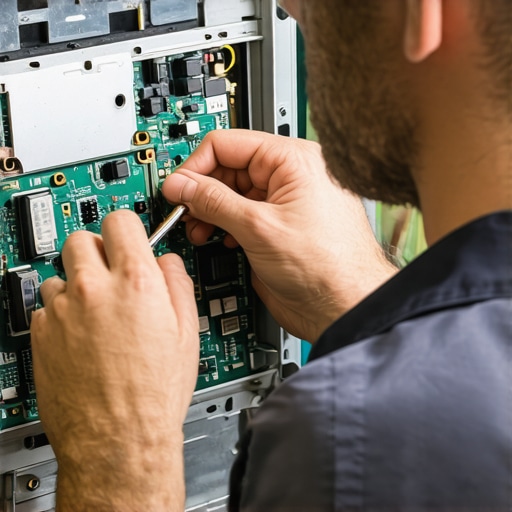 Many homeowners operate under misconceptions about appliance repair, warranties, and diagnostics, often leading to costly mistakes. For example, a widespread myth is that all warranty claims are straightforward and always cover repairs. However, experts warn that warranties frequently exclude damages caused by hard water or improper maintenance, a nuance many overlook. This oversight can leave you paying out of pocket for repairs that might have been covered, if only you’d understood the warranty’s fine print. For more on maximizing your warranty benefits, visit this detailed guide.
Another common misconception is that DIY diagnostics are foolproof. While basic inspections can save you money, advanced issues—like hidden corrosion or circuit board failures—require professional tools and expertise. Attempting to repair or diagnose complex problems yourself can inadvertently worsen the damage or void your warranty. To avoid this trap, consult resources like professional troubleshooting tips.
A sneaky pitfall is believing that newer appliances are less prone to issues. The truth is, advanced features like Wi-Fi connectivity and sensors introduce new failure points, especially if not properly maintained. For instance, neglecting to calibrate sensors, like the turbidity sensor, can cause prolonged wash cycles or even damage to internal components. Check out this calibration advice for ensuring your machine functions optimally.
Have you ever fallen into this trap? Let me know in the comments.
Many assume that all repair services are created equal. The reality is, third-party repair companies sometimes lack access to OEM parts or comprehensive diagnostic tools, risking inferior repairs or even damage to your appliance. This can jeopardize your warranty protections, especially if the repair isn’t documented properly. Learning when to trust a warranty for repairs is crucial, as discussed in this article.
Stepping beyond basics, some homeowners believe that ignoring early warning signs won’t lead to trouble. But small issues—like minor corrosion spots—can quickly escalate if not diagnosed professionally. Advanced diagnostics can detect underlying problems before they cause total failure, saving you money and stress. Find out more about early signs here.
In the end, understanding these nuanced truths about appliance repair not only prevents costly mistakes but also empowers you to do more yourself and know when to call in experts. Stay vigilant, and don’t let myths undermine your efforts to keep your dishwasher running smoothly.
Investing in the Right Diagnostics Tools Keeps Repairs Cost-Effective
To ensure your dishwasher stays in top shape, I recommend investing in a quality multimeter and a digital thermocouple thermometer. A multimeter, like the Fluke 117, provides precise readings of voltage, current, and resistance, making it invaluable for diagnosing electrical issues such as faulty heating elements or bad wiring connections. I personally use this model because of its accuracy and durability. A digital thermocouple thermometer, like the K-type probe, allows me to verify temperature settings and heating performance, crucial for spot-checking the operation of heating coils and sensors. These tools enable you to perform thorough diagnostics at home, potentially saving money on unnecessary service calls and protecting your warranty by confirming issues before seeking professional help.
Effective Cleaning and Calibration Methods Extend Appliance Lifespan
Maintaining components like the turbidity sensor or door latch requires specific techniques. For instance, regularly calibrating your dishwasher’s turbidity sensor can be done using detailed guides like this calibration method. I recommend using a soft brush and isopropyl alcohol to clean sensors and electrical contacts gently—avoiding harsh chemicals that could damage sensitive parts. Routine cleaning prevents buildup that can trigger error codes or cause parts to fail prematurely. Additionally, keeping door hinges well-lubricated with a silicone-based lubricant, as explained here, reduces strain on components and prevents misalignments that compromise sealing and operation.
Why Regular Firmware Updates Make a Difference
Many modern dishwashers feature smart controls that benefit from firmware updates, improving system stability and fixing known bugs. Updating firmware can enhance features like cycle efficiency and error detection. Follow manufacturer instructions carefully, and use a dedicated computer or smartphone app for downloads—avoiding system crashes. This proactive approach ensures your appliance remains compatible with new tech standards and maintains optimal performance. As appliance diagnostics evolve, staying current with firmware ensures you get the most out of your device’s warranty coverage, as outlined here.
How do I maintain my dishwasher over time?
Consistent cleaning of filters, inspecting door seals for wear, and periodic calibration of sensors are key. Set reminders to check components monthly, and consider performing some diagnostics at home to catch issues early. For persistent problems or signs of corrosion, consult professional diagnostics to identify hidden damage—this can help preserve your warranty benefits and prevent costly replacements, as discussed here. Start incorporating these maintenance habits today, and your dishwasher will thank you with years of reliable service.
The Hardest Lesson I Learned About Preventing Costly Repairs
One of the biggest mistakes I made early on was ignoring early corrosion signs, believing they were harmless dirt smudges. That misconception nearly cost me my dishwasher’s control board. The lesson? Regular visual inspections for rust and discoloration can prevent catastrophic failures, and catching problems early is invaluable for protecting your warranty and avoiding unnecessary expenses.
Why Relying Solely on DIY Tricks Can Be a Trap
I once tried cleaning a suspected corrosion spot with a household cleaner, only to realize I might have introduced more moisture or damage. Over time, I discovered that using proper tools like isopropyl alcohol and soft brushes made a huge difference. Investing in quality diagnostics tools and knowing their proper use can save you from costly mistakes and help maintain your appliance’s health.
The Hidden Benefits of Understanding Sensor Calibration
Calibrating sensors like the turbidity sensor is often overlooked but critical. It’s not just about getting the dishes clean; it’s about ensuring the machine’s internal components aren’t working against you, causing unnecessary wear or corrosion. Learning to perform these calibrations extends your dishwasher’s lifespan and keeps warranties intact.
When to Call in the Experts and Protect Your Investment
Despite my confidence in DIY fixes, I learned that some problems—especially those involving internal corrosion and control board failure—require professional diagnostics. Knowing when to trust the experts, and how to choose reliable service providers, can save your warranty and prevent further damage. Check out this guide for insights on professional diagnostics.
Curated Kit for Long-Term Appliance Care
Since I started investing in quality diagnostic tools like a multimeter and infrared thermometer, my ability to identify issues early has improved immensely. Tools such as the electrical tester and sensor calibration kits have become invaluable in my routine maintenance. Having the right equipment empowers you to diagnose problems before they escalate.
Take Action and Keep Your Dishwasher Running Longer
Regular inspections, precise calibration, and knowing when to seek professional help can make a significant difference in appliance longevity. My experience taught me that proactive care isn’t just about avoiding repairs; it’s about extending your warranty benefits and enjoying peace of mind. Don’t wait for a breakdown—start your maintenance journey today.