

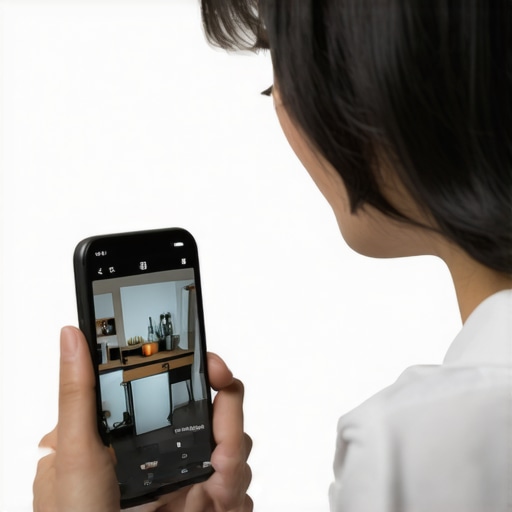
There was a frustrating Saturday when my dishwasher decided to act up right in the middle of a weekday dinner cleanup. Instead of the usual hum, I heard a strange grinding noise that sounded like a tiny metal concert. I tried to diagnose it, but without any technical background, I felt helpless. That’s when I had my **lightbulb moment**: I could use my phone to record the fault noises and share them with a technician. It was a game-changer. Over the years, this simple trick has saved me countless trips and unnecessary repairs.
Why Hearing Is Believing: Making Fault Noises Work for You
If you’ve ever faced a mysterious noise from your appliance, you know how confusing and stressful it can be. Often, the symptoms can point in many directions, and many homeowners are left guessing whether it’s worth calling a pro. But what if you could turn your phone into a mini detective? By capturing those elusive sounds, you give yourself a powerful tool to communicate exactly what’s happening. This approach is especially handy with dishwashers, where strange noises often signal issues with the pump, motor, or spray arms. Plus, with a [professional diagnostic](https://applianceoutletpro.com/top-signs-your-dishwasher-needs-professional-diagnostics), you can save time and money by catching problems early.
Is Using Your Phone for Diagnostics Actually Worth It?
Admittedly, I was skeptical at first. Would a recording really help a technician diagnose the issue? Early mistakes included not capturing clear sounds or forgetting to note when the noise occurred. But I learned that with just a few tips, you can make high-quality recordings that provide real value—sometimes even more than describing the problem voice-to-voice. This skill isn’t just convenient; it’s empowering. It also aligns with expert advice suggesting that [proper diagnostics can significantly improve your warranty claim success](https://applianceoutletpro.com/understanding-appliance-diagnostics-improving-your-warranty-claims), preventing unnecessary expenses and ensuring your appliance gets the right repair.
So, if you’ve faced that perplexing grinding or squealing from your dishwasher, you’re not alone. This guide will walk you through how to use your phone to record fault noises effectively, helping you communicate more clearly with repair technicians and potentially save yourself a lot of frustration and money. Ready to turn your phone into a diagnostic tool? Let’s dive into the practical steps that will make your troubleshooting easier and smarter.
,
Prepare Your Equipment to Record Fault Noises
Start by cleaning your phone’s microphone premium to ensure clear recordings. Before testing, disable any noise-canceling features that might distort the sound. I remember the first time I tried this—my initial recording was muffled and useless, so I learned to sanitize my mic and test it by recording a whisper first. This simple step ensures you capture the full range of appliance sounds accurately.
Identify Critical Moments to Record
Focus on recording when the noise occurs. Turn on your dishwasher and wait for the fault to manifest—say, during the drain cycle or when the spray arms rotate. Use a stopwatch or timer to note exactly when the sound begins. My mistake was recording too early; by waiting for the fault, I captured the precise noise, making it easier for the technician to diagnose without multiple follow-ups.
Record in a Quiet Environment
Find a space away from background noise—TVs, fans, or open windows—since ambient sounds can mask the real issue. For instance, during my last repair, I stood close to the dishwasher with the kitchen door closed, which resulted in a cleaner, more diagnostic-quality recording. Clarity here makes a difference when describing the problem remotely or showing it to a technician.
Edit and Label Your Recordings for Clarity
Use simple editing apps to trim unnecessary parts and add labels that specify the cycle stage or noise type (e.g., ”Grinding during drain”). This organization saves time during troubleshooting. I once sent a cluttered clip, causing confusion. When I labeled my recordings for the technician—like timestamping the sound—they could zero in on the problem faster, helping me avoid costly diagnostics fees, as discussed in professional diagnostics tips.
Share Recordings Securely and Clearly
Upload your audio files to a trusted platform or directly email them with clear instructions. Avoid compressing the files excessively, which degrades quality. When I shared a crisp recording with my repair service through their portal, they responded with a detailed diagnosis that matched what I described. This method often surpasses vague verbal descriptions, streamlining the repair process and avoiding unnecessary service calls. Remember, a well-documented problem can prevent warranty pitfalls, as explained in understanding diagnostics.
Use Visual Cues to Complement Audio Recordings
If possible, supplement your audio with videos showing the malfunction—this can reveal leaks, dripping, or shaking components. I learned this when my dishwasher occasionally leaked during a cycle; a quick video still saved me hours of technician back-and-forth. Combine visual evidence with sound clips for the most effective diagnostics, especially if you’re filing warranty claims that demand proof of the problem, as outlined in warranty diagnostics.
Stay Organized for Future Troubleshooting
Create a simple log with dates, cycle stages, and recordings. Over time, this archive will help you identify patterns—like a pump that struggles when the water intake is low. When you keep good records in this way, you’re better prepared to communicate with technicians or decide if a repair is worth it, aligning with advice from diagnostics benefits. Plus, it helps you track recurring issues, saving you from costly repeat repairs.
 Many homeowners assume that simply replacing a faulty part or calling a technician guarantees their appliance’s longevity and warranty coverage. However, this oversimplification ignores the critical nuances that can make or break a successful repair or warranty claim. One common myth is that warranties automatically cover all repairs, but in reality, they often exclude damage caused by user mistakes or neglecting manufacturer guidelines. This gap emphasizes the importance of understanding your warranty’s terms and recording detailed diagnostics, like audio or video evidence, to prevent denial of claims.
Another misconception is that high-quality parts or professional repairs always safeguard your warranty. While genuine OEM parts and certified technicians help, they won’t protect you if the root cause stems from user error—such as neglecting regular maintenance or misusing the machine. For example, ignoring hard water buildup can lead to heating element failure despite a professional repair, ultimately voiding warranty coverage.
Now, consider the fault most overlooked: misunderstanding what triggers warranty voidance. Many believe that only intentional damage or major mishandling void warranties, but the fine print often includes issues like using incompatible detergents, improper leveling, or ignoring warning signs. Regularly, homeowners miss these details, resulting in denied claims and additional expenses. To navigate this, always consult your warranty documentation and keep thorough records of diagnostics and maintenance activities.
A sophisticated question then arises: *How can homeowners leverage diagnostic recordings to solidify warranty claims if a dispute occurs?* Research indicates that visual and audio evidence significantly improves the chances of claim approval by clearly demonstrating the malfunction’s nature and timing, reducing the technician’s guesswork. Incorporate clear, timestamped recordings during fault episodes and include detailed logs to establish a pattern or cause, strengthening your position when disputes arise. For a comprehensive approach, explore expert advice on analyzing diagnostic evidence at [Understanding appliance diagnostics and improving warranty claims](https://applianceoutletpro.com/understanding-appliance-diagnostics-improving-your-warranty-claims).
Avoid common pitfalls by staying informed about what truly voids warranties and how proper diagnostics can protect your interests. Remember, misunderstandings often lead to rejected claims and unexpected costs. Have you ever fallen into this trap? Let me know in the comments.
Keeping It Working with Precision Tools and Routine Care
Maintaining your dishwasher over the years isn’t just about occasional cleaning; it requires a strategic approach supported by the right tools and methods. Personally, I rely on a high-accuracy digital multimeter for electrical troubleshooting, which helps me quickly identify faulty sensors or wiring issues before they escalate. Additionally, a dedicated infrared camera has proven invaluable for spotting steam leaks or hidden moisture buildup in inaccessible areas—features that are crucial for ongoing diagnostics and preserving warranty coverage. Combining these with a quality cleaning solution like white vinegar, I can prevent hard water buildup that damages heating elements, extending the appliance’s lifespan.
How do I keep my dishwasher in top shape for years?
Regularly inspecting and replacing worn parts such as door seals, spray arms, and filters is essential. I use OEM-certified replacement components, which ensure proper fit and function, protecting your warranty and avoiding unnecessary repairs. Implementing routine inspections with tools like a lubricant spray on moving parts or using a torque wrench to tighten securing bolts prevents mechanical failures. Advanced diagnostics software, compatible with some modern dishwashers, can even monitor system health remotely, alerting you to potential issues early. Looking ahead, trends suggest a move toward smart diagnostics integrated with home automation systems, making it easier to maintain appliances proactively, rather than reactively.
Don’t forget the importance of clear documentation and record-keeping. Regularly logging maintenance activities, including the dates of part replacements and diagnostic checks, builds a comprehensive history that can be valuable during warranty claims or in case of disputes. For example, having a detailed record of electrical tests with your multimeter can significantly support warranty repair requests, as detailed in this guide on diagnostics and warranty benefits.
Why Invest in Quality Maintenance Equipment?
Quality tools can be a game-changer, reducing downtime and preventing minor issues from becoming major repairs. For instance, a well-calibrated multimeter can quickly detect voltage irregularities, preventing damage to delicate electronics. Similarly, an infrared camera helps identify thermal anomalies indicative of worn components, such as heating elements or motor windings. These tools, while an investment upfront, pay off over the long run by safeguarding your appliance’s health and ensuring warranty compliance. The future points toward increasingly sophisticated diagnostic tech—think AI-powered sensors—that will further simplify appliance care, but for now, selecting trusted, precision tools and adhering to regular maintenance schedules will keep your dishwasher humming for years.
Start by including a digital multimeter in your toolkit. Test system circuits periodically to catch early signs of electrical failure—saving you from costly replacements and extending warranty validity. Taking this proactive approach not only enhances appliance longevity but also offers peace of mind. Ready to elevate your maintenance routine? Pick up a reliable multimeter today and try your hand at basic diagnostics—it’s easier than you think and incredibly rewarding.
Remember, preventive care is the cornerstone of long-term appliance reliability. In the upcoming sections, I’ll share some expert-approved techniques to seamlessly incorporate these tools into your routine and ensure your dishwasher stays in peak condition for years to come.
Lessons That Shaped My Troubleshooting Approach
- Never underestimate the power of detailed recordings—audio and visual ones can make or break your warranty claims.
- Routine maintenance and honest documentation create a safety net when disputes arise over repairs.
- Investing in reliable diagnostic tools upfront saves both money and stress in the long run, especially for persistent issues.
- Understanding the fine print of your warranty can reveal hidden pitfalls that otherwise might void your coverage.
- Fostering a proactive mindset, like catching early warning signs, can prevent minor glitches from turning into major failures.
My Go-To Resources That Keep Me Prepared
- Comprehensive diagnostic guides — They unravel complex troubleshooting in clear steps, empowering me to act promptly.
- Expert repair tips — Drawing on industry insights helps me avoid common pitfalls and optimize repairs.
- High-quality tools like electrical testers and infrared cameras — They give me a clear picture of what’s going on beneath the surface, ensuring repairs are precise.
- Expert consultations — Sometimes, a quick chat with a professional clarifies doubts and guides my next steps effectively.
Your Turn to Elevate Your Dishwasher Game
Harnessing diagnostics and thorough documentation isn’t just for technicians—it’s a game-changer for homeowners committed to preserving their appliance’s longevity and warranty coverage. Don’t wait for a breakdown to start your diagnostics journey; embrace it today and turn uncertainty into confidence. Your dishwasher—and your wallet—will thank you.
Have you ever struggled with diagnosing a tricky appliance problem and used a recording to resolve it? Share your story below—I’d love to hear how diagnostic recordings made a difference for you!
,