

I vividly remember the frustrating moment—my dishwasher stopped mid-cycle, water pooled at the bottom, and the dreaded error beep filled the kitchen. It was one of those days when I thought, “Great, warranty should cover this!” But then I learned a hard lesson: not everything is covered, especially the wear and tear that happens over time.
<--break-->
Why Does Your Service Plan Sometimes Leave You High and Dry?
It’s a sinking feeling when your appliance fails, and your service plan seems to offer hope—only to fall short. The truth is, many people don’t realize that basic warranty plans often exclude coverage for normal aging parts or accumulated damage. That’s because warranty providers generally focus on sudden, unexpected failures, not issues caused by everyday use or natural wear. And here’s a little insider tip: early on, I made the mistake of assuming my warranty would cover all my appliance problems, but turns out, I wasn’t alone in that misconception. Recognizing this helps you get ahead of the game.
<--break-->
Is a Service Plan Worth It if It Doesn’t Cover Wear and Tear?
A question I often get is whether these plans are actually worth signing up for. Honestly, it depends. While coverage for breakdowns can save a lot of stress and money, most plans won’t cover those gradual issues that happen over years—like a leaking seal or a worn-out motor.
To avoid surprises, it’s smart to understand what’s included and what’s not. I recommend checking out [understanding appliance diagnostics](https://applianceoutletpro.com/understanding-appliance-diagnostics-improving-your-warranty-claims) to boost your knowledge about what’s truly covered.
<--break-->
Have you ever faced a situation where your appliance failed, and you assumed your plan would cover the repair, only to be disappointed? If so, you’re not alone. Many homeowners discover — sometimes too late — that wear and tear aren’t part of the warranty package, which can lead to unexpected expenses.
<--break-->
Knowing this, we can now explore how to identify those issues early and take proactive steps, saving both your appliance and your wallet from avoidable damage. Up next, I’ll guide you through practical diagnostics and maintenance tips to keep your appliances running smoothly, even without coverage for the inevitable wear and tear.
Identify Common Wear and Tear Signs Quickly
When your dishwasher isn’t functioning optimally, the first step is recognizing early signs of wear, such as unusual noises, leaks, or inconsistent cleaning. For example, I noticed my dishes weren’t drying properly, which led me to inspect the heating element. This simple check helped me prevent a larger, more costly failure later. Using a multimeter, you can test components like heating elements or thermostats to confirm if they’re giving accurate readings (see how here). Timely diagnosis allows you to avoid reliance on plans that omit coverage for worn parts.
Perform Basic Diagnostics Before Calling for Help
Before spending money on repairs, take a systematic approach to troubleshoot your dishwasher. Start with straightforward tests: check the power supply, inspect the door latch for proper engagement, and examine for clogs or debris in the filter (review filter maintenance tips).
For instance, I used a screwdriver to gently test the float switch (see the method here), which is a common cause of mid-cycle stopping without error codes. If these simple steps don’t resolve the problem, move on to more advanced diagnostics.
Use Visual and Auditory Cues to Pinpoint Issues
Listening for abnormal sounds or observing leak spots can reveal underlying failures. For example, a failing diverter motor often produces a grinding noise (identify signs here). Moreover, inspecting hoses for cracks or blockages visually can prevent water damage and costly repairs. Small clues, like a persistent leak at the door seal, might indicate a worn gasket—replacing it early can extend appliance lifespan.
Leverage Simple Tools for Accurate Testing
Equip yourself with basic tools like a multimeter, flashlight, and a screwdriver for efficient diagnostics. For electrical tests, such as verifying the water inlet valve functionality (read how to test here), a multimeter is invaluable. When dealing with leaks, a flashlight helps spot tiny pinholes or cracks that are otherwise hard to see (see the technique here). Regularly performing these checks keeps your appliance in optimal shape.
Document Your Findings for Future Reference
Maintaining detailed records of diagnostics, repairs, and parts replaced can streamline warranty claims and future troubleshooting. Take photos, note dates, and describe the steps taken. This practice proved invaluable when I had to prove that a component failure was due to wear rather than user error, and I was able to streamline my warranty claim process according to guidelines (see detailed documentation tips here). Ultimately, proactive diagnostics save both money and stress, helping you maintain your appliances on your terms rather than waiting for a costly breakdown.Many homeowners operate under misconceptions about dishwasher repairs, diagnostics, and warranty coverage that can lead to costly mistakes. One common myth is assuming that all appliance issues are covered under standard warranties or service plans. In reality, most warranties exclude normal wear and tear—such as worn-out door seals or corroded heating elements—which are often the root cause of recurring problems. This misconception can make people unnecessarily rely solely on service plans that may not provide the coverage they expect, leading to surprises when repairs aren’t covered. To navigate this trap, it’s essential to understand the nuances of what your warranty actually protects. For instance, manufacturer warranties typically cover only manufacturer defects, not damage from misuse or aging components. This is why I stress the importance of proper diagnostics, which can distinguish between a simple failure and a normal decline. Performing thorough diagnostics helps prevent premature replacement of parts that are only worn out over time, saving money in the long run.
Are Advanced Diagnostics Worth the Investment in the Long Run?
It might seem counterintuitive to spend more time on diagnostics when a quick fix would do, but experts agree that detailed diagnostics are invaluable. According to industry research, proper troubleshooting can reduce unnecessary part replacements and improve repair accuracy, ultimately extending appliance life. In fact, small diagnostic details—like listening for abnormal motor sounds or testing continuity with a voltmeter—can reveal issues that generic service plans might overlook or refuse to cover. Recognizing subtle signs of wear early, such as a faint leak or irregular noises, enables proactive maintenance rather than reactive repairs, which is often more expensive. So, the real nuance here is that a well-informed homeowner or technician can leverage diagnostics to maximize warranty benefits and avoid the common trap of expecting coverage for wear-related failures. For more strategies, check out [understanding appliance diagnostics](https://applianceoutletpro.com/understanding-appliance-diagnostics-improving-your-warranty-claims) and see how diagnostics can protect your investments.
Another significant trap is underestimating the importance of regularly inspecting components that typically cause complaints. Many believe that once a problem appears, it must be replaced immediately. However, quick diagnoses and early interventions—like testing the inlet valve or inspecting the float switch—can prevent larger failures. Visual cues, such as water pooling or unusual odors, should prompt you to investigate further before calling in a repair service. Documenting these findings helps streamline warranty claims and repair processes, saving you time and money. Remember, the key is not just fixing the issue but understanding its root cause to prevent recurrence.
Having the right diagnostic knowledge also involves understanding how external factors influence appliance health. For example, mineral deposits from hard water can accelerate component wear, which isn’t always covered under standard warranties. Recognizing early symptoms, such as scaling or reduced water efficiency, can guide preventative maintenance. Regularly performing these checks aligns with expert advice—like consulting industry resources—that emphasize proactive diagnostics over reactive fixes. Don’t forget to periodically review [top signs your dishwasher needs professional diagnostics](https://applianceoutletpro.com/top-signs-your-dishwasher-needs-professional-diagnostics) for a comprehensive approach.
In summary, many misconceptions about warranty coverage and diagnostics stem from a lack of understanding of what normal aging involves. By embracing advanced diagnostics and recognizing the real causes behind appliance issues, homeowners can make informed decisions that optimize their warranties and extend appliance lifespan. Remember, the difference lies in the details—those subtle signs many overlook. Have you ever fallen into this trap? Let me know in the comments.
Keep It Running: Essential Tools for Dishwasher Maintenance
Maintaining your dishwasher’s performance over time requires the right equipment and a disciplined approach. I personally rely on a high-quality digital multimeter because it allows me to accurately test electrical components such as thermostats, heaters, and switches. For example, when diagnosing a heater that wasn’t heating properly, I use my multimeter to check for proper resistance values, ensuring I don’t replace parts unnecessarily (see how here). This precise testing saves money and prevents unnecessary repairs.
Another tool I swear by is a small, LED flashlight. Small but mighty, it helps me spot tiny cracks, leaks, or debris in hard-to-reach areas like pump housings or hoses. Proper illumination turns a frustrating guess into a definitive diagnosis, especially for visual cues such as minute leaks or buildup. Plus, a simple screwdriver set combined with a multimeter covers most diagnostic bases, letting me perform quick checks on parts like float switches or door latches to isolate issues early on.
How do I maintain my dishwasher over time?
Routine maintenance is key to long-term durability. This involves regular cleaning of filters (more on that soon), inspecting seals, and testing vital components periodically with your multimeter. I also keep a detailed record of diagnostics and repairs I perform, which streamlines warranty claims and helps identify recurring problems before they become costly. Tools like these are increasingly necessary as appliances become smarter and more complex, with firmware updates and diagnostic modes accessible via apps (expert tips here).
Looking ahead, I believe diagnostic tools will become even more integrated into appliances, with advanced sensors and AI-driven troubleshooting guiding homeowners directly through apps. Until then, equipping yourself with reliable tools like a multimeter and a good light will set you ahead in appliance maintenance and repairs.
Adopt Preventative Maintenance Strategies
Beyond tools, consistent checkups prevent costly failures. For example, cleaning the air gap and inspecting hoses regularly can prevent backflow or leaks that damage your dishwasher or cabinet. For detailed guidance, I recommend reading about air gap cleaning techniques. Additionally, testing electrical parts like the inlet valve or drain pump periodically with your multimeter ensures they’re functioning optimally, reducing downtime and the need for repairs.
Implementing a monthly diagnostic routine, including visual inspections and simple tests, can extend your appliance’s lifespan significantly. Remember, the goal is not just fixing issues when they appear but preventing them from happening in the first place. As maintained in industry standards (see expert advice here), proactive diagnostics are the key to cost-effective appliance ownership.
Exploring Diagnostics for Better Warranty Use
Understanding how to perform detailed diagnostics empowers you to maximize warranty benefits. When issues arise, knowing whether a problem stems from normal wear or a defect can make all the difference in warranty claims, as explained in this guide. I highly recommend trying out the voltmeter test on your water inlet valve; it’s straightforward and can pinpoint electrical failures with precision. Taking this proactive step can save you time, money, and frustration, especially as appliances become more sophisticated.
Investing in the right diagnostic tools and routine maintenance ensures your dishwasher remains a dependable workhorse for years to come. Don’t wait for a breakdown—start incorporating these practices today and experience the benefit of smooth, trouble-free operation.
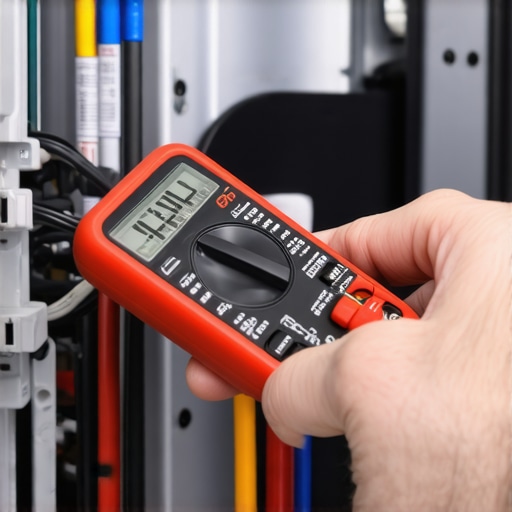
The Hardest Lesson I Learned About dishwasher,diagnostics,warranty,appliance repair
One of my biggest realizations was that not all warranty claims are straightforward, especially when it comes to wear and tear. Many homeowners find themselves surprised when a seemingly covered repair gets denied because the issue stems from normal aging or gradual damage. It taught me the importance of detailed diagnostics—not just to fix the problem but to understand its true cause. This insight saved me time, money, and frustration in the long run, emphasizing that knowledge is often the most valuable tool against unexpected appliance failures.
3 Myths About dishwasher,diagnostics,warranty,appliance repair That Held Me Back
- Myth 1: All appliance issues are covered under warranty. Reality: Most warranties exclude normal wear and tear, making diagnostics crucial.
- Myth 2: Quick fixes mean I don’t need diagnostics. Reality: A thorough check can prevent recurring problems and false replacements.
- Myth 3: Service plans are a set-and-forget solution. Reality: Understanding what’s covered requires active engagement and diagnostics.
What Experts Won’t Tell You About dishwasher,diagnostics,warranty,appliance repair
Many professionals focus on repairs, but few emphasize the power of proactive diagnostics. Investing time in understanding your appliance’s subtle signs—like faint leaks or irregular noises—can dramatically extend its lifespan. My own experience confirmed that early detection often means the difference between a minor fix and a costly overhaul. By embracing diagnostics as part of routine maintenance, I found I could maximize warranty benefits, prevent unnecessary replacements, and keep my dishwasher running smoothly for years beyond expectations.
Where to Go from Here
Now that you know the value of in-depth diagnostics, consider building your toolkit. A reliable multimeter, a good flashlight, and a notebook for records are indispensable. Regularly perform visual inspections and electrical tests—like checking the inlet valve’s voltage—to catch issues before they escalate. Remember, understanding your appliance’s clues empowers you to navigate warranty claims more effectively. For comprehensive guidance, visit this resource and start mastering diagnostics today. Your appliance—and your wallet—will thank you.