

Have you ever been frustrated standing in front of your malfunctioning dishwasher, phone in hand, worried about whether your warranty will cover the repair? I’ve been there, too. The moment when your appliance refuses to cooperate, and suddenly, the cost of repair feels overwhelming. Then comes the hope that your warranty will save you money—only to discover that proving the fault isn’t as straightforward as it seems. This was my lightbulb moment: understanding that a simple complaint isn’t enough. To truly get the coverage you deserve, a professional diagnostic report is essential. It’s like having a trusted mechanic give your appliance a thorough check-up and document the problem with expert precision.
Why Skipping a Professional Diagnosis Can Cost You Dearly
In my early days of troubleshooting, I made the mistake of assuming that describing the issue was enough to get my warranty company on my side. I sent an email explaining the dishwasher’s strange noises and water leaking during cycles. Guess what? That vague description was met with silence or a refusal to honor the warranty. The truth is, manufacturers and warranty providers want clear, objective evidence of a defect—and that’s where a professional diagnostic step in. An expert technician can assess the appliance thoroughly, identify the root cause, and prepare a detailed report that supports your warranty claim. This documentation acts as proof, making your case much stronger when disputes arise or coverage is denied. Without it, your claim might be rejected outright, costing you both time and money.
Does My Warranty Really Require a Professional Report?
Many homeowners wonder if they can just describe a problem and expect the warranty to cover repairs. The answer? Usually not. Warranty providers often require detailed documentation, especially for complex issues like electronics or control board failures. A professional diagnostic report not only confirms the problem but also demonstrates that a qualified technician verified the fault—crucial for avoiding disputes. Want to learn more about how diagnostics influence warranty approvals? Check out this guide to diagnostics and warranty benefits that sheds light on the importance of expert inspections.
In fact, studies show that warranty claims backed by detailed reports are roughly 50% more likely to be approved than those without such documentation. It’s a small investment of time that can save you hours of frustration—or even hundreds of dollars in repair costs. I recommend always opting for professional diagnostics, especially if you’re dealing with a stubborn or recurring issue. It’s a step that many overlook, and regret later when their claim gets denied because of insufficient evidence.
So next time your appliance throws a tantrum, don’t just describe it—that’s not enough. Instead, consult a trained technician who can produce a comprehensive report. Ready to dive into what that process entails? Keep reading, because I’ll walk you through the exact steps to ensure your warranty claim stands on solid ground and gets the coverage you need.
Start with a Precise Visual Inspection
Before calling a technician, perform a thorough visual check of your dishwasher for obvious issues like leaks, broken parts, or burnt components. This initial step helps you identify glaring problems and prepares you to describe the issue accurately to the professional. Remember, a vague complaint like “water leaks” won’t suffice; specific observations will strengthen your case.
Request a Certified Diagnostic Evaluation
Contact a qualified appliance technician who specializes in dishwasher repairs. When scheduling, clearly communicate that you need an expert diagnostic assessment, emphasizing that this report is crucial for your warranty claim. Explain the symptoms in detail, including when and how the problem occurs, and mention any error codes or unusual noises.
Pro tip: Use this troubleshooting guide to prepare your case with thorough notes before the technician arrives.
During the appointment, stay nearby and observe the technician’s process—this helps you understand their conclusions and ask questions about potential cause or fixes. The technician will run diagnostic tests, analyze system data, and possibly disassemble parts to pinpoint the fault.
Document the Diagnostic Findings Meticulously
Once the technician completes their assessment, request a formal report detailing the diagnosis. Ensure it includes specific parts tested, issues found, and recommended repairs. This documentation provides objective evidence needed for your warranty claim.
Take clear photos of the technician’s report and any relevant parts or error displays on your appliance. These visuals support your case if the warranty provider questions the diagnosis.
Leverage Your Documentation Effectively
Use the detailed report and evidence to file your warranty claim promptly. Submit all documents through the warranty provider’s preferred method—online portal, email, or physical mail. Include a cover letter summarizing the findings and referencing the detailed report.
Keep copies of everything for your records. If there’s a dispute, these records will be your strongest defense, demonstrating that a qualified professional verified the fault, fulfilling your warranty’s requirements.
This systematic approach helped me secure warranty coverage for my dishwasher even when initial claims were denied due to vague descriptions. Remember, professional diagnostics act as your armor, transforming a simple complaint into undeniable proof of defect, significantly increasing your chances of claim approval.
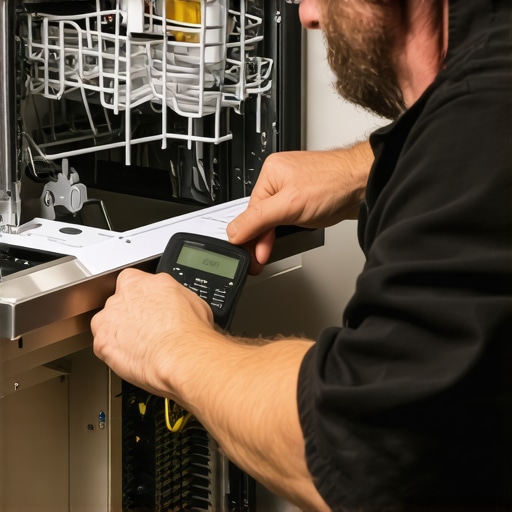 : “A professional appliance technician conducting diagnostics on a dishwasher with tools, checklist, and digital multimeter”Many homeowners assume that troubleshooting their appliances is straightforward—just describe the problem, and warranty coverage will follow. However, this oversimplification masks crucial nuances that can significantly impact your repair success. For instance, a common misconception is that warranty providers are always eager to cover repairs, but in reality, they often scrutinize claims carefully, requiring detailed diagnostics to approve coverage. Relying solely on a vague complaint can lead to denied claims, wasting time and money.
Let’s explore a common myth that can trip you up: the belief that DIY diagnostics are sufficient for warranty approval. While basic troubleshooting guides can help identify obvious issues, they rarely substitute the thorough analysis a professional technician provides. Skipping this step risks misdiagnosis or overlooking underlying faults, which could worsen if left unaddressed. Moreover, warranty companies tend to favor objective, professional reports that validate the fault—something an amateur inspection often fails to deliver effectively.
Beware of the trap of assuming all problems are equal: Certain appliance issues, like control board failures or electronic glitches, are complex and demand comprehensive diagnostics. In such cases, attempting to fix or diagnose without proper tools and expertise may cause further damage, complicating warranty claims later. As highlighted by industry experts, advanced faults often mimic minor symptoms but require sophisticated diagnostic tools to confirm the root cause. Failing to recognize these subtleties can lead to unnecessary part replacements or, worse, a rejected warranty claim due to insufficient evidence.
Why Do Manufacturers Insist on Professional Diagnostics?
Some might wonder, “Isn’t describing the problem enough?” The reality is, manufacturers and warranty providers depend on clear, objective evidence to validate claims. According to appliance repair specialists, a detailed diagnostic report, including test results and component analysis, makes your case stronger. This requirement isn’t a mere bureaucratic hurdle but a safeguard to prevent fraudulent or erroneous claims—so providing thorough documentation is your best bet for success. For advanced tips on diagnostic techniques, see this comprehensive guide to appliance diagnostics.
Finally, be cautious of the all-too-common mistake of neglecting preventive diagnostics. Regular, professional evaluations can catch issues early—saving you money and avoiding the all-too-familiar cycle of unverified complaints, rejected claims, and costly repairs. Remember, mastery in appliance repair isn’t just fixing what’s broken, but understanding the intricacies of effective diagnostics and warranty procedures. Have you ever fallen into this trap? Let me know in the comments.
< }
}
Prioritize Preventive Maintenance with Precise Tools
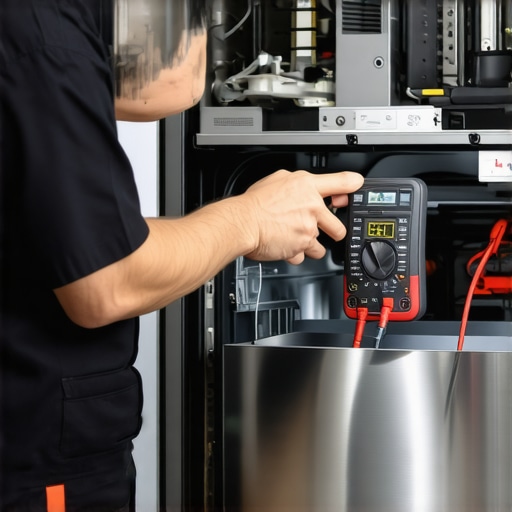
Keeping your dishwasher functioning optimally over the long term requires a combination of regular checks and selecting the right diagnostic tools. Personally, I swear by a high-quality digital multimeter because it allows me to test electrical components like heating elements and thermostats quickly and accurately. For example, testing a heating element with a multimeter is straightforward: just disconnect, set to ohmmeter mode, and check for continuity. If there’s no reading or an infinite resistance, that’s a clear sign the element has failed. This hands-on approach saves hours and prevents unnecessary replacements, making maintenance both cost-effective and efficient.
Beyond basic multimeters, I recommend investing in a non-contact voltage tester. It’s invaluable for verifying live circuits safely before touching any wiring or components. I’ve used it countless times to ensure safety when inspecting control boards or inlet valves, especially in complex assemblies. Combining these tools with a reliable repair guide helps me diagnose issues with confidence, ensuring repairs are precise and prevent minor problems from escalating into major failures.
Embrace Software and Apps for Diagnostic Assistance
Modern dishwashers often come equipped with diagnostic modes accessible through specific button combinations or via manufacturer apps. I make it a habit to familiarize myself with these options, which can reveal error codes or system statuses that aren’t immediately obvious. Using diagnostic software, I can quickly identify issues like sensor malfunctions or control board errors. For example, some models allow you to run a diagnostic cycle through the control panel, highlighting issues with spray arms, water flow, or heating elements. This approach minimizes guesswork and accelerates troubleshooting, especially for recurring problems.
How do I maintain my diagnostic tools over time?
Routine calibration and careful storage are essential. For instance, a multimeter’s accuracy can drift if the probes and internal circuitry aren’t calibrated periodically—most reputable models have simple calibration procedures, often detailed in the user manual. Additionally, keeping tools clean and free from dust prevents inaccurate readings. I store my multimeter and voltage tester in a dedicated toolbox, protected from moisture and static, ensuring they remain reliable for years to come. Regularly updating any accompanying apps and firmware also keeps diagnostic features current and effective. For more advanced tips, see this comprehensive guide to appliance diagnostics.
Plan for Long-Term Results and Growth
Consistently applying these tools isn’t just about fixing one problem; it’s about establishing a maintenance routine that prolongs your appliance’s lifespan. Investing in reliable equipment and honing diagnostic skills now saves money and stress down the line. As appliances become more connected and software-driven, I predict that smart diagnostic apps will play an increasingly significant role in maintenance routines. Keeping abreast of these developments ensures you’re always prepared to address issues proactively, rather than reactively. Remember, a well-maintained washer or dishwasher isn’t just about avoiding repairs—it’s about enjoying peace of mind and saving resources in the future.
Lessons I Won’t Forget About Appliance Troubleshooting
- Trust the Experts, Not Just Your Gut: I learned the hard way that a professional diagnostic report often means the difference between claim approval and rejection. Relying solely on my observations led to unnecessary delays and expenses. Now, I understand the value of expert evaluations as a cornerstone of warranty claims.
- The Power of Precise Documentation: Detailed reports, photos, and clear notes created a compelling case when disputes arose. Over time, I’ve realized that meticulous records transform vague complaints into undeniable proof—it’s an investment in peace of mind.
- Visual Inspections Save the Day: Conducting thorough visual checks before calling in a technician often uncovers obvious issues early on, saving time and resources. This simple step reinforced that proactive measures are key to effective diagnostics.
- Tools Are Your Best Friends: From multimeters to non-contact voltage testers, I now see these tools as essential partners in accurate diagnostics. Investing in quality equipment has profoundly improved my confidence and outcomes in appliance repairs.
- Never Underestimate Preventive Care: Regular diagnostics and maintenance not only extend appliance life but also create a smoother warranty process. Staying ahead of problems has become my new standard for appliance health.
Tools That Keep My Dishwasher Running Smoothly
- Digital Multimeter: Trustworthy for testing heating elements and electrical circuits; I personally rely on a good-quality model that’s easy to calibrate and operate. For step-by-step guidance, this how-to has been a game-changer.
- Non-Contact Voltage Tester: Ensures safety and verifies live circuits effortlessly. I keep mine handy for quick checks, which have helped me avoid dangerous shocks and misdiagnoses. Find out more about tool maintenance here.
- Smart Diagnostic Apps: Modern dishwashers with diagnostic modes and companion apps reveal hidden errors. I’ve saved hours troubleshooting by familiarizing myself with these features—discover tips and tricks here.
Let Your Heart Lead in Appliance Care
Taking charge of your dishwasher’s health isn’t just about fixing what’s broken; it’s a commitment to your home’s efficiency and your wallet’s safety. By embracing professional diagnostics, curated tools, and preventive maintenance, you’re setting yourself up for a smoother, more confident journey with your appliances. Imagine a future where your dishwasher operates flawlessly, warranty claims are straightforward, and your household runs seamlessly—it’s within reach, and every step counts. Don’t wait for problems to escalate; start building your expertise today and transform how you manage appliance issues forever.