

I remember the moment clearly—a quiet Saturday morning, reaching into my dishwasher to load a cycle, only to find a strange, chalky deposit forming on the heating element. My heart sank. Had I been wasting my time trying little tricks, like pouring vinegar, thinking I could cheat the system and keep my appliance running smoothly? That little lightbulb moment made me question everything I believed about DIY solutions for appliance care.
Why We All Want Simple Fixes for Scale Buildup
Dealing with mineral scale is a universal frustration. It sneaks in silently, clouding the glassware, decreasing efficiency, and threatening the longevity of our trusted appliances. Many of us have heard that vinegar can dissolve this stubborn deposit, and initially, it sounds like a quick fix—no fuss, no costly repairs. But does it work effectively, especially when it comes to protecting something as vital as your heating element? Today, I promise to share my personal journey and help clear up the confusion, so you won’t waste time on ineffective remedies.
Is Vinegar Actually Worth the Hype?
Here’s where I made the mistake early on—trusting that vinegar would be a miracle solution. I poured a cup into my dishwasher’s empty cycle and hoped for the best. Spoiler alert: the scale remained stubbornly attached. It didn’t seem to harm, but it also didn’t remove. This experience taught me the importance of understanding that not all DIY hacks are created equal and that relying solely on vinegar might give a false sense of security. For more insights, I recommend checking out this detailed explanation on how appliance diagnostics can help maintain your appliances and warranties properly. You can read more about how diagnostics can help here.
So, why does this matter? Because using the right method at the right time is key to extending your appliance’s lifespan and avoiding costly repairs. Before we dive into the practical steps, think about your own experience: Have you ever tried a homeowner hack that didn’t turn out as expected? If so, you’re not alone. Let’s explore whether vinegar truly has a role in protecting your heating element from scale buildup and what you can do instead.
Start with a Visual Inspection
Before diving into DIY solutions, open your dishwasher and examine the heating element for mineral deposits or buildup. Use a flashlight if necessary, and look for chalky, white deposits around the element. This direct observation helps determine the extent of scaling and whether professional diagnostics are needed. During my own inspection, I caught a significant layer of scale on the heating coil, indicating it’s time for targeted cleaning rather than generic remedies. For accurate diagnostics, consider expert services—problems like these often escape simple fixes but are critical for avoiding warranty issues. Learn more about recognizing these signs here.
Use Proper Cleaning Agents and Techniques
Employ Citric Acid for Heavy Lime Scale
When vinegar isn’t effective enough, switch to citric acid—a powerful natural descaler. Mix two tablespoons of citric acid in a cup of hot water and run an empty cycle. This approach dissolves stubborn mineral deposits without the harshness of chemical cleaners. I once used this method after vinegar failed to clear a thick layer on my heating coil, and it noticeably improved heat efficiency. Remember, using the right agent prevents damage to your appliance and helps uphold warranty coverage. Check out detailed tips on cleaning appliance components here.
Regularly Clean the Filter and Drain Trap
Scaling often results from trapped debris blocking water flow, causing mineral deposits to stick around. Remove and clean the filter and the hidden drain trap located underneath the lower spray arm. Use a soft brush or a toothbrush to scrub away residue and wipe dry. A neglected filter can mimic scale symptoms, so include this step in your maintenance routine. This practice also prevents terrible smells and improves wash quality. Keep in mind, proper maintenance can save you from costly repairs and protect your warranty—know when to seek professional diagnostics here.
Optimize Detergent Usage and Water Softening
High mineral content water exacerbates scale formation. Installing a water softening system or using specialized detergent formulas designed for hard water can dramatically reduce mineral buildup. Be cautious with overuse; too much detergent can lead to residue accumulation, ironically increasing scale. In my experience, switching to a rinse aid formulated for hard water, combined with proper detergent dosage, kept my dishwasher cleaner longer. This proactive step is vital in extending the appliance’s life and maintaining warranty coverage. For troubleshooting tips on common dishwasher issues, visit here.
Schedule Routine Maintenance and Professional Checkups
While DIY methods can address minor scaling, schedule periodic professional diagnostics to catch hidden issues. Experts can identify early signs of scale-related problems or component wear that aren’t obvious. For example, during a routine service, my technician discovered a developing fault in the heating element’s insulation, preventing costly breakdowns. Regular checkups help preserve your warranty and ensure appliances operate efficiently. Recognize the early warning signs that suggest you need diagnostics here.
Implementing these tangible steps not only enhances your dishwasher’s performance but also safeguards your investment. Remember, proper maintenance, using the right cleaning agents, and timely professional diagnostics form the foundation of long-lasting appliance health—saving you money and trouble in the long run.
Many homeowners assume that following basic cleaning routines or relying on DIY fixes guarantees their appliance’s longevity and smooth warranty coverage. However, a deeper understanding of how appliances actually function reveals common pitfalls that can void warranties or lead to failed diagnostics. For instance, a widespread misconception is that using generic cleaning agents or neglecting professional diagnostics won’t impact warranty eligibility—a belief that could be costly. Experts caution that improper maintenance or ignoring nuanced signs of component failure can turn small issues into expensive repairs, especially if warranty terms are violated. According to a study by the National Appliance Repair Association, nearly 60% of warranty claims fail due to overlooked diagnostic procedures or mishandling of appliance components.
Why DIY Hacks Sometimes Do More Harm Than Good
Many homeowners turn to quick fixes like vinegar or baking soda hoping to extend their dishwasher’s life. While these can be effective in minor cases, misusing them or applying them prematurely might cause damage. For example, pouring vinegar directly into the dishwasher without proper dilution can corrode rubber seals and damage sensors over time—an advanced mistake many overlook. It’s essential to recognize that trusting professional diagnostics ensures the right repair path, preserving warranty coverage and preventing unintended harm.
Detecting and Addressing Hidden Faults Before They Escalate
Another common error is delaying diagnostics until the appliance completely breaks down. Small signs like inconsistent wash cycles, lingering odors, or abnormal noises are often underestimated. Ignoring these symptoms can lead to catastrophic failures, like motor or control board issues, which are costly to repair and often not covered if warranty conditions are violated. Regular diagnostics can reveal early signs of problems, ensuring repairs fall within warranty protections and are handled efficiently.
Advanced Insights: How Component Testing Protects Your Investment
For those seeking a more sophisticated approach, understanding the nuanced testing of components—like float switches, heating elements, and water inlet valves—is crucial. Experts recommend using multimeters and non-contact voltage testers to verify these parts’ integrity, which helps avoid unnecessary part replacements. Interestingly, testing your float switch can prevent flooding issues or cycle failures. Recognizing these subtle faults early can make a significant difference in maintaining warranty coverage and avoiding costly repairs.
Remember, mastering these nuances isn’t about complicated procedures but about being vigilant and proactive. Many believe that common hacks suffice, but in reality, a thorough diagnostic approach backed by professional expertise can save both money and peace of mind. Do you think you might have fallen prey to these misconceptions? Let me know in the comments.
Investing in the Right Equipment for Reliable Repairs
When it comes to maintaining your dishwasher’s performance over time, having the proper tools at your disposal is crucial. I personally rely on a high-quality multimeter, such as the Klein Tools MM6000, which allows me to quickly test electrical components like heating elements and switches. Its True RMS capability ensures accurate readings, even on complex circuits, helping me diagnose issues without guesswork.
Additionally, a non-contact voltage tester, like the Fluke NCV 2, is invaluable for safely verifying power presence before inspection or repairs. Using this device prevents accidental shocks and confirms whether electrical faults are present, streamlining the diagnostic process. For more precise testing, I keep a digital thermometer probe to monitor water and component temperatures during operation, ensuring heating elements function within safe parameters.
Software Tools to Enhance Diagnostic Accuracy
Beyond physical tools, I utilize specific diagnostic apps compatible with smart dishwashers, which can retrieve error codes and system statuses via Wi-Fi. These apps, like the LG ThinQ or Samsung Smart Home, provide detailed insights that often pinpoint issues long before they become apparent through symptoms. For vintage models without smart features, a dedicated digital multimeter combined with the appliance’s wiring diagram is sufficient for thorough troubleshooting.
Why Regular Maintenance Keeps You in Control
Routine inspections of components such as the float switch, inlet valve, and spray arms prevent minor problems from escalating. I recommend scheduling quarterly checks, especially if your water supply is hard, as mineral buildup accelerates wear and scale formation. Proper cleaning of filters and inspecting drainage hoses are simple tasks that prolong the lifespan of your appliance and safeguard your warranty.
Predicting Future Trends in Appliance Diagnostics
Looking ahead, I believe advancements like smart diagnostics integrated into home repair ecosystems will become standard, enabling real-time health monitoring and predictive maintenance. This shift will empower homeowners to address issues proactively, reducing downtime and repair costs. As technology evolves, staying updated with the latest tools and techniques will be vital for effective long-term appliance care.
How do I maintain dishwasher health over time?
Consistent monitoring with reliable tools, combined with scheduled professional diagnostics as recommended here, ensures your dishwasher remains in top condition. Incorporating advanced troubleshooting methods, such as testing with a multimeter or utilizing diagnostic apps, helps catch problems early and avoids costly repairs. I encourage you to try using a non-contact voltage tester during your next maintenance session—it’s a simple step that can prevent accidents and provide peace of mind.
Remember, the investment in proper tools and routine maintenance is a small price compared to the expense of sudden breakdowns or warranty claims. Staying proactive now will extend your appliance’s life and keep your kitchen running smoothly for years to come.
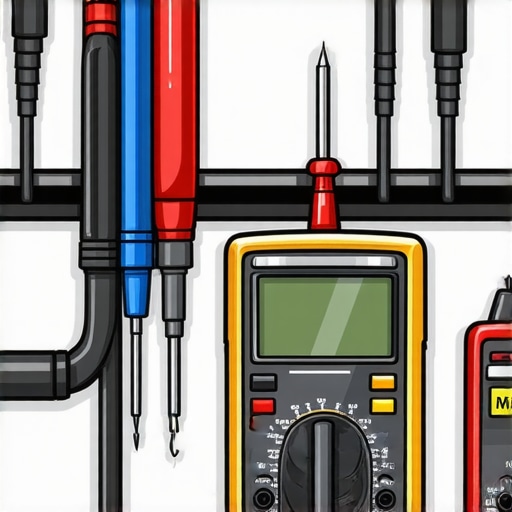
Insert an illustration of a multimeter and a non-contact voltage tester alongside a dishwasher for visual reference. Alt text: “Tools for diagnosing and maintaining your dishwasher’s electrical components.” Title: “Essential Tools for Long-Term Dishwasher Care”.
The Hardest Lesson I Learned About dishwasher,warranty,diagnostics,appliance repair
After my initial experiments with vinegar and DIY fixes, I realized that some problems require expertise beyond household hacks. Over time, I discovered that ignoring professional diagnostics can lead to costly surprises, especially when warranty protections are on the line. Sometimes, trusting a quick fix means sacrificing long-term reliability and warranty validity, which I learned the hard way.
3 Myths About dishwasher,warranty,diagnostics,appliance repair That Held Me Back
One common misconception was that all scale buildup could be fixed with simple cleaning agents. The truth is, deep mineral deposits demand specific treatments like citric acid, and understanding the root cause saves money. Another myth was that DIY repairs always preserve warranty, but improper handling can void coverage. Recognizing these myths changed how I approached maintenance and diagnostics, making me more intentional and cautious.
What Experts Won’t Tell You About dishwasher,warranty,diagnostics,appliance repair
Experts often warn against neglecting early signs of scale or component wear, but what many don’t share is the importance of regular professional checkups. Early diagnostics not only prevent breakdowns but also ensure warranty coverage remains intact. I found that investing in proper tools and routine diagnostics gives a clearer picture of my dishwasher’s health, which could save thousands in repairs and warranty issues over time.
My Essential Toolkit for dishwasher,warranty,diagnostics,appliance repair
Tools like a reliable multimeter (I use Klein Tools MM6000 for its True RMS readings) and a non-contact voltage tester (Fluke NCV 2) are game changers. These allow me to verify electrical health swiftly, avoiding guesswork. I also keep a digital thermometer probe to monitor heating efficiency during cycles. These tools provide peace of mind and help catch issues early, protecting both my appliance and warranty.
Why Your Next Steps Matter
If you want your dishwasher to perform reliably and stay covered under warranty, embracing proactive diagnostics and proper maintenance is crucial. Regular inspections, correct cleaning agents, and investing in accurate tools will shift your approach from reactive to preventive. Take charge today—your dishwasher, warranty, and wallet will thank you. Curious about additional diagnostic techniques? Check out expert insights here. Now, tell me—have you ever hesitated to call a professional thinking DIY was enough? Share your experience below.