

I remember the first time I opened my dishwasher and saw water gurgling back into the sink bowl. It was late at night, I was exhausted, and suddenly the kitchen was flooded with the gurgling sound of dirty water refilling itself—an experience I won’t forget easily. That lightbulb moment made me realize just how frustrating and confusing dishwasher drainage issues can be. If you’ve ever faced this problem, you’re not alone, and trust me, you’re not out of options.
Confronting the Sink-Back Drain Dilemma
While it might seem like a simple clog or a minor malfunction, the backflow of water points to deeper plumbing or appliance problems. It could mean a blocked drain hose, a faulty vent, or even an issue with the drain pump itself. The good news? Once you understand the underlying causes, resolving this problem becomes much more manageable.
Is DIY Repair Worth the Hassle?
Let me be honest—early on, I made the mistake of rushing into a fix without proper diagnostics. I replaced parts blindly, thinking I was saving money, only to find the problem persisted. That waste of time and resources taught me the importance of accurate troubleshooting. Using proper diagnostic techniques, much like those discussed in [appliance diagnostics articles](https://applianceoutletpro.com/how-appliance-diagnostics-can-save-your-warranty-benefits), can save you from unnecessary expenses and warranty issues.
So, if you’re wondering whether you can tackle this on your own or should call in a pro, I suggest assessing your comfort with troubleshooting. Sometimes, a simple inspection of the drain hose or vent can solve the problem, but other times, professional diagnostics are necessary. And remember, timely diagnosis can prevent costly damage—like water leaks that ruin your flooring or even void your warranty if neglected.
Now that we’ve touched on why this issue matters, let’s delve into the practical steps to identify and fix the cause. If you’re ready to roll up your sleeves or want to know when it’s better to call in the pros, stay tuned.
Inspect the Drain Hose Carefully
Start by locating your dishwasher’s drain hose, usually behind the kickplate at the bottom. Disconnect it, then run water through it with a garden hose or a lengthy pipe cleaner to check for internal grease clogs or kinks that impede flow. In my experience, I once found a thick buildup of soap scum clogging the hose, which I cleared with a flexible brush. Clearing this simple obstruction often restores proper drainage and prevents sink-back issues.
Test the Drain Pump Functionality
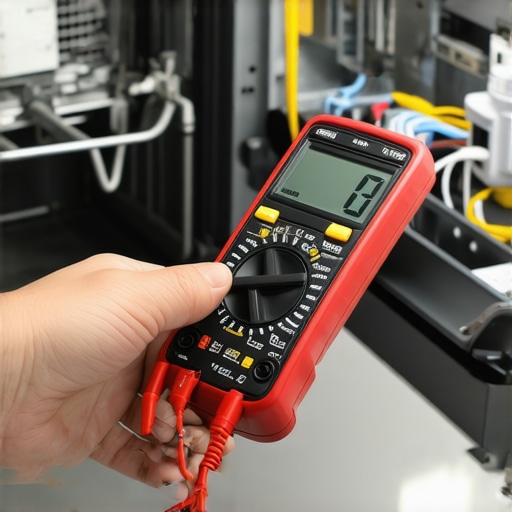
The drain pump propels water out of the dishwasher. To test it, first unplug the appliance. Then, locate the pump—usually at the bottom, accessible once you remove the bottom panel. Using a multimeter, set to ohms, test the pump’s motor terminals for continuity. If there’s no reading or an open circuit, replacing the pump is necessary. I once diagnosed a faulty pump that made a buzzing noise before failing entirely, causing water to accumulate. Replacing the pump solved the problem instantly.
Verify the Ventilation System
Good ventilation prevents pressure buildup that can cause backflow. Check the air gap (if present) or the kitchen’s plumbing vent for obstructions like leaves or debris. Remove and clean the vent cap, ensuring unobstructed airflow. A blocked vent can cause water to siphon back into the sink during the dishwasher drain cycle, leading to flooding. This simple step often resolves sink-back issues without further repairs.
Ensure Proper Placement of the Drain Hose
The drain hose must be positioned correctly—higher than the sink’s water level—forming a loop or ‘air gap’ to prevent siphoning. Use a sturdy hook or clamp to keep the hose elevated. I fixed a recurring sink-back problem in my friend’s kitchen by adjusting the hose height, which stopped the backflow entirely. Proper hose placement is key to efficient drainage and avoiding sewage odors or water backup.
Examine the Float Switch for Sticking or Malfunction
This tiny device detects water levels inside the dishwasher. If stuck or faulty, it may trigger the pump prematurely, causing drainage issues. To test, open the dishwasher, locate the float in the basin (usually a small tube with a pin). Gently lift it: if the switch doesn’t reset or feels stuck, clean or replace it. I once cleaned a sticky float with a toothbrush and spray lubricant, restoring normal operation. A malfunctioning float switch can mimic drain problems, so don’t overlook it.
Understand Your Appliance’s Diagnostic Tools
Modern dishwashers often have built-in diagnostic modes that can help identify the root cause efficiently. Consult your user manual to access the diagnostic cycle or look for service codes. Using these tools, I once detected a faulty drain pump controller without dismantling the entire unit, saving me hours of labor. For in-depth understanding, review [appliance diagnostics articles](https://applianceoutletpro.com/how-appliance-diagnostics-can-save-your-warranty-benefits), which illustrate how diagnostics cut through guesswork.
Assess the Impact on Your Warranty
If your troubleshooting points to a part still under warranty, contact the manufacturer or warranty provider before replacing components yourself. This approach can save money and prevent voiding coverage. I’ve seen situations where DIY fixes inadvertently voided warranty coverage because of improper repairs. Read more about [when to trust a warranty for dishwasher repairs](https://applianceoutletpro.com/when-to-trust-a-warranty-for-dishwasher-repairs) to make informed decisions.
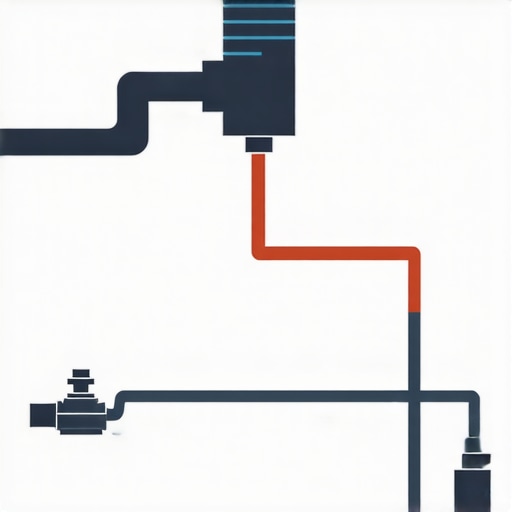 Many homeowners operate under misconceptions when it comes to diagnosing dishwasher problems and managing warranty claims. One common myth is that self-diagnosis always saves money. While troubleshooting can be cost-effective, it often leads to overlooked nuances, like understanding the true extent of an issue or knowing when to involve professionals. For instance, relying solely on visual clues without proper diagnostic tools can result in unnecessary part replacements, which might void your warranty if not done correctly. Experts warn that incorrect repairs, especially when performed without understanding your appliance’s diagnostics, can inadvertently void warranty coverage, as highlighted in this in-depth guide.
Another trap is believing that warranties cover all repair costs. Many assume that any malfunction is covered, but manufacturer warranties often exclude damages caused by improper repairs or neglect. For example, attempting to fix a complex issue like a faulty controller board without proper knowledge can lead to further damage and might void your warranty1. It’s essential to know the fine print and utilize diagnostic resources, such as professional diagnostics, which can identify hidden issues early and ensure your repairs are within warranty scope.
A nuanced aspect many overlook is the importance of proper troubleshooting order. Jumping straight to replacing major components without testing could be a costly mistake. For example, testing the drain pump with a multimeter before removing it can confirm whether replacement is necessary, saving you time and money. Additionally, understanding the role of the drain hose and venting system is critical; neglecting these can cause backflow issues, leading to more serious flooding hazards.
Advanced repair mistakes also include misinterpreting error codes or diagnostic signals. Modern dishwashers embed sophisticated sensors, and misreading these can lead to ineffective repairs. It’s worth consulting resources like expert diagnostics to interpret these signals accurately.
Furthermore, homeowners often neglect to update their knowledge about evolving appliance technology, which affects warranty coverage. Newer models incorporate smart diagnostics that can be accessed via smartphone apps, providing detailed insights. Failing to leverage these tools may result in missed opportunities for early detection and warranty claims.
Remember, approaching dishwasher repair with a nuanced understanding and proper diagnostics not only saves money but also protects your warranty. Don’t fall into the trap of generic fixes; instead, arm yourself with expert knowledge and the right tools. Have you ever fallen into this trap? Let me know in the comments.
Maintaining your dishwasher over the long haul requires not just routine cleaning but the right set of tools and techniques that ensure efficient operation and early diagnostics. Over the years, I've refined my toolkit to include specific instruments that allow me to troubleshoot with precision and reduce downtime. Investing in these tools pays off by preventing small issues from escalating into costly repairs or warranty claims.
Why a Digital Multimeter Is Essential
I always keep a high-quality digital multimeter on hand because it enables me to test electrical components like the drain pump, door switches, and sensors accurately. I keep mine calibrated and always use the diode setting to check for shorts or faulty relays. For instance, testing the drain pump with a multimeter before replacing it saves me from unnecessary purchases and ensures my repair sticks within warranty guidelines. Learn how to use a multimeter effectively at this detailed guide.
Utilizing Advanced Diagnostic Apps
Modern dishwashers come equipped with diagnostic modes that can be accessed via smartphone apps or internal service menus. I've adopted diagnostic tools compatible with many brands, allowing me to interpret error codes and sensor data remotely. Using diagnostic apps empowers me to identify issues like clogged filters or sensor failures early, often enough to perform simple maintenance before the problem worsens. This proactive approach helps in preserving warranty coverage and extends appliance lifespan. For more, review how diagnostics can improve your warranty claims.
The Power of Flashlight Inspection
A durable LED flashlight with a focused beam is invaluable for inspecting hard-to-reach parts like air gaps, hose connections, and venting systems. I inspect the drain hose for grease buildup or kinks, as these are common culprits for backflow issues. Regular visual checks with a quality flashlight can uncover obstructions or leaks that might evade normal observation. Combining this with a smartphone camera for close-up inspections makes troubleshooting much more manageable.
Long-Term Benefits of Proper Maintenance
Implementing a routine maintenance schedule supported by these precise tools not only keeps your dishwasher running efficiently but also helps you catch issues early. Predictive diagnostics mean fewer emergency repairs, less downtime, and smoother warranty claims. As technology advances, I expect diagnostic integration to become even more seamless, possibly linking appliances directly to service centers or manufacturers for real-time health monitoring. Stay ahead by adopting tools like a multimeter and diagnostic apps now—early troubleshooting can save you lots of headaches later.
How do I keep my dishwasher functioning over time?
Consistency in cleaning filters, inspecting hoses, and running diagnostic checks using reliable tools are key to long-term operation. Regularly testing electrical components with a multimeter and interpreting error codes promptly keeps minor issues from turning into disasters. Remember, documentation of your maintenance activities can also be a valuable record if warranty service is needed. For comprehensive diagnostics, I recommend exploring this resource.
Don’t hesitate to try the advanced tip of regularly testing your drain pump with a multimeter—it’s a quick step that prevents future flooding or backflow problems and helps maintain your warranty eligibility. With the right tools, your dishwasher can serve you reliably for years, saving money and hassle while preserving its value.
The Hardest Lesson I Learned About dishwasher,diagnostics,appliance repair,warranty
One of my biggest realizations came early: rushing into repairs without deep understanding risks both your warranty and your wallet. Genuine diagnostics require patience and proper tools; shortcuts often lead to repeat issues or voided warranties. This taught me to prioritize learning about my appliance’s unique quirks before attempting fixes.
3 Myths About dishwasher,diagnostics,appliance repair,warranty That Held Me Back
First, believing that DIY can always replace professional service is false; some faults need expert diagnostics, especially for complex components like control boards. Second, assuming warranties cover all repairs is a misconception—knowing the fine print can save you from unexpected costs. Lastly, trusting visual cues alone might misdiagnose problems; comprehensive testing and understanding error codes are crucial.
What Experts Won’t Tell You About dishwasher,diagnostics,appliance repair,warranty
Many technicians guard certain repair secrets, but my experience shows that understanding your appliance’s diagnostic tools—like error codes or built-in testing modes—can empower you to handle minor issues effectively. Additionally, knowing when to involve skilled professionals helps protect your warranty and prevents costly mistakes. Utilizing resources like professional diagnostics is a game-changer in maintaining appliance health.
Explore My Go-To Resources for Dishwasher Maintenance
- Digital Multimeter: Essential for testing electrical components; I trust the affordable multimeter guides to master troubleshooting.
- Diagnostic Apps: Modern dishwashers have smart modes; apps help interpret error codes quickly. This proactive approach keeps my warranty intact.
- Professional Articles: Reading in-depth guides like this comprehensive resource deepens my knowledge and sharpens my troubleshooting skills.
Your Journey Awaits: Take Command of Repairs
Empowering yourself with knowledge and the right tools transforms dishwasher repair from a stressful chore into a manageable task. Remember, every troubleshooting step you take increases your confidence, saves money, and preserves warranty coverage. Why not start today by testing your drain pump or inspecting the vent? Your appliance—and your peace of mind—will thank you.