

Ever been in the middle of a tense dishwasher cycle, only to hear that dreaded beep signaling an error? Or worse, watched your brand-new dishwasher suddenly refuse to start after only a few months, leaving you scratching your head and pondering the warranty. I admit, I’ve been there—frustrated, window shopping for repair services I couldn’t afford, and feeling completely helpless. That lightbulb moment came when I realized that, with just a cheap multimeter—yes, a simple $5 one—I could troubleshoot many issues myself, saving time, money, and countless headaches.
The Power of the $5 Multimeter Hack in Appliance Repair
Let me ask you—have you ever hesitated to diagnose a problem because you thought you needed to call in a pro or buy expensive tools? Well, what if I told you that a basic multimeter could be your secret weapon? This little device can test switches, wiring, and even help confirm if those mysterious door issues are the culprit behind your dishwasher’s refusal to cooperate. Using this hack, I started catching issues early, sometimes even before the machine malfunctioned completely. It’s a game-changer, especially when you’re trying to maximize the lifespan of your appliances and keep those warranty benefits intact. Curious about how to get started? Stick around, because I’ll walk you through the simple steps. And if you want to recognize signs your dishwasher needs professional diagnostics, be sure to check out this guide: Top Signs Your Dishwasher Needs a Pro. This approach is not just about saving money; it’s empowering you to understand your appliances better and act swiftly before small problems turn into costly repairs.
Does the concept of testing door switches with a multimeter sound too good to be true? I get it—early on, I made a rookie mistake assuming you needed special tools or advanced knowledge. Trust me, I learned the hard way that over-complicating diagnostics only leads to confusion and unnecessary expense. The truth is, a multimeter is a very accessible device, and with a little patience, you can quickly identify if a faulty door switch is causing your dishwasher’s troubles. This simple test can save you from unnecessary parts replacement or, worse, voiding your warranty by attempting DIY repairs the wrong way. Want to know how this hack works? Let’s dive into the steps that made all the difference for me—and could do the same for you.Test the Door Switch for Faults
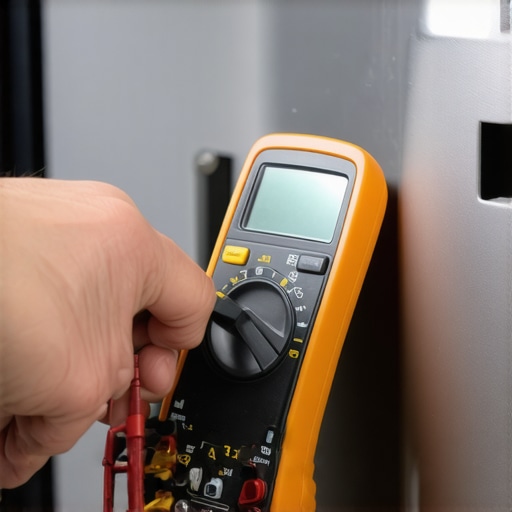
Replace my old, inconsistent dishwasher door latch one time by first unplugging the appliance to prevent electric shock. I then located the door switch, usually mounted near the latch, and set my multimeter to the continuity setting. Next, I disconnected the wires from the switch, pressed my multimeter probes onto the two terminals, and gently pressed the latch mechanism. A continuous beep indicated the switch was working properly; no beep meant it was faulty, and I needed a replacement. This simple check prevented me from wasting money on a new control board when the door switch was the root cause.
Inspect Wiring Connections and Look for Shorts
Next, I examined the wiring harness connected to the switch for visible damage like frayed wires or burns. I also checked the wiring loom behind the control panel, gently tugging to see if any connectors came loose. Using the multimeter in resistance mode, I tested different points for shorts—if a wire showed zero resistance where it shouldn’t, I knew there was a short circuit. Fixing wiring issues like loose connectors or damaged wires often resolved start-up problems without voiding the warranty or calling a technician.
Check the Heating Element for Breakage
Disassembled the access panel and set my multimeter to resistance. I then disconnected the wires from the heating element and placed the probes on each terminal. A reading close to zero indicated a short, while an infinite reading signified a break in the element’s coil. If broken, replacing the heating element is necessary, which can be a straightforward DIY task but requires caution to avoid electrical shock. Testing this quickly saved me from replacing the entire dishwasher due to a faulty heater that was draining my budget.
Test the Pump Motor Circuit
Feeling ambitious, I examined the circulation pump by disconnecting its wires and testing for continuity in the same manner. A failed pump often causes water not to circulate, leaving dishes dirty. Conducting the resistance test helped me determine whether the pump motor windings were intact or if the motor had burned out, which is often a cause for the error codes displayed during cycles.
Wrap-up and Use What You’ve Learned
By systematically testing these components with a multimeter, I identified faulty parts like the door switch and heating element quickly and reliably. Remember, always unplug your appliance before testing to avoid electric shock, and consult your user manual for component locations. This approach not only saved me money but also enhanced my understanding of appliance diagnostics, empowering me to maintain my dishwasher better. Feeling more confident? For more advanced troubleshooting, check out this guide on expert diagnostics tips.
 Many homeowners assume that warranties cover all repair costs, but in reality, they often come with fine print that can leave you unexpectedly out of pocket. A common mistake is neglecting to understand what voids these warranties; for instance, attempting DIY repairs without proper knowledge can void your coverage, as highlighted in this detailed guide on DIY repair risks. Another misconception is that all dishwasher issues stem from faulty components, yet sometimes, simple wiring problems or misaligned door latches are the culprits, which a seasoned diagnostics approach can identify efficiently. It’s important to recognize that some repairs, especially those involving the control board or heating element, require nuanced understanding and proper testing procedures. The widespread myth that all faults are covered by warranties leads many to delay troubleshooting, but experts suggest quick diagnostics to determine coverage eligibility—more on this can be found in improving warranty claims. Additionally, many think that warranties are universal or automatically apply after purchase; however, policies vary, and reading the fine print is crucial to avoid denied claims. When addressing complex dishwasher problems, it’s vital to critically evaluate your assumptions and leverage advanced diagnostic techniques to prevent costly missteps. Do you believe warranties cover all repair expenses? Many don’t realize the importance of understanding the nuances involved in appliance diagnostics and warranty restrictions. Being informed can save you money and frustration—so always check your policy details carefully and perform initial troubleshooting steps yourself when possible. Remember, knowledge is power when it comes to avoiding unnecessary repairs and ensuring your warranty offers genuine protection. Have you ever fallen into this trap? Let me know in the comments.
How Do I Maintain My Dishwasher Over Time?
Keeping your dishwasher in top shape requires more than just occasional cleaning; it involves regular maintenance, the right tools, and understanding how to troubleshoot common issues proactively. One of the most valuable investments is a quality digital multimeter, which I recommend because of its accuracy and ease of use. A multimeter helps me quickly identify electrical issues, check switches like the door latch, and verify heating elements without calling a technician. For instance, I always carry my multimeter when inspecting wiring or testing for continuity, especially after performance drops or error codes show up unexpectedly.
Another tool I swear by is a small silicone lubricant spray. Applying it periodically on door seals and moving parts prevents wear and keeps cycles smooth. Additionally, having a toothbrush or small brush helps me remove debris from spray arms and filters, ensuring effective water circulation. This routine maintenance minimizes the chances of breakdowns, preserves warranty coverage, and extends the life of the appliance.
On the software side, I rely on manufacturer-provided diagnostic apps or built-in self-test modes. These features are incredibly useful for detecting issues early—saving money and avoiding long downtimes. Modern dishwashers often have hidden diagnostic modes accessible through button sequences, enabling you to perform system checks yourself. Keeping a log of error codes and troubleshooting steps can be crucial if you need to consult with a repair pro or warranty service.
What Future Trends Will Improve Appliance Longevity?
Looking ahead, I predict that smart diagnostics integrated into appliances will become standard. These systems will automatically alert homeowners to component wear, suggest preventive maintenance, and even order parts or schedule repairs. Coupling these with AI-based troubleshooting can significantly reduce unnecessary service calls and improve long-term reliability. For now, mastering the tools and techniques I’ve described ensures you stay ahead of potential issues and get the most out of your dishwasher.
How Can You Properly Maintain Your Dishwasher Over Time?
If you want your dishwasher to serve you reliably for many years, regular checks and proper tool usage are essential. Start by inspecting door seals and hinges, applying a silicone lubricant like a pro—this simple step prevents leaks and prolongs component lifespan. Use your multimeter to test critical parts such as the thermal fuse or door latch switch to catch problems before they escalate. Reading the manufacturer’s troubleshooting guide or consulting expertise at this resource can provide detailed insights tailored to your model. Additionally, staying attentive to your appliance’s behavior—like unusual noises or longer cycles—can save you from costly repairs. Remember, a proactive maintenance routine not only keeps your dishwasher running smoothly but also helps preserve your warranty benefits and ensures long-term savings. Ready to get started? Try performing a quick continuity test on your door switch this weekend. It’s a simple, effective way to catch potential faults early and maintain optimal performance.
What No One Tells You About Appliance Repair Myths
One of the biggest lessons I learned is that many DIY repair techniques or troubleshooting tips are based on myths that can do more harm than good. For example, believing that a dishwasher’s warranty always covers every problem led me to delay useful diagnostics, which sometimes resulted in voiding the warranty unknowingly. Realizing that manufacturers often have specific conditions, like voiding coverage if repairs are DIY without proper procedures, was a lightbulb moment. It taught me to read the fine print and approach repairs with better knowledge, saving both money and future headaches.
My Favorite Tools and Resources That Made a Difference
Over time, I’ve curated a set of trusted resources and tools. First, a quality multimeter — I trust the diagnostics guide because it walks you through tests that are straightforward yet effective. Second, the door latch adjustment tutorial, which saved me from endless cycle stops. Third, online forums like appliance repair communities offer real-world advice from seasoned professionals. These resources have helped me troubleshoot confidently without unnecessary parts shopping.
Lightbulb Moments that Changed How I Repair
Perhaps the most profound realization was understanding that many hardware issues—like a faulty door switch or heating element—are testable with a multimeter. Once I learned how to interpret resistance readings, diagnosing problems became less intimidating. Additionally, I discovered that simple maintenance—like cleaning spray arms or checking wiring connections—could drastically prolong the lifespan of my dishwasher. These insights empowered me to act quickly and prevented small issues from becoming costly repairs, making me more self-reliant and preserving my warranty coverage.
Feeling Inspired to Take Control
Remember, becoming familiar with basic diagnostic techniques and trusted tools can turn a frustrating repair into a manageable task. The goal is to build confidence and reduce dependency on costly technicians. By knowing when and how to troubleshoot your dishwasher safely, you can catch problems early, extend device longevity, and protect your warranty benefits. So, why not start with that simple door switch test this weekend? Small steps lead to great empowerment in appliance care.