

I remember the exact moment I realized my warranty wouldn’t cover the gnaw marks on my dishwasher’s wiring. It was a frustrating wake-up call. I had thought that because I paid for that extended warranty, I was protected from pretty much everything. But when rodents started using my home as their personal snack bar, I learned a harsh lesson: warranties often come with unexpected exclusions, especially when it involves critters sneaking into your appliances.
Hooked on the False Promise of Warranties
It’s so easy to assume that a warranty will shield you from costly repairs—until you find out the hard way that some damages are simply not covered. Rodent damage, in particular, is notorious in this regard. These tiny invaders can chew through wires, hoses, and insulation, causing significant issues that might seem repairable but are, in fact, outside the scope of your warranty. And here’s the kicker: insurance policies and warranties rarely cover damage caused by pests, even if they’re indirectly responsible for the malfunction.
Wrongly Believing a Warranty Covers Everything
Early in my experience, I made the mistake of assuming that my appliance warranty was foolproof. I didn’t realize that many warranties exclude “damage resulting from neglect” or “external factors,” which rodents easily fall under. According to industry experts, warranties generally cover mechanical failures and parts that break due to normal wear and tear. But when critters invade and eat through critical components, it becomes a maintenance issue—something homeowners are expected to prevent, not repair under warranty.
If you’ve ever faced unexpected repair bills after discovering rodent-chewed wires, you’re not alone. These unseen pests can cause extensive damage, and often, their activity is hidden until it’s too late. For more tips on recognizing signs of appliance issues, check out this guide on diagnosing dishwasher problems.
So, What Can You Do?
Understanding the limitations of warranty coverage is the first step. Today, I’ll walk you through how to protect your appliances from rodent damage, recognize early signs, and what actions to take to avoid costly fixes that warranties won’t cover. Stay tuned because there’s a lot you can do to safeguard your home and your peace of mind—starting with recognizing the problem before it becomes a huge expense.
Inspect for Damage Regularly and Act Quickly
Start by physically examining your dishwasher and surrounding areas for signs of rodent activity, such as gnaw marks, droppings, or nesting materials. Use a flashlight to peek behind panels and beneath the unit. A quick inspection can catch early damage before it spreads. If you notice wires chewed through or insulation frayed, address it immediately to prevent further issues. I once found a tiny hole in the dishwasher’s wiring loom, which a simple flashlight illuminated. Promptly sealing these gaps stops pests from returning and prevents costly repairs.
Seal Entry Points with Precision
Identify and close off all potential entry points around your home — gaps around pipes, vents, and foundation cracks. Use steel wool or metal mesh, which rodents can’t chew through, to block these openings. For larger gaps, expanding foam combined with metal barriers works best. I recall sealing a small hole behind the dishwasher that had been exploited by mice; it was a handful, but sealing it prevented future invasions. Keep in mind, a well-sealed home is less appealing for pests and reduces the risk of appliance damage.
Implement Effective Pest Deterrents
Utilize natural deterrents like peppermint oil soaked cotton balls or ultrasonic pest repellents in and around your kitchen. These are non-toxic and manageable. I placed peppermint oil near the dishwasher’s underside, which kept mice away for months. Consistency is key: once pests get used to repellents, they might ignore them. Regularly changing these deterrents enhances their effectiveness, protecting your appliances from being chewed and damaged.
Maintain Cleanliness to Deter Rodents
Keep your kitchen clutter-free, especially under and behind appliances. Store food in airtight containers, dispose of crumbs, and clean up spills immediately. Rodents are attracted to accessible food sources. I once cleaned out a pantry and discovered a hidden nesting site behind a box of cereal, making a clean space less tempting for invaders. This proactive approach doesn’t just prevent pest entry; it also reduces the chances of wiring or insulation being attacked.
Schedule Professional Pest Control When Needed
If infestation persists, contact pest control experts who can safely eliminate the problem and advise on long-term prevention. Professionals can identify hidden entry points and put in place bait traps or barriers. I hired a pest control service after noticing ongoing gnaw marks, and they sealed off every possible entry point, giving me peace of mind. Combining their expertise with your maintenance dramatically lowers the chance of rodent-related damage to your dishwasher and other appliances.
Diagnose Appliance Damage Early
Finally, regularly assess your dishwasher for early signs of internal damage. If you notice strange noises, leaks, or if it’s not draining properly, consult a professional quickly — don’t wait for a warranty repair that may be voided after pest damage. Use diagnostic guides, such as this diagnostic checklist, to understand what’s happening inside. Catching and repairing damage early can save you money and keep your warranty intact.
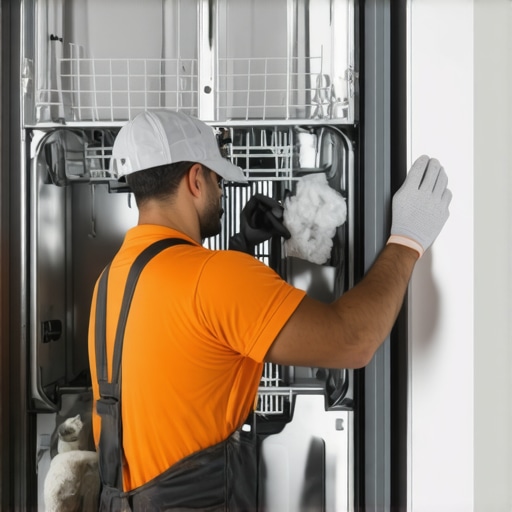 Many homeowners operate under assumptions that can cost them dearly when it comes to appliance repairs and warranties. One widespread misconception is that warranties cover every kind of damage, including pest-related issues like rodent damage. In reality, most warranties exclude such damage because pests are considered external factors or neglect, meaning you’re often responsible for prevention rather than repairs. Believing that replacing parts yourself always preserves your warranty is another trap; many manufacturers specify that unauthorized repairs void coverage. Understanding the nuances of your warranty terms is crucial, especially when diagnosing issues or attempting DIY fixes—improper repairs can unintentionally disqualify your claim. Advanced diagnostic techniques, such as using thermal imaging or multimeter tests, can help identify hidden problems before they escalate, saving time and money. For example, a simple multimeter check of the heating element terminals can reveal failures that a quick visual inspection might miss, aligning with expert advice on proper diagnostics. Many also assume that all appliance problems are obvious and easy to spot, but subtle signs like irregular noise patterns or slight leaks often indicate underlying issues that require professional evaluation. Recognizing these early signs and understanding the limitations of warranties can prevent costly repairs down the line. When dealing with complex issues, consulting a trusted professional or referring to diagnostic guides ensures a correct diagnosis and effective resolution. Keep in mind that thorough documentation and clear communication with service providers can support your warranty claims and avoid disputes. To learn more about how diagnostics can protect your warranty benefits, visit our comprehensive guide. Have you ever fallen into this trap? Let me know in the comments.
Maintaining your dishwasher’s optimal performance requires more than just regular cleaning; it hinges on using the right tools and understanding effective techniques. In my experience, having a few key instruments makes diagnosing and repairing common issues much more manageable, saving time and money in the long run.
How do I maintain my dishwasher over time?
The first tool I always keep in my repair kit is a high-quality multimeter. It’s indispensable for testing heating elements, checking for shorts, and verifying electrical continuity. I personally prefer those with auto-ranging functions because they simplify complex diagnostics, especially when you’re trying to identify subtle faults in the control board or wiring. For example, when a dishwasher isn’t heating water properly, a multimeter helps me quickly determine whether the heating element is dead or if there’s a wiring issue, as explained in this guide on testing inlet valves.
Alongside the multimeter, a set of precision screwdrivers is crucial. Many dishwasher panels are secured with tiny screws that require Torx or Phillips head drivers. I recommend investing in a professional-grade screwdriver set with interchangeable bits. This allows swift access to internal components like the drain pump, solenoid valves, and wiring looms without damaging delicate screws. Having the right tools makes troubleshooting much less frustrating and reduces the risk of causing further damage.
For clearing drain obstructions and stubborn debris, I rely on flexible drain line augers. These tools can navigate tight bends in hoses and help dislodge sludge buildup in the pipes. Regularly inspecting and cleaning the drain system prevents issues like drainage failure and extended cycle times, which are often linked to sludge accumulation, as discussed in this article on drain cleaning tools.
Another underappreciated item is a thermal imaging camera. These devices allow you to see hot spots and uneven heating on your appliance’s components. I use mine to spot faulty wiring connections or failing heating coils that aren’t obvious to the naked eye. The trend is moving toward integrating smart diagnostics with apps, which can help monitor your dishwasher’s health over time and alert you before a breakdown occurs.
Being proactive by tracking your appliance’s performance is vital. Many manufacturers now offer diagnostic software that can be connected via Wi-Fi or Bluetooth, providing real-time updates and error logs. I foresee these tools becoming standard, making it easier for homeowners to maintain their dishwashers without always calling in a technician. For example, understanding how to interpret error codes and data from diagnostic reports can greatly extend your appliance’s lifespan. Check out this comprehensive guide on diagnostics to get started.
Experimenting with these tools and techniques can vastly improve your maintenance routine. I encourage you to try using a multimeter to test your dishwasher’s heating element—it’s a simple step that can prevent inconvenient breakdowns. Embracing smart diagnostics and regular inspections will help keep your appliances running smoothly for years to come. Remember, the sooner you catch a small fault, the easier and cheaper it is to fix.
Over the years, I’ve learned that the most valuable insights in appliance maintenance come from real-world experiences, not just manuals or generic advice. One of my biggest revelations was realizing that troubleshooting isn’t just about fixing a part—it’s about understanding the story your dishwasher is telling you through signs and symptoms. For instance, a slight delay before water fills might seem minor, but it often hints at underlying issues that, if caught early, can prevent costly repairs and warranty hassles.
The Hardest Lesson I Learned About appliance repair,dishwasher,warranty,diagnostics
- Warranties don’t always protect you from pest-related damage — knowing what’s excluded can save you from surprises.
- Early diagnosis, especially with simple tools like a multimeter, is the key to avoiding warranty voids caused by DIY errors or neglect.
- Understanding your appliance’s subtle signs can help you prevent damage that warranties won’t cover, like gnawed wiring or compromised seals.
- Relying solely on consumer myths about warranty coverage can lead to expensive pitfalls. Always check your policy’s fine print.
- Investing in the right diagnostics tools and learning their use transforms unknown problems into manageable fixes, saving time and money.
My Essential Toolkit for Diagnosing and Protecting Your Dishwasher
- Multimeter: For accurate electrical testing—you can find reliable models that simplify complex diagnostics, like those explained here.
- Precision screwdrivers: Necessary for internal access without damage, making troubleshooting smoother and less risky.
- Flexible drain augers: To clear stubborn clogs, helping maintain proper drainage and prevent damage that warranty exclusions won’t cover.
- Thermal imaging camera: Spotting hidden problems like faulty wiring or failed heating coils before they cause extensive damage.
Your Next Step Is Keeping a Watchful Eye and Using the Right Tools
Remember, proactive diagnostics combined with regular inspections can significantly extend the life of your dishwasher. Don’t wait for a breakdown to act—early detection, proper sealing, and knowledge about your warranty can make all the difference. Since most warranty coverage doesn’t include pest-induced damage, taking preventive measures against rodents is essential, as discussed in this guide on diagnosing dishwasher problems.
Are you confident in recognizing the early signs of appliance trouble, or do you wait until a small issue becomes a major repair? Share your experiences below—I’d love to hear how you stay ahead of costly damages and warranty pitfalls.