

I’ll never forget the moment I realized my dishwasher wasn’t just acting up — it was probably hiding a secret filter that could save me a lot of time and money. I was knee-deep in troubleshooting, wasting hours on what seemed like minor issues, when a simple and overlooked component caught my eye: the water inlet valve’s little filter. That lightbulb moment changed everything. If you’ve ever faced persistent dishwasher problems—poor water flow, long cycles, or error codes—you’re probably missing a hidden filter component that could be the root cause.
The Real Reason Your Dishwasher Might Be Failing
Most people think their dishwasher’s troubles are purely mechanical or electronic, but a good chunk of the trouble actually stems from dirt, debris, or glass shards obstructing vital parts. The water inlet valve, which controls the flow of water into your machine, often has a secret filter that traps particles before they can clog the system. Ignoring this tiny screen can lead to incomplete washes, error codes, or even damage to the valve itself. The good news? Clearing or replacing this filter is a straightforward fix that can extend the lifespan of your appliance and restore its efficiency.
Have You Already Faced This Frustration?
If you’re nodding along, thinking about those mysterious water flow issues, you’re not alone. Early on, I made the mistake of assuming all these problems were related to complex parts or full replacements. I didn’t realize that a simple filter could be the culprit. An easy troubleshooting step, like inspecting the inlet filter, can save you both time and money. For detailed advice, consider checking out expert dishwasher diagnostics tips. Let’s dive into how to identify and clear this hidden helper inside your dishwasher, so you’re not left guessing next time it acts up.
Disconnect and Prepare Your Dishwasher
Start by unplugging your dishwasher from the power outlet to ensure safety during the cleaning process. Move the dishwasher away from the wall if possible, giving you clear access to the lower front panel. Lay down a towel to catch any water spills that may occur. Think of this as turning off the engine before performing maintenance on your car—safety first, to avoid accidents or electrical shocks.
Locate the Water Inlet Valve and Filter
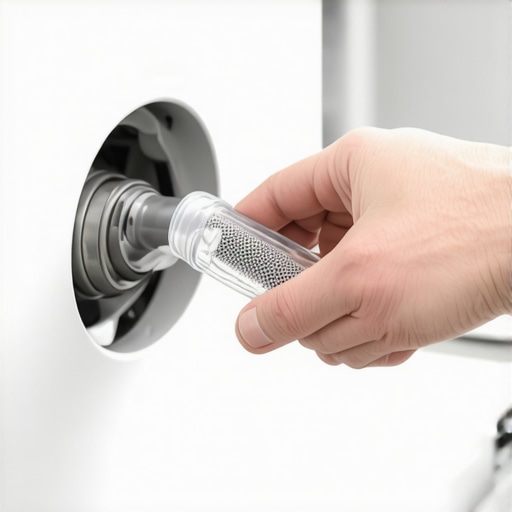
Open the dishwasher’s lower kickplate panel, typically secured with screws. Once removed, you’ll see the water inlet valve—a small device connected to the water supply hose. Adjacent to or integrated with this valve, look for a tiny mesh screen or filter. This filter resembles a fine metal or plastic sieve, often covered by a small retaining clip or a screw-on cap.
Inspect the Filter for Obstructions
Carefully remove the filter using needle-nose pliers or a small flat-head screwdriver. Examine it closely for debris, glass shards, mineral deposits, or soap scum buildup. Imagine this filter as the gateway catching all the dirt before water enters your dishwasher’s pump—if blocked, water will struggle to flow, reducing wash quality. I remember a time when I found a clump of shattered glass from a forgotten dish breakage clogging the filter, which caused error codes to appear. Cleaning it restored proper water flow immediately.
Clean and Clear the Filter
Wash the filter under warm running water, using a soft brush or an old toothbrush to dislodge stubborn particles. For mineral deposits or grime, soak the filter in a solution of vinegar and water for about 10 minutes—imagine it as giving your filter a detox. After cleaning, inspect for any damage like tears or corrosion. If damage is evident, consider replacing the filter. Reinstall the filter securely, ensuring it is seated properly to prevent leaks that could cause further issues.
Reassemble and Test
Replace the front panel, tighten any screws, and reconnect the dishwasher to power. Run a short cycle without dishes to verify water flow and confirm there are no leaks. During this test, listen for normal sounds—no whining or unusual noises—indicating everything operates smoothly. This quick test mirrors ‘taking your car for a test drive’ after repairs to ensure confidence in the fix.
Monitor for Recurrence
Keep an eye on subsequent washes. If water flow issues persist despite a clean filter, there might be underlying problems like a faulty inlet valve or water pressure issues—these cases may require professional diagnostics. For more detailed troubleshooting tips, explore expert dishwasher diagnostics tips. Remember, maintaining this tiny filter can drastically improve your dishwasher’s performance and extend its lifespan.
 Many homeowners operate under the misconception that warranty policies and basic diagnostics are straightforward and foolproof. However, the reality is far more nuanced. One common myth is that warranty coverage automatically includes every repair issue, but in fact, many warranties exclude problems caused by user errors or improper maintenance. This misconception can lead to denied claims, even when the issue seems warranty-worthy. Experts recommend understanding the fine print, such as conditions for coverage and exclusions, which can vary significantly between providers. To truly leverage your warranty, familiarize yourself with the detailed diagnostic procedures that technicians utilize. Advanced diagnostics often involve pinpointing subtle faults—like micro-cracks in electronic components or minor water pressure inconsistencies—that most consumers overlook. Ignoring these nuances can result in unnecessary replacement parts or extended downtime. An often-overlooked trap is assuming that a simple reset or code clear fixes complex issues. Sometimes, persistent problems require deep diagnostics, including sensor testing or circuit analysis, as documented in professional repair guidelines. Consider the case of dishwasher error codes; many believe unplugging and plugging back in will resolve everything, but without proper diagnostics, underlying faults—like a failing sensor or a clogged filter—remain unaddressed.
Why does understanding appliance diagnostics matter for warranty claims?
The key is that manufacturers’ warranty departments rely heavily on diagnostic reports from certified technicians. Their assessments can determine whether a repair qualifies for coverage. Knowing how diagnostics work enables consumers to communicate effectively with technicians and avoid common pitfalls that void warranties, such as unauthorized repairs or neglecting preventative maintenance. For example, running a thorough diagnostic test—considered the cornerstone of modern repair—can reveal issues before they escalate, saving money and preserving warranty benefits. For deeper insights into these diagnostic techniques, explore how diagnostics can protect your warranty. Maintaining awareness of these nuances can help you avoid costly mistakes and ensure your appliance receives the care it needs. Be proactive in understanding how diagnostic processes influence warranty decisions, and always keep detailed records of repairs and inspections to support your claims. Want to master diagnostics and avoid the common pitfalls? Visit this guide on optimizing your warranty claims. Proper knowledge is your best tool for smarter appliance management and better repair outcomes. Have you ever fallen into this trap? Let me know in the comments.
Maintaining your dishwasher’s performance over the long haul requires more than occasional cleaning; it demands the right tools paired with a systematic approach. Personally, I rely heavily on a few specific pieces of equipment that have proved indispensable in diagnosing and resolving common issues quickly and accurately.
Prioritize a Digital Multimeter for Accurate Diagnoses
My go-to tool is a reliable digital multimeter. I use it to test electrical components like heating elements, door switches, and the wiring harness. The reason? Many appliance failures stem from minor electrical faults that are invisible to the naked eye. A good multimeter, such as the Fluke 115 or Klein Tools MM6000, allows me to measure resistance, voltage, and continuity with precision. This not only speeds up troubleshooting but also prevents unnecessary part replacements. If you’re serious about DIY repair, investing in a quality multimeter can make a significant difference, especially when checking things like sensor circuits or verifying whether an inlet valve receives power.
Harness the Power of an Inspection Camera
I also swear by a compact, waterproof inspection camera. It helps me peer into hard-to-access areas like the bottom of the tub or behind the control panel without disassembly. For instance, when the wash cycle is noisy, I inspect for debris or damage in the pump housing or spray arm assemblies. Modern models like the Teslong or BlueFire provide clear images and even record videos, which I find useful when diagnosing persistent problems or preparing warranty claims. This approach saves time and reduces guesswork, especially when inspecting components that are difficult to reach.
Leverage Software-Based Diagnostic Tools
While most appliances have physical diagnostic modes, more advanced technicians incorporate software tools that connect via Wi-Fi or USB to read error codes and real-time sensor data. Although these tools are typically used by professionals, subscription-based diagnostic apps and manufacturer-specific interfaces are becoming more accessible. They can provide detailed insights, like pinpointing failing sensors or communication issues, that bypass the need for invasive inspection. Looking ahead, I believe this trend will expand as AI and machine learning algorithms begin offering predictive diagnostics, potentially alerting homeowners to issues before they escalate.
Maintain Your Tools for Long-Term Reliability
Tools are only as good as their maintenance. Regularly calibrate your multimeter, keep inspection camera lenses clean, and store software devices in controlled environments. Routine maintenance ensures consistent performance when a problem arises, reducing downtime and repair costs.
Have you tried integrating these specialized tools into your repair routine? Not only will they increase your confidence, but they’ll also provide more accurate diagnostics, ultimately extending your dishwasher’s lifespan. For a detailed guide on diagnosing tricky issues with advanced techniques, check out expert troubleshooting tips. Remember, a little investment in the right tools goes a long way toward keeping your appliance humming for years. If you’re unsure about how to start or want personalized advice, don’t hesitate to reach out to professionals for assistance.
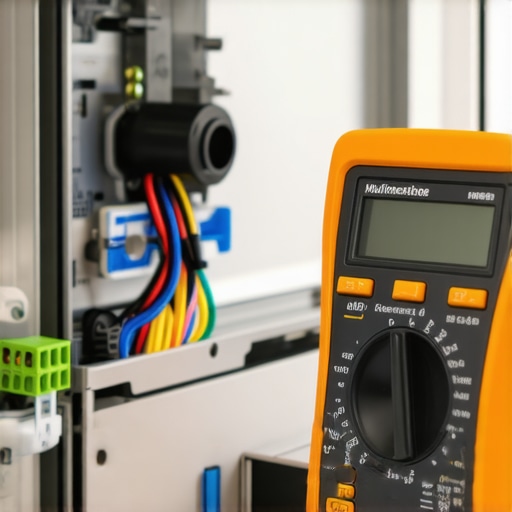
Suggested Image: Close-up of a multimeter measuring a dishwasher wire, with an inspection camera peering into the appliance’s interior. Alt text: “Using diagnostic tools to troubleshoot dishwasher issues”. Title: “Essential Equipment for Long-Term Dishwasher Maintenance.”
Lessons Hidden in My Repair Journey
One of the most profound lessons I learned is that even the tiniest component, like the water inlet filter, can cause major headaches if overlooked. Accepting that small parts often hold the key to troubleshooting taught me patience and attention to detail. Also, investing in quality diagnostic tools—like a reliable multimeter or an inspection camera—turned out to be game-changers, making repairs faster and more accurate. Lastly, I realized that understanding warranty policies and diagnostic procedures is essential for protecting myself from unnecessary expenses and ensuring my repairs are claim-worthy. These insights transformed my approach from guesswork to confidence.
Tools and Resources That Elevated My Skills
My essential toolkit includes a Fluke 115 multimeter because it provides precise readings for electrical troubleshooting. I also rely on a waterproof inspection camera from Teslong to peer into hard-to-access areas without disassembly, saving time and reducing guesswork. When I want to dig deeper, I use diagnostic software specific to appliance brands—these tools help identify subtle errors and sensor issues that might go unnoticed otherwise. For comprehensive guidance, I always refer to expert troubleshooting tips which have saved me from costly mistakes and extended my troubleshooting capabilities. Proper maintenance of these tools is also crucial to keep them reliable for long-term use.
Keep This Advice Close and Act
Stepping into the world of appliance repair may feel daunting, but with the right knowledge and tools, you can tackle even stubborn dishwasher issues confidently. Remember, small components like filters can make all the difference, and understanding your warranty can prevent costly mistakes. Take action today—inspect, clean, and test your dishwasher regularly to keep it running smoothly. You’re now equipped with insights that can save you time, money, and frustration in future repairs. So, what’s the first step you’ll take to enhance your appliance maintenance routine? Share your plans below and join the community of savvy homeowners taking control.