

It was late at night, and I was desperate. My dishwasher’s touchscreen had suddenly become unresponsive—no buttons, no lights, just a ghostly silence. Frustration turned to worry—was my warranty worthless? Could I fix this myself, or was I destined to call in a pricey technician? That was the lightbulb moment for me. After hours of online lurking, I discovered a surprisingly simple fix involving rubbing alcohol and patience. Maybe, just maybe, I didn’t need to carry my frustration to the repair shop.
Why You Shouldn’t Write Off DIY Fixes for Ghosting Touch Panels
I’ve come to realize that many appliance issues, especially with modern touch panels, are actually more repairable than we tend to think. The key is knowing what to try first—often, a quick cleaning or minor reset can bring your device back to life without voiding warranties or breaking the bank. For years, I assumed that a dead touch screen meant replacing the entire control panel—until I learned that dirt, grease, or even a tiny moisture patch could be behind the malfunction. Understanding the common causes and fixes can save you hundreds, or even thousands, in the long run.
Is Rubbing Alcohol the Miracle Cure? Think Twice Before You Dive In
Now, I’ll admit, my early mistake was rushing into using rubbing alcohol without proper research. I assumed it was a magic potion for touch screens, but I quickly learned that not all alcohol is created equal. Excessive or improper application can damage sensitive electronics. So, before you grab any bottle of alcohol, make sure it’s a high-purity isopropyl solution—typically 70% or higher—and that you’re applying it carefully with a soft cloth. For a detailed guide on diagnostics and what to trust, check out when to trust a warranty. This experience taught me that a little knowledge and caution make all the difference.
So, if your ghosting touch panel has you stumped, you’re not alone. And yes, there are simple, safe steps you can take—like this rubbing alcohol trick—that could save the day. Ready to discover how this method can help you? Let’s dive into the how-to that finally restored my dishwasher’s touchscreen and might just do the same for you.
Power Down and Prepare Your Workspace
Before starting any repair, unplug your dishwasher to prevent electrical shocks. Move the unit away from the wall if possible, giving yourself clear access to the control panel. Wear gloves to avoid contact with residual moisture or dirt that may be inside. Think of this as turning off a car before changing the oil—safety first and easiest to work smoothly.
Test and Diagnose the Panel’s Connection
Remove the dishwasher’s front panel or control board cover, typically secured with screws. Use a multimeter to check for continuity on the wiring loom connecting the touch panel to the main control board. Look for loose connections or corroded pins—these are common culprits. For a thorough diagnostic, I used a diagnostics guide to confirm that contact issues caused the ghosting screen.
Clean the Touch Panel and Connectors
Often, dirt, grease, or moisture build-up obstructs the touch sensors. Dampen a microfiber cloth with 70% isopropyl alcohol—avoid cheaper or impure alcohol, which can damage sensitive electronics. Gently wipe the entire surface of the touch panel, paying special attention to edges and buttons. Use a cotton swab dipped lightly in alcohol to reach tight spots or crevices. Think of this as cleaning camera lenses—removing grime restores clarity. When I cleaned mine, I found a lot of residual grease, which explained the unresponsiveness.
Image Placeholder for Cleaning Process
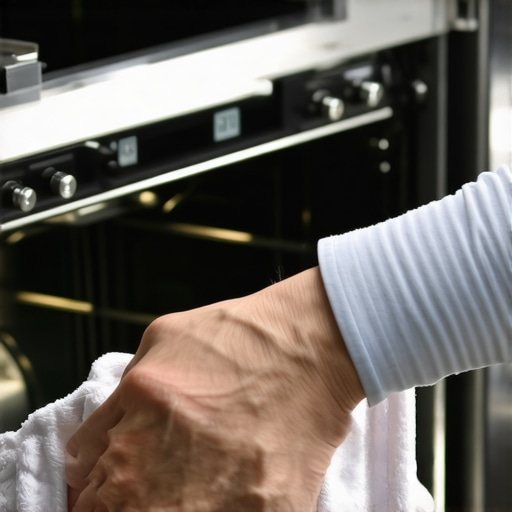
Proper cleaning with alcohol helps dissolve oils and gunk, restoring touch sensitivity. However, avoid excessive use; a light, even swipe is sufficient. After cleaning, let the panel dry for a few minutes to ensure no moisture remains—think of it like letting paint dry before touching.
Reassemble and Test
Once everything is dry, reconnect wiring and secure the control panel cover. Plug the dishwasher back in and run a quick test cycle. Carefully observe if the touch panel responds properly. If issues persist, a common mistake is a faulty sensor chip or damaged controller board. For these complex failures, referring to advanced diagnostics tips can guide further troubleshooting.
When DIY Isn’t Enough
If cleaning and reconnecting don’t resolve the issue, consider that the warranty might cover a replacement. Verify whether your warranty is still valid by checking when to trust a warranty. Opening the device yourself does risk voiding coverage, so weigh your options carefully. If in doubt, professional diagnostics ensure you don’t miss hidden issues that lead to recurring failures. For example, I learned that a damaged control board may look fine visually but fail under testing, emphasizing why thorough diagnostics matter.
Remember, precise diagnosis and cautious cleaning can often breathe new life into a ghosting touch panel without the expense of replacement. Always handle electronics gently—think of it like handling delicate vintage electronics—because a tiny shock or mishandling can escalate problems.
Many homeowners believe that if their dishwasher isn’t functioning properly, they automatically need a professional repair or replacement. However, this oversimplified view ignores the nuanced realities of appliance diagnostics and warranty applications. For instance, a widespread myth is that a non-responsive touch panel always indicates a faulty control board. In reality, misdiagnosing this as a dead component can lead to unnecessary expenses. Often, issues stem from simple causes like moisture buildup, faulty wiring, or sensor misalignments, which can be resolved through careful diagnostics rather than jumping straight to replacement.
Why Do So Many Misunderstand the Role of Warranties in Repairs
Contrary to popular belief, warranties don’t always cover every repair, especially if improper diagnostics lead to unnecessary part replacements. Relying solely on warranty claims without thorough troubleshooting might result in denied coverage or voided warranties if damage is misattributed. According to industry experts, understanding the fine print and conducting proper diagnostics can significantly improve your chances of successful warranty claims. For example, many homeowners overlook signs that suggest their appliance issues are caused by user error or external factors, which aren’t covered under warranty, leading to costly out-of-pocket expenses.
Additionally, a common mistake is believing that all repairs are equally straightforward. In reality, some issues require advanced diagnostics—like checking for scale buildup inside heating elements or testing circuit continuity—that go beyond simple visual inspections. Performing these steps yourself can be risky if you’re unaware of the proper procedures, leading to further damage. Therefore, investing in proper diagnostic methods, such as using a multimeter correctly or understanding diagnostic codes, can save you money and time in the long run. Discovering subtle problems early—like a tiny leak or a degrading sensor—can prevent major failures and extend your appliance’s lifespan.
Furthermore, many homeowners are unaware that improper cleaning or maintenance can mimic more severe malfunctions. For instance, mineral deposits can cause sensors to misread water levels, leading to the illusion of a malfunctioning controller. Regular, correct cleaning—using appropriate cleaning agents and tools—helps avoid these false positives. Remember, the key to effective appliance repair is not just fixing the visible issue but understanding the underlying causes before taking action. Want to learn more about advanced diagnostics that can elevate your repair game? Check out how appliance diagnostics can improve your warranty claims.
What Are Common Advanced Mistakes Homeowners Make When Troubleshooting?
One of the biggest pitfalls is misinterpreting diagnostic clues. For example, relying solely on visual cues—such as corrosion or physical damage—without performing electrical tests can lead you astray. Using tools like a multimeter to test circuit continuity or resistance provides more reliable data. Also, rushing into part replacements without confirming the actual fault often results in wasted resources. To avoid these pitfalls, educate yourself on the diagnostic process, learn how to interpret error codes, and understand the diagnostic signs of deeper issues. Doing so empowers you to make informed decisions, whether you’re DIY-ing or consulting professionals. Expert troubleshooting tips can be invaluable in this regard. Remember, being patient and methodical during diagnostics not only saves money but also ensures your appliance receives the proper repair it needs. Have you ever fallen into this trap? Let me know in the comments.
Tools I Recommend for Reliable Dishwasher Maintenance
To keep your dishwasher running smoothly over the years, investing in the right tools is crucial. I personally swear by a high-quality digital multimeter, such as the Fluke 117, which allows me to accurately test components like heating elements and control boards without guesswork. A set of micro screwdrivers with precision tips is invaluable for accessing tight control panel screws or delicate wiring connectors. Additionally, a flexible inspection camera helps me peer inside hard-to-reach areas, spotting corrosion or blockages before they become major issues. Real-time diagnostics apps—like appliance-specific troubleshooting software—are also game-changers, providing step-by-step guidance based on error codes. These tools empower you to make informed decisions, prevent costly repairs, and extend your appliance’s lifespan.
Long-Term Maintenance Strategies for Dishwasher Health
Consistent upkeep involves several key practices. Regularly cleaning the spray arms, filters, and seals prevents mineral buildup and clogs that impair performance. Using descaling solutions designed for appliances can clear internal scale, especially if you have hard water—aim for a quarterly treatment. Ensuring the dishwasher is level and stable reduces undue wear on components; an uneven unit can cause leaks or vibration damage. Checking door seals with a flashlight for cracks and replacing them promptly preserves watertight integrity. Keeping a maintenance log helps track when components like filters or spray arms were last serviced, aiding future diagnostics. Remember, proactive steps today save you from costly replacements tomorrow. For an in-depth look at diagnostics that bolster warranty claims, explore this comprehensive guide.
How do I maintain dishwasher efficiency over time?
Maintaining long-term appliance performance hinges on routine inspections and gentle handling. Regularly inspect the door latch and hinges for wear, as a secure door prevents leaks and ensures proper cycle operation. Using the correct detergents and avoiding overloading not only improves cleaning but also reduces strain on mechanical parts. Periodic use of a dishwasher cleaning cycle combined with a mineral deposit remover keeps internal components free of scale and grime. Moreover, listening for unusual noises or erratic cycle behavior can signal early problems—addressing these promptly prevents escalation. Remember, a well-maintained dishwasher saves energy, water, and your patience. If you’re unsure about specific diagnostics or troubleshooting, consider professional assessments—more info is available at this expert resource.”}]}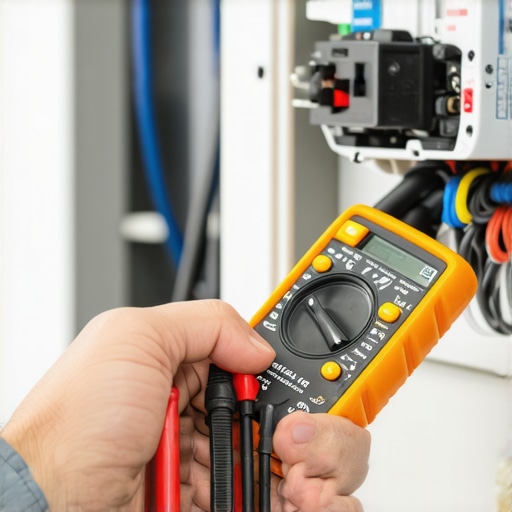
Three Lessons That Saved Me From Costly Appliance Mistakes
First, never assume a problem is as simple as it looks. Sometimes, a ghosting touchscreen masks a deeper wiring issue or moisture infiltration that only thorough diagnosis reveals. Second, patience pays off—rushing into replacements without proper troubleshooting can turn a small fix into a significant expense. Third, understanding your warranty terms empowers you to make smarter decisions—knowing when to DIY, when to call professionals, and how to document repairs effectively can influence coverage and costs.
My Go-To Tools for Reliable Dishwasher Fixes
I trust the digital multimeter for its precision in diagnosing electrical issues, especially testing heating elements and control boards. A flexible inspection camera is invaluable for peering into tight spaces to spot corrosion or blockages. I also recommend a comprehensive toolkit with micro screwdrivers for delicate panel work. These tools together give me confidence during diagnostics and repairs, saving time and reducing errors.
Step Into Action and Keep Your Dishwasher Happy
The world of appliance repair is more approachable than most think. With a few basic tools, cautious steps, and an understanding of your appliance’s inner workings, you can tackle many issues—like a ghosting touch panel—yourself. Remember, taking the time to diagnose properly not only saves money but also extends your dishwasher’s lifespan. Ready to become more confident in your repair skills? Dive in, and don’t hesitate to reach out if you need expert guidance. What common dishwasher issue have you struggled with, and how did you resolve it? Share below!