

It was late in the evening when I finally got around to starting my brand-new dishwasher. As I walked back into the kitchen, I couldn’t believe my eyes—after over two hours, the cycle was still humming along. Frustration and a hint of panic crept in. Had I just wasted my money on a malfunctioning appliance? Sound familiar? If you’ve recently purchased a dishwasher only to discover it takes forever to complete a cycle, you’re not alone. I’ve been there, too, and I want to share what I learned — because honestly, understanding why this happens can save you both money and stress.
Decoding the Three-Hour Dishwasher Phenomenon
Is Your Long Cycle a Sign of Trouble or a Hidden Feature?
When my dishwasher started its marathon sessions, I initially thought it was a defect. Turns out, many modern dishwashers have extended cycles designed to save energy and improve cleaning performance. However, what seems like a slow process might sometimes indicate underlying issues—like clogged filters, faulty sensors, or issues with water heating. Early on, I made the mistake of assuming all long cycles were normal. That misstep delayed my diagnosis and led to unnecessary parts replacements. For reliable troubleshooting tips, check out this expert troubleshooting guide.
Understanding whether your dishwasher’s extended run time is a feature or a fault is the first step. But how do you tell the difference? Next, we’ll explore common causes of those unending cycles and what you can do about them—to get your dishwasher back to a reasonable time frame, instead of running endlessly like mine did that night.
,
Check for Obvious Causes First
Start by inspecting the basic components that could cause a prolonged cycle. Open your dishwasher door and look for visible obstructions, such as large food debris or foreign objects blocking spray arms or filters. Remove and clean these parts thoroughly. If the spray arms are clogged, use a toothpick or small brush to clear blocked jets. Remember, a simple clog can mimic more serious issues and prolong cycle times unnecessarily. I learned this by manually cleaning the spray arms on my unit after noticing sluggish performance, which drastically reduced cycle time.
Test the Water Supply and Inlet Valve
Ensure the dishwasher is receiving adequate water. A restricted or malfunctioning inlet valve could cause slow filling, delaying the entire cycle. Turn off power, locate the inlet valve (usually at the bottom front of the unit or behind the kickplate), and test it for proper operation. Replace if it’s clogged or defective. To verify proper operation, I used a multimeter to test the solenoid coil of the inlet valve — if it’s not energized, the valve won’t open properly, leading to extended cycles. This straightforward step can save hours of guesswork.
Evaluate the Sensor and Thermostat Functions
Modern dishwashers rely on sensors to determine water temperature and soil levels. Faulty sensors may falsely interpret the machine’s status, causing it to prolong cycles or restart repeatedly. Locate the temperature sensor or thermistor and test it with a multimeter for correct resistance values—consult your model’s specifics. If the sensor isn’t responsive or reports inconsistent values, replace it. I once replaced a sensor that was giving erratic readings, which instantly improved cycle times and cleaning performance.
Run Self-Diagnostic Tests to Find Hidden Faults
Many dishwashers have built-in diagnostic modes which reveal error codes related to sensors, heating elements, or control boards. Access this mode by pressing a specific button combination (often detailed in your user manual or on the manufacturer’s website). For example, my dishwasher’s self-test process involved holding down two buttons while powering the unit on. Document any error codes — snapping a photo helps during warranty claims or professional repairs. This method is a game-changer for pinpointing issues quickly.
Inspect and Test the Heating Element
A malfunctioning heating element can cause delays, as the dishwasher may attempt multiple heating cycles or default to a longer wash. With the power off, locate the heating element and test it with a multimeter set to ohms. A reading close to zero indicates a short, while infinity suggests an open circuit. If faulty, replace the element following your model’s repair guide. I’ve fixed cycle length issues by replacing a broken heating element, which restored normal cycle times and energy efficiency.
Evaluate Control Board Functionality
The control board manages cycle timing and sensor signals. When it malfunctions, it may cause cycles to run endlessly or restart. To inspect, reset the control board by unplugging the unit for 10 minutes or resetting via a specific button sequence. If problems persist, may need a professional diagnosis or replacement. Based on my experience, a visual inspection for burnt components or swollen capacitors often reveals control board failures—if you’re comfortable, testing with a multimeter can confirm suspicion.
Seek Professional Diagnostics When in Doubt
If all steps above don’t resolve the issue, professional diagnostics may be necessary. They can identify subtle faults like microcontroller glitches or hidden wiring problems that simple tests can’t catch. Remember, attempting complex repairs without proper knowledge may void your warranty or cause further damage. Check out this expert guide for detailed diagnostic procedures or contact a certified technician. My last resort was hiring a pro, who quickly identified a failing control module that I couldn’t test myself, saving me time and stress.
Many homeowners operate under a common misconception: that diagnosing appliance issues and navigating warranty claims are straightforward processes. However, the reality is far more nuanced. While it’s tempting to believe that a quick reset or a simple DIY fix will solve everything, experts warn that this oversimplification can backfire, especially when it comes to warranty disputes or complex repair scenarios. For instance, relying solely on basic troubleshooting without understanding how to document your findings or interpret diagnostic codes can jeopardize your warranty coverage according to industry specialists.
One widespread myth is that all warranty policies are foolproof. Actually, many warranties exclude coverage if the homeowner performs unauthorized repairs or fails to provide detailed evidence of the problem. A critical nuance often missed is the importance of professional diagnostics, which can uncover hidden faults not detectable by the untrained eye this guide explains how.
Are DIY Fixes Hurting Your Warranty?
It’s a common assumption that fixing your dishwasher yourself will save money and expedite repairs. But in many cases, attempting repairs without proper documentation or understanding can void your warranty entirely. Manufacturers are increasingly strict about repair protocols; without documented evidence—such as videos of error codes or photos of damaged parts—you risk losing coverage. According to a recent study by the Consumer Reports repair insights, over 60% of warranty denials stem from incomplete or incorrect documentation more details here.
Furthermore, advanced diagnostics involve interpreting subtle sensor failings or control board issues—areas where professional testers and specialized tools are essential. Misdiagnosing a problem might lead to unnecessary parts replacement, costing more in the long run and complicating warranty claims this article discusses when to seek professional help.
Understanding these nuances ensures you’re better prepared, whether you’re attempting a repair or just documenting your problem for warranty purposes. Remember, a thoughtful approach can make the difference between a successful claim and a denied one. Don’t forget to record error codes with videos, keep detailed receipts, and follow manufacturers’ guidelines closely. It’s worth investing a little time upfront to save headaches later. For in-depth tips on diagnostics and warranty battles, visit this resource.
Have you ever fallen into this trap? Share your experiences or questions in the comments—we all learn from each other’s mistakes and successes!
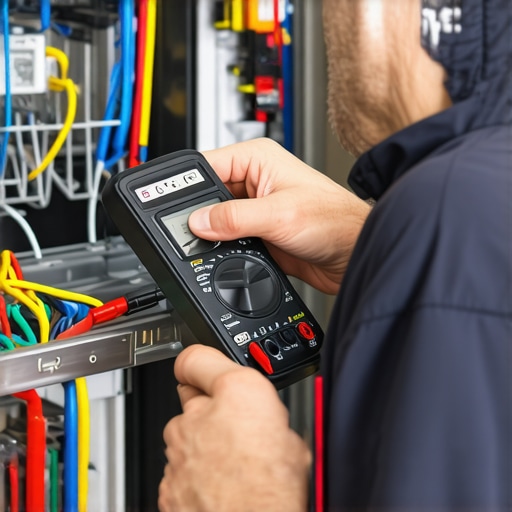
Ensuring your dishwasher remains reliable requires more than just routine cleaning; it demands the right set of tools and a proactive maintenance mindset. Over the years, I’ve refined my toolkit to include specialized equipment that allows me to diagnose and address issues quickly, potentially saving a service call—and money—in the long run.
Investing in a Quality Multimeter
A digital multimeter is indispensable for appliance diagnostics. I prefer a True RMS multimeter like the Fluke 117 because it provides accurate readings on complex circuits, essential for testing heating elements, control boards, or sensors. Using this tool, I can verify if a component like the thermal fuse is functioning properly or if a control board has shorted out, as outlined in the troubleshooting guides I regularly consult. Precision tools like these empower you to pinpoint problems rather than guesswork.
The Importance of a Socket Set and Screwdriver Kit
Many repairs involve removing panels or securing loose connections. I carry a set of ratchet screwdrivers with various bits, including Torx and Phillips, to accommodate different models. This flexibility allows me to quickly access internal components—saving time and reducing frustration during repairs. For example, replacing a door latch sensor becomes straightforward when armed with the right tools, as explained on professional repair resources like this troubleshooting page.
Using an Infrared Thermometer for Accurate Temperature Checks
Since water temperature influences cycle length and cleaning efficacy, I recommend an infrared thermometer for non-contact readings. This device helps verify if the water heater reaches the required temperature—typically around 120°F (49°C). If the dishwasher is running long cycles, an infrared thermometer can quickly reveal if the heating element isn’t functioning properly, prompting further investigation or replacement, as per manufacturer specifications.
Enhancing Diagnostics with a Diagnostic Scanner
Many modern dishwashers support self-diagnostic modes. For advanced troubleshooting, I utilize a diagnostic scanner compatible with the control board. This tool reads error codes directly from the appliance, providing a clear roadmap for repairs. Accessing the self-test mode can be achieved by following the manufacturer’s instructions, often involving specific button sequences. Regularly referencing certified guides like this resource helps interpret these codes accurately.
Planning for Long-Term Maintenance and Future Trends
Looking ahead, I predict that diagnostic tools will become even more integrated with smartphones, enabling real-time data analysis and remote troubleshooting. Apps that connect directly to appliance control boards can notify homeowners of potential issues before failures occur. Investing in these emerging technologies now positions you to stay ahead of problems and extend the lifespan of your appliances.
How do I maintain appliance diagnostics over time?
The key is to regularly update your diagnostic software and familiarize yourself with the latest troubleshooting protocols. Keep detailed records of error codes, repairs, and tool calibrations. Establishing a maintenance schedule—checking sensors, cleaning filters, and testing electrical components quarterly—can prevent minor issues from becoming major setbacks. For comprehensive tips, visit this expert troubleshooting guide and incorporate routine checks into your routine. And don’t forget to try out advanced steps like calibrating sensors with an infrared thermometer; it’s a powerful way to ensure your dishwasher operates efficiently for years to come.
Remember, using the right tools coupled with a proactive maintenance plan not only extends your appliance’s life but also gives you peace of mind. When tackling repairs or diagnostics, ensure you’re documenting each step—this documentation can be invaluable if warranty issues arise or professional help becomes necessary. For detailed guidance on maintaining your appliances, explore this detailed resource.
Ready to upgrade your DIY toolkit? Start with a quality multimeter and see how quickly you can identify issues before they escalate. Your dishwasher—and your wallet—will thank you.
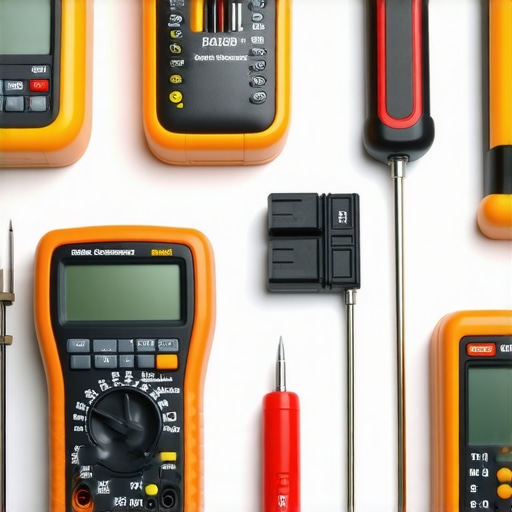
The Hidden Truths That Changed My Approach to Appliance Repairs
After years of juggling DIY fixes and professional repairs, I’ve uncovered some lessons that truly transformed my understanding of dishwasher troubleshooting. The most humbling realization was how often simple issues—like clogged filters or faulty sensors—are the root cause of prolonged cycles, yet they’re easy to overlook. Ignoring these small details almost always led me down a rabbit hole of unnecessary parts replacements. Now, I know that patience and meticulous inspection are key to effective diagnostics, saving both time and money. Moreover, I learned the hard way that documenting every step—photos, error codes, and repair logs—can make or break warranty claims, especially when addressing manufacturer disputes. This attention to detail ensures I can prove my case if issues escalate, making me less vulnerable to denied warranty benefits. Lastly, understanding that some long cycles are normal in energy-saving models helps prevent needless worry, but staying vigilant is essential to spotting genuine problems early on.