

Have you ever had that sinking feeling when your dishwasher suddenly stops working, and the warranty claim gets denied? I remember the moment clearly. I had just finished a cycle, and my brand-new dishwasher refused to start the next day. Calling the repair service, I learned the hard way that a simple mistake on my part might have cost me the coverage I desperately needed. That’s when I realized the importance of having clear, undeniable evidence—especially photos—to back up warranty claims. It was a lightbulb moment that changed how I approach appliance troubleshooting.
Why a Clear Photo Can Be a Game-Changer for Your Warranty Claims
If you’ve ever dealt with warranty disputes, you know how frustrating it can be. Claims are often rejected over vague or insufficient evidence of the problem. That’s where the specific photo proof comes in—it’s your ace in the hole. When I started documenting my diagnostics with detailed pictures, I noticed a significant improvement in my chances of getting repairs covered. Photographs provide a visual record that both you and the warranty company can refer to, making it harder for disputes to sway in their favor or for excuses to slip through. An article by Appliance Outlet Pro emphasizes how precise diagnostics, supported by photos, can be essential for protecting your warranty benefits.
Will a Picture Really Make a Difference?
I admit, I was skeptical at first. Early on, I made the mistake of trying to resolve issues without visual evidence, relying solely on verbal descriptions. That led to rejected claims. Once I started taking photos of diagnosing my dishwasher—like showing a blown thermal fuse with my multimeter and recording the process—I moved from just hoping for coverage to actually securing it. Visual proof not only clarifies the issue but also demonstrates that you’ve taken the right steps to diagnose the problem. It’s worth noting that some manufacturers are more receptive than others, so knowing what to document can be a real advantage.
So, if you’re tired of having warranty claims fall flat, it’s time to leverage the power of photos. Next, I’ll walk you through what to document and how to do it effectively, so you’re prepared when the next problem strikes. Have you faced this particular challenge yourself? Drop a comment—I’d love to hear your experiences, and maybe even help troubleshoot your issues with some tips from my own journey.
Remember, detailed diagnostics backed by clear photos could be the difference between a covered repair and paying out of pocket. Ready to see how this works in practice? Let’s dive into the essential steps and techniques.
Capture Critical Details with Precision
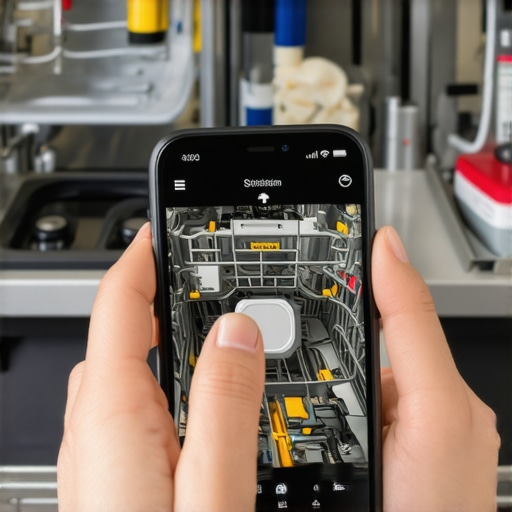
Start by taking high-quality photos that clearly show the issue. For example, if your dishwasher isn’t draining, photograph the water level, the filter area, and any visible debris. Use good lighting and focus on the problem spot, ensuring parts or leaks are unmistakable. During my own troubleshooting, I used my smartphone to snap multiple images from different angles, which later proved invaluable when filing my warranty claim. Remember, close-up shots are more effective than wide shots for highlighting specific defects.
Use a Multimeter to Verify Electrical Components
Measuring electrical continuity is crucial. When diagnosing a faulty thermal fuse, I set my multimeter to the resistance setting and tested the fuse terminals. A reading of infinite resistance indicated a blown fuse. Document this step by including a photo of the multimeter display alongside the fuse. This tangible evidence helps warranty providers understand you’ve performed proper diagnostics, reducing the chance of claim rejection. For more on testing heating elements, refer to this guide.
Record the Diagnostic Process
Video recordings can add another layer of proof. Record yourself running through troubleshooting steps, such as opening the control panel or inspecting the drain hose. A short video demonstrating the disassembly or the problem in action can clarify issues that static images may miss. I once captured a video showing my dishwasher’s error code display, which I attached to my claim email, resulting in quicker processing. When documenting, ensure videos are steady and show both the steps taken and the problem’s manifestation clearly. Some warranty providers appreciate visual evidence as described in this article.
Log Every Step Methodically
Create a checklist of diagnostics performed, including the parts tested, tools used, and results obtained. For each item, take a photo, such as a multimeter reading or a removed component. Organizing your evidence in this way functions like a report, making it easier to present a comprehensive case. For instance, I documented removing the door latch, taking a photo of the latch mechanism, and noting the resistance measurement. This systematic approach streamlines the claim process and minimizes the risk of missing crucial proof, akin to building a case with solid evidence.
Store and Backup Your Evidence
Keep copies of all photos, videos, and logs in a secure location—cloud storage, external drives, or both. This ensures you have access if the original device fails or the files are lost. When I faced a dispute, my backup stored in the cloud allowed me to quickly resend evidence, accelerating resolution. Always include relevant details in file names or metadata, such as date, appliance model, and issue description, to easily identify each file later. Proper organization and backups are your insurance against losing critical proof.
Applying these precise documentation techniques transforms your warranty claims from hopeful guesses to well-supported arguments. The effort may seem meticulous, but it substantially improves your chances of coverage, saving you money and frustration during appliance trouble. By systematically photographing, recording, and organizing your diagnostics, you become your own best advocate—ready for whatever problem next strikes your dishwasher or other appliances.
Many homeowners and even seasoned DIY enthusiasts fall prey to misconceptions about diagnosing and repairing appliances like dishwashers. A common myth is that troubleshooting is straightforward: identify the obvious problem, fix it, and hope for the best. However, the reality is far more nuanced. Overlooking small details or misinterpreting diagnostic steps can lead to costly mistakes or voided warranties.
For instance, some believe that a simple visual inspection suffices to diagnose issues. In truth, complex appliance systems often hide faults within electrical components or internal mechanisms that aren’t visible to the naked eye. Relying solely on surface-level checks can result in misdiagnosis, leading to unnecessary part replacements or warranty rejections.
What are the most common pitfalls that trip up even experienced DIYers?
A significant mistake is neglecting thorough testing with proper tools. Using a multimeter improperly, or skipping resistance checks on heating elements or fuses, can give false reassurance that the appliance is functioning. This oversight might cause you to overlook critical issues like a blown thermal fuse—something expert diagnostics can identify effectively. For a detailed step-by-step on using diagnostic tools, check this guide.
Another trap is assuming that warranty coverage is automatic once you document a fault. Many consumers are unaware that warranty providers often scrutinize the diagnostic process, and incomplete or poor-quality evidence can lead to claim denial. Effective documentation, including high-resolution photos of damaged parts and clear records of diagnostic steps, significantly increases your chances of success. You might find it helpful to revisit this article for insights into strengthening your warranty claims.
Advanced troubleshooting also involves understanding the hidden nuances—like how electrical surges can silently damage insulators, or how small leaks can cause cascading failures. Recognizing these subtleties can save time and money. For instance, monitoring for intermittent faults with a smartphone-level or wiring diagram can reveal less obvious issues that static tests miss.
Lastly, beware of the trap where homeowners think they need to replace entire assemblies when only a single component is faulty. Often, targeted repairs—like replacing a thermal fuse or cleaning a clogged spray arm—are sufficient and cost-effective. The key lies in precise diagnostics combined with expert knowledge. For more on isolating fault components efficiently, consult this comprehensive guide.
Having a deep understanding of these nuances transforms your approach from amateur guessing to expert troubleshooting. This not only preserves warranty rights but also extends the lifespan of your appliances. Remember, the devil is in the details—don’t let small missteps derail your repair efforts. Have you ever fallen into this trap? Let me know in the comments, and share your experiences so we can all learn to troubleshoot smarter.
How do I maintain my dishwasher over time?
Keeping your dishwasher running smoothly requires more than just occasional cleaning. I rely heavily on a few specialized tools and a disciplined maintenance routine to ensure long-term performance. First, I always keep a good-quality
Next, I use a smartphone level app, like this free app, to ensure my dishwasher is perfectly level. Proper leveling reduces vibrations, noise, and prevents leaks — details often overlooked but vital for appliance longevity. Besides tools, routine cleaning of filters, spray arms, and door gaskets is key. Regularly removing and inspecting the hidden filter ensures water flow remains optimal and cuts down on buildup that can damage internal parts over time.
Looking ahead, industry trends suggest a move towards integrated diagnostics—smart sensors that monitor performance and alert homeowners proactively. As this technology becomes standard, maintaining your appliances will shift from reactive repairs to preventative care, guided by real-time data. For example, some modern dishwashers are equipped with diagnostics that diagnose leaks or component wear, saving considerable time and money.
To extend the lifespan of your dishwasher, consider implementing a scheduled maintenance plan. For example, every six months, run a cleaning cycle with a descaling agent and recheck critical electrical points. Keeping a detailed log of your tests and inspections (with photos) further supports warranty claims and offers peace of mind. Remember, attention to small details now pays off by preventing major failures later.
How can I refine my tools and routines for ongoing success?
Start by investing in a quality multimeter with detailed resistance and continuity functions. Use it systematically to test components like thermal fuses, wiring, and switches regularly. Pair this with a simple visual inspection—cleaning, tightening connections, and replacing worn seals—so potential issues are caught early. Document every step with clear photos or videos to build a comprehensive record, especially if you plan to challenge warranty denials or disputes.
Keep your tools calibrated and your techniques consistent. For example, using the paper test to check door seals or the flashlight test for leaks helps identify problems before they cause damage. By integrating these practices into your routine, you become your own best technician, capable of diagnosing and addressing issues promptly.
As you develop your DIY diagnostic skills, don’t forget to leverage authoritative content. Reading up-to-date guides like this cornerstone article can deepen your understanding and sharpen your troubleshooting edge. Trying out these advanced tips, such as regularly testing electrical components and maintaining detailed logs, will make you more confident and capable over time.
Remember, active maintenance and proper tools are your best allies for preserving appliance health. If you’d like to explore more sophisticated diagnostics, consider investing in an external multimeter and dedicating space for routine checks. These steps can significantly extend your dishwasher’s lifespan and save hundreds in repair costs. Ready to give one of these tools a try? Start today by testing your thermal fuse—it’s a quick, impactful step toward more reliable performance.
What I Wish I Knew Before Relying Solely on Visual Checks
My biggest revelation was understanding the importance of proper diagnostic tools. Initially, I believed that a quick visual inspection was enough, but I frequently missed internal faults that only specialized testing could reveal. Embracing tools like multimeters transformed my troubleshooting approach and saved me time and money. It turned my DIY efforts from guesswork into confident diagnostics, emphasizing that deep knowledge beats superficial checks every time.
Building a Toolbox That Makes Repair Feel Empowering
Over time, I curated a handful of trusted tools—like a quality digital multimeter, a smartphone level for leveling appliances, and precise connectors. These aren’t just gadgets; they’re your allies in unveiling hidden faults. Investing in reliable tools pays off when your warranty claim hinges on documented, accurate measurements. Remember, the right tools with consistent techniques elevate your diagnostics from ordinary to expert-level, making appliance repair less intimidating and more intelligent.
Mobilizing Your Mindset to Tackle Appliance Issues
Replacing fear with curiosity is a game-changer. Every appliance hiccup becomes a puzzle waiting to be solved. Developing a habit of detailed documentation—photos, videos, logs—shifts your role from a passive observer to an active detective. This mindset not only boosts your confidence but also fortifies your warranty claims. When you see troubleshooting as a learning journey rather than a chore, you unlock the potential to extend your appliance’s life significantly.
Where to Go from Here
For in-depth guidance, I recommend exploring this cornerstone article. It offers comprehensive insights into how mastering diagnostics can fortify your warranty rights and ensure reliable fixes. When you’re ready to elevate your skills, dive into specific techniques like resistance testing and detailed component inspections. Remember, every successful diagnosis improves your home’s resilience against unexpected breakdowns, and becomes a skill you’ll lean on for years to come.
Seize the Moment and Start Your Diagnostic Journey
Empowering yourself with systematic diagnostic habits turns appliance troubles into manageable tasks. Your dishwasher—and other appliances—will thank you when you approach repairs with confidence rooted in knowledge and preparation. Don’t let uncertainty hold you back; every step forward sharpens your skills and extends your appliance’s lifespan. Now is the perfect time to take that first diagnostic step and build a future where you’re always ready to face appliance challenges head-on.
What’s been your biggest breakthrough when troubleshooting appliances? Share your story below—I’d love to learn from your experiences and help you troubleshoot even more effectively!