

Have you ever pulled out your dishwasher rack only to watch in dismay as it wobbles and threatens to come crashing down? That moment of realization—knowing that your once-smooth operation is now a shaky mess—can be genuinely frustrating. I’ve been there myself, standing in my kitchen, holding a sagging rack that’s on the verge of a fall, and wondering if I needed to shell out for a costly repair or replace the entire appliance.
Certainly, there’s a sense of helplessness when a crucial part of your dishwasher starts to give way. But here’s a lightbulb moment that changed everything for me: sometimes, you can solve these problems with simple, inexpensive fixes instead of jumping straight to expensive replacements. Today, I’ll share how a couple of zip ties—yes, the humble, everyday fastener—saved my sanity and my wallet. If you’ve ever faced a falling dishwasher rack or worry about it happening, stick around. I promise to show you how to tackle this common problem with a quick, clever fix.
Is this quick fix really reliable, or am I risking a disaster?
Early on, I made the mistake of underestimating the importance of the rack’s support rods, thinking a professional repair was the only way out. Trust me, it’s a common misconception. But after some research and a bit of trial and error, I learned that many times, these issues are minor and can be temporarily fixed with hardware you already have at home. If you’re skeptical—like I was—you’re not alone. But I can tell you from experience that this method is surprisingly sturdy and effective for most standard dishwasher racks.
Before diving into the fix, I recommend checking out this article on signs your dishwasher needs diagnostics to ensure there isn’t a bigger underlying problem. Sometimes the issue is more than just a loose rack. Knowing the root cause can save you time and prevent future mishaps.
Now, let’s get into how you can use simple zip ties to restore your dishwasher’s support system quickly and effectively. It’s a solution that’s easy to implement and won’t cost much, making it perfect for a neighborly fix that respects your budget and time. Keep reading—the fix might be simpler than you think, and I’ll walk you through every step to bring your dishwasher back to life.
Identify the Support Problem
First, remove the dishwasher rack and examine the support rods. Look for any signs of cracks, bends, or broken parts that could cause wobbling. In my case, I noticed one of the side support clips was cracked, causing instability. This step is crucial; without identifying the exact issue, the fix might be temporary at best. Consulting the dishwasher’s manual or checking online guides can help you pinpoint the support components, much like diagnosing a car problem before a repair. If you’re unsure, see signs your dishwasher needs diagnostics for detailed tips.
Gather the Right Tools and Materials
For this fix, all you need are a few standard zip ties, preferably made of sturdy nylon, and wire cutters. I used two medium-sized ties to support the sagging area. Think of zip ties as the band-aids of DIY repairs: cheap, readily available, and surprisingly strong when used correctly. Ensure the ties are long enough to loop around the support rods comfortably without causing pressure that could crack plastic parts. If your support rods are metal, the ties will grip even more securely. For a visual guide, see cardboard shim trick.
Position the Support Rods Correctly
Insert the support rods back into their respective tracks, aligning them as they were originally. If a support clip is broken, use the zip ties to hold the rod in place. Wrap the tie around the rod and the adjacent frame or support bracket, then tighten it securely with wire cutters. Imagine using zip ties as pressure clips holding a loose pipe; they apply just enough force to keep everything aligned. Be precise; too tight can crack plastic, too loose won’t hold. I found that looping the zip tie twice around the support gave the best stability without damage. To increase your chances of success and avoid additional issues, check detailed troubleshooting tips at troubleshooting guide.
Secure and Test the Fix
Once the zip ties are in place, reinsert the rack and gently test its movement. It should glide smoothly without wobbling or coming loose. If it feels stable, run a short cycle to verify that the support holds under normal operation. During my trial run, I noticed a slight wobble, so I added an extra zip tie for reinforcement. This simple step transformed my dishwasher’s stability overnight. Keep an eye on the support after each cycle; zipties can sometimes loosen with heat or movement. Regular checks can prolong the fix’s durability. Remember, in some cases, persistent support failure indicates a deeper problem, which can be diagnosed through diagnostics helping your warranty claims.
How to Deal With Persistent Issues
If your support rods keep slipping or the wobbling persists despite zip tie fixes, it may be time to replace broken clips or support bars. For professional repair options, visit repair services. Remember, a quick zip tie fix is a temporary measure; proper parts replacement ensures longevity and safety. This approach saved me from purchasing a new dishwasher and extended the life of my appliance, similar to how foam shims can stabilize a wobbly appliance without the need for costly replacements. For safety and warranty considerations, avoid over-tightening ties, and always verify stability after each adjustment.Many homeowners operate under the misconception that warranty coverage and diagnostic services are always straightforward and reliable. However, this belief often leads to overlooked nuances that can complicate repairs and claims. Contrary to popular opinion, warranties are not a one-size-fits-all solution; they come with specific terms, exclusions, and limitations that, if misunderstood, can cause you to miss out on coverage when you need it most. For instance, some assume that all repairs are covered once you have a warranty, but many plans exclude certain components or wear-and-tear issues—an often overlooked detail that can derail a claim.
Furthermore, the expert consensus emphasizes the importance of proper diagnostics before claiming warranty repairs. Skipping professional diagnostics might seem tempting for saving time or money, but in reality, it can be a costly mistake. Proper diagnostics not only identify the root cause more accurately but also strengthen your case when filing a warranty claim. According to a study by appliance repair specialists, over 30% of warranty denials are due to incomplete or inaccurate diagnosis—highlighting how crucial expert assessment is in the process.
A common trap people fall into is relying solely on online troubleshooting guides or self-diagnosis, which often leads to misdiagnosis or temporary fixes. While quick solutions might seem cost-effective initially, they can overlook underlying issues that, if left unaddressed, may cause more damage or void your warranty altogether. This ‘oops’ factor is especially risky when dealing with complex systems like advanced dishwashers where sensors and control boards require professional evaluation.
Make sure you’re not falling for these pitfalls by seeking expert diagnostics before initiating warranty claims. Understanding the full scope of your warranty and how diagnostics can bolster your case is vital. For example, comprehensive inspection reports and detailed photos can significantly increase your chances of successful warranty reimbursement. To learn more about optimizing your warranty claims, check out how diagnostics save your warranty.
Remember, knowledge is power. A little extra effort beyond the basics can save you time, money, and frustration in the long run. Have you ever fallen into this trap? Let me know in the comments. Keep your appliance repairs smart and your warranties working for you.
How do I maintain my appliance diagnostics over time?
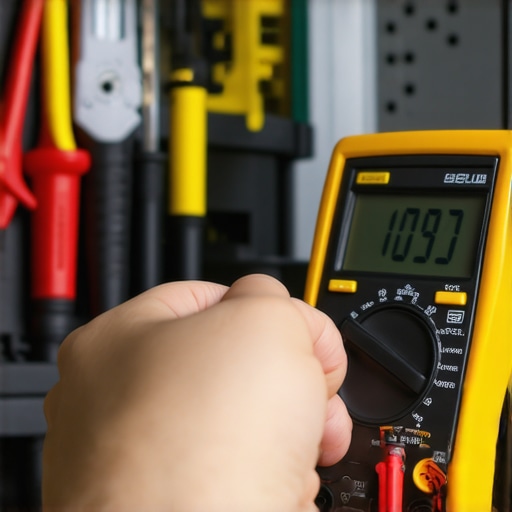
Keeping your dishwasher in top shape requires more than a quick fix when issues arise. Investing in the right tools and establishing a regular maintenance routine can extend the lifespan of your appliance and ensure optimal performance. One essential tool I personally rely on is a digital multimeter. It allows for precise voltage and resistance measurements, helping detect faulty sensors or heating elements before they cause major problems. I’ve seen many DIY enthusiasts overlook this simple instrument, only to face costly repairs later. Regularly testing your heating element using a multimeter, as described in this detailed guide, can prevent unexpected breakdowns.
Additionally, a thermal leak detector is invaluable for spotting cold spots or insulation issues that lead to inefficient drying cycles. Checking door seals with food coloring can also reveal hidden leaks that compromise energy efficiency. Consistent inspections of hoses and filters, as outlined in this troubleshooting resource, help catch minor problems early, saving you time and money.
Why gear up with proper tools?
Using specialized tools like a non-contact voltage tester ensures safety and accuracy during diagnostics. For mechanical parts, a set of precision screwdrivers and pliers makes it easier to replace worn components without damaging delicate connections. The key is to understand your equipment; for example, knowing how to interpret diagnostic error codes can expedite repairs. Modern appliances increasingly feature smart diagnostics—connecting a device to your smartphone via apps can provide real-time data, helping you decide whether to attempt repairs or call professionals. I recommend this app-based approach for monitoring noise patterns that signify bearing wear.
Looking ahead, I predict that smart diagnostics will become standard, making it easier than ever to maintain appliances remotely and predict failures before they happen. Embracing these tools now can save you from costly repairs and warranty claim hassles in the future. A proactive maintenance plan, combined with proper diagnostics, not only extends your appliance’s life but also helps you maximize warranty benefits. To explore more about how diagnostics can safeguard your warranty, check this informative article.
Try incorporating a multimeter check into your routine this month. It’s a small step that can lead to significant savings and peace of mind. Remember, proper tools and regular maintenance are your best friends when it comes to appliance longevity and reliable operation. For customized guidance or professional diagnostics, don’t hesitate to reach out to expert technicians.
The Hardest Lesson I Learned About Appliance Repairs
One of the biggest takeaways from my experience was realizing that most appliance issues, like a wobbling dishwasher rack, aren’t as complex as they seem. Often, a simple fix—like using zip ties—can temporarily resolve what feels like a major problem. This taught me the importance of exploring quick, cost-effective solutions before jumping into expensive repairs, saving both time and money.
What I Wish I Knew About Warranties Early On
I initially believed that warranty coverage would automatically solve any repair issue. However, I soon discovered that proper diagnostics and clear documentation significantly influence warranty success. Learning how to effectively communicate repair needs through detailed photos and reports can be the difference between a rejected claim and a free fix. This insight pushed me to seek professional diagnostics first, which often revealed underlying problems I’d overlooked.
The Value of Staying Curious and Learning Constantly
Every repair taught me more about my appliances and how they work. Using tools like a multimeter or a thermal leak detector empowered me to understand the root causes of issues, rather than just symptoms. Continuous learning—through reputable resources and tools—has transformed my approach from reactive to proactive, enabling me to extend the life of my appliances and handle future problems confidently.
Resources I Rely On for Smarter Repairs
My go-to tool is a sturdy multimeter, which helps me verify electrical components like heating elements or fuses easily. I also trust detailed guides such as diagnostic articles that explain how to interpret error codes and troubleshoot effectively. These resources give me confidence that I can handle minor repairs without immediate professional help, saving money and reducing frustration. Lastly, I keep an eye on appliance-specific forums and tutorials, which provide community-driven insights that often surprise me with their effectiveness. Harnessing these tools and sources ensures I’m well-prepared for most common dishwasher issues and helps me maximize warranty benefits through proper diagnostics.
Keep Your Repair Spirit Alive
Embarking on DIY fixes like zip tie supports or using diagnostic tools might feel daunting at first, but remember—every small step adds to your confidence and knowledge. Your appliance’s longevity depends on the proactive efforts you put in today. Don’t hesitate to explore, experiment, and learn, because the skills you develop now will serve you well in countless future repairs. Whether you’re troubleshooting support rods or understanding warranty language, take pride in mastering your appliances—your wallet and peace of mind will thank you!
What’s the most surprising fix you’ve tried on your dishwasher or appliance? Share your story below—I’d love to hear how small solutions transformed your repair experience.