

Ever found yourself cursing under your breath while trying to clean that stubborn, awkward gap behind your dishwasher or refrigerator? I remember the first time I struggled for what felt like ages, trying to reach those tiny door crevices that seem to hide every speck of dust and grime. I was about to give up, thinking it was just my unlucky luck—until I had my lightbulb moment.
That moment changed everything. I realized there’s a simple yet effective technique many overlook: the Damp Sponge Move. It’s not some fancy tool or expensive gadget; it’s a clever tactic that transforms those hard-to-reach spots from a chore into a quick, manageable task.
Today, I promise to share with you how this little-known trick can save you time, frustration, and even preserve your appliances’ lifespan. No more awkward contortions or risk of damaging delicate parts—just straightforward, practical advice rooted in experience.
Why Reaching Those Tiny Gaps Matters More Than You Think
Have you ever ignored cleaning behind an appliance because the gap was just too tight? Trust me, you’re not alone. But those tiny spaces are often full of dust, grease, and even mold, which can lead to bigger problems. For instance, accumulated debris can clog vents, hinder proper operation, or cause unpleasant odors.
Moreover, lurking grime can impact your appliance’s efficiency, making it work harder and consume more energy. And if you’re like me, missing out on these issues could void your warranty—something I learned the hard way by early mistake of neglecting corners, which cost me extra in repairs.
It’s just plain smarter to keep those gaps clean. Plus, with the right method—in particular, the Damp Sponge Move—you can do this effortlessly.
Skeptical? Think It’s Just a Gimmick? Here’s Why It’s Worth Trying
I get it. When I first heard about using a damp sponge for cleaning tight spaces, I was skeptical. Would it really reach those nooks without slipping or causing water damage? And what about leftover residue?
Early on, I made the mistake of using a dry cloth, which just pushed dirt further into the corner. That’s when I realized the importance of a slightly damp sponge—not soaked, just moist enough to pick up debris without dripping.
This small adjustment made all the difference. It’s a simple tip, but one that’s backed by experts. In fact, cleaning experts often recommend gentle moisture for tight spots to prevent damage and promote cleanliness. Want to avoid costly repairs and maintain your appliances effectively? The Damp Sponge Move could be your new best friend.
Ready to see how it works? Let’s dive into the step-by-step process and show you how to master this handy technique.
Prep Your Sponge for Optimal Cleaning
Start with a clean, soft sponge and dampen it slightly—no dripping, just moist enough to pick up debris effectively. Squeeze out excess water to prevent spills or water damage. Using a damp sponge rather than a dry cloth introduces just enough moisture to loosen and lift stubborn dirt in narrow gaps, much like how a gentle brush can loosen tangled hair. I once tried this method behind my dishwasher without soaking the sponge, and it barely picked up anything—only pushing dirt around. When I switched to a lightly damp sponge, I saw immediate results, saving me time and frustration.
Identify the Target Area Clearly
Before starting, locate the precise spot needing cleaning. Usually, you can see or feel the accumulation of dust or grime. If it’s behind an appliance, gently feel with your hand to locate the thickest dirt or grime build-up. Think of this step as aiming your nozzle; precision reduces mess and makes the process smoother. I remember blindly reaching behind my fridge, sparking a mess. But once I pinpointed the dirtiest corner, I was able to focus my efforts effectively, making the job less daunting.
Technique for Effective Dirt Removal
Press the damp sponge gently against the crevice or surface and use a light scrubbing motion—think of it as petting a cat carefully to avoid scratches. Keep the sponge steady and work back and forth, ensuring the moisture loosens debris without forcing dirt deeper or spilling water everywhere. For stubborn spots, hold the sponge for a few seconds to allow moisture to penetrate or loosen the grime, similar to how a damp cloth can help lift stains. I once used this method to clean behind my refrigerator vent—a tight space where dust had accumulated for months. With a few careful passes, the dirt came out clean, and I avoided using harsh chemicals or risking damage.
Use a Toothpick or Small Tool for Hard-to-Reach Corners
When debris stubbornly clings to the edges or corners, a small tool like a toothpick can dislodge it. Gently insert the pick into crevices and lift out dirt particles or lint. Be cautious not to scratch surfaces. Combining this with the damp sponge ensures that once you loosen debris, it can be easily wiped away. I learned this trick after struggling with grime in tight oven seals—using a toothpick cleared the stubborn bits, making my cleaning more effective and less invasive.
Repeat as Necessary Without Overdoing It
For heavily soiled areas, repeat the damp sponge move in short, controlled bursts—like brushing a pet or cleaning delicate jewelry—until the dirt is gone. Avoid over-saturating the sponge, which can cause dripping or water damage. Instead, periodically squeeze out excess moisture. Overdoing it can lead to water seeping into electrical components, potentially voiding your appliance warranty, so always stay cautious. Proper technique ensures thorough cleaning without risking harm or lengthy downtime. Remember, this simple method often outperforms more aggressive or complex approaches, keeping your appliances in top shape.
Many homeowners believe that simply calling a technician at the first sign of trouble is enough, but this can lead to costly mistakes and overlooked nuances. One widespread misconception is that appliance warranties always cover all repairs, yet many smart consumers know that improper diagnostics can void these protections. A frequent trap is assuming that DIY fixes or superficial inspections are sufficient; in reality, advanced issues require accurate diagnostic procedures that distinguish between minor glitches and critical component failures. Overlooking this nuance can result in unnecessary expenses or permanent damage, especially if you try to piece together a solution without expert help. For instance, misdiagnosing a control board issue as a simple fuse blow can lead to replacing costly parts unnecessarily, which is a mistake I’ve seen many make. Experts advise that understanding the specific diagnostic steps—like those outlined on how appliance diagnostics can improve warranty claims—is crucial for preserving your appliance’s lifespan and warranty benefits. Additionally, many believe that warranties are foolproof, but in practice, warranties often exclude issues caused by user error or neglecting scheduled maintenance. That’s why proper diagnostics isn’t just about fixing the problem—it’s about protecting your investment and ensuring that warranty terms remain valid. In fact, a common myth is that all repairs are covered under warranty; however, as explained in trusting your warranty for dishwasher repairs, understanding the fine print can save you from unpleasant surprises. Always remember: effective diagnosis hinges on thorough knowledge of appliance behavior and potential pitfalls. Have you ever fallen into this trap? Let me know in the comments.
Equip Yourself for Long-Term Success
Maintaining your dishwasher’s performance over time requires the right tools, not just impulse repairs. For a proactive approach, I rely on a premium digital multimeter, like the Fluke 117, which offers precise readings of electrical components such as heating elements and door switches. Its true RMS capability ensures accuracy even with complex loads, making troubleshooting quicker and more reliable. Additionally, a flexible inspection camera, such as the Depstech WiFi Endoscope, allows me to peer into tight, inaccessible spaces like pump housings or water inlet valves—saving time and avoiding unnecessary disassembly.
Beyond hardware, I swear by a comprehensive diagnostic app on my smartphone, like the Whirlpool Tech Sheet scanner, which can interpret error codes instantly. These digital tools empower me to identify issues early, reducing repair costs and extending appliance life. As technology advances, most manufacturers are integrating smart diagnostic features, paving the way for more seamless maintenance routines. Developers anticipate AI-powered diagnostics that can predict failures before they happen, similar to predictive maintenance in industrial settings.
How do I keep my repairs effective over years?
Consistent maintenance is key. For example, regularly inspecting water inlet filters with a small brush prevents clogs that can damage the inlet valve, which you can verify using a multimeter to check for continuity. Also, documenting your repairs—using detailed photos and notes—helps in warranty claims or future diagnostics. Visiting this guide on diagnostics and warranty further informs your process.
Finally, trustworthy tools alone aren’t enough. Developing a routine for scheduled inspections, like checking for corrosion or loose connections, can forestall major failures. Remember, a well-maintained dishwasher not only lasts longer but operates more energy-efficiently, preserving your warranty and reducing costs. For comprehensive repair strategies, my go-to is consulting professional diagnostics, especially for complex issues that surpass basic troubleshooting. For example, diagnosing control board failures often requires specific testing protocols outlined by experts in appliance diagnostics.
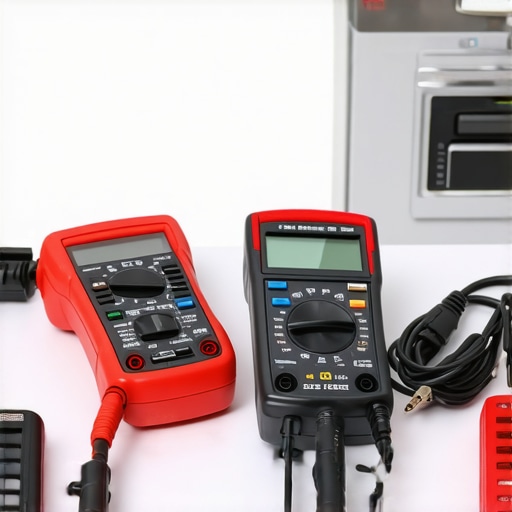
The Hardest Lesson I Learned About diagnostics,dishwasher,warranty,appliance repair
One of the most eye-opening lessons I encountered was realizing that rushing into repairs without thorough diagnostics often led to unnecessary expenses. I once replaced a control board thinking it was the culprit behind my dishwasher’s failure, only to find out later that a simple sensor was the real issue. Patience and proper diagnosis are your best tools for long-term savings.
3 Myths About diagnostics,dishwasher,warranty,appliance repair That Held Me Back
Firstly, I believed all appliance issues required professional repair immediately, which isn’t true if you understand the basics. Secondly, I thought warranties covered all repairs, but many exclusions catch homeowners off guard. Lastly, I assumed that DIY fixes would void my warranty, which is only true if you use improper parts or methods. Knowing these facts can empower you to make smarter repair choices.
What Experts Won’t Tell You About diagnostics,dishwasher,warranty,appliance repair
Many professionals keep silent about the importance of early diagnostics to prevent costly breakdowns. They often emphasize repairs, but neglect educating homeowners on preventative maintenance—like regularly inspecting water inlet filters—that can extend your appliance’s lifespan. Learning these insider tips can help you avoid emergencies and keep your dishwasher running smoothly.