

It happened unexpectedly. I was all set to enjoy my weekend, dishwasher humming along perfectly, when suddenly, the cycle stopped. Turns out, I had moved the dishwasher without realizing how this simple action could wipe out my warranty coverage. That lightbulb moment made me dig into the real reasons why your warranty might be void if you relocate your appliance. And let me tell you, it’s more common than you think, often catching homeowners off guard.
Understanding the Hidden Risks of Moving Your Dishwasher
Many people assume that as long as the appliance seems to work, moving it shouldn’t affect the warranty. But manufacturers often include clauses that can nullify your coverage if the unit is tampered with or relocated improperly. This isn’t just a scare tactic—it’s a serious caveat designed to prevent unauthorized repairs or installations that could cause damage.
When I first learned about this, I made a costly mistake by attempting to move my dishwasher myself. I didn’t think it would be a big deal—just disconnect, lift, and place it into the new spot. That was until I noticed my warranty was suddenly voided. A quick online search revealed I wasn’t alone; many homeowners face similar surprises, especially when they move their appliances without following proper procedures.
Knowing why this happens is crucial. Moving an appliance can disrupt its calibration, damage internal components, or compromise water and electrical connections—not to mention voiding any existing warranty. So, how can you avoid this pitfall?
Before diving into the solutions, ask yourself: Have you recently moved your dishwasher or plan to do so soon? If yes, stay tuned, because there’s vital information coming up that can save you headaches and money.
Disconnect Carefully to Protect Internal Components
Start by unplugging your dishwasher from the power source to eliminate electrical risks. Use a multimeter to verify power is off, following instructions from this guide. Then, turn off the water supply valve to prevent leaks. Drain residual water by running a short cycle or removing the drain hose. Think of this like turning off all the switches before servicing your electronic device—prevents damage and voids.
Properly Remove and Secure the Appliance
When ready to move, loosen mounting brackets or screws holding the dishwasher in place. Use the appropriate tools from your toolkit. To avoid internal damage, support the weight evenly—think of it like carrying a delicate piece of art. Wrap it with blankets or padding to safeguard surfaces during transit.
Document the Process for Warranty Claims
Record videos and take photos during disconnection and relocation. Include close-ups of serial numbers and connection points. This visual documentation can be crucial if a warranty dispute arises, as explained in this resource. Think of these as your digital proof in case warranty coverage is challenged later.
Reinstall Following Manufacturer Guidelines
When installing your dishwasher in the new location, ensure all connections—water supply, drainage, and electrical—match manufacturer specifications. Use a level to verify proper alignment; a misaligned door can cause leaks or mechanical failures. Cross-referencing your procedure with this detailed walkthrough reduces risks of voiding warranty due to improper setup.
Run Diagnostic Tests Immediately After Installation
Once set up, run a diagnostic cycle. Observe if any error codes appear; record and interpret them. Use a smartphone to listen for unusual noises, which can indicate mountings or internal connections are affected—think of this as listening for a heartbeat to confirm health. For advanced diagnostics, consult this guide to ensure your appliance is functioning correctly, aligning with warranty requirements.
Consult Professionals for Complex Issues
If you encounter persistent issues or uncertainties, hire qualified technicians. Doing so preserves your warranty, especially if the manufacturer’s policy states repairs must be performed by authorized personnel. For a quick assessment of signs needing expert diagnostics, visit this informative article. Remember, attempting DIY repairs beyond your skill level can inadvertently void warranty coverage.
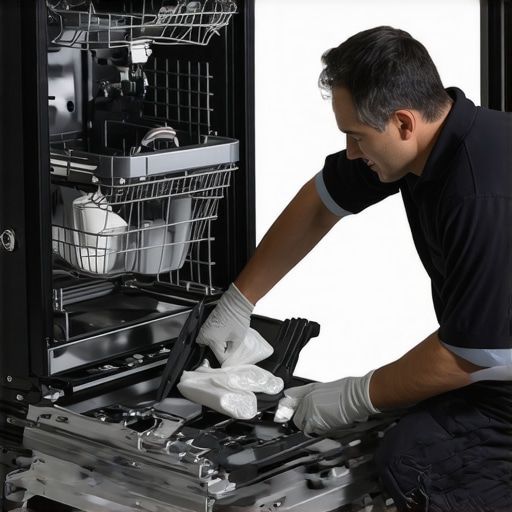 Many homeowners operate under assumptions about appliance repair, warranties, and diagnostics that can hinder their ability to save money and resolve issues effectively. Let’s dig deeper into the subtleties most overlook, challenge some popular beliefs, and highlight traps that can unexpectedly void your coverage. One widespread misconception is that DIY repairs are always cost-effective and don’t risk warranty invalidation. While minor fixes can sometimes be done safely, overconfidence in basic tools or neglecting manufacturer guidelines can lead to warranty waivers. For instance, attempting to replace internal components without proper procedures or certifications often breaches warranty agreements, despite the repair seeming straightforward. Experts like those at appliance diagnostics emphasize that understanding the nuances of warranty clauses is critical; many misses are due to ignorance of fine print, such as clauses on moving appliances or modifying internal parts. A common myth is that all diagnostics are equal—yet, superficial troubleshooting can overlook underlying issues like faulty sensors or wear in mechanical parts, leading to incomplete repairs and recurring problems. Advanced mistakes include neglecting to record diagnostic error codes or failing to verify repairs with proper testing, which can be decisive during warranty disputes. To truly grasp these complexities, consider that manufacturers often specify diagnostic procedures aligned with warranty protections, as discussed in comprehensive guides like this article. Remember, rushing into repairs or ignoring manufacturer instructions not only risks further damage but also jeopardizes your warranty coverage. For example, improper disconnection or re-installation may cause internal misalignments, sensor malfunctions, or water leaks—all of which are common reasons warranties are voided. Don’t fall into the trap of assuming generic repair knowledge suffices; instead, leverage expert diagnostics and adhere strictly to official guidelines. Have you ever fallen into this trap? Let me know in the comments and share your experiences with warranty pitfalls or advanced repair mistakes.
Build Your Repair Arsenal with Purpose
Maintaining your dishwasher’s performance over the long haul requires more than just basic knowledge; it demands specific, reliable tools that can tackle both routine checks and tricky diagnostics. For instance, nothing beats a high-quality digital multimeter to accurately test the heating element, wiring, and control boards. I personally prefer a multimeter with auto-ranging capabilities, which simplifies the process and reduces the chance of errors, especially when diagnosing complex issues like faulty sensors or short circuits. A sturdy, magnetic flashlight is indispensable for inspecting hard-to-see areas like the drain pump or behind panels, ensuring thorough assessments without straining your neck or missing subtle cracks or corrosion. When it comes to removing and installing parts, having a precision screwdriver set with various heads is crucial to avoid stripping screws or damaging delicate components. These tools collectively empower you to perform diagnostics confidently and execute repairs that directly contribute to long-term appliance health and warranty preservation.
How do I maintain dishwasher diagnostics over time?
Consistent maintenance involves regularly running self-test cycles, listening for abnormal noises, and inspecting components for wear or damage. Software tools like diagnostic apps linked to your smartphone can help interpret error codes quickly, saving time during troubleshooting. Incorporating routine checks with these tools ensures early detection of issues—preventing costly repairs and warranty voids. As diagnostic technology advances, expect more role-specific gadgets that automate part testing and offer real-time feedback, making upkeep even more seamless and reliable. For example, some modern systems can connect to Wi-Fi, alerting you immediately if a sensor goes bad or a component shows signs of failure.
Looking Ahead: The Future of Appliance Diagnostics
Predictions point toward AI-integrated diagnostic systems that can analyze patterns and predict failures before they happen. This proactive approach will revolutionize how homeowners and technicians manage appliance health, emphasizing preventative maintenance rather than reactive fixes. To stay ahead, start mastering current tools like multimeters and diagnostic apps—these are the foundation for evolving technologies. Want to get an immediate edge? Try conducting an advanced sound check with your phone’s mic to catch subtle motor bearings noises before failures occur. Taking this step today can make all the difference in keeping your dishwasher running smoothly for years to come.
3 Lessons That Changed My Approach to Appliance Relocation
First, I realized that moving a dishwasher isn’t just about lugging it to a new spot; it’s a delicate process that could cost me my warranty if not done correctly. I learned the hard way that documentation, proper disconnection, and following exact manufacturer steps are crucial—oversights can turn a routine move into a warranty disaster.
Second, I discovered that DIY repairs or adjustments without understanding warranty clauses can invalidate coverage. Rushing to fix something might seem cost-effective, but it risks more than just damage—it risks losing your protection altogether. Experts advise always consulting professional diagnostics before deep-in repairs.
Finally, I understood that using the right tools and respecting guidelines saves not just money, but peace of mind. Investment in a quality multimeter, flashlight, and screwdriver set proved invaluable. Trust me, when you prioritize safe, documented, and guideline-oriented procedures, your warranty remains intact, and diagnostics become more reliable.
My Must-Have Arsenal for Safe Dishwasher Relocation and Maintenance
- Digital Multimeter: Essential for testing wiring and heating elements accurately, ensuring internal components stay safe during moves or repairs. I trust the ones with auto-ranging features as they simplify complex checks.
- High-Quality Flashlight: Illuminates those hidden spots behind panels or under the appliance, helping spot corrosion or loose connections. A sturdy, magnetic flashlight makes inspections efficient and thorough.
- Precision Screwdriver Set: Different screw heads prevent damage to delicate parts while removing or securing panels. It’s the backbone of safe disassembly, essential for both repairs and proper reinstallation.
- Smartphone with Diagnostic Apps: Tools like error code readers or sound analysis apps aid in quickly assessing appliance health, catching issues before they escalate, and safeguarding your warranty rights.
Your Next Step — Keep Your Dishwasher Running and Your Warranty Protected
Taking proactive steps—like proper disconnection, careful documentation, and proper diagnostics—empowers you to extend your dishwasher’s life and coverage. The future of appliance diagnostics is heading toward smarter, AI-driven systems, but mastering current tools now gives you a competitive edge. Don’t delay; your peace of mind hinges on the actions you take today—start with the basics, stay informed, and enjoy the confidence that comes with knowing you’re doing it right. Ready to take charge of your dishwasher’s health? Share your stories or ask questions below—let’s learn together and keep your appliances running smoothly for years to come.