

Ever had that sinking feeling when your dishwasher starts acting up just as you’re about to host dinner? I remember the exact moment I faced my own kitchen horror—standing there, drenched in suds, watching my dishwasher grind to a halt, unable to drain. It hit me then that I was knee-deep in appliance frustration, and I had no idea how to fix it without calling a pro or risking a full replacement.
Discovering the Toothpick Fix for Obstructed Impeller Housings
What if I told you that a simple toothpick could save you from a costly repair? During my early days troubleshooting dishwasher issues, I kept hearing about a tiny, overlooked cause of drainage failures—the impeller housing getting clogged or jammed. After some research and a bit of trial and error, I realized that a toothpick could be your secret weapon to clear those stubborn blockages without tearing apart your appliance.
Is the Toothpick Method Actually Worth the Hype?
I’ll admit, I was skeptical at first. I had made the mistake early on of rushing to replace parts without inspecting the simplest causes—like clogs or debris. That mistake cost me time and money. Learning to gently clear obstructions, rather than jumping straight into expensive repairs, transformed how I approached appliance troubleshooting. Now, I want to share that knowledge with you, so you don’t make the same costly errors. Feel free to check your warranty options and diagnostics strategies [here](https://applianceoutletpro.com/how-appliance-diagnostics-can-save-your-warranty-benefits).
So, if your dishwasher isn’t draining properly or making strange noises, don’t rush to call a technician. There’s a good chance the problem is simpler—and fixable—than you thought. Let’s get into how a humble toothpick can help you resolve this pesky issue, saving your time, money, and peace of mind. Are you ready to troubleshoot like a pro? Keep reading, because I’ll walk you through every step.
The next part will cover the detailed process of inspecting and cleaning the impeller housing efficiently, ensuring your dishwasher runs smoothly again.
Start with Safety and Preparation
Before diving into your dishwasher, unplug the appliance to prevent any electrical mishaps. Gather your tools: a sturdy flashlight, a screwdriver, and a pack of wooden toothpicks. Remember, patience is key—rushing can cause more damage than good. I once overlooked this step and accidentally punctured a hose; it was a quick fix but a costly lesson.
Accessing the Impeller Housing
Locate the bottom panel of your dishwasher, usually secured with screws. Use your screwdriver to remove these fasteners and gently set aside the panel. With the flashlight, shine into the interior to identify the impeller assembly—look for a circular component with blades that push water through the drain system. Carefully inspect for any visible obstructions or debris blocking the blades or surrounding area. I remember struggling at first, but taking my time kept me from damaging delicate parts.
Inspect and Remove Obstructions
Check for debris like broken glass, lint, or accumulated gunk lodged around the impeller. If you see debris, try to remove it gently with tweezers or your fingers. Sometimes, small objects get lodged deep, making them hard to reach. Using the flashlight will help reveal these hidden blockages. During my first attempt, I used a plastic toothpick to loosen a stubborn piece of debris near the blades, preventing the need for costly replacements.
Cleaning the Clogged Areas with a Toothpick
This is where the toothpick shines. Gently insert the toothpick into narrow gaps and around the blades to dislodge any stubborn clog. Be cautious not to scratch or damage the impeller surface—apply gentle, consistent pressure. I found that twisting the toothpick slightly helped dislodge unseen debris without risking damage. After clearing visible and hidden blockages, rotate the impeller by hand to ensure smooth movement. This manual check confirms the system is free of jams.
Reassemble and Test
Once satisfied with your cleaning, carefully replace the bottom panel and fasten all screws securely. Plug the dishwasher back in and run a short cycle without dishes—listen for abnormal noises and verify proper drainage. If you hear gliding blades and see water draining effectively, you’ve successfully cleared the blockage. Remember, if drainage issues persist, consult a professional or explore diagnostics options to avoid permanent damage. Learning to address minor obstructions like this keeps your appliances running smoothly and extends their lifespan.
Many people believe that appliance repairs are straightforward puzzles: identify the obvious problem, replace the faulty part, and that’s it. However, in my experience as an appliance expert, this oversimplification can lead to costly mistakes and misunderstood warranty claims. One common myth is the idea that diagnosing a dishwasher issue is always as simple as resetting a control panel or replacing a component. In reality, appliances often have intricate systems where multiple subsystems interact, and a problem in one area may seem unrelated but is actually the root cause. Overlooking these nuances frequently results in unnecessary part replacements, which could have been avoided with a deeper diagnostic approach.
Why Do So Many Repair Attempts Fail to Address the Real Issue, and How Can You Prevent This?
A significant trap homeowners fall into is assuming that symptoms directly point to the problem source. For instance, a dishwasher leaving dishes cloudy might seem like a water softener issue, but it could stem from clogged spray arms or faulty sensors. Expert guidance suggests that thorough diagnostics—including checking sensor readings and system codes—are pivotal in pinpointing the true cause. Rushing into repairs without this step not only wastes money but can also void warranty coverage if improper repairs are made. According to industry standards, accurate diagnostics are essential in avoiding these pitfalls and ensuring repairs are effective and compliant with warranty protocols. Beyond diagnostics, many consumers underestimate the importance of proper documentation when filing warranty claims. Attempts to claim coverage often fail because the homeowner lacks detailed records such as repair logs, photos, or serial numbers—details that can be critical in demonstrating the malfunction was a manufacturing defect rather than user error. For example, knowing how to properly locate and interpret your appliance’s serial number can expedite warranty processing and prevent unnecessary disputes. I recommend reviewing how to find your serial number without pulling the unit and keeping detailed records of repairs and troubleshooting steps. Missing these steps can turn simple repairs into ongoing frustrations, especially if the warranty becomes a question of proving the defect’s origin. Additionally, many individuals fall for the misconception that all warranties cover every repair or replacement needed. It’s essential to scrutinize the warranty terms, as some plan coverages are limited, exclude certain parts, or require authorized service providers for repairs to be valid. Being aware of this can save you from rejecting unnecessary repairs and disputing coverage later. To enhance your understanding and improve your repair outcomes, exploring reputable diagnostics strategies can be invaluable. For example, leveraging expert diagnostics can reveal underlying issues that generic troubleshooting might miss—such as hidden water leaks, sensor malfunctions, or control board failures—saving you time and money in the long run. You can learn more about the importance of diagnostics in warranty claims by visiting [here](https://applianceoutletpro.com/how-appliance-diagnostics-can-save-your-warranty-benefits). Remember, the goal is not just fixing what’s broken but doing so in a way that preserves your warranty rights and avoids common pitfalls. Have you ever fallen into this trap? Let me know in the comments.
Keeping Your Dishwasher in Top Shape: Essential Tools and Maintenance Habits
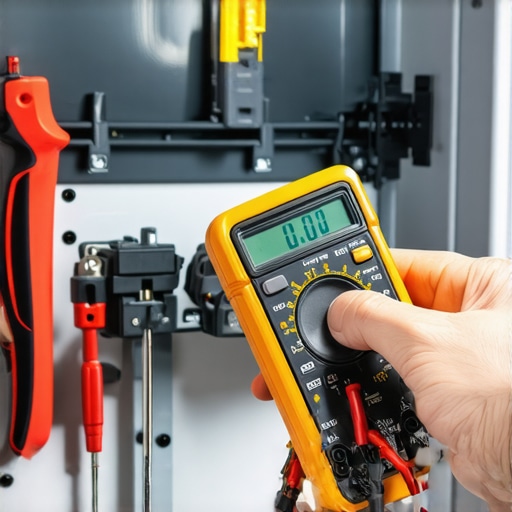
Maintaining your dishwasher’s performance requires not only an understanding of its components but also the right set of tools to troubleshoot and service it effectively. Over years of hands-on experience, I’ve found that having a dedicated, well-stocked toolkit is invaluable for quick repairs, diagnostics, or routine cleaning to extend your appliance’s lifespan. Investing in quality tools like a digital multimeter, small inspection mirrors, and specialized screwdrivers can save you time and prevent costly professional calls.
The best tools for a home appliance toolkit include a multimeter for electrical diagnostics, tweezers or magnetized screwdrivers for retrieving tiny debris, and a flexible inspection camera to check hard-to-reach areas such as the drain or spray arms. Using these tools, I personally check components like door switches, filters, and the heater element regularly to catch issues early. Combining proper diagnostics with scheduled cleaning helps maintain optimal performance.
Routine Care: Beyond Just Cleaning
Beyond cleaning filters and spray arms, preventive maintenance involves checking electrical connections and seals periodically. For instance, inspecting the door gasket with a simple magnet test for door sensors ensures you catch sensor issues before they cause cycle failures. Also, testing the heating element with a multimeter can reveal impending failures that might lead to inadequate drying or cycle errors. These proactive checks can prevent downstream damage or the need for major repairs.
Looking ahead, I predict that as smart appliances become more prevalent, diagnostic tools will integrate Bluetooth or Wi-Fi capabilities, enabling remote troubleshooting and predictive maintenance alerts. Embracing these innovations now can prepare you for a more connected, maintenance-savvy home ecosystem.
How do I maintain my dishwasher over time for optimal performance?
Implementing a regular maintenance schedule is the most effective way to keep your dishwasher running efficiently. This includes cleaning filters weekly, inspecting spray arms for clogs (with a toothpick trick to dislodge debris), and testing electrical components using a multimeter. Also, consider maintaining the water inlet valve and drain hoses to avoid leaks or backups. Documenting these checks helps in warranty claims and ensures that you have a clear history of proper care, which can be particularly helpful if repairs are needed.
For advanced diagnostics, I recommend learning how to interpret system error codes and using a multimeter to test continuity in key components like the thermal fuse or door latch switches. These practices can drastically reduce repair time and costs, and many of these tips are detailed in our comprehensive guide to diagnosing dishwasher issues. Try implementing regular multimeter tests on your dishwasher’s electrical parts; it’s an affordable, empowering step toward DIY maintenance success.
Remember, a well-maintained dishwasher not only works efficiently but also extends its resale value and warranty coverage. Consistent inspections, using precise diagnostic tools, and staying informed about system health are your best strategies to keep your appliance humming for years. For more tips on preserving your warranty rights during repairs, visit our diagnostics and warranty guide.
3 Surprising Truths I Discovered About Dishwasher Repairs
- Sometimes, your most effective repair tool isn’t a part—it’s patience and a simple toothpick. Overlooking small clogs often leads to costly replacements, but the right approach can keep your appliance running smoothly for years.
- Diagnosing issues without proper inspection can turn minor fixes into warranty disputes. Learning to interpret error codes and take detailed photos not only saves money but protects your rights as a consumer.
- Routine maintenance and proper diagnostics build confidence. Empowering yourself with a basic toolkit and knowledge can prevent many problems before they happen, making appliance care less of a chore and more of a safeguard.
Tools and Tips That Changed My Approach to Appliance Repairs
- Multimeter: Essential for electrical diagnostics, helping you identify faulty sensors or control boards with confidence.
- A reliable toolkit: Investing in quality screwdrivers, tweezers, and inspection cameras streamlines troubleshooting.
- Repair guides and blogs: Resources like expert tutorials offer real-world advice that saves time and money.
- Diagnostic strategies: Learning to interpret system codes and perform visual inspections enhances your DIY skills and warranty protection.
Take Action Today: Your Dishwasher Deserves Better
Remember, the most effective repairs come from knowledge and preparation. By mastering simple diagnostics and routine maintenance, you empower yourself to keep your dishwasher running optimally and safeguard your warranty rights. Every small step you take now can prevent costly repairs and extend your appliance’s lifespan. So, why not start today? Your future self—and your kitchen—will thank you.
Have you ever tried fixing a dishwasher using a toothpick or diagnostic checklist? Share your experiences or ask questions below—I’d love to hear your story!