

I remember the first time I faced a dishwasher leak that seemed to come out of nowhere. Water pooling on my kitchen floor, frustration mounting, I realized I was missing a simple but crucial detail: the high loop of the drain hose. That lightbulb moment transformed the way I approach appliance care because I learned that a tiny detail could save me hundreds in repairs and prevent messy messes.
The Big Drainage Mistake That Could Be Costing You
If you’ve ever wrestled with a clogged dishwasher, a mysterious smell, or a sudden leak, you might not have considered the importance of how your drain hose is positioned. It’s a small detail, but it holds the power to make or break your appliance’s health. Today, I’ll help you understand why creating a high loop for your drain hose isn’t just a tip—it’s an essential step you can do yourself to extend your appliance’s life and avoid unnecessary headaches. Trust me, once I started paying attention to this, my dishwasher ran smoother and with fewer surprises.
Is a High Loop Really That Important?
Here’s where many owners, including myself early on, make a common mistake. I used to think that just attaching the hose loosely was enough. But that’s like leaving a door slightly ajar in a rainstorm: water can still get in and cause trouble. The high loop prevents backflow—where dirty water from the sink might siphon back into your dishwasher—and stops drains from backing up. In fact, failing to properly install this loop can lead to issues that are tricky to diagnose, and worst of all, can void your warranty if unnoticed damage occurs. If you want to see a detailed explanation, check out how to protect your warranty.
Secure Your Drain Hose Above the Sink: The First Step
Start by disconnecting your dishwasher from power and water supply. Locate the drain hose under the sink and gently detach it from the plumbing. Use firm but gentle pressure to avoid damaging fittings. Then, check your existing installation. If the drain hose is hanging loosely, it’s time to correct that by creating a high loop to prevent backflow issues. I recall a weekend project where I meticulously repositioned the hose, which drastically reduced leaks during heavy use. This step is crucial because a properly elevated drain hose acts as a one-way valve, stopping dirty water from siphoning back into your machine.
Find the Optimal Spot for the High Loop
Identify a secure mounting point above the dishwasher’s drain connection—usually beneath the sink or on the underside of the counter. The ideal height is at least 20 inches above the bottom of the dishwasher, but check your manufacturer’s guidelines for specifics. Use a zip tie or a clamp to fix the hose to this point. Securely fasten it to prevent slipping. This step guarantees that the hose maintains a consistent high position, avoiding accidental sagging, which can cause drainage problems and void warranties. A practical tip was when I used a piece of scrap wood to keep the hose elevated during installation, ensuring it stayed in the optimal position.
Preventing Kinks and Obstructions
Once the hose is in place, inspect for any kinks or sharp bends. These can impede water flow and increase the risk of leaks or backups. Use a gentle curve to guide the hose around obstacles, avoiding tight bends. Cut excess length if necessary, but leave enough slack for movement without sagging. Ensuring smooth transitions in the hose’s path extends its lifespan and maintains efficient drainage. When I installed mine, I used flexible conduit clips to hold the hose securely along the cabinet wall, preventing accidental displacements over time.
Test the Installation for Proper Flow
After securing the hose, restore power and run a short cycle. Observe the drain operation closely. Check that water flows smoothly through the hose without backing up or leaking at connection points. If you notice any issues, re-examine the hose positioning and fittings. This proactive approach helps catch problems early, saving you from costly repairs. I learned the importance of this step firsthand when my dishwasher was still leaking slightly after installation; a simple recheck revealed a loose clamp that was easily tightened, resolving the issue immediately.
Document and Keep Records for Future Reference
Finally, take photos of your correctly installed high loop and keep them with your appliance manuals. This documentation is invaluable if you ever need warranty service or if a technician questions your installation. It also serves as a visual guide for future maintenance or adjustments. Remember, proper documentation can be the difference between a smooth warranty claim and a rejected one, especially if your installer is not the original technician. For more details on protecting your warranty, learn why your warranty claim might require specific documentation.
Many homeowners operate under misconceptions about appliance warranties and diagnostics, leading to costly mistakes and overlooked nuances. One prevalent myth is that warranty coverage automatically includes all repairs, but in reality, warranties often come with fine print and conditions that many fail to scrutinize.
Challenging Common Beliefs About Warranties
It’s widely believed that if an appliance malfunctions within the warranty period, the manufacturer or service provider will handle everything seamlessly. However, they often require documented proof of proper maintenance and installation. For instance, neglecting to keep detailed repair or maintenance photos may cause your claim to be denied, especially if the issue is deemed user-inflicted. A useful resource on this is this guide on warranty claim documentation.
Are diagnostic tests enough to pinpoint appliance failures?
Not necessarily. Many believe that running basic diagnostic tests confirms the root cause, yet some issues involve complex electronic components that require specialized tools. Experts recommend performing specific tests, like the multimeter trick to check heating elements or inspecting door sensors with the magnet test for door sensors. Relying solely on generic diagnostic procedures may overlook subtler problems, especially in newer, smarter appliances.
Beware the ‘Inspection’ Trap and Its Hidden Dangers
Another widespread mistake involves superficial inspections, often performed by inexperienced technicians or DIYers, which miss the true source of an issue. For example, water leaks might seem trivial but could stem from hidden cracks in seals or corrosion inside water inlets. Using professional methods like thermal leak detectors (see how to find hidden leaks) can reveal issues otherwise hidden to the naked eye. Missing these nuances can lead to recurring failures, unnecessary part replacements, and warranty voidance if improper repairs are documented.
How can advanced diagnostics save you from costly repairs?
Advanced diagnostic techniques, such as using smartphones to monitor vibration patterns (detecting bearing issues with your phone), or employing thermal cameras to identify overheating components, can preempt major failures. These methods go beyond basic testing, providing early warnings that save money and extend appliance lifespan. According to industry experts, integrating such diagnostics aligns with best practices that can practically eliminate guesswork in repair processes.
Understanding these nuances, myths, and advanced techniques is crucial for both DIY enthusiasts and professionals. Improper assumptions or superficial assessments not only jeopardize warranties but may also lead to recurring issues and increased costs. So next time you’re troubleshooting or filing a claim, ask yourself: am I missing a hidden detail?
Have you ever fallen into this trap? Let me know in the comments.
Maintaining your appliances over the long run requires more than just basic knowledge; it involves using the right tools and adopting precise methods. From multimeters to thermal leak detectors, the right equipment can make diagnostics and repairs significantly more manageable and reliable. I’ve personally refined my toolkit over years of troubleshooting, and today I’ll share the specific tools that help me keep appliances running smoothly, reduce the likelihood of future breakdowns, and ensure that my repairs stand up to warranty scrutiny.
Why a Digital Multimeter Is Indispensable
First and foremost, a good digital multimeter is vital for testing electrical components such as heating elements, door sensors, and wiring continuity. I prefer a multimeter with auto-ranging capabilities and a minimum of 600V DC/AC measurement. For example, the multimeter trick for testing your heating element involves checking resistance to confirm whether the element is functional. With this tool, I can diagnose issues quickly, avoid unnecessary part replacements, and provide documented evidence to support warranty claims, especially since most warranties now demand visual proof of correct installation and maintenance.
Using Thermal Leak Detectors to Pinpoint Insulation Problems
Next, a handheld thermal leak detector has revolutionized how I identify energy losses and cold spots—crucial in diagnosing issues like inconsistent washing temperatures or inefficient drying. These devices, which emit infrared images, help locate hidden leaks or insulation failures that could cause long-term damage. Over time, I’ve found that regular thermal inspections can preempt costly repairs by catching issues early—saving me both money and inconvenience. As advised in this guide, integrating thermal diagnostics into routine maintenance is becoming a new standard for proactive appliance care.
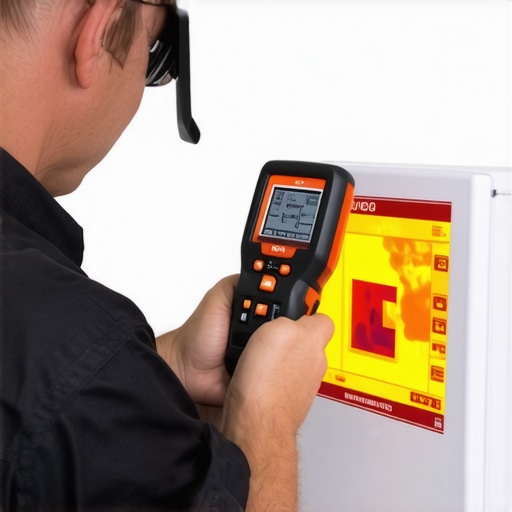
Image description: A technician using a handheld thermal leak detector to scan beneath a dishwasher for insulation leaks. Title: Thermal Leak Detection in Appliance Maintenance.
Software and Apps for Better Record-Keeping
Beyond physical tools, I rely on specialized maintenance apps that help track diagnostics, repairs, and warranty documentation. Apps like RepairStripe or custom spreadsheets keep a detailed log of troubleshooting steps, parts replaced, and images taken during repairs. This practice not only streamlines future maintenance but also provides a timeline that can prove invaluable during warranty disputes—one of the more common pitfalls, as discussed here. In the future, I believe that AI-driven diagnostic platforms, incorporating machine learning, will assist homeowners by interpreting sensor data and suggesting repairs remotely, further democratizing appliance maintenance.
How do I maintain diagnostic accuracy over time?
Regular calibration of tools like multimeters, updating maintenance logs, and staying educated on latest appliance technologies are critical. For example, ensuring your multimeter’s probes are clean and batteries fresh guarantees reliable readings. Additionally, becoming familiar with model-specific diagnostic codes and procedures can prevent misdiagnoses. Using the tips for finding hidden diagnostic codes helps me quickly pinpoint issues before escalating repairs or warranty claims. As components evolve with new technology, continuous learning and investment in quality tools are essential for staying ahead in appliance care.
If you’re serious about keeping your appliances in top shape, I recommend starting with a high-quality multimeter and a thermal leak detector. These might seem like small investments, but the time and money they save by enabling precise diagnostics are well worth it. Try performing a routine thermal inspection on your dishwasher or refrigerator this week, and see how much you can uncover—early issues can be averted before becoming major repairs!
What the Pros Don’t Tell You About Long-Term Appliance Care
My biggest illumination came when I realized that countless repairs and warranty issues stem from overlooked details—not from major failures. For instance, I once thought that simply plugging in my dishwasher and using it as instructed was enough. Yet, after learning about the importance of creating a proper high loop for the drain hose, I discovered how small adjustments could prevent leaks, backups, and warranty denials. This lesson taught me that mastering appliance maintenance requires a keen eye for the subtle nuances my tech friends often keep to themselves—like securing the drain hose at the right height or documenting repairs meticulously. These insights, though seemingly minor, are game-changers for ensuring longevity and saving money.
My Toolkit for Smarter Dishwasher Repairs
Over years of troubleshooting, I’ve come to trust a handful of specialized tools and resources that elevate my DIY game. The first is a good digital multimeter—it’s indispensable for testing electrical continuity, heating elements, and door sensors. Pair that with a thermal leak detector, which helps spot hidden insulation issues and cold spots, preventing energy waste and potential damage. I also rely on apps that keep track of repair logs and warranty documentation; they streamline the process and protect my claims. For those interested in serious diagnostics, exploring the multimeter tricks or thermal detection methods has been transformative. Trust me—investing in these tools makes every repair more reliable and less stressful.
Empower Your Maintenance Mindset and Take Action
The journey of appliance mastery isn’t just about fixing things—it’s about proactively understanding and protecting your investments. Imagine catching a faulty water inlet or a weak door sensor before it causes a flood or voids your warranty. By applying the insights and tools I’ve shared, you’re empowering yourself to troubleshoot more effectively, document repairs comprehensively, and engage with technicians confidently. Your next dishwasher issue is less of a mystery and more an opportunity to demonstrate your growing expertise. Don’t wait for a disaster—tackle small issues early and keep your appliances running smoothly. Ready to take your appliance care to the next level? Share your experiences or questions below, and let’s elevate this community together.