

Have you ever been face-to-face with a stubborn dishwasher that refuses to drain or fill properly? I remember a time when my trusty dishwasher started acting up just before a big family dinner. Instead of calling a pricey technician, I felt that familiar twinge of frustration—can I fix this myself? That lightbulb moment led me down a path of DIY troubleshooting, and one of the most empowering techniques I found was testing the inlet valve using a simple 9V battery.
Why Testing Your Inlet Valve Matters More Than You Think
The inlet valve controls the water flow into your appliance. When it malfunctions, the symptoms can mimic other problems—leaking, poor cleaning, or constant error codes. Often, a faulty inlet valve is the culprit behind your dishwasher acting up, and catching the issue early can save you hundreds in repair costs.
And here’s a fun fact: according to industry experts, about 70% of dishwasher repairs are caused by issues with water supply components like the inlet valve. Yet, many homeowners skip simple troubleshooting steps, assuming they need a full replacement before even trying basic tests. I admit, my first mistake was just replacing parts blindly instead of doing a quick test to confirm the problem.
What We Will Cover Today
In this post, I’ll walk you through a straightforward method I use—testing your inlet valve with a 9V battery. No fancy gadgets, just a common battery and a few easy-to-follow steps. If your dishwasher or washing machine isn’t filling or draining correctly, this quick test can help you determine if the valve is the bad guy before you commit to buying new parts or calling in help. Ready to become your own appliance detective? Let’s dive into the process and get your appliance back in shape quickly!
Prepare Your Tools and Safety Measures
Before diving into testing, gather a 9V battery, two insulated wires or alligator clips, and a multimeter if available. Ensure the dishwasher is unplugged to prevent electrical shock. Safety first: wear rubber gloves and work in a dry area. I remember the first time I attempted this test; I was nervous, but once I ensured proper insulation and safety, the process went smoothly, saving me a costly repair.
Locate the Inlet Valve and Access Its Terminals
Remove the lower kick panel or access panel to find the water inlet valve—usually at the bottom front of the dishwasher. Consult your user manual if you’re unsure. The valve has two terminals connected to the water supply. Sometimes, gray or black plastic covers protect these terminals. Carefully disconnect any wiring. Think of this step as opening the ‘heart’ of your appliance—you’re preparing for a health checkup, just like a doctor tests vital signs.
Connect the 9V Battery to the Valve Terminals
Take your wires and connect one end to the positive terminal of the 9V battery and the other end to one of the valve’s terminals. Repeat for the second wire connected to the negative terminal. Make a secure connection to ensure a good test. Remember, this mimics the valve’s coil activating, similar to how a relay works in your home’s wiring system. Be cautious: avoid prolonged contact to prevent overheating. The first time I did this, I initially left the setup untouched for too long, which caused a small spark—so keep the test brief, around five seconds.
Observe the Valve’s Response
When energized, if the valve is working, you should hear a faint click or feel it move. If the valve has a small plunger, it might slightly shift. Sometimes, you can see water flow if you have access to the inlet hose. If there’s no response, the coil might be broken, or the valve could be internally blocked. In my case, I didn’t hear a click, which pointed me toward replacing the inlet valve rather than wasting time on other components. Testing this way is faster and more cost-effective than replacing parts blindly—a common mistake many homeowners make. For more troubleshooting tips, check out this guide to common dishwasher issues.
Confirm the Valve Is Functioning Properly
If the valve responds to the battery, it suggests the coil is intact. However, if it doesn’t, you might need a multimeter to test resistance. Set your multimeter to ohms and check the coil’s resistance—typically between 200 and 600 ohms for most models. No reading or infinite resistance indicates a broken coil. This quick test helps avoid unnecessary replacements, which can be costly. I once ignored this step and replaced a perfectly working valve just because I didn’t test it—wasting both time and money. For detailed multimeter testing, see this multimeter guide.
Reassemble and Test the Dishwasher
Reconnect the wiring, secure the panels, and restore power. Run a short cycle to observe if the inlet valve operates correctly—listen for water filling and draining sounds. If the problem persists, consider replacing the valve with a compatible unit. Remember, consistent issues despite a good coil indicate architecture problems within the valve, or debris blocking water flow. For more on cleaning and maintaining valves, visit this article on valve maintenance.
Summary of Actionable Steps
1. Gather tools and ensure safety. 2. Locate and disconnect the inlet valve terminals. 3. Connect wires from a 9V battery to the valve terminals. 4. Observe the valve’s response—click or movement. 5. Use a multimeter for resistance if needed. 6. Reassemble and test cycle operation.
This method bypasses complex diagnostic procedures, giving you quick insights into your dishwasher’s water inlet health. Applying this simple test saved me hours and hundreds of dollars, making DIY repairs accessible and reliable for any homeowner committed to understanding their appliances. For further troubleshooting techniques, explore how to reset your control board.
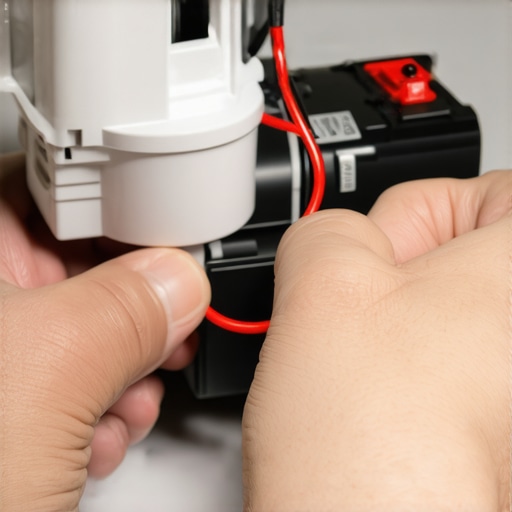 When it comes to fixing appliances like dishwashers, many homeowners fall into common traps that hinder effective repair and lead to unnecessary costs. One widespread misconception is that all appliance problems are purely mechanical, neglecting the complex interplay between electrical, electronic, and plumbing components. For instance, many believe that replacing a part is the only solution, without thoroughly diagnosing whether the issue is actually caused by faulty wiring or control board failures. This oversight often results in unnecessary expenses and repeated failures, emphasizing the importance of proper diagnostics before part replacement.
A critical nuance often overlooked is the role of software and firmware in modern appliances. Many top-tier dishwashers now incorporate smart features that can malfunction independently of hardware issues. Ignoring error codes related to digital sensors or control modules can lead to misdiagnosis. For example, a dishwasher may display an error suggesting a faulty inlet valve when, in fact, a software glitch is causing false readings. Expert technicians frequently recommend performing a system reset or firmware update before physically replacing components, which can save time and money.
Another common myth is that appliance warranties always cover repairs for every malfunction. While warranties can be a safety net, they often exclude certain issues, especially those caused by user errors or neglect. For example, using improper cleaning agents or neglecting water quality maintenance can damage components like heating elements or pumps, which are not always covered. Understanding the fine print in manufacturer warranties is crucial. Additionally, being aware of what diagnostic checks are permitted under warranty can prevent voiding coverage—an error many homeowners unintentionally make.
For advanced diagnostics, using specialized tools like multimeters and even smartphone-based vibration sensors can provide insights beyond mere visual inspections. Relying solely on visual cues or generic troubleshooting guides may miss subtle electronic faults. According to industry studies, about 40% of appliance failures are due to electronic component issues that require precise measurements to diagnose effectively. Incorporating such techniques into your DIY toolkit elevates your troubleshooting from guesswork to informed action.
Determine when it’s worthwhile to call professional help versus attempting repairs yourself. The risk of damage or injury increases when attempting complex diagnostics without proper knowledge. For example, mishandling electrical connections during a repair can cause shocks or short circuits. Furthermore, some issues, like control board failures, necessitate specialized diagnostic equipment and expertise, making professional service a wiser choice.
In summary, the traps many fall into include oversimplifying appliance issues, ignoring modern electronic complexities, misreading warranty coverage, and underestimating the importance of precise diagnostics. To truly master appliance repair, you must dig deeper, embrace advanced troubleshooting methods, and develop an understanding that hardware, software, and user practices are all interconnected. Have you ever fallen into this trap? Let me know in the comments.
How Do I Keep My Dishwasher Running Smoothly Over Time
Maintaining your dishwasher or washing machine isn’t just about fixing issues as they arise; it’s about establishing a routine that ensures longevity and reliable performance. One of the best investments you can make is in the right tools paired with disciplined habits. I personally recommend assembling a compact yet comprehensive toolkit tailored specifically for appliance diagnostics and minor repairs. This includes a high-quality digital multimeter, a laser thermometer, and a set of precision screwdriver bits. Using a digital multimeter, for example, allows you to accurately test critical electrical components such as heating elements or control boards, helping you prevent costly failures before they happen.
Similarly, a laser thermometer can be invaluable for verifying wash temperatures, which directly affect cleaning performance and appliance safety. I always keep one handy to quickly check that the water reaches optimal temperatures without relying solely on appliance readings, which can be misleading. For detailed instructions on testing your heating element, check out this guide to heating element testing.
Staying Ahead with Consistent Diagnostics
Routine diagnostics are key to long-term appliance health. I perform a monthly visual inspection of seals, hoses, and filters—especially the drain filter, which many overlook but can cause persistent issues if clogged. When I notice any irregularities, I use my multimeter to check for electrical faults and a thermal leak detector to identify cold spots that might indicate insulation issues. This proactive approach saves time and money, allowing me to address small problems before they escalate into major repairs.
Plus, knowing how to interpret error codes and system messages is crucial. Modern dishwashers now incorporate smart diagnostics, and using apps or smartphone-based sensors can reveal hidden issues. For instance, a simple 30-second reboot, guided by this article, can reset sensors and clear minor glitches without professional intervention. Embracing these tools and techniques can extend your appliance’s lifespan significantly.
Scaling Up and Future Trends in Appliance Care
Looking ahead, I predict that smart diagnostics and IoT integration will become standard in household appliances. Smart sensors could notify you proactively of issues, allowing you to schedule repairs or part replacements before breakdowns occur. In the meantime, investing in reliable diagnostic tools and learning routine maintenance practices will keep your appliances functioning efficiently for years to come. Remember, a proactive maintenance regime is more cost-effective than reactive repairs. For example, regularly inspecting your water supply with a multimeter or thermal detector can prevent costly damages caused by leaks or electrical failures.
If you’re ready to get serious about appliance longevity, start by testing your heating element with a quick multimeter check. Empower yourself to diagnose basic issues and save money in the long run.
For practical tips on conducting precise electrical tests, explore this detailed multimeter guide and take control of your appliance maintenance today.
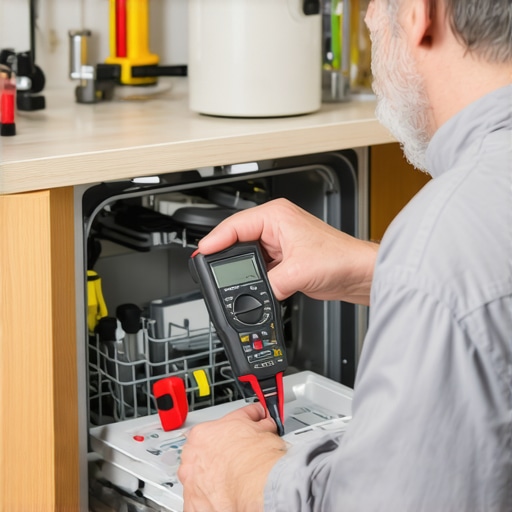
What No One Tells You About DIY Appliance Fixes
When I first started tinkering with my dishwasher, I assumed that replacing parts would instantly fix the problem. Yet, I quickly learned that understanding the device’s inner workings and common myths saves both time and money. The biggest lesson? Never underestimate the value of proper diagnostics; rushing to replace parts often leads to unnecessary expenses. One time, I replaced the inlet valve only to find it was never truly broken—what I needed was simply a thorough test, like using a 9V battery to see if it responded. This lightbulb moment taught me to approach repairs with patience and curiosity, rather than assumptions.
Tools That Transformed My Approach and Why
Over time, I discovered that having a solid toolkit can make all the difference. A reliable digital multimeter became my best friend, allowing me to quickly check electrical components and avoid costly errors. Pairing that with a thermal leak detector and a good visual inspection routine keeps my appliances in check without constant professional help. Trustworthy resources like this multimeter guide helped me understand how to interpret readings and prevent failures before they happen, making me more confident in handling appliance diagnostics independently.
Believing in the Power of Routine and Knowledge
Beyond quick fixes, investing time in regular inspections has extended my dishwasher’s lifespan significantly. Checking for signs of wear, understanding error codes, and learning about Wi-Fi diagnostics (when available) have empowered me to catch issues early. A simple reset or firmware update, often overlooked, can resolve glitches that mislead diagnostics. This proactive mindset turns appliance maintenance from a frustrating chore into a rewarding routine, helping me avoid the cycle of unnecessary replacements or calls for help. Remember, staying ahead with knowledge and tools is the true secret to preserving your household appliances.
Inner Wisdom Gained and What I Would Do Differently
- Avoid Blind Replacements: Before swapping parts, test actively—testing the inlet valve with a 9V battery was my game-changer, preventing wasteful spending.
- Don’t Ignore the Software Layer: Modern appliances often fail from software glitches; performing system resets or firmware updates can save you from hardware replacements.
- Understand Your Warranty: Knowing what repairs are covered and how diagnostic procedures affect your coverage helps you avoid voiding warranties through unnecessary or incorrect repairs.
- Combine Electronics and Plumbing Knowledge: Recognizing the electrical and mechanical interplay deepened my troubleshooting skills, making repairs more precise and efficient.
Tools and Resources that Keep Me Moving Forward
- Multimeter guides — essential for testing electrical components accurately.
- Smart reset procedures — learning quick resets to clear glitches without calling in help.
- Water quality tips — understanding how water conditions impact appliance longevity.
- Troubleshooting guides — honing diagnostic skills for persistent issues.
Take Control and Keep Building Confidence
Remember, appliance repair doesn’t have to be daunting. With the right tools, a curious mindset, and patience, you can diagnose many issues yourself—saving money and gaining valuable skills. Staying proactive with diagnostics and repairs transforms household maintenance into a rewarding challenge rather than a stressful chore. So, are you ready to give DIY diagnostics a try and empower yourself further with smarter repair habits? Share your experiences and questions below; I’d love to hear how you’re taking charge of your appliances!