

Ever been in the middle of a quiet evening when suddenly, your dishwasher starts making that weird grinding or squealing noise? It’s enough to make you want to hide under the table, right? I’ve been there myself. At first, I thought it was just a temporary glitch. But when the noise persisted, I felt clueless about what was really going on inside my appliance. I remember poking around with a flashlight, trying to listen more intently, but honestly, I didn’t have a clue where to start diagnosing the problem. That lightbulb moment hit me: my phone could be the secret weapon I needed to understand those mysterious bearing noises. And let me tell you, it changed everything.
Listening to Bearing Noises with Your Phone: Why It Matters
The truth is, bearing noises in your dishwasher are often early warning signs of impending failure. The bearings support the wash motor, and when they start to fail, the noise can become quite loud and persistent. Ignoring these sounds can lead to more serious, costly repairs down the line. The challenge has always been: how do you reliably catch and interpret these noises without tearing apart your machine or calling a repair tech immediately? Here’s where your smartphone comes in. Modern devices are equipped with microphones sensitive enough to pick up subtle sounds that our ears alone might struggle to notice amidst the background hum. By learning how to record and analyze these bearing noises, you gain a powerful diagnostic tool in your pocket. Think of it as giving your phone a set of earbuds and a stethoscope—only better, because you can replay the sound as many times as needed.
In fact, some experts suggest that a keen ear—enhanced by your phone—can help you spot failing components long before they cause larger issues. According to a recent study, acoustic monitoring with mobile devices is becoming a reliable method for predictive maintenance in appliances (source: Appliance Outlet Pro). No longer do you need to guess if that squeal is normal or a sign of trouble; you can actually hear for yourself and decide when action is necessary.
Have you ever struggled to pinpoint a strange noise in your dishwasher or other appliance? Do you wish there was an easy way to understand what your machine is trying to tell you? Well, guess what: your phone might just become your best diagnostic buddy.
Now that we understand why listening matters, let’s explore how exactly we can tap into this simple yet effective technique. But before that, I want to share one mistake I made early on that almost led me down the wrong path. I assumed that a loud noise always meant immediate replacement or costly repairs. Turns out, that’s not always the case. Sometimes, a little recording and careful listening can save you a lot of money and hassle. Ready to see how easy it is to get started? Let’s dive in.
.
Get Your Phone Ready as a Diagnostic Tool
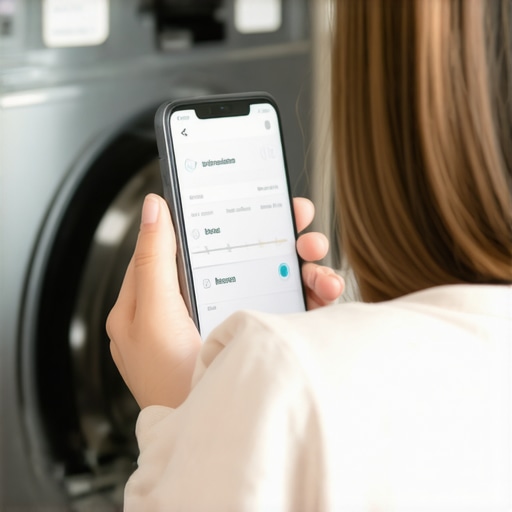
First, ensure your smartphone’s microphone is working well. Find a quiet space and open a sound recording app—this will become your diagnostic station. I remember the first time I recorded my dishwasher’s noise and played back the clip—seeing the waveform helped me visualize the sound, much like a doctor reading an EKG. Lay the phone close to the dishwasher, near the area where the noise originates, and start the cycle. Don’t worry if it sounds awkward; consistency is key.
Record and Replay Bearing Noises
When the dishwasher is running and the unusual noise kicks in, hit record. After the cycle, listen carefully, replaying the sound multiple times. Do this at different intervals—sometimes, bearing issues manifest most loudly during the rinse cycle. I once caught a faint grinding that I initially ignored; revisiting the recording revealed a subtle, rhythmic squeal, evidence of a bearing slipping. This simple step can save you from costly repairs by catching early warning signs.
Analyze the Sound for Clues
Now, compare your recording to typical bearing sounds. A healthy bearing often produces a low, steady hum, while failing bearings emit a high-pitched squeak or grinding noise. To sharpen your ear, check out sound examples online or in appliance forums. Recognizing these differences is similar to a veterinarian diagnosing an animal’s health from a cough or bark—it’s about catching the symptoms early.
Use Your Phone to Narrow Down the Issue
If the recording indicates bearing failure, focus your inspection on the motor and its supports. Open the dishwasher and examine the wash motor assembly; look for signs of wear or debris. For detailed steps, you might look into guides like spotting a failing circulation pump by sound. Remember, sometimes noises come from obstructed spray arms or worn out filters, so consider other diagnostics as well. If unsure, recording the noise can help a repair technician diagnose the problem remotely, saving you time and money.
Test the Impact of Simple Fixes
Once you’ve identified a probable source of noise, try simple fixes like clearing debris from the drain filter (more on that here) or checking the spray arm for obstructions. Sometimes, a clean spray arm or a well-maintained filter can eliminate noise without parts replacement. Use your phone to record before and after testing these fixes to confirm if the noise diminishes, ensuring your efforts result in meaningful improvements.
Stay Sharp and Save Money
Regularly recording sounds during normal operation allows you to track changes over time—kind of like a fitness tracker for your dishwasher. If you notice new or worsening noises, it’s an early indication that maintenance is needed, potentially extending the appliance’s lifespan and avoiding emergency repairs. With just a few minutes and your smartphone, you’re turning passive listening into active diagnostics, empowering you as a DIY repairer and savvy homeowner.
Many homeowners believe they have a solid understanding of appliance diagnostics, but in reality, common myths and misconceptions often lead to costly mistakes. One widespread misconception is that a loud noise always indicates an immediate need for replacement. In my experience, this isn’t necessarily true; sometimes, a simple sound analysis reveals the issue to be minor, like debris caught in a spray arm. Overreacting by replacing parts prematurely can drain your budget and lead to unnecessary repairs.
Another trap homeowners fall into is assuming warranties always cover repairs, which isn’t the case. Many overlook the fine print, missing out on coverage due to improper maintenance or ignoring warranty expiration dates. Regularly checking your warranty status and understanding its clauses can save you from paying out-of-pocket for issues that might be covered. Remember, warranties often have exclusions for damage caused by improper use—so following maintenance guidelines is crucial.
One nuance I often see overlooked involves third-party detergent pods. While convenient, they can be harmful to your machine if not compatible. According to expert sources, some third-party pods contain enzymes or chemicals that damage seals and pump components over time (source). This is a sneaky cause of leaks and breakdowns that many neglect to consider before switching brands.
Are You Overlooking the Hidden Clues in Your Dishwasher’s Sounds?
Advanced diagnostics involve more than just listening; they require understanding the nuances of the sounds your appliance makes. For example, a high-pitched squeal during the wash cycle might point to worn bearings—an issue that, if caught early, can be fixed without costly replacements. Conversely, ignoring these signs can result in seized motors and complete failure. Learning to interpret these subtle cues, possibly with the help of a smartphone app, allows you to diagnose issues with greater accuracy and prevent larger repairs down the line.
Additionally, understand that not every noise or symptom indicates a major problem. Sometimes, debris lodged in a spray arm or a dirty filter causes noises that mimic mechanical failures. Regular maintenance, like cleaning the hidden filter, often solves the problem and saves you from unnecessary service calls.
Lastly, be wary of the misconception that DIY fixes are always straightforward. While minor issues like cleaning spray arms are manageable, diagnosing complex electronic faults, such as control board failures, requires careful testing—sometimes with a multimeter or professional help. Rushing into replacement parts without proper diagnostics can turn a simple repair into a financial nightmare, especially if your warranty has expired or was voided due to improper troubleshooting.
In summary, proper diagnostic skill involves understanding the subtleties—listening for specific sounds, reading fine print on warranties, knowing which repairs can be DIY or require professional expertise, and staying aware of hidden causes like third-party products. Do you think you’ve been missing these nuances? Share your experiences below, and let me know if this article helps you spot common pitfalls in dishwasher repair.
Keeping your dishwasher running smoothly over the long haul requires more than occasional cleaning and basic troubleshooting. One of the best investments you can make is in high-quality diagnostic tools and implementing a proactive maintenance routine. As someone who has tackled numerous appliance repairs, I highly recommend equipping yourself with a digital multimeter and a smartphone with sound analysis apps. These tools empower you to identify issues early, saving you from costly repairs and downtime.
Why Reliable Diagnostic Tools Matter
A digital multimeter is indispensable for testing electrical components like heating elements, door switches, and wiring harnesses (source). I personally use a Fluke 117 multimeter because of its precision and durability, especially when diagnosing control board issues. Complementing this, a smartphone app for sound analysis helps detect failing bearings, motor vibrations, or pump slippings by capturing and comparing audio patterns (see how).
Maintaining Your Dishwasher for Longevity
Preventative maintenance is the key to keeping appliances in top shape. Regularly inspecting and cleaning filters, spray arms, and door seals prevents common issues like water leaks and poor cleaning performance. For instance, neglecting the hidden filter under the spray arm can cause drainage problems and foul odors (learn how). Developing a routine to check these components every few months ensures early detection of wear and tear.
Predicting Future Problems Before They Strike
Incorporate a practice of recording operational sounds periodically. Over time, subtle changes in noise patterns can signal emerging problems, such as worn bearings or impending motor failure. As my experience grows, I realize that listening with my smartphone has helped me schedule repairs during convenient times, avoiding unexpected breakdowns. The trend is moving towards integrating these diagnostic methods with smart home systems, where appliances can report issues automatically, as explained in expert documentation (more on diagnostics).
How do I keep my dishwasher in top shape over time?
Consistent maintenance, utilization of precise diagnostic tools, and early troubleshooting are essential. Embrace scanning for diagnostic codes, checking wiring integrity, and listening for unusual noises—your smartphone can be an invaluable ally in all these tasks. Investing in a quality multimeter and dedicating time to routine inspections can extend your dishwasher’s lifespan and improve its performance significantly.
If you haven’t already, try recording a cycle with your phone and compare the sounds—this small step can reveal a lot about your machine’s health. With the right tools and a proactive mindset, you’ll be impressively ahead of most homeowners when it comes to appliance reliability and repair savings.
What My Journey Taught Me About Quiet Cues
The biggest insight I gained was the importance of patience and attentive listening. I used to dismiss faint squeaks as normal, not realizing they could signal upcoming motor failure. Recognizing these subtle signals early made a difference in preventing costly repairs and extended the life of my dishwasher. It taught me that sometimes, the smallest sound carries the most significant warning—if we’re willing to listen closely enough.
Why Relying Solely on Technical Guides Might Fool You
I learned that DIY diagnosis isn’t just about reading manuals; it’s about developing an ear for the sounds that matter. Relying only on step-by-step instructions without experiential listening can lead to misdiagnosis. Taking the time to record and analyze noises helped me trust my intuition and understand my appliance better, empowering me to make more informed decisions about repairs and maintenance.
How Personal Observation Can Save You Money
By regularly recording the operational sounds of my dishwasher, I noticed gradual changes—like pitch shifts or increased intensity—that indicated wear. This proactive approach allowed me to schedule repairs during convenient times, avoiding emergency breakdowns. It proved that consistent, mindful observation is a powerful tool—not just for professional technicians, but for homeowners who want to keep their appliances running smoothly.
My Top Secrets for Accurate Diagnosis
Discerning between normal operational noise and signs of trouble requires experience. I found that comparing recordings over time, using free sound analysis apps, helped me identify anomalies more objectively. Also, cross-referencing sound patterns with known issues from online communities built my confidence in diagnosing minor faults early. Trust me, developing your own ‘ear’ pays dividends in appliance longevity.
Building Confidence Beyond the Kitchen
Listening skills extend beyond dishwashers. Once I started applying this method to other appliances—like washing machines or refrigerators—I became more self-reliant and less dependent on costly repair services. This shift from reactive fixing to proactive maintenance transformed my approach to homeownership, turning maintenance into a manageable, even satisfying, routine. Remember, the secret lies in attentive listening combined with simple recording tools—your phone can be your best diagnostic ally.
Where to Go from Here
If you’re serious about mastering this skill, consider scheduling regular sound checks and experimenting with free apps that analyze audio patterns. Keep a repair journal noting any changes in sound alongside performance issues; sometimes, patterns emerge that aren’t obvious at first glance. Over time, you’ll develop an intuitive sense for your appliances’ health—saving money, extending their lifespan, and gaining peace of mind. Your journey into mindful maintenance starts with just a small step: listen, record, learn, and act.
Ready to Tune into Your Appliances?
Have you ever caught an unusual noise early and avoided a costly repair? Or perhaps you’re just starting to pay closer attention to your dishwasher’s sounds. Share your experiences below—I’d love to hear how listening has helped you maintain your home appliances better!