

It was a frustrating Saturday morning when I finally realized that my carefully loaded dishwasher wasn’t cleaning properly anymore. Dishes came out with spots, streaks, and a persistent film—nothing like the sparkling shine I used to get. After spending a good hour troubleshooting, I discovered that it was my water temperature that was the culprit. That lightbulb moment made me realize just how much water temperature impacts every dishwasher cycle, yet many folks overlook this simple factor.
The Hidden Power of Proper Water Temperature
From my own experience, I learned that ignoring water temperature can turn an otherwise reliable appliance into a source of stress. When water isn’t hot enough, detergents don’t dissolve properly, and grime just isn’t going to budge. Conversely, water that’s too hot can cause damage, especially to delicate glassware or newer appliances designed with precise tolerances. Achieving the right balance is crucial, but how can you tell if your water is hitting the mark without constantly guessing?
Are You Letting Water Sabotage Your Washes?
Here’s where I made a common mistake early on: I assumed the dishwasher was the problem because it kept leaving deposits on my glasses. Only after testing my water temperature with a simple thermometer did I realize it was running way below the ideal range. Sometimes, the issue isn’t with the machine but with the water itself. According to the Environmental Protection Agency, water temperature in your household plumbing should be around 120°F (49°C) for optimal cleaning and safety purposes, yet many homes have lower temperatures due to old thermostats or faulty water heaters.
If you’re constantly fighting spots and residue, it might be worth checking your water temperature. This step is quick, easy, and can save you from costly repairs or replacing your entire dishwasher down the line.
Stay tuned—we’ll dive into how to test your water temperature accurately and adjust your system to optimize every wash cycle. Have you faced issues similar to mine with poor cleaning results? If so, read on before wasting another batch of detergent or calling in a costly repair technician.
Test Your Water Temperature Accurately
Start by purchasing a reliable instant-read thermometer. Turn on your hot water tap closest to your dishwasher and let it run for a minute to stabilize the temperature. Then, place the thermometer under the water stream and record the temperature. If it reads below 120°F (49°C), you’ll need to adjust your water heater settings.
Adjust Your Water Heater Settings
Locate your home’s water heater—usually in the basement or utility closet. Use a ladder if necessary, and find the thermostat. Turn the dial to set the temperature to 120°F (49°C). Remember, setting it higher increases energy consumption and risk of scalding, while lower settings can cause poor cleaning. For precise adjustments, consult your water heater’s manual or hire a professional if you’re uncomfortable with this step.
Consider Thermostat Calibration
Sometimes, the thermostat’s reading isn’t accurate. To verify, follow the guide from this article to locate cold spots in your plumbing using a thermal leak detector. This helps determine if the thermostat is calibrated correctly or if replacement is needed.
Use a Thermometer to Confirm Temperature Post-Adjustment
After adjusting the water heater, run the hot water tap again and measure the temperature. Wait until the thermometer stabilizes and record the reading. Repeat this process until the water consistently hits the 120°F mark.
Test Dishwasher Performance
Run a cycle with the new settings and check if your dishes come out spotless. Pay special attention to glasses for residual film or spots. If issues persist, it might be time to look at other factors like detergent quality, water softeners, or cleaning the filter system. For instance, clogged filters can resemble temperature issues, but a quick filter clean often restores performance. Learn how to clean your drain filter efficiently here.
Check for Hot Spot Variations in the Tub
Even with a properly set water heater, uneven heating in the dishwasher can occur. Using a smartphone app or a thermal leak detector, identify cold spots inside the dishwasher tub. This helps determine if insulation issues or circulation failures are causing uneven heating. Addressing these can dramatically improve cleaning results.
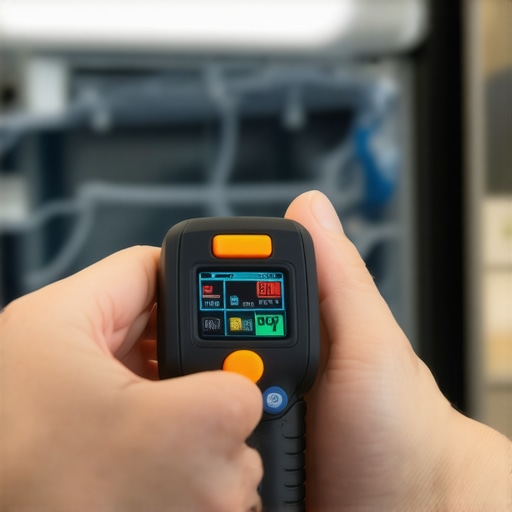
The image shows a thermal leak detector being used inside a dishwasher tub to identify cold spots, helping troubleshoot uneven heating.
Maintain Water Heater Efficiency
Ensure your water heater maintains a consistent temperature by scheduling regular maintenance. Sediment build-up can cause fluctuations, leading to inconsistent water temperatures that hinder cleaning. Also, consider installing a smart water heater controller for remote monitoring and adjustments if your model supports it. Regular inspection and upkeep prevent surprises that could compromise your dishwasher’s performance.
Monitor and Reassess Periodically
Set a reminder to test water temperature every six months, especially if you notice cleaning issues reappearing. Over time, thermostat calibration can drift, or components may age, affecting performance. Keeping your water at the optimal temperature ensures appliances operate efficiently, reducing costs and extending lifespan.
When it comes to troubleshooting dishwashers and other household appliances, many homeowners rely on myths or surface-level knowledge that can lead to costly mistakes. Let’s explore some nuances that even seasoned DIYers often overlook, and uncover the hidden traps that can sabotage your efforts. Recognizing these subtle pitfalls can save you time, money, and frustration in the long run.
One widespread misconception is that all error codes or symptoms clearly point to a single component needing replacement. For example, a control board failure might mimic a drainage issue, leading many to replace the pump unnecessarily, according to experts. In reality, as detailed in this article, diagnosing the root cause requires a thorough understanding of appliance wiring diagrams and diagnostic sequences. Jumping to conclusions without proper testing can turn a simple fix into a costly overhaul.
Another trap homeowners often fall into is trusting generic troubleshooting advice without considering manufacturer-specific nuances. While universal tips are helpful, appliances from different brands or models can have unique quirks—like the way certain dishwashers handle water softening or sensor calibration. For instance, trying to fix a high-end dishwasher’s poor cleaning performance with household vinegar might seem logical, but it could damage seals or sensors, as warned in this guide. Knowing when to follow generic advice and when to consult manufacturer resources is key.
A subtle yet impactful misconception revolves around warranty claims. Many assume that having a repair done by any technician automatically voids the warranty, but that’s not always true. Often, warranties require that repairs be performed by authorized service providers, and improper DIY fixes can invalidate coverage. Moreover, documenting repairs with detailed photos, like those suggested in this article, can strengthen your claim if a defect is due to manufacturer fault. Ignoring these nuances can leave you shielded from costs you are otherwise entitled to recover.
For advanced DIYers, understanding how to properly test components is essential. Simply observing symptoms isn’t enough; using tools like a multimeter to verify actual component health prevents unnecessary replacements. This approach aligns with insights from appliance repair professionals who emphasize the importance of diagnostic accuracy over assumptions.
It’s tempting to believe that all appliance issues are straightforward, but in reality, many problems involve complex interactions of sensors, control boards, and mechanical parts. Recognizing these hidden nuances not only fosters a preventative mindset but also makes your troubleshooting efforts more effective. Do you ever fall for these myths? Share your experiences in the comments, and let’s help each other become smarter homeowners.
Maintaining your dishwasher and appliance systems over time requires more than just occasional cleaning; it calls for the right tools and a disciplined approach. Among the most valuable instruments I keep in my toolkit is a high-quality digital multimeter. This device isn’t just for testing electrical components; it’s essential for verifying the integrity of important parts like thermostats and heating elements, helping prevent costly repairs before they occur. Personally, I prefer a multimeter with a backlit display and auto-ranging capability, ensuring precise readings even in dimly lit appliance compartments. Using this, I routinely check parts like the control board and heating elements to catch issues early, saving time and money. Beyond tools, software diagnostics are transforming how we approach maintenance; many modern dishwashers support remote troubleshooting via dedicated apps. For example, I use a smart dishwasher app to get real-time status updates and error logs, streamlining the repair process. As technology advances, expect integration with home automation systems to facilitate proactive maintenance. To keep your appliances performing at their best, I recommend scheduling regular diagnostic checks—at least twice a year—using these tools. A simple yet powerful method involves using a thermal leak detector to identify cold spots within your dishwasher’s tub, which can indicate uneven heating or insulation issues. Imagine detecting potential problems before they escalate into full-blown failures; it’s a game-changer. Remember, when you notice irregularities, such as persistent spots or lingering odors, catching them early using these tools can extend your appliance’s lifespan significantly. For example, proactively diagnosing and fixing insulation gaps or circulation faults prevents water wastage and ensures efficient operation. As the trend moves toward smarter diagnostics, investment in suitable equipment such as a thermal leak detector or compatible apps will become standard practice in appliance maintenance. If you haven’t already, try integrating the use of a thermal leak detector regularly—it’s surprisingly revealing and easy to operate. This small upgrade can save you hundreds in repair costs, especially if you’re comfortable performing minor fixes yourself. With the right tools and a proactive mindset, keeping your dishwasher and appliances in excellent shape has never been easier. Prepare to see the positive impact on your long-term operational costs and peace of mind, knowing that you’re spotting issues early before they escalate.
The Unexpected Lessons That Changed My Repair Approach
One striking realization I had was that not every symptom demands a costly fix; sometimes, it’s your water temperature or a simple sensor issue needing attention. I learned to trust my diagnostic tools over assumptions, saving myself time and money. Understanding the nuanced behaviors of appliances taught me to look beyond the obvious, which is invaluable when troubleshooting complex systems like dishwashers in warranty periods.
Gear That Keeps My Repairs on Point
From my experience, a multimeter is an indispensable part of any appliance toolkit; it helps me verify controls and heating elements reliably. A thermal leak detector reveals uneven heating issues that can’t be seen with the naked eye, preventing future breakdowns. For app-enabled diagnostics, I rely on reputable brands that support detailed error logs—these tools make proactive maintenance feasible rather than reactive chaos. Lastly, keeping a comprehensive repair manual from trusted sources arms me with specific troubleshooting steps tailored to each brand, avoiding the pitfalls of generic advice.
Your Next Step Starts Today
By integrating proper testing techniques, the right tools, and a curious mindset, you elevate your ability to keep appliances humming and warranties intact. Don’t wait for a breakdown to act—use these insights to anticipate issues and fix them early. Remember, a little knowledge combined with the right equipment can transform your repair experience from stressful to satisfying. So take that first step toward smarter appliance care today—your future self will thank you!
What’s been your biggest challenge when troubleshooting your dishwasher? Share your story below and let’s learn together!