

It was a typical Saturday until I heard that dreaded drip inside my dishwasher. Frustration bubbled up as I realized I had no idea where to start troubleshooting. That moment—when your everyday appliance suddenly fails and you’re unprepared—hit hard. I knew I needed a better plan, a real toolkit for tackling these mishaps confidently. Today, I’ll share how to arm yourself with the essential tools that can save you time, money, and unnecessary stress. Trust me, being ready makes all the difference.
The First Step: Recognizing the Need for Reliable Tools
When I first started tinkering with my appliances, I thought a screwdriver set was enough. Big mistake. I quickly ran into situations where I lacked the right tools or, worse, used the wrong ones and caused more damage. Early on, I made a crucial mistake—assuming that everything could be fixed with a basic Phillips screwdriver. That newbie error nearly cost me a costly repair bill. Once I learned to identify the smarter approach—equipping myself with specific, purpose-built tools—I started fixing issues myself instead of calling a technician for minor problems.
Are you tired of feeling helpless when your appliances act up, wishing you had the right tools at hand? Well, you’re not alone. Many homeowners fall into the trap of underestimating what’s needed to handle common repairs. The key is knowing what tools make a real difference.
Will a Basic Toolkit Really Cover My Needs?
Absolutely not. A basic screwdriver and a hammer won’t cut it anymore. For example, diagnosing a faulty heater element or a clogged spray arm on your dishwasher requires specialized equipment like a multimeter or a toothbrush to clean spray nozzles. Initially, I overlooked how much these tools could simplify repairs. Instead, I resorted to guesswork or endless YouTube videos, wasting hours and sometimes making problems worse.
Supporting this idea, a recent report highlights that homeowners equipped with the right diagnostic tools are far more successful in extending the life of their appliances and avoiding costly repairs—saving hundreds, if not thousands, over the years. You can check out more about common pitfalls here: [The Red Flag on Your Receipt That Cancels Your Service Plan](https://applianceoutletpro.com/the-red-flag-on-your-receipt-that-cancels-your-service-plan).
So, what’s next? Getting started with a tailored toolkit that includes essential items like a digital multimeter, a set of precision screwdrivers, and even basic testing devices. These will become your allies when diagnosing problems or confirming whether a part is truly faulty. Ready to dive in? Well, the next step is building that toolkit—wisely and efficiently.
Gather the Right Diagnostic Equipment
Start by assembling a dependable multimeter, preferably digital, to test electrical components like heating elements and door switches. Remember, a multimeter isn’t just for electronics—think of it as your appliance’s heartbeat monitor. For instance, I once used a multimeter to confirm whether my dishwasher’s heating element was malfunctioning, saving me from unnecessary part replacements.
Select the Correct Multimeter Settings
Set your multimeter to the lowest resistance or continuity mode—often symbolized by a diode icon—to check if components like door latches or switches are intact. This quick step helps identify faulty parts without guessing, much like a doctor checking a pulse.
Identify Common Problem Areas
Focus on parts that frequently fail—door latches, spray arms, filters, and sensors. For example, a failing door latch can prevent the dishwasher from starting. You can perform a simple jumper test to verify latch functionality—connect a small wire across the latch terminals to simulate a closed latch, ensuring the machine recognizes it as secure. Learn more about this technique in this guide.
Test the Door Latch with a Jumper
Disconnect the power first. Locate the latch connector, then use a wire or paperclip to bridge the terminals. If the dishwasher starts or advances through cycles, the latch is likely faulty. If not, replace or repair the latch before moving on to other parts.
Assess the Heating Element Effectively
Use a multimeter to test if your dishwasher’s heating element is functioning. Remove the heating element and set your meter to measure resistance. Touch the probes to each terminal—if the reading shows zero or a very high value, the element may be defective. For a quick check, you can perform the 10-minute test from my experience, which was a game-changer when troubleshooting my own dishwasher’s no-heat issue.
Perform a Simple Water Temperature Test
Fill a glass with water from your dishwasher after a cycle and measure the temperature using a laser thermometer. If the temperature doesn’t reach the recommended levels, the heating element or temperature sensors might be at fault. This hands-on method often reveals issues that aren’t obvious visually.
Diagnose Blockages and Mechanical Failures
Clear clogged spray arms or filters with a toothbrush or toothpick. Checking for debris is crucial because a blocked spray arm can cause poor cleaning results. Sometimes, dislodging a debris clog restored full spray functionality, much like clearing a clogged artery improves blood flow.
Inspect and Clean the Spray Nozzles
Remove spray arms and spray nozzles then soak them in warm vinegar to dissolve mineral deposits. After cleaning, reassemble and run a short cycle with no dishes to verify spray performance. Ensuring a clear water pathway can resolve many cleaning issues without replacing parts.
Leverage Diagnostic Codes and Internal Tests
Many dishwashers have hidden diagnostic modes accessible via specific button sequences. Learning to enter and interpret these modes can reveal coded errors, saving you guesswork. For example, some models display codes indicating issues with sensors or pumps, directing you to the likely problem spot. Familiarize yourself with your appliance’s manual or online guides to perform these internal tests effectively.
**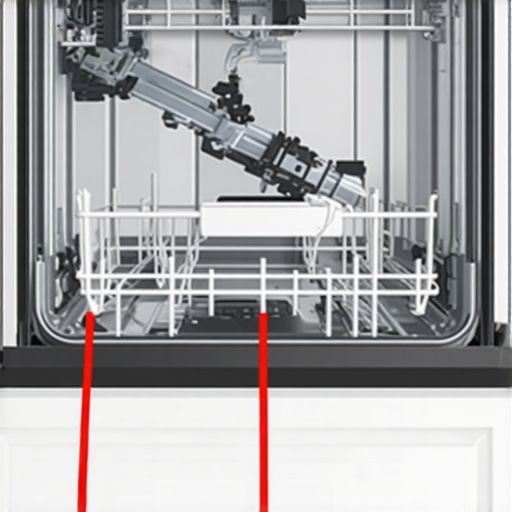 **
**
Caption: Visual diagram showing testing points on a dishwasher’s door latch, heating element, and spray arm, highlighting where to connect tools and probes for diagnostics.
Many homeowners assume that warranty coverage and appliance diagnostics are straightforward, but the truth is more complex. A common misconception is that warranty claims are automatic and cover all repairs. In reality, manufacturers often include fine print and specific requirements, such as properly documented issues or forced inspections, which many overlook. For instance, not providing detailed photos when submitting a claim can lead to denial, especially if crucial evidence like model numbers or error codes is missing. Learning to interpret these nuances can significantly improve your chances of successful warranty repairs.
Another misunderstood aspect concerns diagnostics. People often believe that simply resetting the appliance or replacing a part will fix the issue. However, advanced diagnostics require understanding subtle clues—such as unusual sounds, minor error messages, or inconsistent behavior—that point to underlying problems. Rushing into part replacements without proper testing can lead to unnecessary expenses and repeated failures. For example, testing the heating element with a multimeter is more reliable than assuming it’s broken based on poor cleaning results alone. Supporting this, experts emphasize that accurate diagnostics involve both visual inspection and electronic testing, which many skip, leading to costly misdiagnoses.
Common myths also include the idea that all repairs are best left to professionals. While some issues do require specialized skills, many advanced DIY troubleshooting techniques can save you money. Tools like a multimeter or understanding jumper tests for door latches are accessible skills that prevent unnecessary service calls. Yet, many get tripped up by overconfidence or fear of damaging their appliance further. To avoid this, educate yourself on basic diagnostics, always follow safety procedures, and recognize when an issue exceeds your skill level. For example, improperly testing an electrical component can cause further damage or pose safety hazards. A study by the National Appliance Repair Association highlights that informed homeowners who understand diagnostics are more likely to resolve issues efficiently and avoid scams or false diagnoses.
How Can You Safeguard Your Warranty Claims?
Proper documentation is key. Always take detailed photos of the appliance’s serial tags, error codes, and problem areas before requesting repairs. This evidence helps technicians and manufacturers verify the issue and increase the likelihood of approval. Additionally, adhering to manufacturer-recommended maintenance routines and keeping records of service visits can support your case. Remember, understanding the intricacies of warranty terms—not just the broad promises—can prevent surprises when you need them most. Don’t forget to review the fine print on your coverage, as some plans exclude known defects or restrict coverage based on certain usage conditions. This small step can save you from the disappointment of a rejected claim, especially when dealing with critical appliances like dishwashers whose proper functioning is vital.
By mastering these nuances—ranging from claim documentation to smart diagnostics—you position yourself ahead of common pitfalls. Instead of falling prey to misconceptions, you’ll approach appliance issues with confidence and clarity. If you want to deepen your understanding, explore articles on diagnosing specific components like heating elements or pump failures. Have you ever fallen into this trap? Let me know in the comments.Maintaining your dishwasher’s performance over time requires more than just basic knowledge—it demands the right tools and a strategic approach. From testing heating elements to diagnosing mechanical issues, investing in specific equipment can empower you to handle common repairs confidently and efficiently. One of my favorite investments is a high-quality digital multimeter. I use it not only for testing components like heating elements and sensors but also for verifying electrical connections in other appliances. My personal experience confirms that having a reliable multimeter reduces guesswork and prevents unnecessary part replacements.
Another must-have is a set of precision screwdrivers designed for small appliance repairs. These allow for meticulous disassembly without damaging delicate parts. I prefer screwdriver sets that include Torx and security bits, which are often required for dishwasher panels and control boards. Pair these with a good flashlight, and you can perform thorough inspections even in hard-to-reach areas.
To specifically diagnose heating issues, I recommend the “How to Test Your Heating Element with a 10 Multimeter” guide, which provides a step-by-step process to confirm whether the element is functioning properly. This method has saved me time and money before replacing potentially faulty parts, ensuring I only replace what’s truly broken.
Personally, I also keep a pocket-sized moisture meter handy for checking leaks around door seals and gaskets. Addressing leaks early can prevent water damage and improve dishwasher longevity.
Looking ahead, I predict that diagnostic tools will become more integrated with smart home systems, allowing for remote troubleshooting and maintenance alerts. As these technologies advance, maintaining your appliances might soon involve nothing more than a smartphone app alert and a few quick tests.
How do I keep my dishwasher performing optimally over time? Regular preventative measures are key. For example, periodically inspecting and cleaning spray arms prevents clogs that can reduce cleaning efficiency. Using a toothbrush or the “The Toothbrush Trick for Clogged Spray Arm Nozzles” technique on a scheduled basis keeps water flow optimal. Also, testing the thermostat with simple tools like a laser thermometer, especially after descaling, ensures the dishwasher heats water to the right temperature, maintaining cleaning standards.
Don’t underestimate the importance of documenting your maintenance efforts. Take photos of internal components during routine checks; this practice helps when troubleshooting or making warranty claims, ensuring you have proof of proper upkeep and any anomalies.
Adopting these precise tools and methods allows you to transition from reactive repairs to proactive maintenance. For example, periodically testing your heating element not only prevents cycle failures but also extends the lifespan of the entire appliance. Ready to elevate your maintenance game? Try performing a simple multimeter test on your heating element—the peace of mind you gain is invaluable.
The Hardest Lessons I Learned About appliance diagnostics and repairs
One of the most eye-opening revelations was realizing that not all faults are obvious or simply require a part swap. Patience and precise testing, especially with the right tools, uncover the real issues without unnecessary expenses. For example, confirming a faulty heating element with a multimeter prevented me from changing a perfectly good part, saving time and money.
My Go-To Resources That Transformed My Repair Approach
Having reliable guides and tools makes all the difference. I swear by the comprehensive wiring diagrams and troubleshooting articles on this site—they helped me accurately diagnose issues instead of guesswork. Also, investing in a quality digital multimeter has paid itself back multiple times in reliability and confidence.
Embracing a Hands-On Mindset Can Boost Your Confidence
Taking ownership of repairs may seem intimidating at first, but each successful diagnosis deepens your understanding and keeps your appliances functioning smoothly. Remember, safety always first—double-check power disconnections before testing components. When I tested my dishwasher’s door latch with a jumper wire using the simple jumper technique, I gained invaluable insight into its operational health.
By trusting in specific diagnostic practices and resources, I turned appliance mishaps from frustrating mysteries into manageable projects. Whether it’s checking the water temperature with a laser thermometer or inspecting spray nozzles, each small step builds your skill set.
What has been your biggest surprise or lesson learned when troubleshooting appliances? Share your experience below, and let’s learn together!