

It happened last Saturday. I reached into my dishwasher to unload the clean dishes, only to notice the rack wobbling ominously. A quick inspection revealed the culprit: a snapped rack clip, the tiny plastic piece holding my 10-year-old rack steady. In that moment, I felt that familiar surge of frustration—why did something so small have to be the expensive repair that would lunch my weekend plans? But then I realized something crucial: I could fix it myself, without calling a technician or replacing the entire rack.
Knowing How to Replace a Broken Rack Clip Can Save You a Bundle
Have you ever faced that sinking feeling when a small part breaks and you think, “This is going to cost a fortune!” Well, I’m here to tell you that replacing a broken rack clip isn’t just doable—it’s downright satisfying once you know how. No more shelling out hundreds for a new rack or waiting impatiently for a repair appointment. Today, I’m going to walk you through the simple steps I discovered—and trust me, it’s easier than you think.
Is Replacing a Rack Clip Really Worth the Effort?
Now, I know some of you might be skeptical. “Is it really worth trying this yourself?” you ask. Believe me, I was there too. My early mistake was assuming it’d be complicated or that I’d need special tools. Turns out, a few basic supplies and some patience are enough. Plus, when you consider that a new rack can cost hundreds, fixing this tiny plastic clip is a no-brainer. And for those still uncertain, I recommend reading about common household fixes that save you money, like how to fix a squeaky door in under 10 minutes.
Taking matters into your own hands not only saves money but also gives you a sense of accomplishment. You’ll be surprised how often small repairs like this are within your reach—and avoid the frustration of waiting days for professional help. Let’s get into the nuts and bolts of how I successfully replaced my rack clip. Don’t worry—by the end of this, you’ll be ready to tackle your own repair with confidence.
Gather Your Tools and Supplies
Before diving into the repair, collect a few basic items: a pair of needle-nose pliers, a flat-head screwdriver, and a replacement rack clip compatible with your dishwasher model. I learned this the hard way when I realized I didn’t have the right tools and had to pause to make a quick hardware run, adding wasted time to my project.
Safely Disconnect Power and Water
Always unplug the dishwasher or turn off the circuit breaker to prevent electrical shocks. If your model has a water supply valve, shut it off as well. This step is crucial. During my first attempt, I overlooked this safety measure and felt a jolt when I touched the door panel unexpectedly, reminding me of the importance of caution.
Remove the Dishwasher Rack for Better Access
Pull out the bottom rack carefully. It provides easier access to the clips and reduces the risk of damaging other parts. When I removed my rack, I noticed some accumulated debris beneath. Cleaning this area later helped improve overall dishwasher performance, so it’s worth taking a moment to tidy up.
Locate and Remove the Broken Clip
The clips are usually at the front edges of the rack, holding the wheels or stabilizers. Use the needle-nose pliers or screwdriver to gently pry the broken piece out. My clip snapped at an awkward angle, causing the rack to wobble. Carefully extracting it prevents damage to surrounding components.
Identify the Type of Clip Needed
Take the old clip to a hardware store or search online for a replacement using your dishwasher’s model number. I found that knowing the exact part number saved me from multiple return trips, ensuring I purchased the correct piece. Some clips are simple plastic, while others are metal—verify which one matches your broken part.
Install the New Clip
Align the new clip with the attachment points on the rack. Use your fingers or pliers to snap it securely into place. I suggest applying gentle pressure; forcing it might crack the plastic. Once in place, double-check that the clip holds firmly and that the rack doesn’t wobble when moved.
Reassemble and Test
Slide the rack back into the dishwasher, ensuring it’s properly aligned and securely seated. Turn the power and water back on. Run a short cycle to test stability. During my test run, I monitored the rack for vibrations and noise. If you notice any issues, re-examining the clip placement or checking for other damaged parts is advisable. For more troubleshooting tips, consider exploring [fixing the squeaky door](https://applianceoutletpro.com/fix-a-squeaky-door-in-under-10-minutes) or [clearing a clogged air gap](https://applianceoutletpro.com/how-to-clear-a-clogged-air-gap-in-minutes).
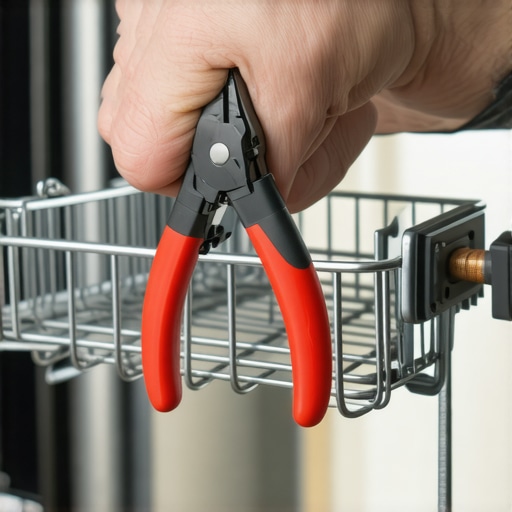 When it comes to appliance warranties and repair myths, many homeowners operate under misconceptions that can cost them time and money. A common assumption is that warranty coverage is all-encompassing, but in reality, manufacturers often exclude damages caused by user neglect or DIY repairs. For instance, attempting a repair without proper knowledge can void your warranty entirely, making it crucial to understand the fine print before tinkering. Additionally, a prevalent myth is that all repairs are complicated or require professional service—yet, as shown in DIY guides, many issues like replacing a dishwasher rack clip are surprisingly straightforward if you know what to look for.
Let’s address a more nuanced mistake many overlook: the importance of diagnostics. Relying solely on error codes without proper testing can lead to unnecessary replacements. For example, an error might suggest a faulty heating element, but using a multimeter to perform a simple continuity test often reveals a different culprit, such as a blown fuse or faulty sensor. Experts recommend using tools like a laser thermometer or smartphone apps to diagnose issues accurately, preventing costly guesswork.
Beware of the trap of superficial fixes—tempestuous cleaning or resetting procedures might temporarily solve symptoms but overlook underlying problems. Over time, this can lead to more severe damage or recurring malfunctions. A detailed diagnostic approach ensures long-term reliability, saving both money and frustration.
Moreover, understanding the nuances of warranties and repair processes can empower you to negotiate better service plans and avoid common pitfalls like voiding your coverage unknowingly. For example, some warranties require regular maintenance logs or specific service procedures to remain valid. Remember, thoroughly reading your warranty terms—especially clauses related to DIY repairs or using third-party parts—is imperative.
Want to learn more about the hidden factors that can derail your appliance repair efforts? Dive into how to spot subtle signs of component wear or explore advanced troubleshooting techniques. Remember, a small investment in proper diagnostics today can save you from hefty repairs tomorrow.
Have you ever fallen into this trap? Let me know in the comments.
Essential Tools for Long-Term Appliance Care
Investing in the right equipment can significantly extend the lifespan of your dishwasher. I personally swear by a high-quality multimeter, particularly the Fluke 117, for accurate diagnostics. It allows me to quickly check components like heating elements or thermostats without having to replace parts blindly. Additionally, using a laser thermometer, such as the ThermoPro TP20, helps verify proper wash temperatures, ensuring your appliance operates efficiently and efficiently. Regularly using these tools not only pinpoints issues early but also saves money in the long run.
Why I Recommend Specific Diagnostics Equipment
The combination of a reliable multimeter and a laser thermometer enables me to perform precise tests, like assessing the continuity of the heating element or measuring water temperatures during cycles. This targeted approach prevents unnecessary repairs and confirms whether a component is truly at fault. It’s a strategy I recommend anyone committed to proper maintenance adopt—trust me, understanding how to interpret these measurements is a game-changer. Learn more about how to use a laser thermometer to detect faulty cycles here.
Creating a Maintenance Routine That Works
Developing a simple checklist for your dishwasher helps maintain optimal performance over time. Start with regular cleaning of the filter and spray arms, as clogs here can reduce cleaning efficiency. Also, keep an eye on components like door seals and gaskets—worn parts can lead to leaks and energy waste. Incorporate periodic diagnostics, such as testing water temperatures and resistance in heating elements, to catch issues early. These practices have saved me from costly repairs and improved cycle quality, so I encourage you to integrate similar habits into your routine.
How do I maintain my dishwasher over time?
One effective way is to perform visual inspections monthly, checking for wear or debris that could hinder function. Using the right tools, like a multimeter or smartphone-compatible water sensor testers, provides actionable data rather than guesswork. Also, schedule professional inspections every few years to complement your DIY efforts, especially for internal parts that require specialized knowledge. Combining regular maintenance with accurate diagnostics ensures your appliance stays reliable for years.
Predicting Future Trends in Appliance Care
As smart diagnostics become more integrated into home appliances, we can expect tools to become even more intuitive. Devices that connect to smartphones or home networks will offer real-time alerts about potential issues before they escalate, similar to how smart thermostats optimize energy use. Embracing these advancements now allows you to troubleshoot effectively and avoid costly repairs later. Staying ahead in appliance maintenance means investing in technology that predicts problems early—think of it as the future-proof approach to homeownership.
Take Action Today
Start by testing your dishwasher’s heating element with a multimeter—you’ll be surprised how much peace of mind it can bring. With the right tools and a proactive approach, you can keep your appliance running smoothly for years. For additional tips on component diagnostics, visit our comprehensive guide, and don’t hesitate to try the laser thermometer trick—I promise it’ll change how you maintain your appliances.
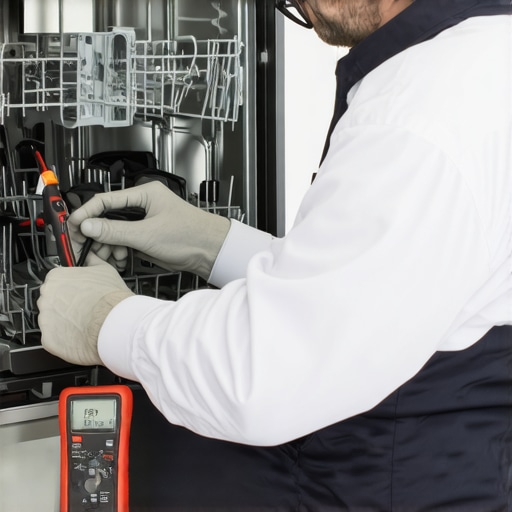
Image prompt: A person using a digital multimeter and laser thermometer to diagnose a dishwasher, showcasing precision tools essential for modern appliance maintenance.
Alt text: Technician testing dishwasher’s components with multimeter and laser thermometer for effective diagnostics.
Title: Modern tools for appliance diagnostics—multimeter and laser thermometer in use.
,
Uncovering the Hidden Wisdom in Small Fixes
The most eye-opening lesson I learned was that not all repairs require big parts or professional tools. Often, a tiny plastic clip or a simple diagnostic test can save you hundreds and stop frustration in its tracks. I realized that trusting my own observation and patience can outperform rushing to replace entire components. This mindset shift empowered me to approach appliance repairs with confidence and curiosity, turning a daunting task into a rewarding problem-solving adventure.
Additionally, I discovered that understanding your dishwasher’s design intricacies—like how a rack clip interacts with the track—can give you clues to prevent future issues. It’s no longer about just fixing what’s broken but learning how these small parts keep the whole system running smoothly. This perspective encourages a proactive approach to maintenance and saves money over time.
Another lesson I wish I’d embraced earlier is the value of thorough diagnostics before jumping into repairs. Using tools like a multimeter or laser thermometer not only saves money but deepens your understanding of the appliance’s behavior. It’s like having a conversation with your machine, interpreting its signals, rather than guessing blindly. This skill transforms DIY repair from a shot in the dark to a precise science, boosting your confidence and your home’s efficiency.
Tools and Resources That Changed My Repair Game
The tools that made my DIY journey successful include the Fluke 117 multimeter, trusted for its accuracy in checking continuity and resistance, and the ThermoPro TP20 laser thermometer, invaluable for verifying wash temperatures and detecting hot spots. I also rely heavily on online guides and forums—places where seasoned repair enthusiasts share real-world insights and troubleshooting techniques. These resources have been my best allies in identifying issues early and avoiding unnecessary parts replacements.
For detailed diagnostics and step-by-step tutorials, this guide on using a laser thermometer helped me understand how temperature irregularities point to specific malfunctions. Another favorite is the comprehensive repair videos from trusted professionals, which demystify complex procedures into manageable steps. Having a curated toolkit of devices and trusted knowledge sources transforms DIY repair from guesswork into a precise craft.
Just Start—Your Appliance Will Thank You
Embarking on your own dishwasher repairs might seem intimidating at first, but with the right mindset and tools, you’ll find it incredibly rewarding. Remember, most issues stem from small, manageable parts that you can learn to diagnose and fix. Every successful repair boosts your confidence and reduces reliance on costly professional visits. So, why wait? Dive into your DIY repair journey today, and enjoy the satisfaction of mastering your appliances. Your dishwasher—and your wallet—will thank you for it.