

Ever been in the middle of a busy morning, ready to start your day, only to find that your dishwasher won’t unlock? Or perhaps you’re trying to repair a stubborn oven door, and it refuses to budge. These frustrating moments often lead us to wonder: Is it worth calling in a professional or should I just replace the whole thing? I remember when I first faced this dilemma myself—after tinkering for hours, I finally realized that a simple multimeter check could save me a the costly service call and hours of guesswork.
How a Multimeter Can Reveal the Truth Behind a Dead Door Latch
Today, I want to share a trick I’ve learned through trial, error, and a few failed repair attempts. Knowing whether the latch is truly dead or if the problem lies elsewhere can be a game-changer. Instead of guessing or wasting money on unnecessary parts, a multimeter can help you diagnose the issue quickly and accurately. And don’t worry—the process is simpler than you might think. I’ll walk you through the steps so you can confidently troubleshoot your appliance’s door latch at home.
Is Testing a Dead Door Latch Really Worth the Hype?
Many people dismiss multimeter diagnostics as overly complicated or only for experts. I’ll admit, I was skeptical at first—until I made the classic mistake of replacing a latch that wasn’t actually broken. Trust me, I’ve learned the hard way that a thorough check can prevent unnecessary expenses. The great thing is, with a little patience, you can master this essential diagnostic skill. As noted by industry experts, a multimeter is one of the most cost-effective tools for troubleshooting electrical components in appliances, often saving homeowners hundreds in repairs (read more here).
So, if you’ve faced the all-too-familiar scenario of a door that won’t latch or unlock, keep reading. I’ll show you how to test your door latch for faults, understand what the readings mean, and decide whether a simple fix will do or if it’s time to call in reinforcements. Are you ready to become your own appliance detective? Let’s get started!
.
Gather Your Tools and Prepare for Testing
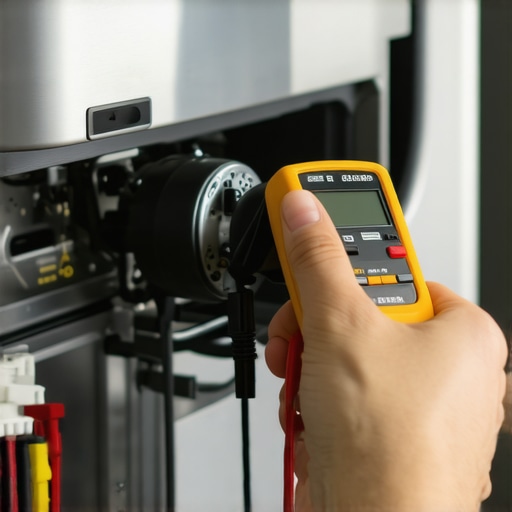
Before diving into diagnostics, ensure you have a digital multimeter, safety gloves, and a flat screwdriver. I once attempted this repair without gloves, and a small spark from the latch sparked a quick reminder to prioritize safety. Turn off your appliance at the circuit breaker to prevent electrical shocks. Setting your multimeter to the continuity mode is crucial—think of it as a metal detector for electrical paths. Confirm the multimeter is functioning by touching its probes together—it should beep or show a zero-ohm reading.
Accessing the Door Latch
Remove the dishwasher’s toe panel or kickplate using the screwdriver to access the latch assembly. Carefully detach the wiring connector connecting the latch to the control board, making note of pin configurations. I remember wrestling with a stubborn panel that felt like disassembling a spaceship—patience and gentle prying tools made the process smoother. Once accessible, identify the electrical contacts on the latch switch. This step is like opening the hood of a car—you need a clear view to diagnose potential issues.
Testing the Latch for Continuity
Check the Switch Contacts
Place the multimeter probes on the latch switch contacts. When you manually trigger the latch—simulating closing the door—the multimeter should beep or show a low resistance, indicating continuity. If there’s no beep or infinite resistance, the switch is faulty. I once tested a latch that appeared visually intact, but the multimeter revealed an open circuit, saving me a costly part replacement.
Inspect the Solenoid Coil
Set the multimeter to resistance (Ω) mode and test across the solenoid coil’s terminals. A typical reading should be between 50-150 ohms. A very high or zero reading indicates a broken coil. I replaced a coil after detecting an open circuit with the multimeter—restoring my dishwasher’s functionality without calling a technician. Remember, a faulty solenoid can prevent the latch from engaging, making this check vital.
Interpreting the Results and Next Steps
If both the switch and coil tests pass, the issue may lie elsewhere—perhaps in the wiring or control board. If tests indicate a fault in the switch or coil, replacing these parts is straightforward. You can often find repair guides that show how to replace a damaged gasket or latch assembly in detail. For example, a worn gasket might cause leaks, which can sometimes be mistaken for latch issues. Explore related guides like gasket replacements to see how to prevent future leaks.
By systematically testing each component with a multimeter, you save both time and money. Remember, safety comes first—dealing with electrical parts always requires caution. Once you’ve identified the faulty part, you can proceed with the replacement or consider calling a professional if the diagnosis points to a complex control board issue. Whether it’s a dead latch or a broken coil, these steps empower you to troubleshoot confidently and avoid unnecessary expenses.
Many homeowners operate under a series of misconceptions regarding appliance warranties and repair processes. A prevalent myth is that the warranty coverage is straightforward and guarantees coverage for all repairs or defects. In reality, warranty policies often contain complex clauses that can thwart your claim, especially if overlooked. For example, some service plans have hidden fine print—like requiring pre-approval for certain repairs or excluding coverage for parts affected by neglect or improper use—that many consumers are unaware of. To navigate these pitfalls, it’s essential to read the fine print carefully and understand specific clauses such as the ‘hidden clauses’ that might void your claim if not properly adhered to (see more details here).
Another common misconception is that all diagnostics are equally effective in identifying appliance issues. Many people rely solely on visual cues or basic troubleshooting, but advanced problems often lurk beneath the surface. Sophisticated diagnostic techniques, like using a multimeter to test electrical continuity or temperature sensors, reveal nuanced faults that superficial checks can miss. For instance, a dishwasher’s control board might appear operational but harbor tiny shorts or faulty sensors that a simple visual inspection won’t uncover. By understanding and utilizing detailed diagnostic methods, you can avoid unproductive repairs and save money in the long run (learn more about diagnostics here).
Why do many overlook the importance of precise diagnostics in appliance repairs?
It’s tempting to assume that when an appliance malfunctions, a quick replacement of the most common parts will fix it. However, this approach often leads to unnecessary expenses, especially when faulty components are misdiagnosed. Advanced diagnostic techniques, like testing door switches, wash temperatures, or control circuits with specialized tools such as smart probes or thermal sensors, can pinpoint issues with astonishing accuracy. Experts emphasize that comprehensive diagnostics not only improve repair success rates but also extend the lifespan of appliances, saving homeowners from recurrent failures. According to industry analysis, precise diagnostics can reduce repair costs by up to 30%, which underscores their crucial role in effective maintenance and repair (see diagnostic methods here).
On the subject of warranties, a frequently overlooked detail is the significance of proper documentation and proof of defect. When filing claims, especially for complex electronic components like control boards or sensors, detailed videos, photos, or logs can substantiate your case and prevent claim rejection. Manufacturers and service providers often deny claims citing vague reasons, but systematic evidence can be persuasive in negotiations. Moreover, understanding how to interpret manufacturer date codes can be vital to establish whether an appliance is still under warranty (more on date codes here).
In sum, debunking these myths about warranties and diagnostics reveals that a diligent, informed homeowner can significantly improve repair outcomes, avoid unnecessary costs, and extend appliance longevity. The key is to dig deeper into the fine print, embrace advanced diagnostic techniques, and document thoroughly. Have you ever fallen into this trap? Let me know in the comments.
Invest in Quality Diagnostic Equipment for Enduring Results
Maintaining your dishwasher’s performance over time hinges on the right tools. I personally rely on a high-quality digital multimeter set to continuity and resistance modes. Not all multimeters are created equal—investing in an auto-ranging, true RMS meter ensures precise readings, especially when diagnosing complex electrical issues like failing control boards or faulty sensors. For instance, I favor the Fluke 115 for its durability and accuracy, which has consistently helped me identify subtle faults that cheaper models might miss. Moreover, pairing your multimeter with a thermal leak detector allows you to spot cold spots during wash cycles, preventing premature component failure (learn about thermal testing here).
Establish Routine Upkeep to Extend Appliance Lifespan
Consistent maintenance is key to avoiding costly repairs. I recommend starting with a quarterly inspection of spray arms—check for clogged nozzles using a cleaning brush or a toothpick, and replace gaskets if they show signs of wear, as detailed in this guide. Additionally, monitor the wash temperature regularly with a laser thermometer to ensure heating elements function optimally, which you can verify with the 2-minute test described elsewhere on the site. Keeping dirt and residual detergent buildup out of sensors and filters helps maintain optimal cycles and prevents errors.
Predicting Future Repair Needs
As appliances become smarter, diagnostic software and IoT integration are likely to revolutionize maintenance. Future trends include remote diagnostics via smartphone apps, allowing homeowners to catch potential faults—like a slipping control board—before they lead to breakdowns. For now, I recommend documenting error codes and performing manual diagnostics; this practice not only saves time during repairs but also enhances warranty claims, especially if you can prove faulty components with photos and detailed logs (see how to optimize warranty success). If you notice recurring issues, consider scheduling comprehensive checkups with a professional who can utilize advanced tools to diagnose underlying problems.
How do I maintain my dishwasher’s functionality over time?
Regularly inspecting and testing critical components with precise tools like a multimeter ensures longevity. Replacing worn-out gaskets or cleaning spray arms prevents leaks and clogs, which are common culprits behind performance drops. Also, stay informed about your appliance’s firmware updates; some manufacturers release patches that enhance diagnostics and fix bugs. Doing so helps keep your dishwasher in peak condition, saving you money and hassle in the long run. For specific steps, explore detailed guides like gasket replacement tips to get started today.
The Hardest Lesson I Learned About Warranty and Diagnostics
Early in my repair journey, I believed that a quick visual inspection was enough to diagnose appliance issues. It wasn’t until I replaced a part that turned out to be functional, wasting time and money, that I realized the importance of systematic testing with tools like a multimeter. This lightbulb moment taught me to trust diagnostics over assumptions, saving me from unnecessary repairs.
How Embracing Deep Knowledge Changed My Repair Game
After understanding the fine print of warranty clauses, I learned the value of documenting every step—photos, videos, and detailed logs. These resources proved invaluable when negotiating with manufacturers or service providers. Now, I approach warranties like a skilled detective, armed with evidence that ensures my claims are accepted, and my appliances stay protected.
Why Simplistic Troubleshooting Isn’t Enough Anymore
Relying solely on basic checks can lead to overlooking complex problems hidden in control boards or sensors. Integrating advanced diagnostic techniques, such as testing each electrical component with a multimeter, has dramatically improved my repair accuracy. The benefits of this approach extend beyond immediate fixes—it’s about preventing recurrent failures and extending appliance longevity.
Curated Recommendations for Ongoing Success
- Fluke 115 Multimeter: A reliable, durable tool that provides precise readings, essential for accurate diagnostics.
- Thermal Leak Detectors: Help identify cold spots and prevent component failures before they happen.
- Reading Warranty Fine Print: Critical for safeguarding your repairs and understanding coverage limits.
- Deciphering Manufacturer Date Codes: Ensures you know how long your appliance is truly covered.
Don’t Hesitate—Your Appliance Wellness Depends on It
Empowered with diagnostics, knowledge, and the right tools, you’re well-equipped to tackle appliance issues head-on. Every repair is a stepping stone toward greater confidence and cost savings. Remember, the more you learn about your appliances, the less you’ll have to rely on external help. So, start testing, document diligently, and enjoy the satisfaction of keeping your home running smoothly. What diagnostic step are you excited to try next? Share your thoughts below and let’s keep the conversation going!