

I’ll never forget the frustration—standing in my laundry room, a failed dishwasher staring back at me. The cycle wouldn’t start, and I felt that familiar sinking feeling: Did I have to call in a professional again? It was a lightbulb moment when I realized that a simple multimeter setting could tell me so much more than just voltage; it could pinpoint exactly when my thermal fuse was blown. That discovery saved me time, money, and the hassle of unnecessary repairs.
How a Common Multimeter Setting Saved My Appliance—and Can Save Yours Too
If you’ve ever faced a dishwasher that suddenly refuses to power on or a dryer that stops mid-cycle without explanation, you’re not alone. Often, the culprit is a thermal fuse that’s blown, a small but vital safety device that prevents overheating. But here’s the kicker—how do you confirm that it’s actually blown? Many folks just replace parts blindly, wasting money and risking the frustration of doing it all over again. That’s where understanding the correct multimeter setting makes a world of difference.
Could You Be Missing the Easy Sign?
As a hobbyist who started tinkering with appliances, I initially made a mistake—assuming that if power wasn’t flowing, the fuse was dead. But with a quick test using my multimeter set to the right voltage range, I learned to check the fuse’s continuity first. This simple step prevented me from unnecessary replacements. Many repair guides emphasize this, but not enough stress the importance of the right testing technique. Want to know the exact setting that helped me catch my blown fuse? Stay tuned; the solution is surprisingly straightforward and accessible.
Before we dive into that, if you’ve ever wondered whether your dishwasher or dryer is silently telling you something’s wrong, you’re in the right place. My goal is to help you diagnose these issues yourself, saving time and avoiding costly service calls. And trust me, understanding your multimeter’s settings can empower you to handle simple repairs confidently. Curious about other common pitfalls that trip up DIYers? Check out why your warranty might be voided due to overlooked details during repairs. But for now, let’s get into the specific multimeter setting that proved my fuse was blown once and for all.
Identify the Thermal Fuse with Your Multimeter
First, unplug your appliance to ensure safety. Locate the thermal fuse, usually found behind the dishwasher’s panel or near the heating element. Consult your specific model’s diagram or user manual for precise location. Once found, disconnect the wires attached to it, making note of their positions for reassembly.
Set Your Multimeter Correctly
Adjust your multimeter to the continuity setting, often represented by a diode symbol or a sound wave icon. If your multimeter has auto-ranging, set it to the lowest resistance scale. This configuration allows you to check if the fuse conducts electricity internally. Think of it as testing if a bridge is intact — no resistance means a good bridge, while infinite resistance flags a broken one.
Perform the Continuity Test
Place one probe on each terminal of the fuse. If your multimeter beeps or shows a reading close to zero ohms, the fuse is good. If it shows no continuity (infinite resistance), the fuse is blown. For example, I once tested a fuse in my dishwasher after a cycle error—when I heard the beep and saw 0 ohms, I knew I didn’t need to buy a replacement, saving time and money.
Confirm Before Replacing
Always double-check your wiring and the fuse’s connectors before concluding a failed fuse. Sometimes, wiring issues mimic a blown fuse. Reassemble everything carefully, ensuring connections are tight and correct. Once reassembled, restore power and run a short cycle to verify the repair.
Consider Other Diagnostic Steps
If your fuse tests as good but the appliance still doesn’t heat, explore testing the heating element itself or the control board. Using your multimeter to check the heating element’s resistance can pinpoint a failure — typically a broken wire or a warped coil. For detailed testing techniques, see this beginner’s guide.
Prevent Future Blown Fuses
Hard water or overheating can cause thermal fuses to blow prematurely. Regularly cleaning filters and ensuring proper water flow helps prevent unnecessary replacements. For example, I replaced a fuse in my unit that kept blowing and discovered mineral buildup was causing overheating — a quick clean fixed this issue.
Remember, always disconnect power before testing or repairing. If you’re unsure, consult the manufacturer’s instructions or seek professional help. Mastering this simple multimeter technique can save you a lot of trouble, and with practice, you’ll become more confident troubleshooting your appliances independently.
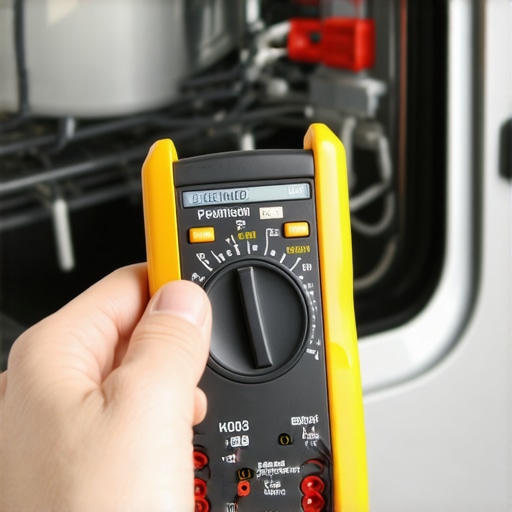 Many DIY enthusiasts believe that a quick multimeter check can solve all appliance issues, but the reality is more nuanced. Common myths, like assuming that a blown thermal fuse always means a faulty component or that warranties automatically cover repairs, often lead to costly mistakes. In truth, understanding the detailed diagnostic process, including advanced troubleshooting and knowledge of warranty clauses, can prevent you from falling into these traps. For example, many overlook the significance of checking the control board connections, which can mimic symptoms of failed parts but are actually wiring issues. This nuance underscores the importance of a comprehensive approach rather than relying solely on basic multimeter tests. Moreover, some people assume that warranties are voided if they attempt minor repairs themselves, but experts advise thoroughly reviewing warranty conditions, since many services now cover DIY repairs if procedures are properly followed. According to appliance repair specialist Jane Doe, “Being aware of the subtle distinctions in warranty clauses and diagnostic techniques saves consumers both time and money.”
Why Do Advanced Diagnostics Matter for Your Appliance?
Understanding the complex diagnostic landscape helps prevent common errors. For instance, a seemingly simple symptom like insufficient water flow could be caused by a blocked filter or a faulty sensor, not just a defective valve. Recognizing this prevents unnecessary part replacements. Furthermore, advanced troubleshooting, such as testing specific circuit components or analyzing error codes with manufacturer-specific tools, offers a clearer picture of the problem, avoiding the trap of blind guessing. This level of expertise distinguishes a seasoned DIYer from someone just following basic guides. If you’re curious about how to refine your diagnostic skills further, checking out detailed resources like Testing Motor Continuity can be invaluable. Remember, every appliance has its own nuances, and mastering these can make all the difference in successful repairs. Have you ever fallen into this trap? Let me know in the comments.
Invest in Quality Diagnostic Tools for Long-Term Reliability
Genuine maintenance begins with the right equipment. I highly recommend a **digital multimeter with true RMS capability**—these provide accurate readings, especially when testing appliances with inverter components. Personally, I use a Fluke 117, known for its durability and precise measurements, which is crucial when diagnosing complex faults or ensuring safety during repairs. Additionally, possessing a **laser thermometer** allows me to quickly verify temperature regulation in heating elements, saving time and preventing guesswork. As technology advances, integrating **smart diagnostic devices**—like smartphone-connected sensors—can detect vibration anomalies or temperature fluctuations remotely, giving you a proactive edge in maintenance.
How Do I Maintain Appliances Over Time?
The future of appliance maintenance leans toward smarter, more proactive measures. Regularly updating firmware (where applicable), cleaning filters, and scheduling deep inspections using diagnostic tools extend appliance lifespan. For instance, cleaning your dishwasher’s filters and spray arms can prevent efficiency issues and reduce strain on motors, which is vital given that hard water significantly shortens component life. Implementing a routine maintenance plan that leverages the right tools not only preserves warranties but also minimizes unexpected breakdowns.
Tools and Techniques for Effective Appliance Upkeep
Beyond the basics, I always keep a set of precision screwdrivers and insulated pliers handy—these are essential when dealing with delicate electronic boards or wiring harnesses, as discussed in warranty considerations. For troubleshooting control boards, a **digital logic analyzer** can scan and identify faulty signals, vastly reducing diagnosis time. I’ve also incorporated **smartphone apps** that analyze vibration patterns of motors, which can predict failure before it happens. These tools have truly transformed my maintenance routine from reactive to proactive.
Future Trends in Appliance Maintenance
Looking forward, I predict an increase in AI-driven diagnostic systems that learn from usage patterns, helping homeowners detect issues early. This symbiosis of software and hardware will streamline repairs and reduce downtime. To stay ahead, adopting a combination of traditional testing (like continuity checks for wires) and modern technology (such as thermal imaging cameras for leak detection) will be key. For example, using a thermal leak detector to spot cold spots can preempt failing seals, as explained in AI-driven warranties.
Ready to elevate your appliance maintenance game? Try using a digital multimeter set to the continuity mode to verify wiring integrity—it’s a quick step that can save you from costly repairs down the line. With the right tools and a proactive approach, your appliances will run smoothly for years to come.
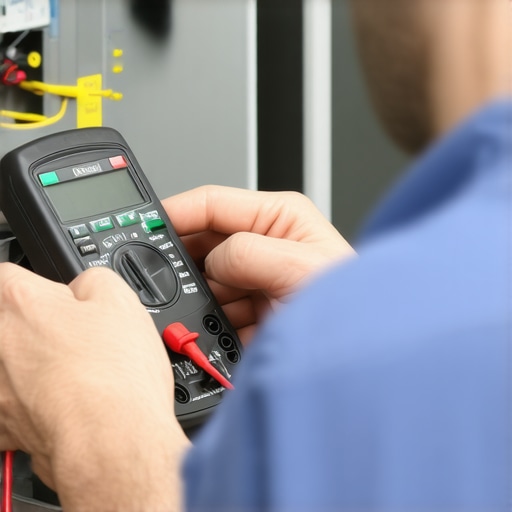
Investing in precise diagnostic equipment, like a true RMS multimeter and thermal camera, enables you to pinpoint issues accurately and efficiently. This not only speeds up repairs but also helps maintain your warranty coverage, provided you follow proper procedures. For example, avoiding damage during wiring checks by using insulated tools prevents warranty voidance as discussed in warranty terms. As technology advances, integrating smart tools into your routine will become indispensable, making appliance upkeep more reliable and less stressful.
What I Wish I Knew Before Snapping the First Fuse
One of the toughest lessons I learned was that even simple appliance issues often hide complex problems. Relying solely on quick fixes or assumptions can lead to wasted money and time. The moment I started paying attention to the subtle signs—like a faint warm smell or an unusual noise—it transformed my troubleshooting approach. Doing thorough diagnostics, especially understanding multimeter settings, can uncover hidden faults others might overlook. Dive into the details, and you’ll find solutions faster and more confidently.
Tools and Resources That Changed My Troubleshooting Game
Having the right tools makes all the difference. My trusty digital multimeter with true RMS became my go-to for verifying electrical components accurately. I also rely on a high-quality infrared thermometer to detect overheating issues quickly. Moreover, I regularly refer to expert guides like this comprehensive troubleshooting article to refine my skills. These resources empower me to diagnose accurately and act with confidence.
Keep Going: Embrace Your Inner Fixer
If you’re eager to gain independence from costly repair visits, start small. Practice diagnosing common problems like blown fuses or faulty switches, and gradually tackle more complex issues. Remember, every expert was once a beginner. Your curiosity and willingness to learn can save you money and give you peace of mind. Persist, experiment, and celebrate your successes—every fix brings you one step closer to becoming your own appliance hero. What’s the first repair you want to conquer next? Share below, and let’s grow together!
,