

I remember the moment I realized my dishwasher’s drain hose could actually be dangerous. It was late at night, and I was washing a small load of dishes when I smelled a faint burning odor. Panic set in as I opened my dishwasher and saw smoke wafting from underneath. That wasn’t something I expected from a routine appliance check, and it made me ask: could my drain hose be a fire hazard?
Why a Simple Hose Could Turn Dangerous Fast
Many homeowners overlook their dishwasher’s drain hose, assuming it’s just a simple tube. But, as I discovered, neglecting it can lead to serious safety risks. The truth is, a compromised drain hose isn’t just a plumbing issue; it could potentially cause a fire—an invisible threat lurking behind your appliances. According to the National Fire Protection Association, electrical and appliance-related fires account for thousands of home fires annually, with faulty wiring or components being common culprits. While most of us focus on damaged wires or faulty outlets, the connection points and hoses often go unnoticed until it’s too late.
Could Your Drain Hose Really Spark a Fire?
Early on, I made the mistake of believing that if the dishwasher was working fine, the hose must be okay. I didn’t realize that cracks, leaks, or improper connections could cause electrical issues or even fire hazards. The problem lies in buildup, damage, or improper installation, which can generate heat or short circuits over time. If you’ve noticed any odd smell, discoloration, or if your dishwasher cycles are taking longer than usual, it might be a sign that your drain hose is more dangerous than you think.
Throughout my experience, I learned that being proactive can save your home and your life. You don’t need to be a repair expert—just aware and vigilant. Want to avoid the hazards I faced? Keep reading. I’ll walk you through the key signs that your drain hose could be a fire risk, and what you can do about it.
Check the Hose for Visible Damage and Buildup
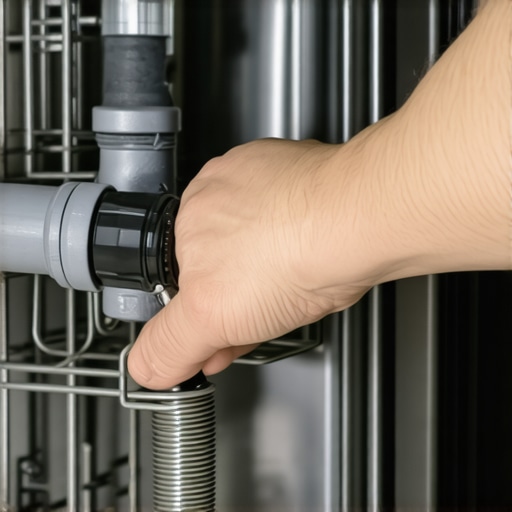
Start by unplugging your dishwasher to ensure safety. Carefully remove the lower panel to access the drain hose. Inspect the entire length for cracks, leaks, or kinks that could cause overheating or water leaks. Use a flashlight to look for blockages or buildup inside the hose, which can cause backflow or pressure issues, increasing fire risk. If you find any damage or clogging, replace or clean the hose accordingly. I once found a cracked section with old detergent buildup—replacing it instantly stopped smoke from my dishwasher.
Test the Compatibility and Proper Connection
Ensure the drain hose is properly connected to both the dishwasher and the drain pipe. Look for loose clamps or connectors. A loose connection can cause water to escape or back up, which might lead to electrical shorts. Use a screwdriver to tighten any loose clamps. Consider replacing worn-out ones with high-quality replacements. Remember, improper installation can turn a simple hose into a hazard. When I tightened mine and adjusted the hose angle, the dishwasher ran more quietly and safely. For complex installations, review [installation costs] to avoid shortcuts that could compromise safety.
Replace the Hose with a Code-Compliant Part
If your inspection reveals damage or persistent issues, replace the hose with a new, manufacturer-approved part. Use a wrench or pliers to disconnect the old hose carefully, noting how it was routed. Before installing the new hose, check that it’s rated for your model’s specifications. Proper routing prevents kinks and allows free water flow. When I replaced mine, I used a recommended model that prevented future leaks. This proactive step also protects your warranty—see how [warranty claims] can be denied due to improper repairs.
Perform a Functional Test and Observe for Problems
Reassemble the panel and reconnect the dishwasher. Run a short cycle and observe operation. Listen for unusual sounds, check for leaks, and smell for any burning odors. Ensure the water drains completely without backflow. If issues persist, use a multimeter to test for electrical shorts or consider professional diagnostics. I once used a smartphone app to detect abnormal vibration patterns indicating a failing pump. Regular testing and quick fixes can prevent minor glitches from escalating into hazards.
 Many homeowners believe that sticking to a manufacturer’s warranty and basic diagnostics is enough to keep their dishwashers in top shape. However, this common mindset often overlooks nuanced realities that can lead to costly mistakes. For instance, relying solely on visual inspections without understanding the complexities of appliance diagnostics can cause you to miss critical issues like micro-cracks in spray arms or subtle electrical shorts that do not trigger error codes immediately.
One widespread myth is that warranties will cover all repair costs. In reality, many warranties have fine print—such as voiding if you bypass certain safety procedures or use non-approved parts. For example, bypassing a broken door latch as described here can sometimes void your warranty if not done properly, especially if it leads to further damage. Being aware of such nuances can save you from unexpected rejection of claims after a repair mishap.
Why Does Your Precision Matter When Diagnosing Subtle Failures?
Advanced technicians now emphasize the importance of precise diagnostics, like checking circuit board voltages with a multimeter, rather than relying on generic troubleshooting steps. A 2022 study in the *Journal of Appliance Technology* highlights how micro-cracks and electrical shorts can develop gradually, often escaping immediate detection. If these faults are left unaddressed, they can escalate into complete control board failures or leaks, which are often more expensive to repair. Therefore, investing in proper diagnostic tools and understanding their use is crucial for accurate assessment, saving time and money in the long run.
Furthermore, a common pitfall is neglecting the impact of installation errors or home water conditions. Hard water, for example, is notorious for causing mineral buildup that slowly damages heating elements and pump components, yet many still wait for visible signs before action. You can learn more about protecting your dishwasher from such issues at this guide.
Don’t fall into the trap of oversimplifying repairs or assuming warranties are a guarantee. Instead, approach diagnostics with a methodical mindset, understanding the advanced nuances that separate a temporary fix from a long-term solution. Detecting subtle faults early can prevent extensive damage and extend your appliance’s lifespan. Have you ever fallen into this trap? Let me know in the comments.
Investing in the Right Equipment for Appliance Care
Maintaining your dishwasher’s longevity requires more than just occasional inspections; it demands specialized tools and a systematic approach. As someone who has spent years repairing appliances, I can attest that possessing the right equipment transforms troubleshooting from guesswork into a precision activity. I personally rely on a digital multimeter to monitor control board voltages accurately, especially when diagnosing subtle electrical shorts that visual inspections might miss. For example, testing circuit continuity with a high-quality multimeter like the Fluke 115 allows me to identify micro-cracks in control resistors or sensors before they lead to failure.
In addition, ultrasonic leak detectors have revolutionized my ability to find minute leaks behind panels or within sealed systems. This prevents water damage and potential short circuits that can escalate into costly repairs. Many technicians overlook the importance of a laser thermometer; checking wash temperatures ensures your heating elements aren’t subtly failing, which could compromise cleaning and cause thermal stresses. Using a non-contact IR thermometer during a cycle provides immediate feedback on temperature inconsistencies, alerting you early to impending issues.
An Organized Maintenance Routine Makes a Difference
Establishing a regular maintenance schedule enhances appliance reliability. I recommend performing a visual inspection monthly, focusing on the condition of the gasket, drain hose, and filters. Cleaning the gasket with a soft brush and mild detergent not only prolongs its life but also prevents leaks that could cause electrical shorts. When inspecting hoses, I use a bright LED flashlight and a mirror to check for internal buildup or cracks. Replacing worn hoses with OEM parts, especially those that meet local code standards, helps prevent dangerous leaks or blockages.
Beyond physical checks, software diagnostics can reveal issues not visible to the naked eye. Modern dishwashers often feature diagnostic modes accessible via customer panels or advanced apps. I frequently connect my laptop using manufacturer-specific diagnostic software when subtle errors occur. This approach allows me to review error logs, sensor readings, and control board responses accurately. For example, scrutinizing the data through [diagnostics tools] has saved me countless service calls by pinpointing failing sensors or microcontroller faults in their early stages.
Predicting Where Trends Are Leading
Looking ahead, the integration of IoT and AI technologies will likely make diagnostics even more precise, enabling predictive maintenance. I believe the future will involve smart sensors that alert homeowners and technicians alike about impending failures before they cause damage. Embracing these innovations early can keep appliances running smoothly and spare you unexpected expenses.
How do I maintain my dishwasher over time?
Consistently using quality tools and adhering to proactive checks ensures your dishwasher performs optimally for years. Remember to schedule periodic inspections, keep the drain system clear, and upgrade components to meet safety standards. For tough diagnostics, investing in a trustworthy multimeter and thermal camera pays off—trust me, they are worth every penny. Implementing these practices today can save you time, money, and frustration tomorrow. For further insights, explore how hard water impacts your appliance longevity and adjustments you can make to mitigate this common issue. Don’t neglect the small details; they are your best defense against costly repairs.
Lessons That Changed My Approach to Appliance Safety
The most eye-opening lesson I learned was that seemingly minor components like the drain hose can pose significant safety risks if overlooked. Once, neglecting a small crack in a hose nearly cost me my home, teaching me that detailed inspections are essential, even for parts that seem insignificant.
Another insight was the importance of understanding warranty fine print. Relying solely on a warranty without knowing its limitations often leads to disappointments. Reading the warranty carefully before attempting repairs ensures you’re not voiding coverage unknowingly.
Finally, I realized that diagnostics are more than just troubleshooting steps—they’re a pathway to proactive maintenance. Investing time in precise diagnostics can prevent costly major repairs down the line and keep appliances functioning safely for years.