

Ever been in a panic because your dishwasher started leaking right in the middle of a busy week? I remember the first time I faced that sinking feeling—water pooling on the kitchen floor, and a thought flashing through my mind: “This is going to cost a fortune.” It turned out, I was on the brink of a costly repair, but a simple, inexpensive fix changed everything. That was my lightbulb moment: realizing that a tiny part, just a few dollars’ worth of gasket material, could make a massive difference—saving me hundreds of dollars and hours of hassle.
Let me tell you, these small but mighty parts are often the unsung heroes of appliance maintenance. When a gasket fails, it’s like opening a floodgate, quite literally. But here’s the good news: many of these leaks are preventable and fixable with a quick swap, often costing less than the price of a fancy coffee. Today, I want to share how a $10 gasket swap can save you a trip to the repair shop and a hefty bill—an approach I’ve personally used multiple times with success.
Why a simple gasket change can keep your dishwasher humming smoothly
If your dishwasher is acting up—leaking, not draining properly, or just sounding off—it might be time to check those tiny seals. Gasket failure is surprisingly common and often the root of many water-related issues. During early trials, I made the mistake of ignoring minor leaks, thinking it was just dirt or a clogged filter. Turns out, neglecting even a small gasket can escalate the problem—and, more importantly, your repair costs.
Most homeowners don’t realize that gasket replacements are straightforward and affordable when you know where to look. In fact, a study from appliance repair experts confirms that many water leaks originate from worn or damaged seals rather than complex control failures. Recognizing this early can mean the difference between a quick fix and a major overhaul.
Are you tired of spending hundreds on repairs that could have been avoided? Have you faced recurring leaks or water on the floor despite your best efforts? Trust me—I’ve been there. That’s why I want to show you how a simple gasket swap can be a game-changer, saving you money and giving you peace of mind. So, let’s dive into how to identify this tiny culprit and replace it yourself before it spirals into something bigger.
Is a gasket fix really worth the effort?
Early on, I made the mistake of dismissing minor leaks as insignificant. I thought a little water here or there was just normal wear and tear. But ignoring that small drip eventually led to a costly repair bill—more than ten times the price of a simple gasket! It’s a common mistake many homeowners make, but one that can be easily avoided with the right knowledge. Remember, prevention is always cheaper than cure, especially when it comes to appliances. Want to learn how to spot these issues early? Check out this guide on appliance symptoms to get a head start on diagnosing potential problems.
Inspect the Gasket for Wear or Damage
Start by locating the gasket—usually a rubber or silicone seal around the dishwasher door. Carefully open the door and examine the seal for cracks, tears, or crusted debris that could compromise the water-tight barrier. Use a flashlight to inspect hard-to-see areas.
Identify Degradation Symptoms
Look for brittleness, flattening, or gaps when the door is closed. These signs often indicate the gasket is no longer sealing properly, leading to leaks. If the gasket feels loose or has visible damage, it’s time for a replacement.
Remove the Old Gasket Properly
Push the gasket out of its track gently with your fingers or a flathead screwdriver. Be cautious not to scratch the metal or plastic edges. Use a toothbrush or small brush to remove debris embedded in the channel, ensuring a clean surface for the new gasket.
Clean the Gasket Track Thoroughly
Apply a mixture of vinegar and water to break down mineral buildup or any residue. This step aligns with common maintenance mistakes homeowners make, like neglecting to clean seals—see this guide to better gasket care.
Install the New Gasket Correctly
Lay the new gasket next to the track, aligning it properly. Insert it into the groove, starting at one corner and working your way around in a clockwise direction. Ensure the gasket sits flush without twists or folds. Avoid stretching it to prevent future leaks.
Test the Seal and Functionality
Close the door gently, pressing around the gasket to check for gaps or pinched sections. Run a quick rinse cycle without dishes to verify that the leak has stopped. Monitor for any water escaping around the door during the cycle.
Regular Maintenance to Prevent Future Leaks
Schedule periodic inspections of the gasket, especially if you notice any early signs of wear. Use a soft cloth soaked in vinegar to clean the seal surface regularly, helping preserve its flexibility and sealing ability—more on this practice at this resource.
Remember, a small gasket issue can escalate into more complex problems like water damage or the need for a full replacement. Taking these steps saves time and money while keeping your dishwasher running smoothly.
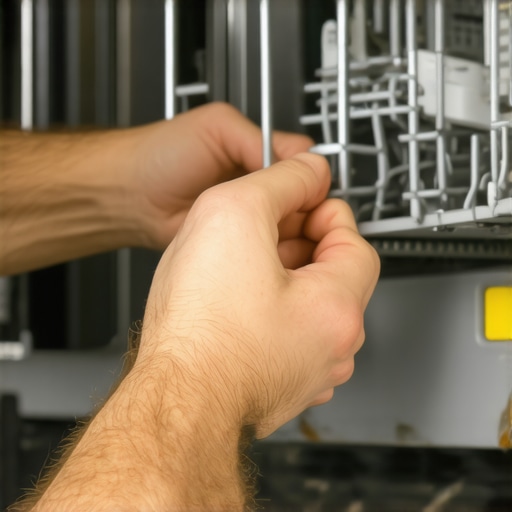 When it comes to troubleshooting appliances like dishwashers, many homeowners rely on surface-level symptoms and common myths. One widespread misconception is that if an appliance isn’t working perfectly, it must be a straightforward part failure, prompting quick replacements without proper diagnostics. In reality, the nuances of modern appliance electronics demand a more sophisticated approach, often involving deeper knowledge of control boards, sensor interplay, and software diagnostics. For example, many assume that error codes always point directly to faulty components, but studies show that control board issues often mimic sensor failures, leading to misdiagnoses. You can learn more about these subtleties in expert analyses, such as the study on control board symptoms at this resource. A common trap is overlooking the importance of voltage testing and signal verification, which can save time and prevent unnecessary part replacements. Similarly, many underestimate how maintenance oversights—like neglecting to clean seals with vinegar—can cause diagnostics to be misleading, as detailed in this article. Advanced repair isn’t just about swapping parts; it’s about interpreting complex signals and understanding how control systems communicate. Don’t be fooled by superficial fixes; invest in proper diagnostics to avoid costly errors. Have you ever fallen into this trap? Let me know in the comments.
Investing in the Right Tools for Longevity
Maintaining your appliances, especially dishwashers, requires more than just quick fixes—it’s about long-term reliability. My personal favorite is a high-quality digital multimeter. I use a reliable multimeter like the Fluke 115 because it provides precise voltage readings essential for diagnosing control board issues, such as failed relays or shorts, which often mimic other problems. Having accurate voltage readings can prevent unnecessary part replacements and save significant repair costs.
Alongside a multimeter, I swear by a set of fine-tip screwdrivers and a small flashlight. The screwdrivers make gasket replacements or sensor adjustments straightforward, while the flashlight allows me to inspect tight areas like gasket tracks or control panel interiors thoroughly. Proper inspection tools ensure you catch early signs of wear before they escalate into costly repairs.
Maintaining Your Appliance Ecosystem
Beyond individual tools, software diagnostics are becoming a game-changer. Many modern dishwashers and appliances integrate via Wi-Fi, offering detailed error reports accessible through manufacturer apps. For example, smart diagnostics help identify issues like sensor failures or communication errors promptly, allowing targeted maintenance rather than guesswork.
In my experience, periodic scans using these apps—combined with manual inspections—extend appliance lifespan significantly. Regularly checking for firmware updates and running diagnostic tests as recommended by the manufacturer ensures your digital systems stay optimized.
Learning from Data: The Future of Appliance Care
The trend toward predictive maintenance suggests that in a few years, appliances will ‘self-diagnose’ issues proactively, notifying homeowners before failures happen. Companies are investing in AI-driven analytics that process usage data to forecast parts that are likely to fail, akin to how predictive car maintenance works. Embracing these advancements now can position you ahead of costly repairs.
How do I keep my appliances working over time? Practical tips include scheduling regular inspections and cleanings, especially of seals and filters. Using vinegar periodically to clean gasket tracks prevents debris buildup that can mask early damage—more details in this article. Always test control boards and sensors with a multimeter to ensure proper functioning before more invasive repairs are necessary. And don’t forget to make use of diagnostics available via smart apps to catch issues early.
Finally, keep a maintenance log for each appliance. Documenting inspections, parts replacements, and software updates can help you identify recurring problems and plan preventive actions.
Start by trying out a voltage test with your multimeter on your control board today. It’s an advanced step that provides clear insights into whether your control system is healthy, potentially saving you from unnecessary repairs. Remember, proactive maintenance is your best tool to keep appliances running smoothly for years to come.
What Tiny Details Can Make or Break Your Repair Success
Your journey into appliance repair is full of surprises—sometimes, the smallest part can hold the key to a major fix. I learned early that overlooking minor cracks in a gasket or ignoring routine gasket cleaning can turn a simple repair into costly damage. Every time I skipped inspecting those tiny seals, I paid the price later. Now, I realize that paying close attention to these subtle details—like checking for brittleness or debris—has dramatically reduced my emergency visits and repair bills. These small lessons remind us that diligence in the little things is what crafts a reliable repair routine.
Strategies That Transformed My DIY Approach
Gentle exploration is often best—using a toothbrush dipped in vinegar for gasket cleaning or carefully testing control boards with a multimeter changed how I diagnose problems. Investing in quality tools, such as a trusted digital multimeter or a small flashlight, has turned complex diagnostics into manageable tasks. I discovered that preemptive maintenance—not waiting for leaks or error codes—allows me to spot wear early, saving time and money. These strategies, born from my own frustrations, now form the backbone of reliable appliance care that anyone can adopt.
The Power of Intuition and Continuous Learning
Repair isn’t just about fixing; it’s about understanding your appliance’s language. I found that studying symptom patterns, reading expert guides on control board troubleshooting, and familiarizing myself with error code nuances helped me become more confident. Recognizing that error codes can mimic sensor failures or control board issues taught me to dig deeper instead of jumping straight to part replacements. Trusting your intuition—like feeling when a gasket is about to fail—and committing to ongoing learning have been my most valuable lessons. This approach turns frustration into mastery and empowers you to tackle challenges head-on.
Sheet of Tools That Keep My Repairs Sharp
My essential toolkit includes a quality multimeter like the Fluke 115 for precise voltage tests, a set of fine-tip screwdrivers, and a magnifying lens for inspecting tiny cracks or debris. I also rely on apps that connect to my Wi-Fi-enabled appliances for real-time diagnostics, which provide early warnings about potential issues. These tools and resources help me catch problems before they escalate, and I trust them because of their proven track record in my repair successes. They make complex diagnostics less intimidating and more routine—an investment that continues to pay off.
Embracing the Challenge to Improve Every Day
Every repair teaches me something new—about my appliance, my tools, or my patience. The more I learn, the more confident I become in facing the next leak or error code. I encourage you to see each maintenance task as an opportunity for growth. Start small, stay consistent, and remember: you’re not just fixing an appliance; you’re building a skill set that saves money and reduces waste. Your DIY journey isn’t just about getting your dishwasher to run smoothly, but about transforming frustrations into your greatest strengths. Ready to get started? Share your experiences below—I’d love to hear how your own appliance repairs have shaped your confidence.