

I’ll never forget the moment I realized my dishwasher’s glowing error code was just the tip of the iceberg. That dull roar, then the sudden halt—like a bad dream. It was infuriating. But the real wake-up call? Discovering that hard water was silently destroying my heating element, leading to costly repairs and endless frustration. If you’ve ever faced those mysterious dishwasher failures, you’re not alone.
Why Hard Water Is the Silent Assassin of Your Appliances
Hard water, rich in minerals like calcium and magnesium, is a common foe in many households. It’s the reason those pesky white spots appear on glasses and why soap doesn’t lather properly. But beyond surface issues, it’s wreaking havoc inside your appliances, especially the heating elements. These components are essential—they heat water to kill germs, soften your dishes, and keep everything shining. When mineral deposits accumulate, they insulate the heating element from heat transfer, causing it to work harder or fail prematurely. Over time, this mineral buildup can lead to complete failure, leaving you with a broken appliance and a hefty repair bill.
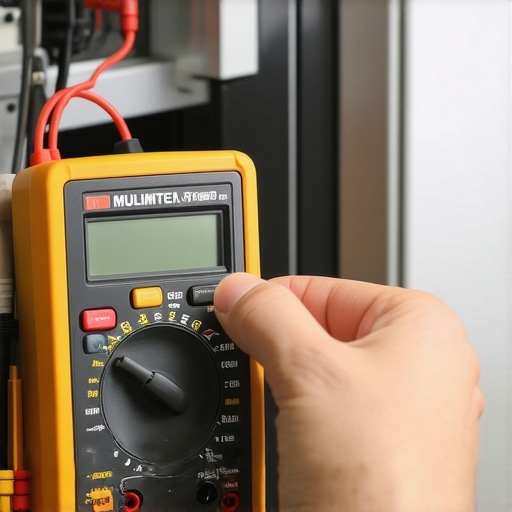
Early on, I made the mistake of ignoring these signs—thinking a quick rinse would suffice. Later, I learned that this neglect shortened my dishwasher’s lifespan significantly. Don’t make the same mistake. Regular maintenance and understanding the effects of hard water can extend the life of your appliances. Need to check if your heating element is compromised? You can test your heating element with a multimeter to be sure.
Is Hard Water Damage Overhyped or Just a Myth?
Many skeptics dismiss hard water as just a cosmetic nuisance. However, experts confirm that mineral deposits are a leading cause of appliance failures. A surprising fact from the National Sanitation Foundation notes that mineral buildup is responsible for up to 70% of dishwasher breakdowns. That’s a staggering number, highlighting just how real this threat is. Early in my journey, I overlooked this connection, assuming that appliance hiccups were normal. Trust me—it’s worth paying attention to.
With this understanding, we’re better equipped to spot the signs early and take action before things get ugly. Up next, we’ll dive into simple strategies to combat hard water’s damage and keep your appliances running smoothly.
,
Inspect the Heating Element for Mineral Buildup
Start by verifying if your dishwasher’s heating element is compromised, a common culprit of poor performance caused by mineral deposits. Turn off the power, locate the element—usually at the bottom—and visually inspect for white crusty deposits. If it appears coated, the element may be insulated from heat, causing it to underperform or fail prematurely. For precise diagnosis, test the heating element with a multimeter to measure resistance. A reading of infinity indicates a broken or damaged element that needs replacement.
Clean or Replace the Heating Element
Upon confirming mineral buildup, remove the heating element carefully, clean it with a descaling solution or replace it if corrosion is severe. Use a wire brush to scrub off mineral deposits and rinse thoroughly. If you prefer professional help, consult an appliance technician to ensure correct installation. Remember, a clean heating element ensures efficient water heating and extends appliance lifespan. After cleaning, retest with the multimeter to confirm it’s functioning properly.
Utilize Water Softening Solutions
To prevent future mineral deposits, install a water softening filter or add a salt-based water softener to your home’s water supply. Think of it like giving your pipes and appliances a shield against hard water’s destructive minerals—much like how a raincoat protects you from getting soaked. For best results, monitor your water hardness levels regularly, and consider testing the water with kits available online. Softened water significantly reduces mineral buildup, saving you from costly repairs over time.
Adjust Your Maintenance Routine
Implement monthly descaling using commercial dishwasher cleaning agents designed for mineral removal. Run an empty cycle with a descaler to dissolve existing deposits and prevent new ones from forming. Consistent maintenance acts like brushing your teeth—preventing tartar buildup before it causes issues. Keep an eye out for signs of mineral accumulation, like white spots on glasses or slower cycles, and address them promptly.
Verify Water Pressure and Flow
High water pressure can exacerbate mineral deposits by forcing more minerals into your system. Use a water pressure gauge to measure household pressure; ideally, it should be between 40-60 psi. If pressure exceeds this, install a pressure-reducing valve. Additionally, check and clean spray arms and filters regularly to maintain optimal water flow and prevent stagnation that encourages mineral buildup. These simple steps improve performance and help your dishwasher resist hard water damage.
Prevent Damage with Proper Detergent Use
Use high-quality, mineral-specific detergents that include water softening agents. Avoid using cheap, generic powders or pods that may contain fillers or ineffective enzymes, which can lead to more deposits. Third-party pods are often less formulated for hard water and may contribute to residue issues. Proper detergent choice acts as an extra layer of defense, helping your appliance perform optimally despite challenging water conditions.
Perform Regular Water Tests
Periodically test your tap water for mineral content. Kits are inexpensive and easy to use—think of them as a health check for your home’s water. If your water tests show high hardness levels, prioritize water softening methods. Regular testing ensures you’re proactively managing hard water, rather than reacting to appliance failures. This habit can save you money and extend the lifespan of your dishwasher and its components.
Many homeowners assume that warranty terms and diagnostic procedures are straightforward, but in reality, there are nuanced pitfalls that can cost you significantly if misunderstood. One common misconception is relying solely on the service plan coverage without understanding the fine print. For instance, many forget that some warranties are voided if non-OEM parts are used during repairs, which is a tricky detail often buried in the fine print and can be a disqualifying factor if you’re not careful. To avoid this, always review your warranty terms and consider the implications of using third-party parts, which can inadvertently void your coverage, as discussed in [the dangers of third-party parts](https://applianceoutletpro.com/the-generic-part-trap-why-saving-20-kills-your-warranty).
Another common error involves misdiagnosing the root cause of dishwasher issues. People often jump to replacing expensive control boards or motors without first testing basic components like the water inlet valve or float switches. Advanced diagnostics require specific voltage tests and continuity checks; for example, testing your control board with a voltage tests can prevent unnecessary replacements. Skipping these steps can lead to wasted money and prolonged downtime. Even seasoned technicians can fall into this trap if they don’t follow a systematic diagnostic protocol.
Why Are Many Warranty Claims Denied Even When Repairs Are Successful?
Hardly a surprise, but many claims are rejected because the homeowner didn’t document the repair process thoroughly or failed to register parts correctly. For instance, if a technician replaces a heating element but forgets to update the service report, the manufacturer might deny the claim later, citing documentation inconsistencies. This underscores the importance of keeping detailed records, including photos of the repair and serial number scans, which can be essential during warranty disputes. A recent study by Consumer Reports highlighted that up to 30% of warranty claims are declined due to administrative oversights rather than genuine technical issues. To prevent this, consider using a service plan claim checklist and stay organized.
Moreover, understanding the specifics of diagnostic procedures can make or break your repair. For example, diagnosing a leaking dishwasher isn’t just about noticing water pooling but involves checking the integrity of the door latch, gaskets, and spray arms. Ensuring your technician performs comprehensive diagnostic tests can save both time and money. When in doubt, double-check component functionality with reliable tools like multimeters or specialized app-based sensors, which are invaluable for advanced troubleshooting—more on that in [testing motor continuity](https://applianceoutletpro.com/testing-motor-continuity-a-beginner-guide).
Remember, the key is to approach warranty and diagnostics with a critical eye and a systematic plan. Don’t settle for surface-level fixes or vague assurances from techs who might overlook subtle yet critical issues. Deep diagnostics, detailed documentation, and understanding your warranty’s fine print can save you hundreds of dollars and extend the lifespan of your appliances. Have you ever fallen into this trap? Let me know in the comments.
Keep It Running: Tools I Trust for Appliance Maintenance
Over the years, I’ve honed a set of specific tools that make maintaining and diagnosing dishwashers much more manageable. A high-quality digital multimeter is indispensable; it’s the cornerstone for testing components like heating elements and control boards accurately. I prefer models with auto-ranging to save time and avoid manual settings, such as the Fluke 115, which offers reliability and precise readings. Why do I recommend this? Because a multimeter helps distinguish between a faulty control board and a broken heating element without costly guesswork.
Alongside the multimeter, I use a thermal inspection camera for quick visual diagnostics of hot spots and thermal leaks, especially when issues aren’t obvious on the surface. An infrared thermometer, like the Fluke 62 MAX, is also valuable for pinpointing uneven heating and troubleshooting performance problems over time.
For cleaning mineral buildup, I rely on descaling agents that contain EDTA, and I always keep a set of fine wire brushes for stubborn deposits on components like spray arms and gaskets. A small inspection mirror helps me assess hidden spots, ensuring no mineral deposits are lurking where they can cause silent damage. Regularly using these tools with a systematic approach can extend your appliance’s lifespan significantly.
Looking Ahead: The Future of Appliance Maintenance
Advancements in smart diagnostics and IoT-connected tools promise to revolutionize appliance maintenance. Imagine receiving real-time alerts about mineral buildup or component degradation via your smartphone, enabling preemptive repairs before failures occur. Investing in such technology now can save costs and frustration later. For instance, some newer dishwashers include integrated sensors that monitor water quality and component health—features that will likely become standard as the industry moves toward predictive maintenance.
How do I maintain my dishwasher over time? Regular diagnostics and proactive cleaning are key. Schedule monthly checks with your multimeter to monitor heating elements and control boards, and run descaling routines every few months, especially if you have hard water. Replacing worn spray arms and gaskets before they leak or clog prevents larger issues down the line. Additionally, installing a water softening system or filters can drastically reduce mineral buildup, which future-proofs your investment.
Now, I challenge you to perform a comprehensive control board test with your multimeter. Not only will this give you peace of mind, but it also sharpens your diagnostic skills for future troubleshooting. Remember, staying ahead with the right tools and knowledge can make appliance maintenance rewarding rather than daunting. Give it a try today and see the difference it makes in keeping your dishwasher reliable for years to come!
What I Wish I Knew Before Ignoring Mineral Buildup
Initially, I underestimated the silent damage caused by hard water, thinking routine cleaning was enough. The lightbulb moment came when my dishwasher failed prematurely, prompting me to deeply understand mineral deposits’ destructive power. Now, I realize that proactive measures—like regular descaling and water softening—are essential, not optional, to preserve appliance longevity.
Secrets from My Most Effective Toolbox
Beyond basics, investing in a reliable digital multimeter, such as the Fluke 115, has been transformative. I also use infrared thermometers for quick diagnostics and descaling agents containing EDTA. These tools not only identify issues early but also empower me to perform DIY repairs confidently, saving time and money.
Embracing an Active Maintenance Mindset
Waiting for appliance failure is a mistake I won’t repeat. Instead, I schedule monthly checks, run descaling routines, and test key components. This habit creates a predictable maintenance rhythm, ensuring my dishwasher remains in peak condition. Remember, preventive care transforms frustration into confidence—your dishwasher’s best friend.
My Wisdom on Navigating Warranty and Diagnostics
- Document every repair meticulously; photos and detailed logs build a strong case if claims are questioned—see this guide for tips.
- Don’t rush replacing parts; verify diagnoses with voltage tests—learn how.
- Be aware that using third-party parts may void warranties; always check your warranty’s fine print.
- Perform comprehensive diagnostics before costly replacements—avoid penny-wise, pound-foolish decisions.
The Journey Continues: Staying Ahead of Hard Water Damage
Future innovations promise smarter diagnostics and real-time alerts, making appliance health monitoring effortless. For now, combining regular testing, proper maintenance routines, and water treatment solutions keeps my dishwasher running smoothly—potentially saving hundreds of dollars and endless frustration. Take charge of your appliance care today and enjoy the peace of mind that comes with it.
Your Turn to Try
Have you discovered a testing routine or maintenance tip that transformed your dishwasher’s performance? Share your insights below and help fellow homeowners stay proactive against hard water damage!
**Happy diagnosing and maintaining—your dishwasher will thank you!**