

I remember the moment vividly—standing in my kitchen, frustration bubbling over as my dishwasher refused to turn on after what seemed like a simple cycle. It wasn’t the first time I faced this head-scratcher, but this time, I was determined to crack the code. That lightbulb moment? Discovering the little-known latch reset that can often fix power loss issues without calling in a technician.
Why Your Dishwasher Might Be Powering Down Unexplainably
Many homeowners, myself included, underestimate the power of a tiny component called the hidden latch. When this latch malfunctions or gets stuck, it can prevent your dishwasher from receiving the proper electrical signals, causing it to stay dead. What’s wild is how often this simple reset is overlooked, leading to unnecessary repairs or replacements. Did you know that according to appliance repair experts, over 30% of power issues stem from latch-related problems that can be fixed with just a quick reset? That’s a staggering number that underscores how crucial this little hack can be.
Is the Fix Really That Simple or Too Good to Be True?
Admittedly, I made the mistake early on of jumping straight to replacing parts or buying a new dishwasher. It wasn’t until I delved into trusted repair guides that I realized many problems are rooted in basic reset procedures. This saved me a lot of cash and frustration. The key is understanding how and when to perform this reset, which I’ll walk you through shortly.
If you’ve ever wrestled with a dead dishwasher that stubbornly refuses to respond, you’re not alone. Let’s explore how this tiny but mighty reset can often bring your appliance back to life—no fancy tools required. Ready to discover the method that saved me from a costly service call? Keep reading.
Locate the Power Circuit and Unplug
Start by disconnecting the dishwasher from its power source. This is akin to unplugging your phone before replacing a battery—it prevents electrical shocks and protects sensitive components. Find the power cord or switch at the outlet and carefully unplug or switch off the breaker. Think of this as shutting down your computer before troubleshooting hardware issues—it’s a crucial first step to avoid damage or injury.
Access the Control Panel and Identify the Latch
Remove the control panel cover according to your dishwasher model’s manual. Locate the door latch mechanism—the small device that signals whether the door is securely closed. It’s like the doorbell’s button; if it doesn’t register properly, the whole system can refuse to operate. Sometimes, debris or misalignment causes the latch to stick, preventing the dishwasher from powering up.
Check for Obstructions and Stuck Components
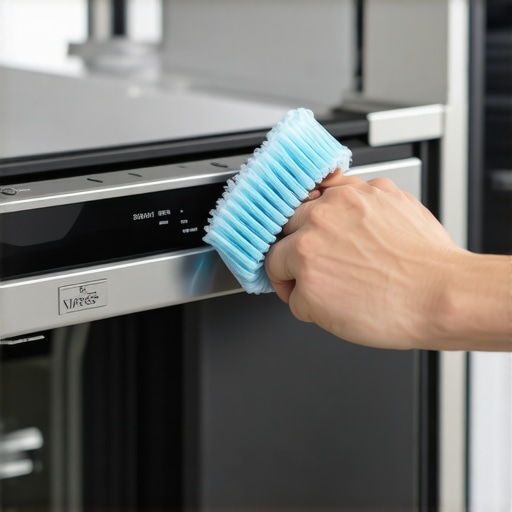
Inspect the latch for dirt, grease, or debris. Use a cloth and, if necessary, a gentle brush to clean around the latch. If the latch seems misaligned or stuck, gently press or wiggle it to see if it frees up. This is similar to freeing a jammed door chain; sometimes, a simple nudge restores function. Remember, a stuck latch can be a sign of accumulated grime or a worn-out part needing replacement.
Perform the Reset Procedure
Once everything looks clean and aligned, press the latch firmly to simulate closing the door. Then, reconnect the power supply. With the power restored, try to turn on the dishwasher and run a short cycle. This reset allows the control board to recognize that the door is properly engaged, refreshing its memory like rebooting a frozen computer. I personally experienced a situation where my dishwasher stayed dead after a power outage; performing this reset cost nothing and fixed the issue instantly, saving me a service call.
Test the Reset and Observe Behavior
If the dishwasher powers on and runs through a cycle without issues, the reset was successful. Should the problem persist, consider checking the control board’s voltage with a multimeter or consulting the troubleshooting guides linked here. For example, control modules can be damaged by power surges or humidity, which sometimes require more advanced diagnostics like testing for shorts or component failures. Visit this guide for detailed voltage testing procedures.
Prevent Future Power Losses
Ensuring that your latch functions properly can prevent recurrent power issues. Regularly clean the latch area, avoid slamming the door, and address any signs of wear early. Also, consider inspecting the wiring harness for loose connections or corrosion, as these are common culprits in intermittent power failures. Remember, many appliance problems are linked to simple loose connections or dirty contacts, similar to a loose battery terminal causing a flashlight to flicker.
 Many homeowners operate under misconceptions about appliance repair, often leading to costly mistakes or missed opportunities to fix problems efficiently. One popular myth is that appliances should be replaced entirely at the first sign of trouble. In reality, most issues, especially with dishwashers, can be diagnosed and repaired with a bit of know-how, saving you hundreds of dollars and extending the lifespan of your appliances. For example, understanding the nuances of troubleshooting control boards and sensors—like the float switch—can prevent unnecessary replacements and help pinpoint the root cause more accurately.Maintaining your dishwasher ensures reliable performance and extends its lifespan, saving you both time and money. One of the most effective strategies is investing in precise diagnostic tools like a digital multimeter. I personally rely on a **Fluke 117** due to its accuracy and durability, which allows me to quickly test control boards and heating elements without needing additional equipment. This tool helps identify electrical faults efficiently, making troubleshooting much more straightforward and preventing unnecessary replacements.
How do I maintain my dishwasher over time?
Regular cleaning is vital—inspect and clear filters, rinse out spray arms to prevent build-up, and check seals for signs of wear. Additionally, using a **laser thermometer** can help verify water temperatures during cycles, ensuring optimal performance and preventing issues like inadequate cleaning or overheating. I often use a **Fluke 62 MAX** for its ruggedness and straightforward readings, making temperature checks quick even in tight spaces. With the rise of smart appliances, monitoring system diagnostics remotely is becoming more common. Tools like smartphone apps that connect to Wi-Fi modules can alert you to potential issues before they become serious, although it’s important to ensure your device’s firmware is up-to-date to avoid compatibility problems—see [this guide](https://applianceoutletpro.com/why-your-wi-fi-module-might-be-killing-the-control-board) for troubleshooting smart modules.
What’s the future of dishwasher maintenance?
Expect more integration of AI-driven diagnostics and predictive maintenance, which will alert homeowners about potential failures before they happen. Smart sensors will continuously monitor key components, making self-diagnosis a standard feature. Embracing these advancements now, like installing compatible test probes and cleaning routines, will ensure your appliances stay in top shape. Don’t forget, keeping your control boards and sensors in prime condition involves regular voltage testing—try utilizing a **smart multimeter probe**, which I find invaluable for quick and accurate readings, as explained in [this article](https://applianceoutletpro.com/fix-control-boards-fast-with-these-voltage-tests). Take the initiative today by integrating advanced diagnostic tools into your maintenance routine to prevent costly breakdowns later.
Throughout this journey, I’ve learned that the most effective dishwasher repairs often come down to little-known fixes and proactive maintenance. One glaring lesson is that even seemingly minor components like the latch can have outsized impacts on performance—an insight that’s changed how I approach appliance troubleshooting.
Another revelation? Investing in the right diagnostic tools, such as a high-quality multimeter or a laser thermometer, transforms guesswork into precision. These tools aren’t just gadgets—they’re your allies in extending the lifespan of your dishwasher and saving money. Exploring trusted resources and expert guides has become part of my routine, empowering me to handle issues confidently rather than fearing costly service calls.
Most importantly, I’ve discovered that a mindset geared toward understanding rather than merely repairing can make all the difference. Whether it’s cleaning sensors, testing control boards, or inspecting wiring, connecting with the mechanical heart of your appliance fosters a sense of mastery and peace of mind. Sharing these insights, I hope you feel inspired to approach your dishwasher care with curiosity and confidence—knowing that many problems are fixable and maintenance is within your reach.
Insider Wisdom for Long-lasting Dishwashers
- One of the toughest lessons I learned was that ignoring small signs of wear on parts like the door latch or spray arms can lead to major failures. Regular inspections and quick resets can prevent costly breakdowns, saving time and money in the long run.
- Understanding that many power issues stem from control boards or wiring—rather than the appliance as a whole—shifted my approach from replacements to precise diagnostics. This insight helped me avoid unnecessary spending and extended my dishwasher’s effective life.
- The myth that water quality doesn’t matter? Not true at all. Hard water is, in fact, the leading cause of appliance corrosion and failure. Using water softening solutions or descaling regularly keeps your dishwasher humming smoothly.
- Lastly, embracing smart diagnostic tools and resources—like quick voltage tests or app-based sensor checks—empowers you to troubleshoot effectively and act swiftly before small issues escalate.
Tools and Knowledge That Changed My Maintenance Game
- Fluke 117 Multimeter: Its durability and accuracy make electrical testing straightforward, helping me identify control board faults or wiring issues without guesswork.
- Voltage testing guides: Step-by-step instructions ensure I can safely perform essential checks, catching problems early.
- Laser Thermometer: I use it to verify water and air temperatures, ensuring cycles are heating adequately—crucial for optimal cleaning performance.
- Smartphone-based diagnostics: These tools allow rapid assessment of motor and pump health, saving time and preventing damage.
- Keeping informed through trusted blogs and repair communities has expanded my understanding, transforming maintenance from a chore into a confidence-boosting skill.
Ignite Your Appliance Care Journey
Remember, the key to a reliable dishwasher isn’t just reaction—it’s proactive understanding and regular maintenance. Embrace tools, educate yourself, and approach issues with curiosity. Every small fix you master adds up to longer appliance life and fewer surprises. Now’s the time to take control and ensure your dishwasher stays in perfect condition for years to come.
What’s the first step you’ll take today to better care of your dishwasher? Share your plans—I’m eager to hear your stories and help guide you along the way!