

It hit me one morning when I opened my dishwasher and noticed water pooling on the floor. I double-checked everything—spray arms, filters, drain hoses—but I couldn’t find the culprit. Then, it pinged: I had been using vinegar as a cleaning shortcut. That simple habit — a teaspoon of vinegar poured into the bottom — seemed harmless, but it was silently damaging my dishwasher’s seals. I felt a wave of frustration; how could such a well-meaning trick actually cause so much trouble?
The Hidden Damage Vinegar Causes to Dishwasher Seals
Many homeowners share my mistake, thinking that vinegar is an eco-friendly, inexpensive way to keep their appliance clean. But the reality is stark—over time, vinegar can erode rubber seals, leading to leaks and costly repairs. I wish I had known earlier how destructive this habit was; early on, I noticed a slight resistance when closing the door, but I dismissed it as normal wear and tear. That was a mistake. Trust me, neglecting this issue can escalate into significant water damage and even void your warranty.
Research shows that acetic acid, the primary component of vinegar, reacts with rubber compounds in seals, gradually deteriorating them. This deterioration not only causes leaks but can also allow mold and bacteria to set in, creating further appliance problems. For a detailed explanation of how vinegar affects dishwashers, check out this article which breaks down the chemistry behind the damage.
Have you ever faced a persistent leak or wondered why your dishwasher’s seals seem to be rotting away?
In my journey of troubleshooting, I also made the mistake of ignoring early warning signs, thinking seals were just supposed to degrade over time. My own experience taught me the importance of preventive care—so today, I want to help you avoid the same pitfalls and share practical tips to protect your appliance. Let’s dive into understanding exactly how this common vinegar mistake harms your dishwasher and what you can do about it.
Ditch the Vinegar and Inspect Seals Regularly
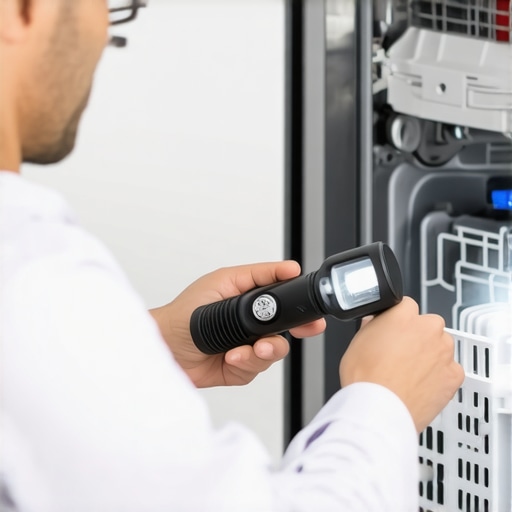
Start by halting the habit of pouring vinegar into your dishwasher. Empty it, then remove the lower spray arm by unscrewing the retaining nut. Use a flashlight to visually inspect the rubber seals around the door and the sump area. Look for cracks, stiffness, or discoloration, as these are signs of deterioration. During my own repair, I used a plastic pry tool to gently lift the seals and check for brittleness — a quick step that saved me from future leaks.
Clean the Seals Properly to Extend Their Life
Next, clean the seals with a soft cloth dampened in warm, soapy water. Avoid harsh chemicals; instead, opt for a mixture of baking soda and water for gentle abrasion. Use an old toothbrush to scrub away mineral deposits or mold. After cleaning, dry the rubber thoroughly. This proactive approach prevents buildup that accelerates deterioration and keeps your seals flexible, reducing the chance of leaks.
Replace Damaged Seals Immediately
If visual inspection reveals cracks or brittleness, it’s time to replace the seals. Remove the old seal by carefully pulling it out of its groove, then compare it to the new part to ensure compatibility. Install the new seal by pressing it firmly into the groove, making sure it seats evenly. During my repair, replacing the seal took about 15 minutes, but it prevented water leaks and costly repairs down the line.
Conduct Regular Maintenance Checks
Set a monthly reminder to inspect your dishwasher’s seals and spray arms. Use a smartphone app compatible with appliance diagnostics, such as this guide, to listen for abnormal motor sounds that could indicate seal or pump issues. Consistent checks catch problems early, avoiding unexpected breakdowns.
Avoid Harsh Cleaners and Use Proper Detergents
Prevent damage by choosing detergents recommended by the manufacturer and avoiding harsh chemicals or hand soap in the dishwasher. Read labels carefully; some eco-friendly detergents, despite good intentions, can create excessive bubbles or leave residue that harms seals. For more insights on optimal detergents, visit this article.
 Even seasoned homeowners and repair enthusiasts often harbor misconceptions about how warranties and diagnostic processes actually work. Many believe that warranties are a free pass to ignore proper maintenance or that diagnosing appliance issues is straightforward—both of which can lead to costly mistakes. To truly master appliance maintenance, it’s crucial to understand these nuanced pitfalls that can trip up even the most prepared.
A common myth is that warranty coverage is automatic and exclusive. In reality, many warranties are riddled with fine print and exclusions. For instance, neglecting routine inspections or using incompatible replacement parts can void your coverage unexpectedly. I know from experience how frustrating it is to discover that a simple mistake—like using third-party components—can nullify a claim. Always review your warranty terms carefully; for detailed tips on avoiding claim denials, check out this guide.
Another mistake is oversimplifying diagnostics to a quick visual check. Many assume that if an appliance appears to be functioning, it’s problem-free—this is far from true. Hidden issues such as micro-cracks in spray arms or subtle sensor failures often escape the naked eye, leading to incomplete repairs and recurring problems. An advanced diagnostic approach involves leveraging technology, like using your smartphone to listen for irregular motor hums—an effective way to identify subtle faults, as explained here. Recognizing these nuances can save you from repeat service calls and unnecessary expenses.
That brings us to the importance of understanding the diagnostic process itself. Many technicians focus solely on substituting parts based on guesswork, rather than adopting systematic testing methods. For example, testing control boards with a multimeter for correct voltages can reveal faults that aren’t obvious visually. This systematic approach ensures precise repairs and preserves warranty validity. If you’re ready to elevate your diagnostic skills, I recommend trying simple voltage tests on your control board, detailed here.
Now, a question for the advanced thinkers: How do modern control board failures correlate with issues in smart appliances, and can firmware glitches mimic hardware faults? According to recent studies, firmware errors can indeed cause symptoms indistinguishable from hardware damage, leading to unnecessary replacements. Recognizing these signs requires understanding firmware diagnostics—often overlooked by both homeowners and technicians. For more insights into smart appliance diagnostics, explore this article.
Knowing these hidden nuances about warranties and diagnostic procedures can profoundly impact your appliance management strategy. Avoid the trap of assuming surface appearances tell the full story, and always dig deeper, utilizing the right tools and knowledge. Have you ever fallen into this trap? Let me know in the comments.Maintaining your dishwasher’s performance over time requires the right tools and disciplined methods. Personally, I rely on a few key pieces of equipment that have saved me both time and money. One indispensable tool is a high-quality digital multimeter, such as the Fluke 115. I use it not just to test electrical components like control boards and wiring but also to diagnose intermittent issues that aren’t visible to the naked eye. Its accuracy and reliability make it a staple in my repair toolkit.
Another critical item I recommend is a smartphone-compatible vibration sensor attachment. This device, which I attach to the dishwasher’s motor or pump, allows me to listen for abnormal vibrations or sounds—like irregular hums or squeals—that often precede component failure. I learned about this innovative approach from a recent study: https://applianceoutletpro.com/diagnose-motor-hum-using-only-your-phone. Using this simple yet effective method helps me catch problems early, ensuring long-term appliance health.
For cleaning and inspecting seals, I utilize a gasket cleaning kit that includes a soft brush, an ultrasonic cleaner, and approved cleaning solutions. Regular cleaning of rubber seals with these tools—especially focusing on areas prone to mold or mineral buildup—not only extends their lifespan but also maintains optimal water sealing. You can see my detailed process in this guide: https://applianceoutletpro.com/the-gasket-cleaning-move-professionals-never-tell-you.
Looking ahead, I predict that diagnostic technology will become increasingly integrated with smart home systems, enabling remote monitoring and proactive maintenance alerts. This trend will empower homeowners to address minor issues before they escalate, ultimately reducing repair costs and downtime.
How do I keep my dishwasher working reliably over time?
Regularly testing critical components like control boards and sensors is vital. Invest in a decent multimeter and learn to perform voltage tests; for example, verifying the control board’s output can pinpoint faults early. Additionally, consider installing a vibration sensor or a simple smartphone app to listen for abnormal motor sounds, which often signal impending failure. Take these proactive steps now to extend your dishwasher’s lifespan and avoid unexpected breakdowns.
Lessons I Wish I Learned from the Start
One of the most eye-opening realizations I had was how small, overlooked habits—like pouring vinegar—could cause long-term damage. It taught me to question common shortcuts and understand the chemistry behind appliance decay, leading to better maintenance practices. Additionally, I discovered that trusting surface appearances can be deceptive; a seemingly healthy control board might hide micro-fixes needed underneath, emphasizing the importance of systematic diagnostics. Finally, I learned that understanding warranty nuances and documentation can make or break a repair claim, underscoring that knowledge is power when dealing with appliance issues.
Tools and Resources That Changed My Game
Over the years, I’ve relied on a few personal tools that are worth every penny. A reliable multimeter like the Fluke 115 allows me to perform precise voltage and continuity tests, revealing issues before they escalate. The smartphone-compatible vibration sensor helps me listen for irregular motor sounds, catching problems early, as explained here. Regular seal cleaning kits have also been invaluable for extending rubber lifespan without harsh chemicals, maintaining water tightness and avoiding leaks. To stay ahead, I also follow trusted blogs and videos dedicated to appliance diagnostics, which provide insights not found in mainstream tutorials, keeping my skills sharp.
Embrace the Journey: Your Appliance Maestro Awaits
Remember, each repair is an opportunity to sharpen your skills and deepen your understanding. Whether you’re just starting or an experienced DIYer, the key is persistent curiosity and a willingness to learn from every mistake. The more you invest in understanding your dishwasher’s inner workings—through the right tools and knowledge—the more confident you’ll become in maintaining its health. Don’t wait for leaks or errors to force your hand; proactive care now can save you time, money, and frustration in the long run. Dive into the details, and watch your appliance mastery grow—your dishwasher will thank you for it!