

It was a chilly Saturday morning when I finally lost patience with that stubborn door leak in my basement. No matter how many seals I replaced or how tight I made the weatherstripping, the drip-drip-drip persisted like a bad habit. As I watched the tiny puddle forming, a lightbulb went off—sometimes, the simplest solutions are hiding in plain sight.
The Hidden Fix That Anybody Can Do
Nothing beats the satisfaction of fixing a leak without calling in a professional, especially when the answer is something as inexpensive and unassuming as a small grommet. I discovered that a basic $2 grommet—yes, a tiny rubber ring—can often be the game-changer in stopping those pesky leaks around doors or windows.
Is Cheap Hardware Actually Reliable for Your Home?
Early on, I made the mistake of dismissing the importance of quality small parts, thinking they’d be too flimsy to matter. Turns out, that’s a rookie error. When I first tried to seal the leak, I used generic seals from a big box store and hoped for the best. Spoiler: it didn’t work. Do I recommend buying cheap parts? Not entirely. But the right inexpensive fix, like the grommet, can work wonders if chosen carefully. For a detailed guide on how to select the right parts, check out [this article](https://applianceoutletpro.com/pro-tests-to-spot-board-failure-before-you-buy-parts).
Getting back to that small grommet—once I replaced the old, deteriorated rubber with a new one, the leak was dramatically reduced, almost overnight. The best part? It cost less than a cup of coffee and took less than ten minutes to install.
Now, why does a tiny part like a grommet make such a big difference? Rubber grommets absorb vibrations, seal gaps, and prevent water infiltration effectively. They’re often overlooked because they’re so small, but in my experience, they’re the ultimate underdog for DIY repairs.
If you’re tired of battling minor leaks that seem to resist every fix, or if you’re just curious whether simple hardware could solve your problem, you should keep reading. I’ll walk you through the step-by-step process of identifying leak points and replacing those elusive little grommets. Believe me, once you master this trick, you’ll save money and frustration—guaranteed.
So, have you faced stubborn leaks that just wouldn’t stop? If so, you’re in the right place. Let’s dive into the straightforward method that turned my leaking nightmare into a sealed success.
Identify the Leak Spot Precisely
Start by locating where the water is entering. Use a flashlight to inspect seams, joints, and edges. Look for discoloration, mold, or dampness that indicates the source. I once discovered a drip behind a baseboard after noticing a slight bulge—once identified, the fix becomes straightforward.
Assess the Material and Damage
Check if the sealant, gasket, or material surrounding the leak is cracked, brittle, or missing. For rubber grommets, a visual inspection under good lighting reveals deterioration. Remember, even small tears can cause substantial leaks, so thorough examination is key.
Select the Correct Replacement Part
Choose a grommet or seal matching the size and material of the original. When I replaced a worn-out grommet in my basement window frame, I measured the diameter carefully and bought a compatible one. For guidance on choosing parts, visit this article.
Prepare the Surface Before Installation
Clean the area with a damp cloth to remove dust, debris, or old sealant. Dry thoroughly—water or residue hinder sealing. I used a small brush to ensure every nook was prepared, which prevented future leaks caused by poor adhesion.
Install the New Grommet or Seal
Insert the grommet into the gap or hole firmly. For tight spaces, use pliers or a blunt tool to push it in, ensuring it sits flush. When replacing a grommet near my sump pump, I applied even pressure to avoid deforming the rubber and tested the seal by gently pouring water nearby.
Test Your Repair for Leaks
Run water over the repaired area or wait for a rainstorm. Monitor visually and check for any signs of seepage. I placed a paper towel behind my window frame and observed it over an hour—no water meant success. For quick diagnostic techniques, consider strategies like using your smartwatch to detect vibrations for hidden leaks.
Address Hidden or Hard-to-Reach Leaks
If the leak persists, use a moisture meter or thermal camera to identify temperature differences indicating water intrusion. Sometimes, leaks are behind drywall or under flooring—using infrared tools can locate them without invasive probing. I once pinpointed an elusive leak behind my wall panel by evaluating temperature variances.
Prevent Future Leaks and Maintain Seal Integrity
Apply a fresh layer of sealant around the new grommet if needed, and check periodically. Keep materials clean and dry for longevity. Regular inspections save time and money, especially in critical areas prone to wear. For proactive troubleshooting, see tips on detecting micro-cracks.
Many homeowners believe that diagnosing appliance issues, like a dishwasher or washing machine, is straightforward—simply follow the symptom, replace parts, and it’s fixed. However, this superficial approach often leads to costly mistakes and recurring problems. As an expert who has worked through numerous complex cases, I can tell you that understanding the nuances of diagnostics is essential for effective repairs and warranty claims.
Why Most People Misjudge the Complexity of Diagnostics
A prevalent myth is that appliances are either completely broken or perfectly fine. In reality, issues are frequently caused by subtle faults, such as micro-cracks in a splash arm or partial shorts in the control board that aren’t immediately visible. Relying solely on symptom-based guesses can mislead you into replacing the wrong parts. For instance, a leak might seem to stem from the door seal, but the root cause could be a faulty float switch or a subtle control board malfunction. Using advanced diagnostic tools, like ultrasonic sensors or smart devices, can reveal hidden faults that otherwise go unnoticed, which is why professional repair technicians are equipped with these techniques.
The Oops Factor: Overlooking the Importance of Proper Testing
A trap many fall into is skipping thorough testing after replacement or misinterpreting diagnostic signals. For example, installing a new spray arm without confirming its alignment with a smartphone camera or using a laptop to check for logic shorts can result in incomplete repairs. More critically, people often overlook the importance of verifying the condition of the control board or sensor signals with proper voltage and resistance tests before closing up the machine. Ignoring this step can make a repaired appliance fail prematurely, wasting time and money.
Advanced Diagnostics for the Savvy Homeowner
So, what separates a typical repair from an expert-level troubleshooting? It’s mastering diagnostics beyond the basics. Techniques like employing smartwatch vibration detection to identify motor faults or using digital probes for shorts can drastically improve fault identification. Additionally, visual aids such as inspecting spray arms with a smartphone camera reveal misalignments or microcracks. Incorporating these tools into your diagnostics ensures precise repairs and strengthens warranty claims.
What’s the Risk of Relying on Faulty Assumptions?
The biggest danger is assuming you’ve identified the problem correctly without validating it through rigorous testing. For instance, a faulty control board might be misdiagnosed as a door latch or a control switch, leading to unnecessary part replacements. This mistake not only wastes resources but can also void warranties, especially if the repair was performed with non-OEM parts. Remember, warranty providers often require proof of proper diagnostics, like photo documentation of the repair process..
In conclusion, mastering the art of appliance diagnostics involves understanding the complexities, avoiding common traps, and employing advanced tools and techniques. This depth of knowledge can make the difference between a successful repair and a recurring headache. Have you ever fallen into this trap? Let me know in the comments.
Keeping Your Repairs Strong Over Time
To ensure your appliance repairs last and operate smoothly, adopting a consistent maintenance routine is essential. Regular inspections and preventative care can catch small issues before they escalate, saving you money and headaches. For instance, regularly cleaning dishwasher filters and spray arms with a smartphone camera check can prevent clogs and leaks, extending the lifespan of your machine. Additionally, maintaining proper water quality by avoiding soft water conditions that accelerate wear is crucial; understand how soft water might impact your warranty by reviewing guidelines at this resource.
Precise Tools for Reliable Diagnostics
Investing in high-quality diagnostic tools enhances your ability to identify issues early. I personally rely on a digital probe to locate logic shorts swiftly, which saves me from hours of guesswork. These probes are especially effective in tracing circuit failures without damaging components, and can be used repeatedly, providing a strong return on investment. Incorporating a smart vibration sensor—like the one demonstrated here—helps detect subtle motor faults before they cause catastrophic breakdowns.
Why Regular Testing Beats Guesswork
Develop a habit of testing critical components periodically, even if your appliance appears to be functioning normally. For example, checking the control board voltages with a multimeter can reveal early signs of failure, preventing unnecessary part replacements and voided warranties. Always record your diagnostic results with clear photos; warranty providers often require proof of thorough troubleshooting, which can be facilitated through detailed documentation such as this guide. Over time, these practices build a reliable baseline, making future troubleshooting faster and more accurate.
Plan for the Future in Appliance Care
Looking ahead, the trend is moving toward AI-driven diagnostic systems integrated into appliances. These intelligent systems will not only predict failures before they happen but also recommend targeted maintenance actions, minimizing downtime. Embracing these advances now means you’ll be better prepared for next-generation appliances and smarter repairs. Stay informed by following industry updates and experimenting with tools like ultrasonic sensors, which are invaluable for detecting overfill issues or hidden leaks, as explained here.
How Do I Maintain Diagnostics Without Hassle?
Routine diagnostics should become a part of your appliance care routine. Allocate time monthly to inspect key components—control boards, motors, sensors—and record their condition. Using dedicated tools like digital probes or vibration sensors keeps you proactive rather than reactive. This approach not only prolongs your appliance’s life but also fortifies your warranty claims, as thorough testing demonstrates responsible ownership. Try integrating one of these tools into your maintenance schedule this month; it could make a significant difference in your appliance’s reliability.
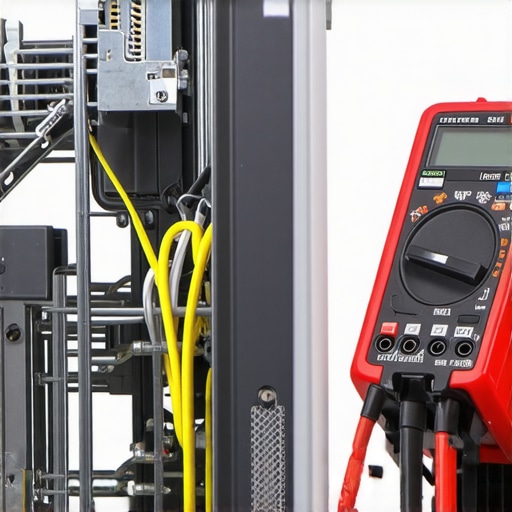
3 Lessons I Had to Learn the Hard Way About Appliance Diagnostics
First, never underestimate the power of a tiny rubber grommet—those small parts often hold the key to big problems. My early mistakes included ignoring these inconspicuous components, only to realize later how crucial they are in sealing leaks and preventing warranty rejections. Second, diagnosing water intrusion isn’t about guesswork; it’s about leveraging the right tools like digital probes and infrared cameras which can reveal hidden faults, micro-cracks, or micro-leaks that escape the naked eye. Lastly, thorough documentation—taking clear photos, recording diagnostic steps—can be the decisive factor in securing a warranty payout. Often, I found that demonstrating a step-by-step troubleshooting process builds the confidence of warranty providers and speeds up approvals.